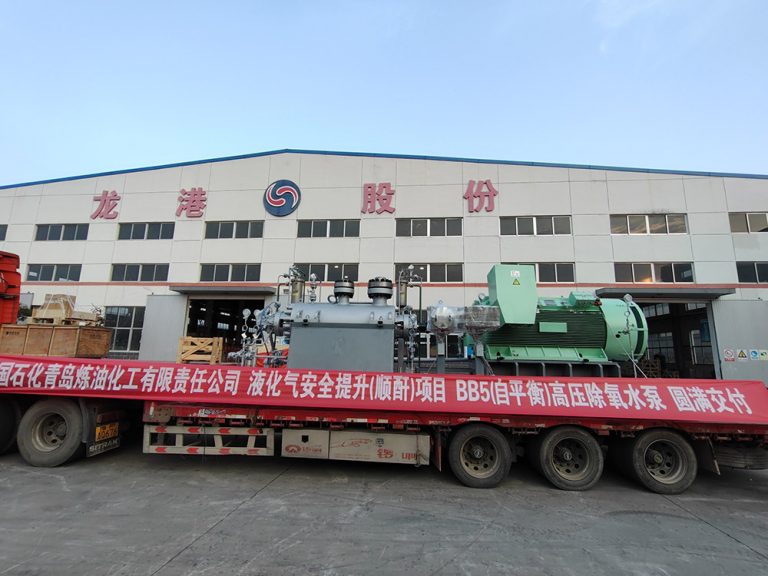

A corrosion-resistant centrifugal pump for green coal chemical projects must be chosen based on chemistry first. Coal gasification, coal liquefaction, methanol, dimethyl ether, coal-to-olefins, scrubbing, desulfurization, and wastewater duties can involve acids, alkalis, salts, trace solids, high temperatures, and pressure variations. Structure, mechanical seals, and materials must be specified together so the pump can resist corrosion without sacrificing hydraulic stability.
Longgang Pump’s BB, OH, and VS centrifugal pump families provide several routes for coal chemical pump selection. The goal is to match each service to the correct pressure boundary, rotor support, seal environment, and wetted material system.
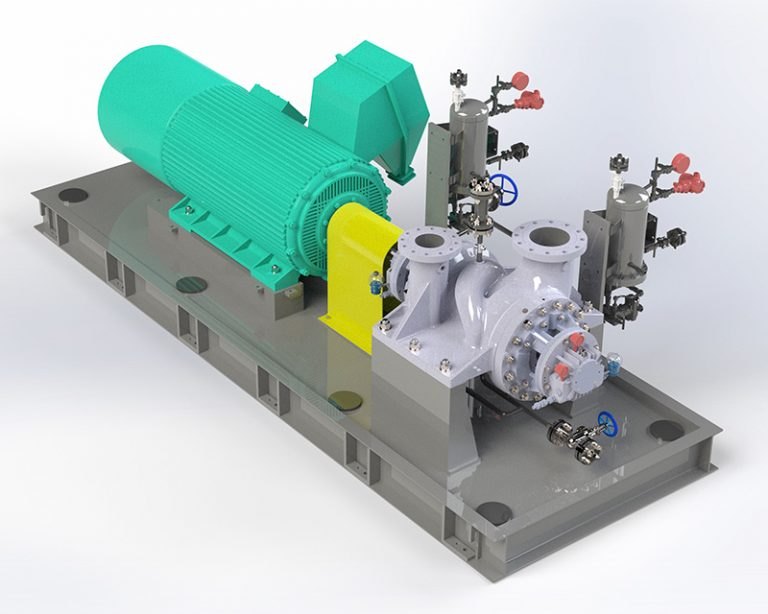
Why Coal Chemical Fluids Challenge Conventional Pumps
Coal chemical plants do not handle one clean liquid. A single complex may include black water, lock-bucket circulation, lean solution, rich solution, ammonium salt scrubbing liquid, caustic soda, sodium carbonate solution, sodium sulfite solution, desulfurization solution, and utility water. Some streams are corrosive, some carry fine particles, and some change temperature or composition during operation.
The wrong pump can fail through casing corrosion, impeller wear, seal leakage, shaft sleeve attack, bearing overload, or loss of efficiency. A green coal chemical project also needs lower energy use and longer stable operation, so corrosion resistance cannot be separated from efficiency and maintainability.
Choose the Corrosion-Resistant Centrifugal Pump Structure
BB2 Pumps for Severe Chemical Process Liquids
The LBD(BB2) radial dissection chemical process centrifugal pump is designed for high-temperature, high-pressure, and corrosive media. Its listed services include raw material oil pumps, bottom oil pumps, quenching circulation pumps, lean liquid pumps, rich liquid pumps, feed pumps, energy recovery hydraulic turbines, black water pumps, and lock-bucket circulation pumps in the coal chemical industry.
Its centerline mounting helps manage high-temperature conditions, while the radially split structure uses metal spiral-wound gaskets between the pump body and cover. At outlet diameters of DN80 and above, the double volute structure helps reduce radial forces, decrease shaft loads, and extend bearing life. These are not decorative features; they respond directly to the loads that corrosive process duties create.
BB3 Pumps for Multistage Pressure and Particle-Bearing Liquids
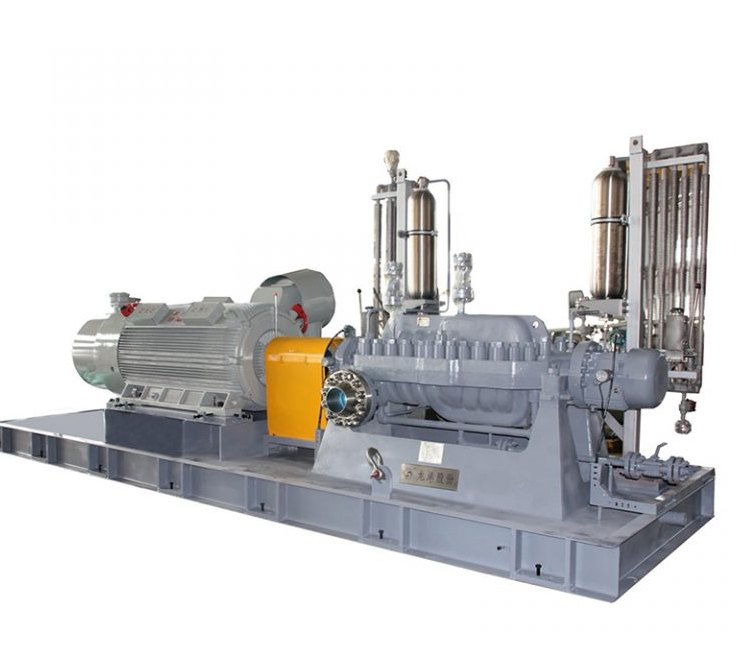
The LCD(BB3) horizontal split multi-stage centrifugal pump is listed for clean liquids or liquids containing solid particles, including oil mining, petrochemical, chemical, coal chemical, pipeline transportation, desalination, and boiler water supply service. Its axial split, single-casing, horizontal multistage structure provides access to internal components while the inlet and outlet piping remains in place.
For coal chemical duties that need higher head than a single-stage pump can provide, BB3 may be reviewed because its symmetrical impeller arrangement helps reduce residual axial force. Its spiral-grooved shaft sleeves and relatively short axial dimensions support services where trace solids may be present.
OH and VS Pumps for Transfer, Utility, and Sump Duties
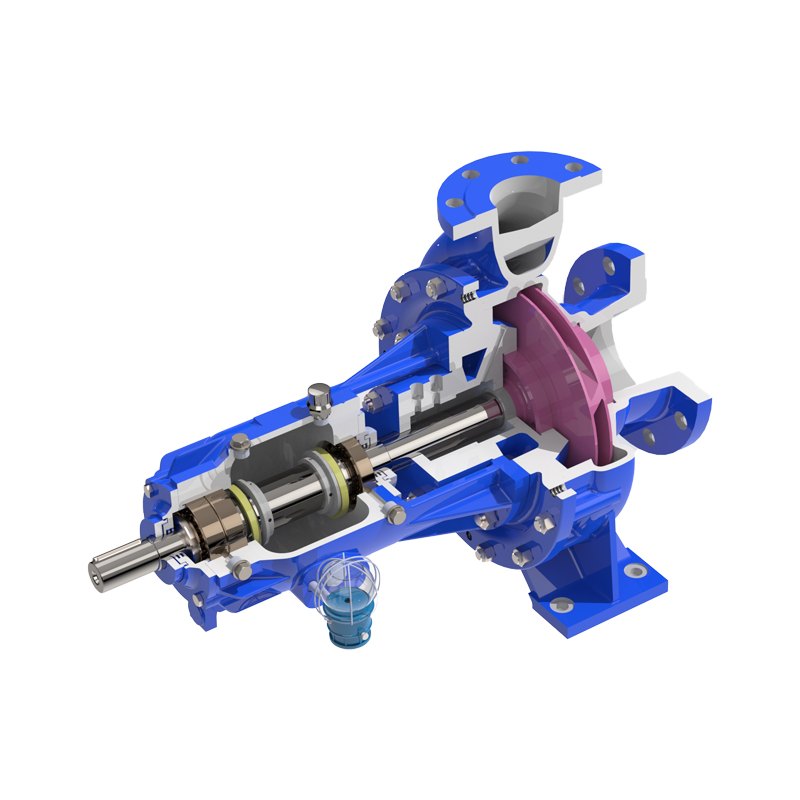
The LZA(OH1) single–stage cantilever centrifugal pump covers clean or trace-particle liquids, including neutral or highly corrosive liquids and low- or high-temperature service. In a coal chemical plant, this makes OH1 and related overhung pumps useful candidates for many transfer, circulation, and utility positions where the hydraulic duty does not require a between-bearing multistage structure.
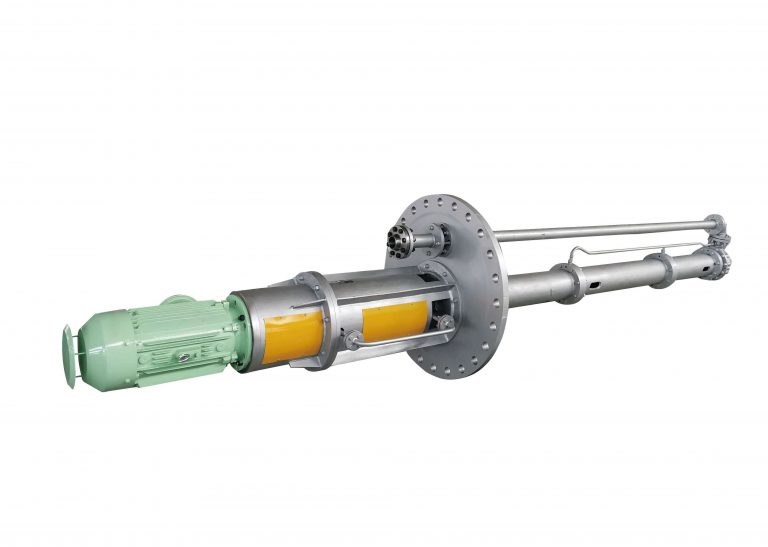
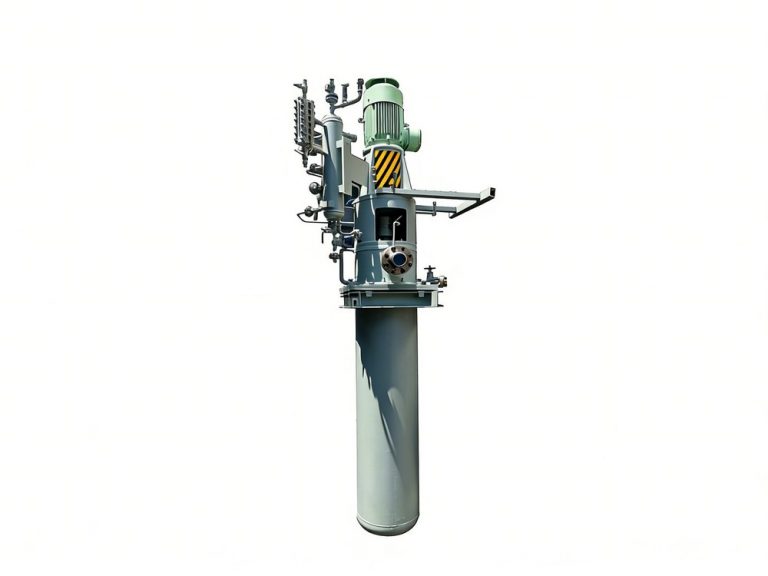
Vertical pumps such as VS1, VS4, and VS6 should be reviewed when the installation is shaped by pit depth, tank geometry, low-temperature service, or vapor-prone conditions. Longgang Pump’s vertical suspended designs include multi-point support, bearing and monitoring features, and configurable sealing systems according to the operating conditions.
Mechanical Seal Selection for Corrosive Coal Chemical Media
Mechanical seals must match both corrosion and operating behavior. A seal in caustic soda, acidic water, salt solution, or particle-bearing scrubbing liquid has to withstand chemical attack while maintaining face stability and flush cleanliness. The piping plan should keep the seal faces cool, lubricated, and free from solids accumulation whenever the process allows it.
Longgang Pump’s pump families provide seal chamber dimensions or sealing systems that can be aligned with API 682 requirements. A disciplined seal review must still account for concentration, temperature, pressure, solids, vapor pressure, and plant safety requirements.
Material Selection for Acids, Alkalis, Salts, and Slurries
A corrosion-resistant centrifugal pump is only as strong as its weakest wetted part. Material selection should include casing, cover, impeller, shaft, sleeves, wear rings, bushings, gasket surfaces, and seal parts. For abrasive streams, hardness and erosion resistance may matter alongside chemical corrosion resistance.
Longgang Pump’s material range includes special-alloy solutions for dilute sulfuric acid, hydrochloric acid, concentrated sulfuric acid, caustic soda, and other highly corrosive media, including super-low carbon duplex stainless steel pump solutions. That capability does not mean every coal chemical stream uses the same alloy; each stream still requires a chemistry and temperature review.
Match Pump Design to Coal Gasification and Methanol Processes
Coal gasification, coal-to-methanol, coal-to-dimethyl ether, and coal-to-olefins projects create different liquid duties. Some positions require a compact single-stage process pump; others need a radially split process pump, a multistage pressure pump, or a vertical suspended layout. The best selection begins with the actual medium instead of the unit name.
For Longgang Pump, the practical value lies in combining structure selection with materials and sealing. Engineers can compare BB2, BB3, OH1, VS, and high-pressure pump options against the service data, then refine the design around corrosion, solids, suction conditions, and maintainability.
Conclusion
A corrosion-resistant centrifugal pump for green coal chemical projects must balance chemical resistance, hydraulic performance, seal reliability, and long-term maintenance. Longgang Pump’s chemical process pump range gives engineers several structures for matching acidic, alkaline, salt-bearing, and particle-bearing services to the right configuration.
Contact Longgang Pump to discuss the actual medium and select a pump package for your coal chemical process.
FAQ
Q: What makes a pump corrosion-resistant?
A: Corrosion resistance comes from the complete material system, not only the casing. The impeller, shaft, sleeves, wear rings, bushings, gasket surfaces, and seal-contact parts must all match the liquid chemistry, concentration, temperature, solids content, pressure, and expected operating life for reliable service.
Q: When should BB2 be used in coal chemical service?
A: BB2 should be reviewed when the service is hot, high-pressure, corrosive, hazardous, or mechanically demanding. Its between-bearing support, radially split construction, centerline mounting, and double volute options help manage shaft loading, thermal growth, and maintenance needs in demanding continuous process operation and maintenance cycles.
Q: Is 316L stainless steel enough for all coal chemical liquids?
A: No. 316L can be useful in many services, but coal chemical liquids may contain acids, alkalis, salts, chlorides, solids, or temperature conditions that require other stainless steels, duplex materials, special alloys, or lined constructions. A medium-specific corrosion review is essential.
Q: How does pump structure affect maintenance in corrosive service?
A: Structure affects how quickly internal parts can be inspected, replaced, and realigned. Pull-out OH designs, axial split BB3 designs, and between-bearing BB2 designs offer different maintenance access. The right choice depends on downtime tolerance, piping layout, component weight, service severity, and the plant’s lifting and isolation arrangements.