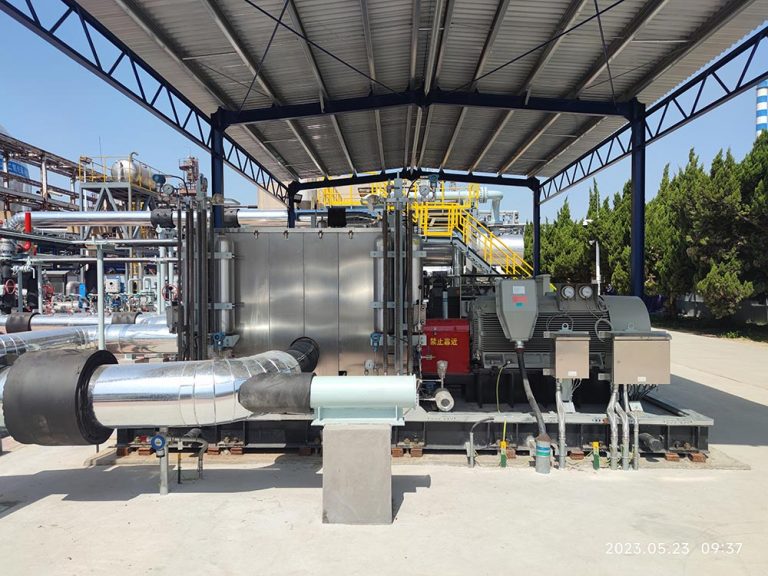
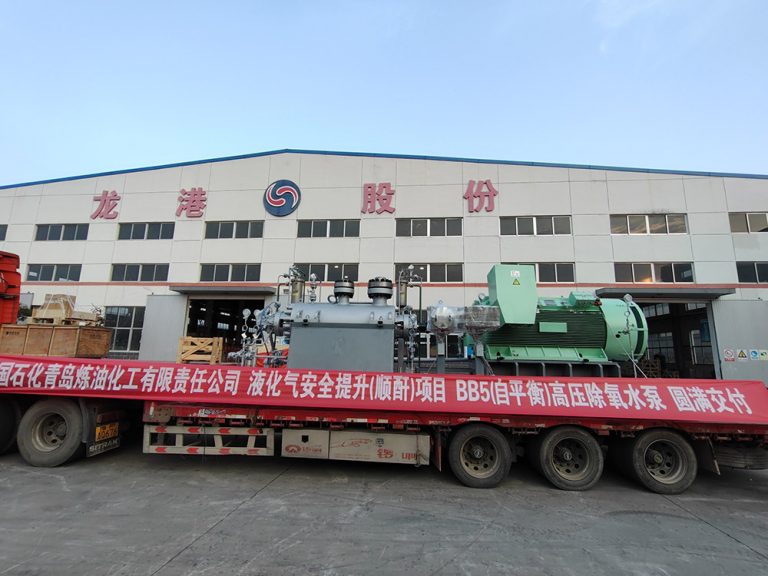

A centrifugal pump priming system is needed when the pump cannot remain fully flooded before start-up. Negative suction, long suction piping, high points in the line, volatile media, and low-NPSH conditions can all leave air or vapor in the casing. The right arrangement keeps liquid at the impeller eye, helps the pump establish flow quickly, and reduces the risk of cavitation, seal distress, and unstable discharge.
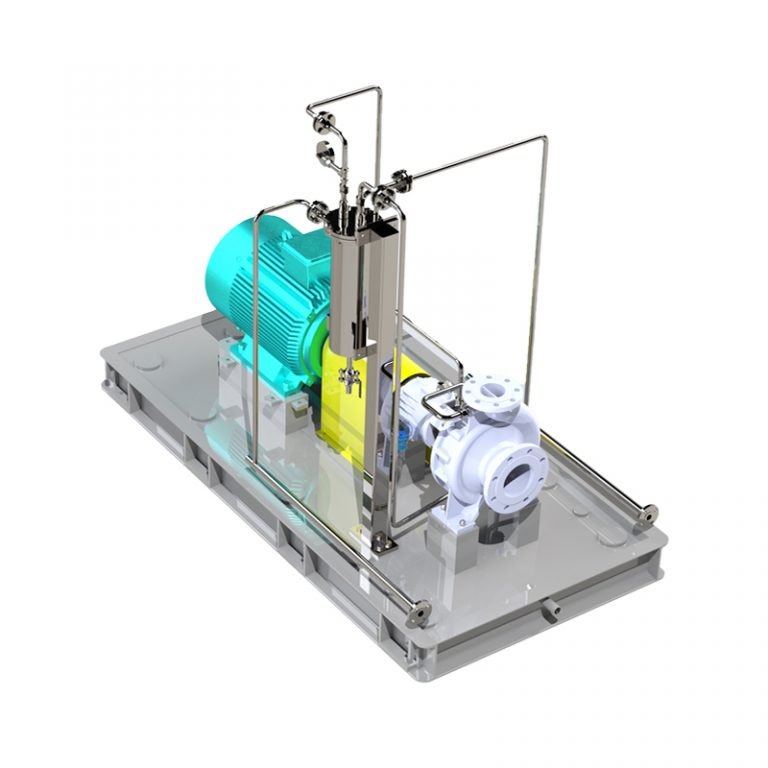
For industrial plants, priming is less about a single accessory and more about the suction-side design. Refineries, petrochemical units, power plants, water treatment systems, and chemical processes may use different priming methods because the liquid properties and installation geometry are different. Longgang Pump applications include BB, OH, and VS centrifugal pumps used across these demanding services, which makes priming system selection a practical engineering decision.
When a Centrifugal Pump Priming System Is Needed
A flooded suction layout is usually the simplest condition because static liquid level keeps the pump casing filled. Problems begin when the liquid source is below the pump, when the suction line rises and traps air, or when the medium releases vapor before the pump reaches stable operation. In these cases, the pump may rotate normally but fail to move enough liquid.
A centrifugal pump priming method must always be adopted in cases where the operation starts by pumping out the air from the suction line. The design of this method must take into account the temperature of the liquid, its vapor pressure, corrosiveness, allowable emissions, and the method in which the operator confirms that the casing is filled.
Comparing Common Priming Arrangements
Vacuum Priming for Suction Lift
A vacuum priming system removes air from the casing and suction line, allowing liquid to rise into the pump before start-up. It can be useful where the pump is installed above the liquid level or where the suction line cannot stay flooded between operating cycles. The vacuum source must be compatible with the vapor, liquid carryover risk, and plant safety requirements.
In chemical service, vacuum priming is not simply a convenience device. If vapors are flammable, toxic, or corrosive, the extracted gas and any liquid carryover need controlled handling. The system should be integrated with vents, drains, instrumentation, and operating procedures rather than treated as a stand-alone add-on.
Priming Tank for Negative Suction
A priming tank for negative suction keeps a reserve of liquid available to fill the pump and suction line. It can help stabilize start-up where the suction source is lower than the pump and where the process liquid is compatible with a retained priming volume. The tank arrangement should prevent air entry, avoid backflow problems, and maintain enough liquid for repeat starts.
A pump priming tank is simpler to comprehend compared to a vacuum arrangement but requires proper sizing and positioning. Some of the important considerations would include what volume should be provided for, whether the tank is kept full even when the system is shut down, how the trapped air is vented, and whether the fluid will stay in the tank at certain temperatures.
Flooded Suction for Stable Installations
Flooded suction is preferred when the process layout allows it. It is easier to prime the pumps when the liquid level remains above the pump centerline. However, the high-point vent, proper suction strainers, and sufficient NPSH still matter.
Matching Priming Methods to Longgang Pump Applications
BB4 and BB5 Multi-Stage Pumps
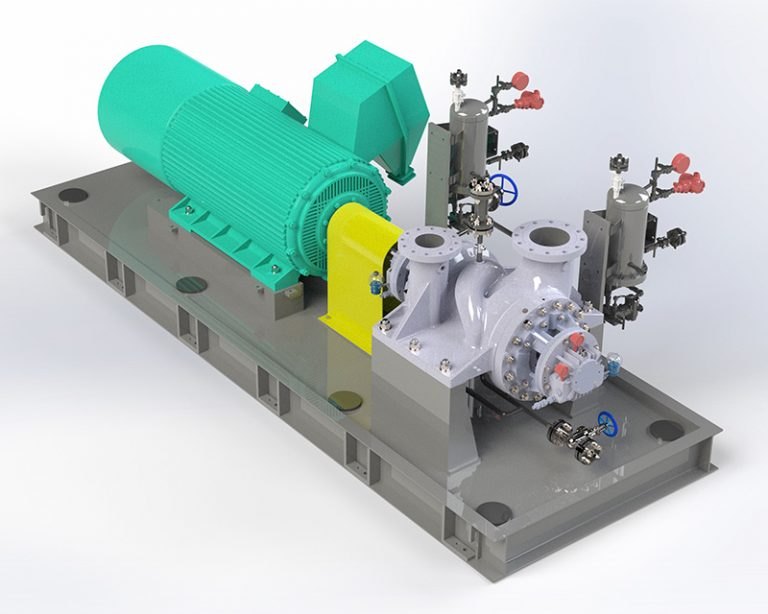
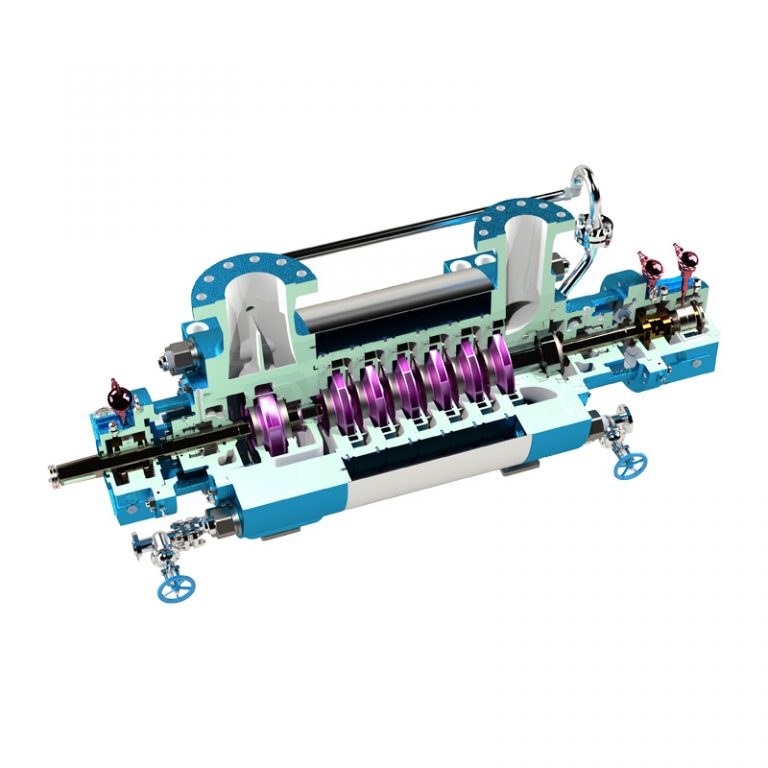
The LDD(BB4) high-pressure segmented multi-stage centrifugal pump is a horizontal, single-casing, segmented multi-stage centrifugal pump built to API610/ISO13709. The operating range for the pump comprises a flow of 5 to 1200 m3/h, head up to 3000 m, pressure up to 30 MPa, and temperatures from -80 to 210°C. It can be applied in applications such as boiler feed water, condensate, desalination, combined cycle power plants, solar energy applications, and industrial power plants.
Multi-stage pumps deserve careful priming because each stage depends on stable liquid flow from the previous stage. Air entering the first stage can disturb the entire hydraulic train. For high-pressure service, the priming arrangement should be reviewed with suction piping, start permissives, discharge control, venting, and bearing lubrication conditions.
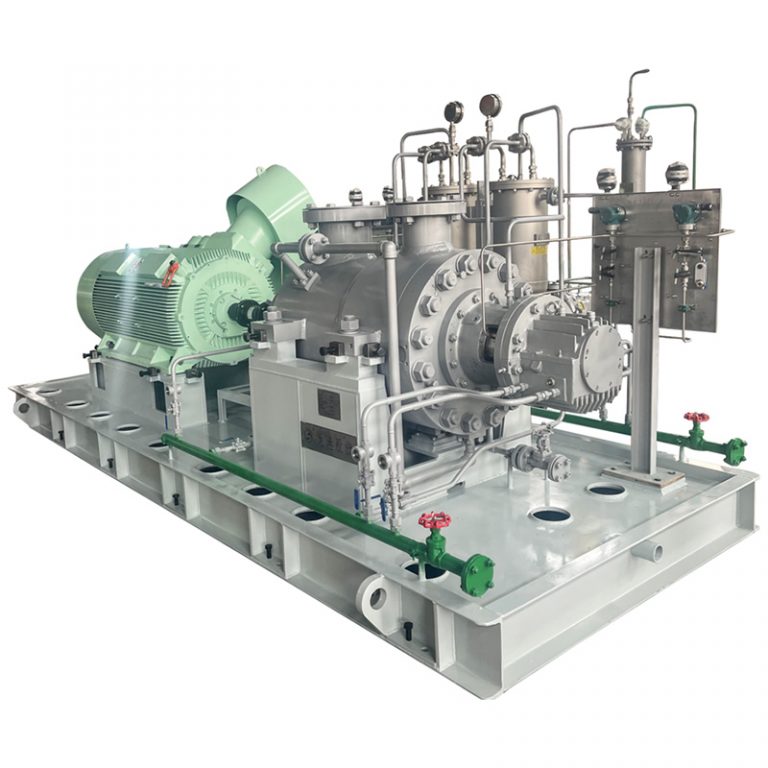
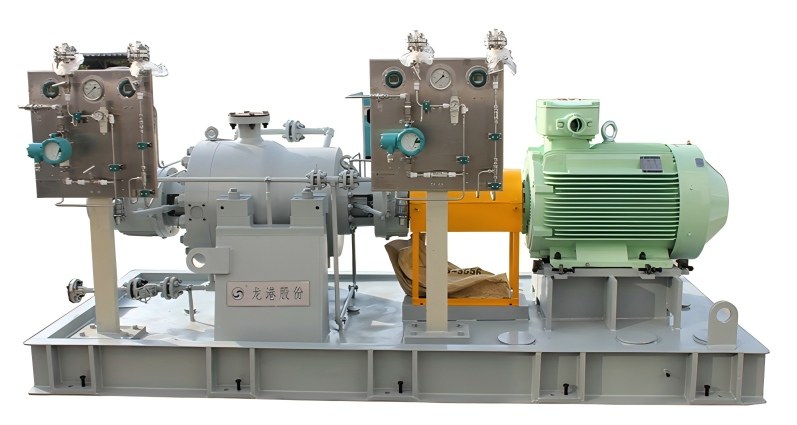
The LTD(BB5) double shell multi-stage centrifugal pump is a double-casing barrel multi-stage pump for refineries, petrochemical plants, natural gas processing, offshore or land platform water injection, crude oil transportation, crude oil refining, and liquefied gas pipeline transportation. Its operating range includes flow from 5 to 1200 m3/h, head up to about 3000 m, working pressure around 30 MPa, and temperature service from -80 to +450°C.
For BB5 service, priming decisions often intersect with high pressure, elevated temperature, and low available suction energy. A double-shell structure and removable inner core support safe operation and maintainability, but the suction arrangement still determines whether the first seconds of start-up are stable. A priming system should therefore be selected with the same seriousness as the seal plan and lubrication system.
VS6 Vertical Suspended Bag Pumps
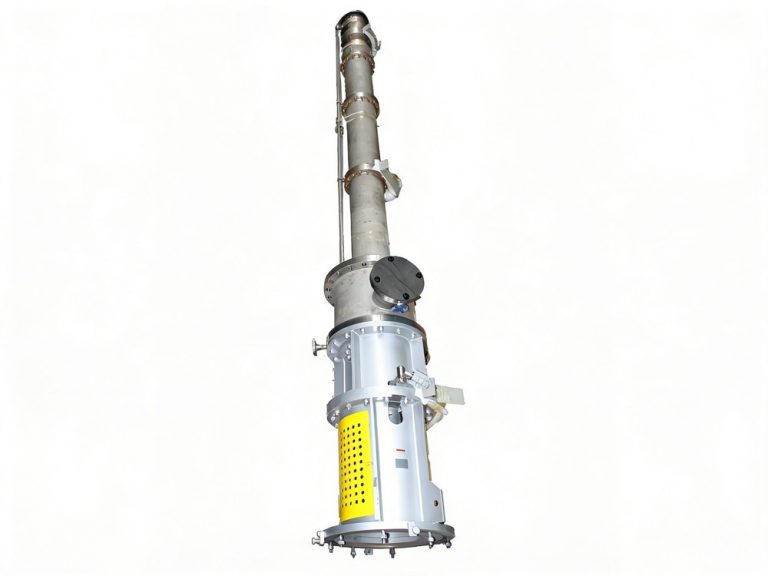
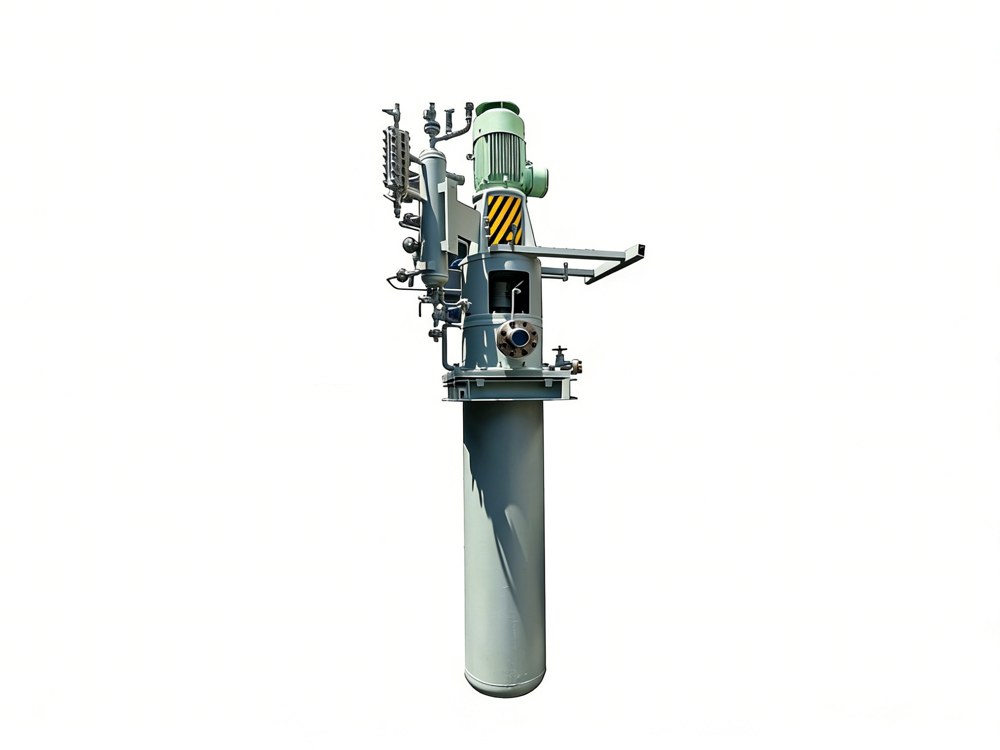
VS6 vertical suspended bag pumps are relevant where the liquid is easily vaporized or at low temperature, such as ethylene, propane, liquefied gas, condensate, and light hydrocarbon service. The structure is typically installed with a barrel or can arrangement, and the first-stage impeller may be designed for strong cavitation performance. The goal is to maintain reliable liquid entry into the hydraulic section.
A VS6 installation may not require the same external priming method as a horizontal suction-lift pump, but vapor management is still central. Operators and engineers should look at liquid level, suction pressure, venting, cooldown behavior, and the risk of vapor formation near start-up. Priming reliability is often created by the whole system, not by the pump alone.
Selection Factors for Chemical, Refinery, and Utility Systems
The first selection factor is suction geometry. If the source is below the pump, a negative suction arrangement may need a priming tank or vacuum priming system. If the suction line has high points, vents or piping changes may be needed so air cannot remain trapped after maintenance.
The second factor is vapor pressure. Hot oil, light hydrocarbons, ammonia-related liquids, and other volatile media can form vapor even when the casing was filled earlier. Low-NPSH applications need more than a priming checklist; they need a suction design that keeps the liquid stable at the impeller inlet.
The third factor is material and sealing compatibility. Corrosive liquids may limit what can be used for vents, tanks, valves, and auxiliary piping. Sealing systems also need the correct liquid environment before rotation begins, especially where API682 seal chamber requirements and flushing plans are part of the pump design.
How to Keep Priming Reliable Over Time
Longgang Pump technical discussions often connect pump selection with installation, testing, and operating support. For end users, the practical value is a clearer match between pump type and system behavior.
Review Longgang Pump products when comparing centrifugal pump priming system needs across high-pressure, high-temperature, and volatile-media services.
Conclusion
A centrifugal pump priming system is best chosen from the suction condition, not from habit. Negative suction may point toward a priming tank or vacuum arrangement, while low-NPSH or volatile service may require broader control of temperature, liquid level, venting, and vapor handling. The strongest solution keeps the pump flooded, protects the seal environment, and makes start-up repeatable for operators.
Explore Longgang Pump engineering options to align priming arrangements with the pump structure, medium, and operating duty.
FAQ
Q: What is a centrifugal pump priming system?
A: The priming system of the centrifugal pump gets rid of any air or vapour inside the casing and the suction line prior to start-up. This could be done through flooded suction, a priming tank, a vacuum device, or some other way. This is done to ensure that there is enough liquid available at the impeller.
Q: When is a priming tank useful for negative suction?
A: A priming tank is useful when the pump sits above the liquid source and cannot remain naturally flooded. The tank stores enough compatible liquid to fill the casing and suction line before start-up. It must be sized, vented, and located so it stays effective after shutdowns and repeated starts.
Q: Is vacuum priming suitable for chemical liquids?
A: Vacuum priming may be applicable, although special care must be taken with chemicals. The vapors could be poisonous, flammable, caustic, or environmentally controlled. The vacuum system must be able to manage gas and liquid carry-over safely, and the materials, vents, and drains must fit the service conditions.
Q: How does low NPSH affect priming decisions?
A: Low NPSH means the pump has limited suction energy before vapor forms. Priming must therefore work with suction pipe design, liquid level, temperature control, and venting. A full casing alone may not be enough if the liquid flashes near the impeller during start-up.