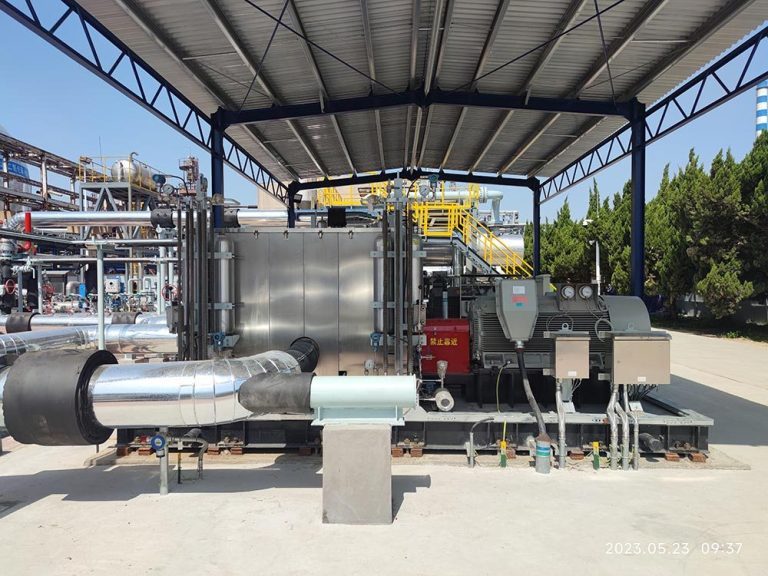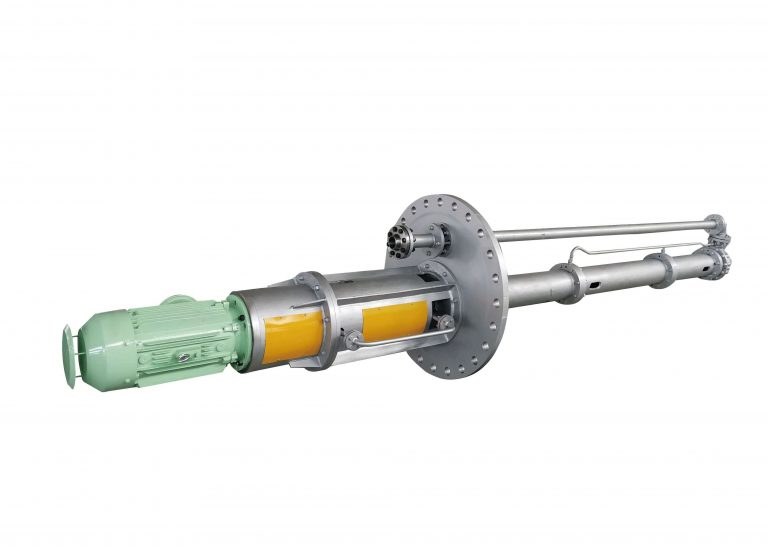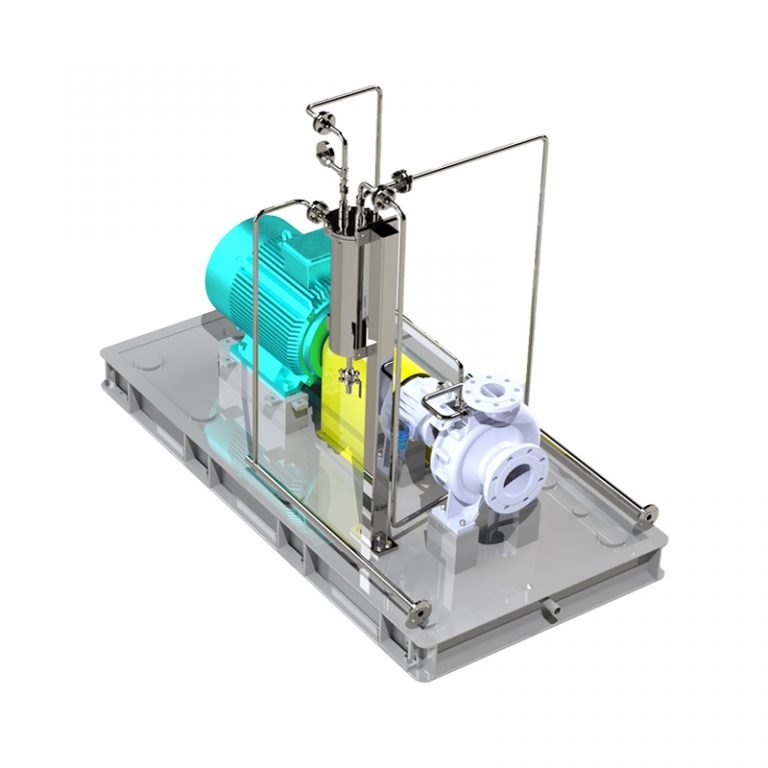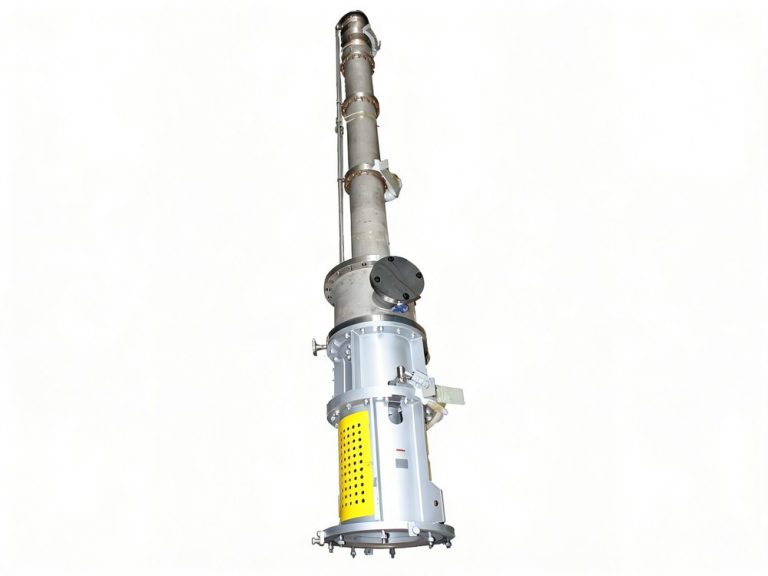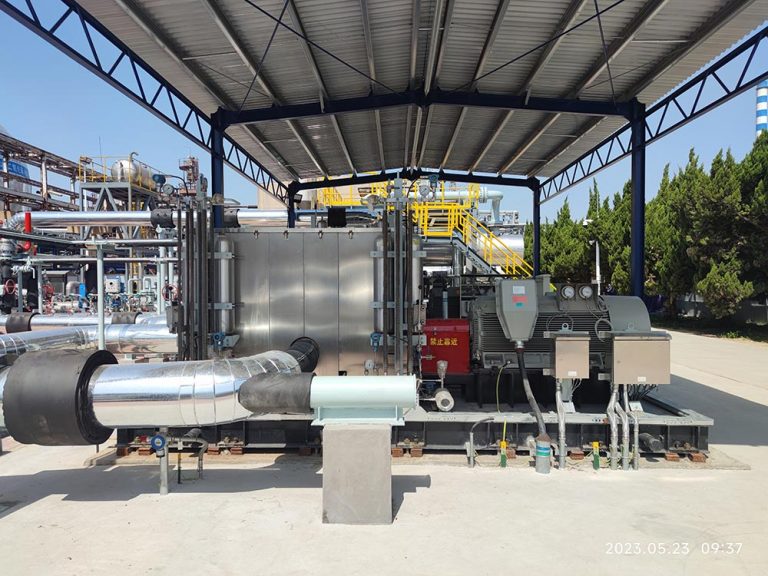
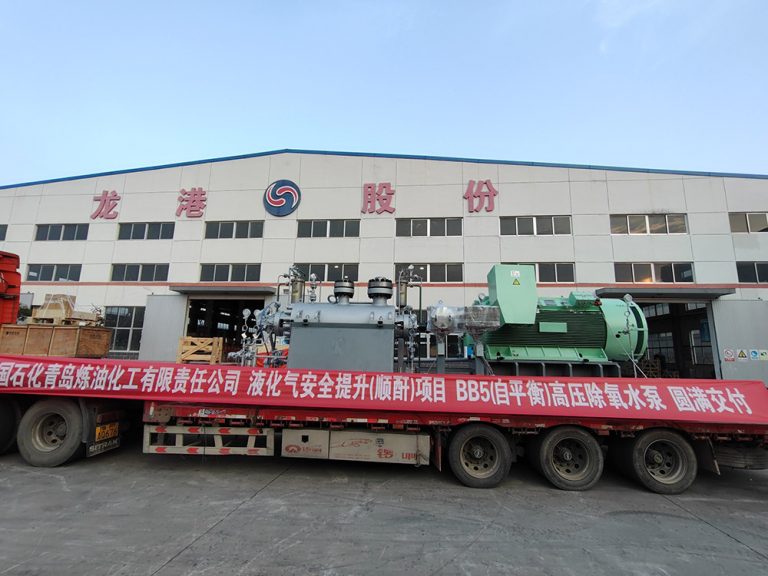

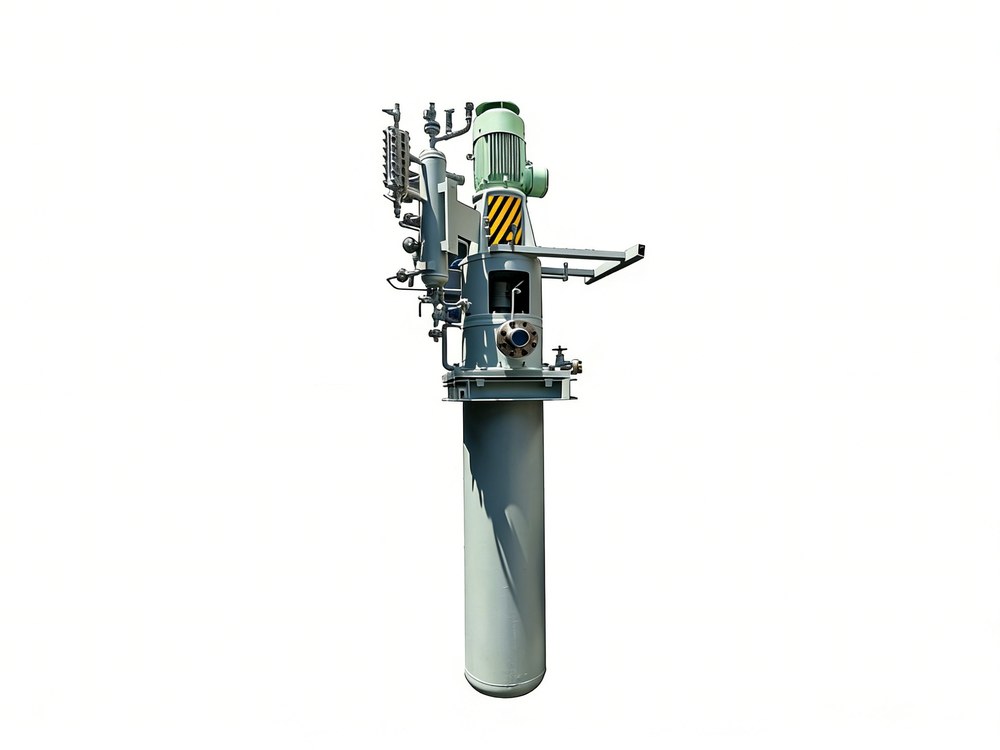
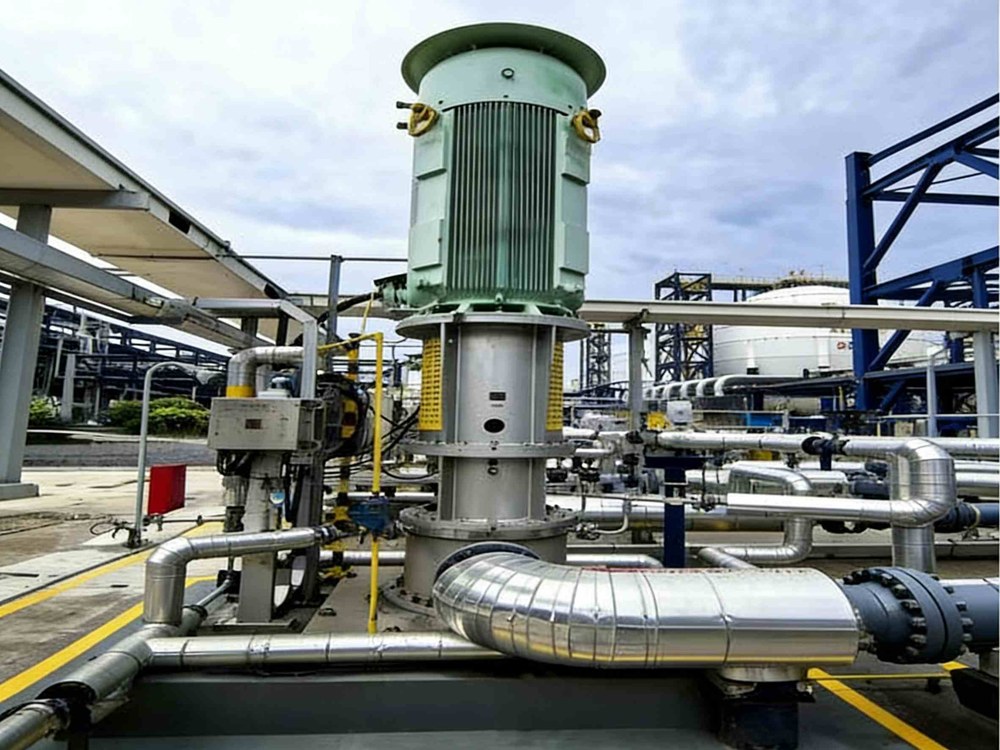
Longgang Pump’s LDT(VS6) is a double-casing, radial-split, multistage bag type suspended pump especially designed for such service condition where the pumped fluid is near its vapor pressure. An inducer is installed at the impeller’s inlet. The hydraulic designs of the 1st and 2nd stages are separate. A multi-point-supporting shaft is adopted to effectively tackle the risks such as flashing, cavitation, imbalance, deflection, etc. occurring in services like ethylene, propane, liquefied gas, etc. and also for convenient maintenance.
Why Vaporizing Fluids Require a Different Pump Structure
Pumps that handle low-temperature hydrocarbons and liquefied gases typically operate near their vapor-pressure limit. Therefore, small losses of pressure at the inlet, increased heat leak, or a wrong start-up procedure can lead to vapor lock that reduces the flow and even causes damage to hydraulic surfaces. Here, pump selection must satisfy the required flow and discharge head while maintaining an adequate suction margin.
Low Temperature and Flashing Risk
Temperature affects the density, viscosity, vapor pressure of the liquid processed, the seal elastomers, bearing lubrication and the mechanical clearances of the rotating assembly parts. In case of a liquid which can flash in a low temperature process, such a process pump needs to be installed in such a way that the suction routing is short and the inlet to the hydraulic is well supported.
NPSH and Suction Stability
Determine the NPSH available at the lowest credible liquid level and highest credible temperature. Consider the losses in the inlet, the vapor pressure, the tank pressure and any transient conditions that may exist during start-up or switching. The first-stage impeller and the inlet to it are of greatest significance as they experience the most severe suction conditions.
How the VS6 Structure Handles Difficult Media
Below you will find details on the LDT(VS6) in terms of its composition and how each component protects the suction side.
Double Casing and Radial Split Construction
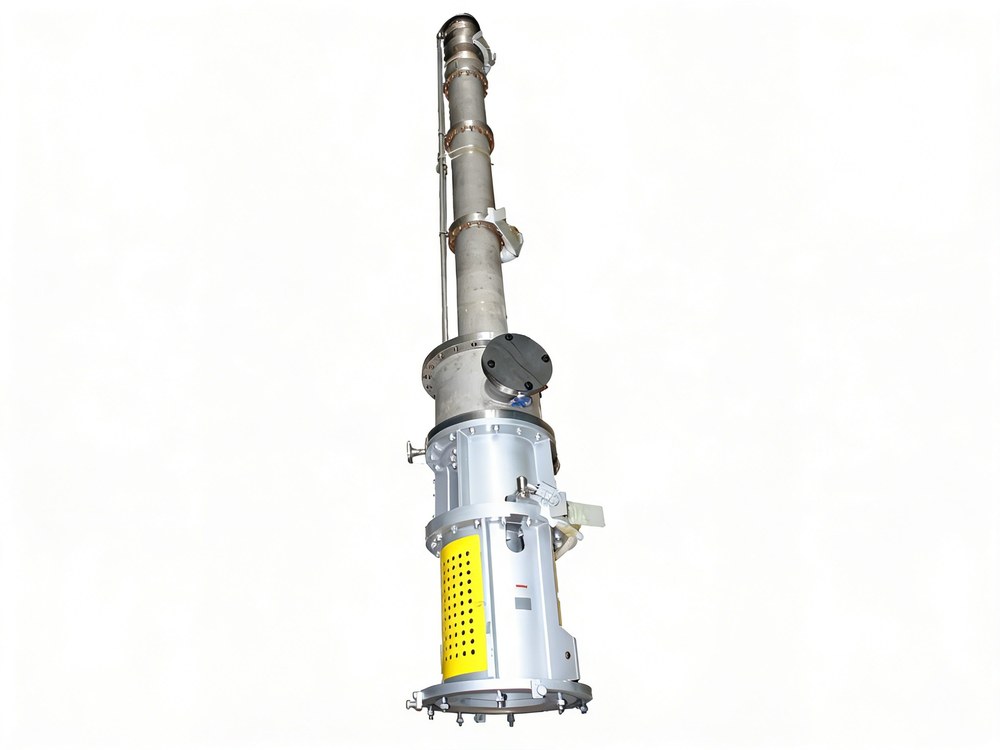
The LDT(VS6) is a double casing radially split multistage centrifugal pump. The outer pressure boundary is designed for service, while the internal core is arranged to best suit hydraulic and maintenance requirements. A vertical suspended arrangement is provided, which is particularly advantageous when the hydraulic section is installed below liquid level or in a barrel/can arrangement. This can help maintain a flooded suction when the system is properly designed and operated.
Separate First-Stage and Later-Stage Hydraulics
On the LDT(VS6) the first two stages are designed as separate units. The first-stage impeller is designed for stronger suction and cavitation performance, while the second-stage hydraulic design focuses more on efficiency. This is particularly important when the available NPSH is limited and the pump must still generate the required head. The first stage experiences the most severe suction condition, while later stages receive liquid at progressively higher pressure.
Multi-Point Support and Rigid Operation
To resist bending and vibration a long vertical shaft needs to be supported at several points. The VS6 is provided with multi-point support. The bearing spans are set up in accordance with API 610 requirements. The shaft is designed to run well below the first critical speed. In this way the rotor is kept stable over the full length of the shaft that is submerged in the liquid. Also the clearances at the impellers and at the sleeves remain constantly under control.
Inducer and Impeller Design for Cavitation Control
An inducer at the impeller inlet is a feature, easily realized for media easily vaporized, which can improve suction performance and reduce the pump’s required NPSH before the main impeller adds the major part of the head. Naturally this first stage is dependent on correct tank filling, on suction pipes, on operating margin and on start-up.
Balancing Suction Performance and Efficiency
When selecting an inducer, consideration must be given to the typical flow, speed, liquid properties, and normal operating conditions. Selecting an inducer that is oversized or operated far from its designed condition can still result in recirculation and vapor formation. The complete performance curve must be considered including minimum continuous stable flow, and operation under transient conditions. The effect of control valves and bypass systems must also be taken into account.
Mechanical Seal or Packing Seal
Seal protection for low-temperature/ vaporizing fluids is required in order to prevent dry-running, heat-influx, pressure-fluctuations and damage from incompatible materials. The VS6 pump can be supplied with a mechanical seal or packing seal, depending on the required application. Factors that influence the choice of seal type are the type of fluid, the possible leakage, pressure and temperature, maintenance policy and availability of supporting equipment.
Mechanical Seal Requirements
In some cases, a mechanical seal may require a controlled flush, cooling or a barrier fluid to keep the faces lubricated. The selection of the elastomer for low-temperature service is critical. Some elastomers that are suitable at ambient temperature may lose their necessary characteristics when chilled. The seal chamber, shaft sleeve and secondary seals must be evaluated as a total package.
Monitoring and Start-Up Protection
A reliable start-up of a pump requires a confirmation of liquid level, of valve position, of seal support, of bearing condition, and of the absence of any trapped gas before the motor is powered. The temperature, vibration, discharge pressure and suction behavior of the pump must be checked within the first minutes of operation. This is critical since even a small process deviation can quickly change the liquid’s phase.
Material Selection for Ethylene, Propane, and Low-Temperature Media
Consider the minimum metal temperature, maximum design pressure, fluid composition, corrosion risk, impact-toughness requirements, and thermal stresses for all major components including casing, shaft, impeller, wear parts, fasteners, seal hardware and bearing components. Thermal contraction and resulting changes in clearance must also be considered when bringing a “warm” pump into cryogenic or near-cryogenic service.
The VS6 service includes the transfer of ethylene and propane, cold ammonia, liquefied gases, condensate and other light hydrocarbons. Fluid name alone does not define material grade. All of these services must be defined by project specifications including temperature range, pressure boundary, impact requirements, corrosion issues and required inspections before a pump is released for manufacture.
Longgang Pump Applications in Ethylene and Petrochemical Service
VS6 covers ethylene product and feed pumps, demethanization bottoms and reflux duty, propane dehydrogenation transfer duty and liquefied gas loading duty. The low-temperature, high-pressure ethylene feed pump for Sinopec’s Tianjin ethylene project, for example, was designed and supplied by a domestic supplier instead of imported. The same major decisions have to be taken for any of these duties: suction duty, materials, sealing and general arrangement.
A suspended vertical pump designed for vaporizing liquids must have structural and auxiliary systems to protect suction and seal/rotor. VS6 pump has double casing and a staged hydraulic design, equipped with an inlet inducer, multi-point support, thin-oil lubrication, and flexible seal and shaft configurations. For low-temperature duties involving ethylene, propane, liquefied gas and other petrochemical media, Longgang Pump can configure these features according to the specific service conditions.
You would contact Longgang Pump to confirm the configuration with minimum temperature, suction conditions, etc. for the line and required flow, head and seal requirements.
FAQ
Q: Why is a vertical suspended pump suitable for vaporizing fluids?
- The VS6 uses a vertical suspended double-casing barrel/can arrangement that can place the first-stage hydraulics below the mounting level and help maintain stable flooded suction when the installation is properly designed. In addition, the vertical configuration enables deep vessels and similar installations to be served. The double casing together with the separate first-stage hydraulic design, the inlet inducer and multi-point shaft support enable good control of suction, cavitation and rotor behavior.
Q: What is the purpose of an inducer at the first stage impeller inlet? Does it reduce the NPSH required by the first stage?
A: The inducer is intended to improve suction performance and reduce the pump’s required NPSH before the main impeller creates most of the head. However, the inducer does not compensate for inadequate NPSHa caused by insufficient tank pressure, liquid level, suction piping design, minimum flow capability or poor operating practice.
Q: Should a cryogenic pump use a mechanical seal or packing?
A: This decision is based on a number of factors including the service medium, temperature, pressure, potential leakage problems, normal maintenance practices and auxiliary services available. Mechanical seals are supplied as an alternative to packing on the VS6 and provide the tightest containment but require suitable faces, back-up rings etc. and associated secondary seal arrangements, cooling, flushing or barrier fluid supplies.
Q: Which fluids can a VS6 pump handle?
A: VS6 typical duties are: ethylene & propane, cold ammonia, liquefied gases, condensates, and light hydrocarbons. The final material and seal call requires the exact composition, temperature, pressure, flow, head and vapor pressure for the particular duty.