

API 610-Standards verstehen
Was ist eine API 610 Pumpe?
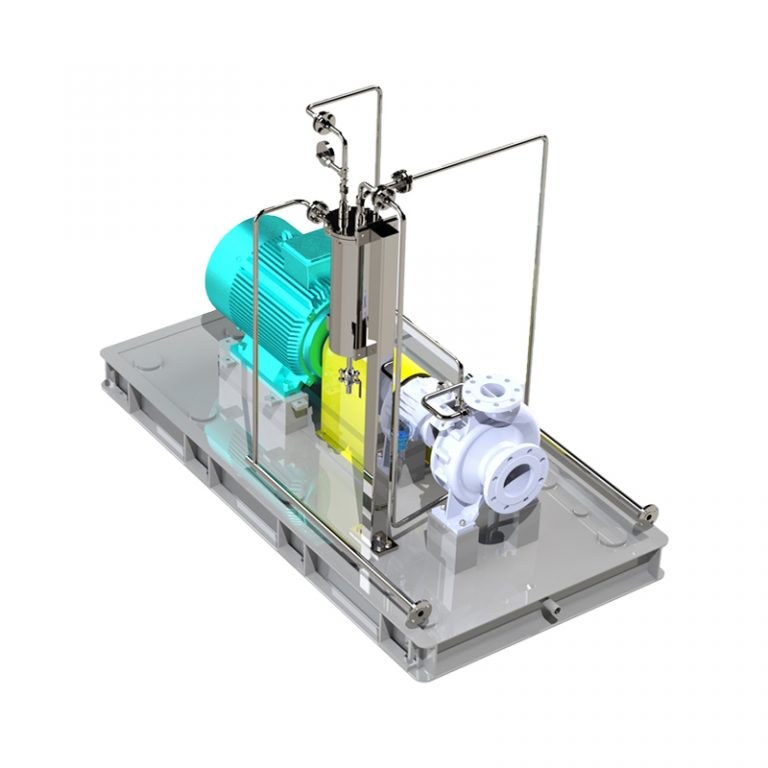
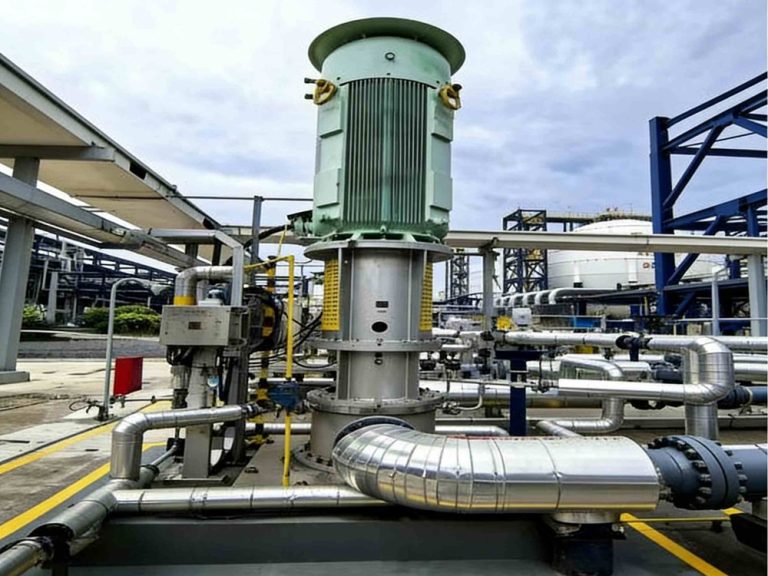
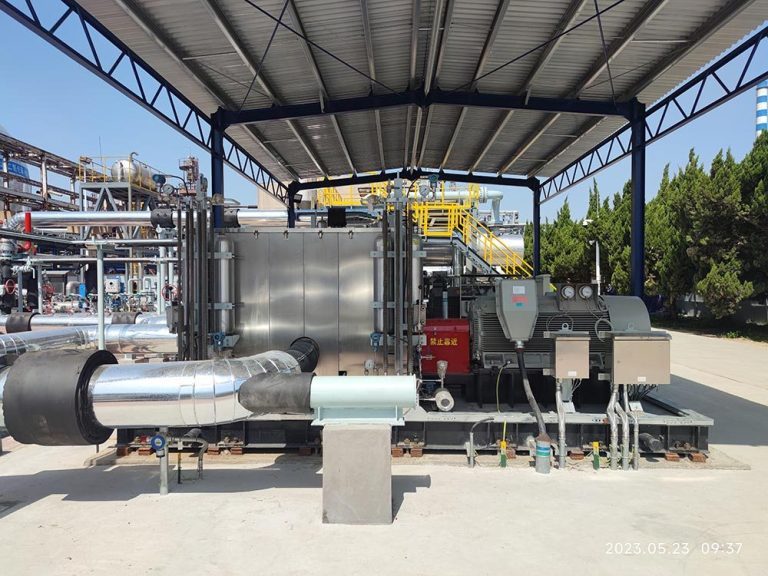
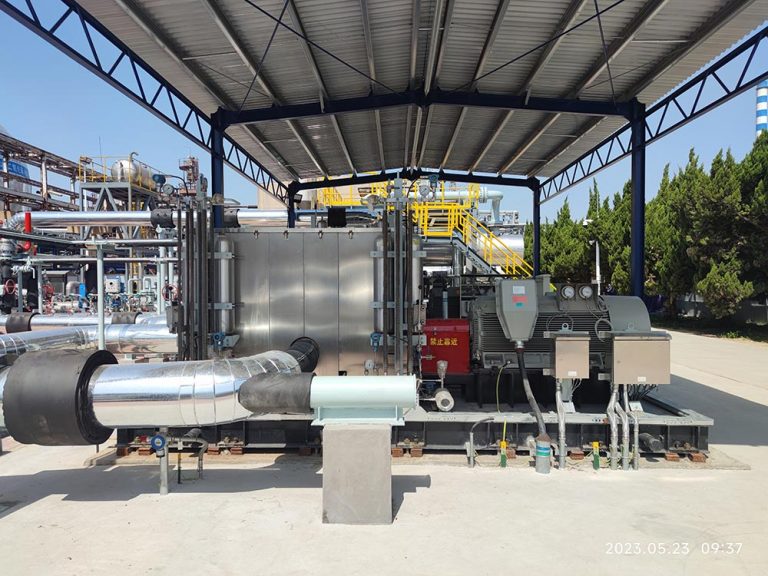
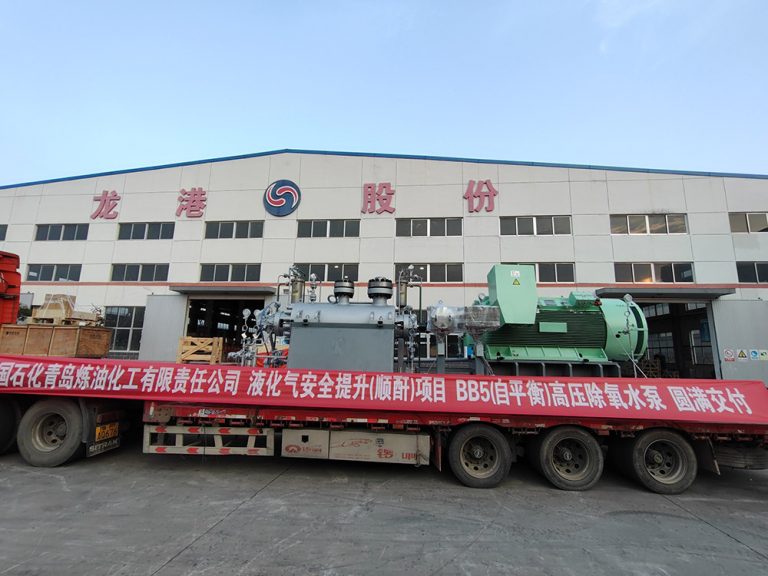
API-610-Pumpen stellen eine spezielle Kategorie von Kreiselpumpen dar. Sie werden gemäß dem API-610-Standard des American Petroleum Institute (API) gefertigt. Dieser Standard legt strenge Regeln für Pumpen fest, die in anspruchsvollen Branchen wie der Erdölraffinerie, der petrochemischen Produktion und der Erdgasverarbeitung eingesetzt werden. Solche Pumpen zeichnen sich durch hohe Zuverlässigkeit, Sicherheit und Leistungsfähigkeit aus. Sie arbeiten unter extremen Bedingungen wie hohen Temperaturen, hohem Druck oder in korrosiven Umgebungen. Longgang-Pumpe bietet verschiedene Modelle an, die API 610 erfüllen.
Wichtigste Konstruktionsmerkmale von API 610 Pumpen
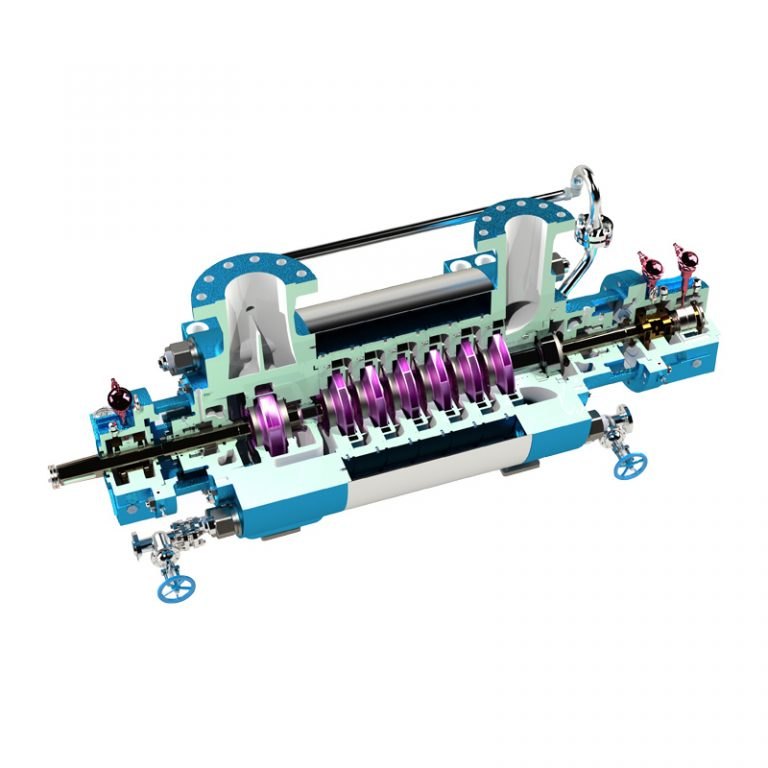
API-610-Pumpen zeichnen sich durch eine robuste und langlebige Konstruktion aus. Ein typisches Merkmal ist die mittige Montage, die die thermische Ausrichtung verbessert. Viele Pumpen verwenden zudem Doppelspiralgehäuse. Diese Konstruktion gleicht Radialkräfte aus und reduziert so die Belastung der Pumpe. Oftmals verfügen sie über Systeme zum Selbstausgleich von Axialkräften. Ihre Gleitringdichtungen entsprechen dem API-682-Standard und gewährleisten dadurch eine höhere Leistung und längere Lebensdauer. BB2 (LBD) Modell Diese Pumpe verfügt über ein radial geteiltes Gehäuse und eine zentrale Stützkonstruktion. Sie eignet sich hervorragend zum Fördern von hochtemperierten und korrosiven Flüssigkeiten und wird häufig in Raffinerien und Chemieanlagen eingesetzt. Die Pumpen zeichnen sich zudem durch starre Wellen und Hochleistungslager aus. Diese Bauteile sind für den Einsatz unter anspruchsvollen Bedingungen ausgelegt und tragen so zu einer langen Lebensdauer der Pumpe bei.
Übersicht über die Eigenschaften von Nicht-API-Pumpen
Gängige Nicht-API-Pumpentypen in der Industrie
Pumpen ohne API-Norm werden üblicherweise für weniger anspruchsvolle Anwendungen ausgewählt. Sie sind dort weit verbreitet, wo API-Normen nicht erforderlich sind. Beispiele hierfür sind allgemeine Industrieprozesse, Wasseraufbereitungsanlagen, HLK-Anlagen und Bewässerungssysteme.
Unterschiede in Design und Materialien
Im Gegensatz zu API-610-Pumpen, die strenge Material- und Konstruktionsvorgaben erfüllen müssen, weisen Pumpen ohne API-Norm häufig einfachere Bauweisen auf. Sie verfügen möglicherweise nicht über Merkmale wie Mittellinienmontage oder Doppelspiralgehäuse. Die verwendeten Materialien sind unter Umständen weniger beständig gegenüber aggressiven Chemikalien oder hohem Druck.
Wartungsanforderungen für API 610 Pumpen
Geplante Wartungsintervalle
Thanks to their robust build and high standards, API 610 pumps need maintenance less often. Their design supports predictive maintenance plans. This means repairs are based on condition monitoring, not just scheduled intervals or breakdowns.
Spare Parts Availability and Standardization
A major benefit of API 610 pumps is standardization. Parts like mechanical seals follow ISO21049 (API682). This makes finding replacements easy. Longgang supports this with prompt spare parts service for its Longgang’s API610 pumps. They promise quick response, including 24-hour support for urgent problems.
Typical Wear Components in Longgang LG-API610 Series
In models like BB2 (LBD) or OH2 (LZE), some parts wear out over time. These include impeller wear rings, throat bushings, bearings, and mechanical seals. The modular design of these pumps is helpful. It allows replacing these components without taking apart the whole pump.

Maintenance Requirements for Non-API Pumps
Frequency of Repairs and Inspections
Non-API pumps generally need more frequent check-ups. Their design is less rigorous. Without features like balanced axial loads or advanced bearing systems, they can wear out faster. This is especially true in tougher operating conditions.
Challenges with Part Replacement and Compatibility
Non-API pumps vary a lot between brands. This can make finding replacement parts difficult. Unlike standardized API parts, seals or impellers may not be available off-the-shelf. Sometimes, they must be custom-made, which can cause delays.
Reliability and Operational Lifespan Comparison
Mean Time Between Failures (MTBF) Analysis
API 610 pumps usually have a much higher MTBF. This is due to their strong engineering. For example, the LTD (BB5) pump has a double casing. It uses a dynamic balance design. This means bearings do not carry axial forces during operation. As a result, their lifespan is greatly extended.
Impact on Downtime and Plant Productivity
Higher MTBF means less unplanned downtime. This is very important in critical applications. Examples are crude oil transfer or ethylene feed pumping. In these cases, downtime can be very costly. Longgang’s API610 pumps provide excellent uptime. This helps maintain plant productivity.
Cost Implications of Maintenance
Short-Term vs. Long-Term Cost Efficiency
Non-API pumps have a lower initial cost. However, they often have higher costs over their lifetime. This is because they need more frequent repairs and part replacements. On the other hand, API-compliant models from Longgang, like LBD (BB2) or LCD (BB3), offer better long-term value. They need less maintenance and have a longer operational life.
Service Life Expectations by Pump Type
Longgang’s LTD (BB5) pump is built for very tough conditions. It can handle pressures up to 30 MPa and temperatures up to 450°C. This makes it a good choice for long-term use in critical tasks. Examples are offshore crude oil transport and liquefied gas pipelines.

Choosing the Right Pump Based on Application
When to Choose API-Compliant Pumps like Longgang API610
API-compliant pumps are needed for demanding applications. These include high temperature, high pressure, or hazardous chemicals. They are common in refining units or coal-to-methanol plants. For example, the LBD (BB2) is good for quenching oil circulation in ethylene units. It also works for black water pumping in coal chemical plants.
Practical Recommendations from Longgang Experts
Matching Pump Type to Process Conditions
Longgang helps customers choose the right pump. They base their advice on specific working conditions. They consider factors like cavitation risk and corrosion. Their engineering team works with clients from design to commissioning.
Importance of Installation and Routine Checks
Proper installation is critical for any pump. Longgang provides on-site technical help for installation and testing when agreed in the contract. Routine checks are also important. These include vibration analysis. They help find problems early, before they cause major failures.
Häufig gestellte Fragen
Q: What makes API 610 pumps more reliable than standard industrial pumps?
A: They follow very strict design rules. These include centerline mounting for better thermal stability. They also often have dual volute casings to balance radial forces. Their shafts are rigid and run below critical speed. All these features contribute to their higher reliability.
Q: Are spare parts easily available for Longgang’s API-compliant pumps?
A: Yes. Longgang supplies qualified spare parts quickly when requested. This helps keep downtime short during maintenance.
Q: Can I get a customized solution if my process involves highly corrosive media?
A: Definitely. We provide custom alloy materials. These include super-low carbon duplex stainless steel. They are chosen to match your fluid’s specific characteristics.