
Fundamentals of Centrifugal Pump Operation
Core Principles of Centrifugal Pump Mechanics
Centrifugal pump operation starts with the motor. The motor turns the impeller. The impeller pushes the liquid outward. This action turns motor power into fluid movement and pressure. The shape of the impeller and the shape of the casing decide how well this change happens. A good impeller shape cuts down on losses inside the pump and keeps the speed of the liquid even inside the casing. Operators need to watch the head, flow, and efficiency curves. Watching these curves helps them run the pump well in petrochemical plants where steady output matters.
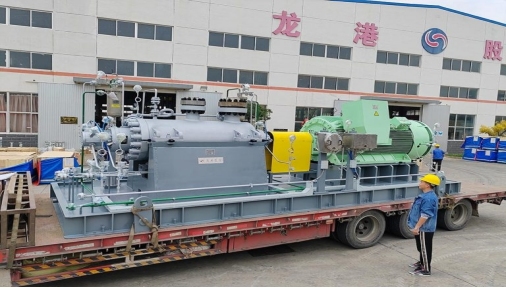
The BB2 centrifugal pump was developed on its own. This pump is used to move crude oil. It is also used in coal chemical plants, natural gas plants, and offshore drilling rigs. At the best point on the curve, the pump reaches 90.5 percent efficiency. That number is 3.5 percent higher than the first-level national energy standard. The higher number shows that the impeller design affects both head and energy use in a clear way.
Classification and Types of Centrifugal Pumps in Petrochemical Applications
Centrifugal pump types are grouped by the way the liquid leaves the impeller. Some are radial flow. Some are mixed flow. Some are axial flow. Each group fits different plant needs. Radial pumps give high head at low flow. Mixed flow pumps give a middle level of head and flow. Axial flow pumps move large volumes at low head. In petrochemical work, plants often choose multistage pumps when they need high pressure.
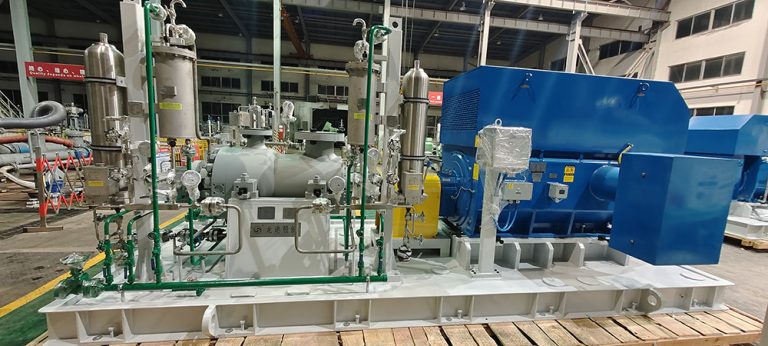
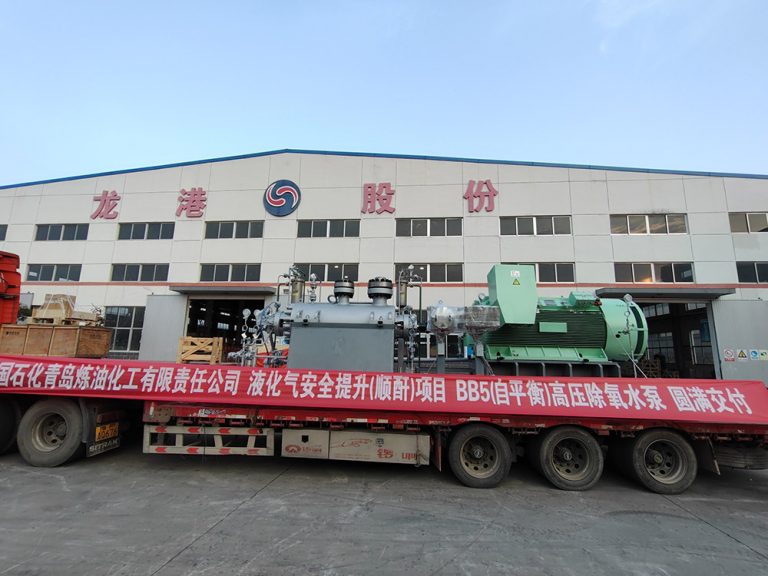
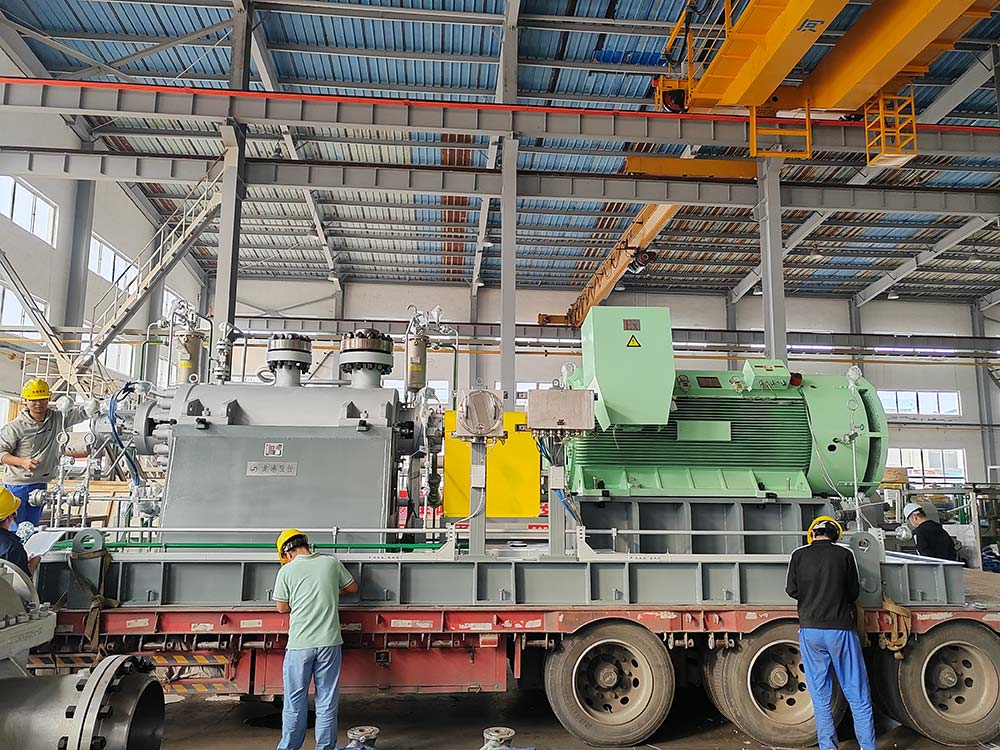
Longgang Pump makes BB series, OH series, and VS series chemical centrifugal pumps. These pumps are used in petroleum and petrochemical plants. They are also used in coal chemical plants, basic chemical plants, environmental protection, and water treatment. One example is the BB3 (LCD) horizontal split multi-stage pump. This pump has impellers set in a symmetrical pattern. The pattern balances the axial force and gives steady performance when pressure is high.
Material choice is another key step. Plants pick alloys that resist corrosion when the liquid is strong or the temperature is high. Good material choice keeps the pump working for a long time.
The Concept and Importance of Priming in Centrifugal Pumps
Definition and Purpose of Priming
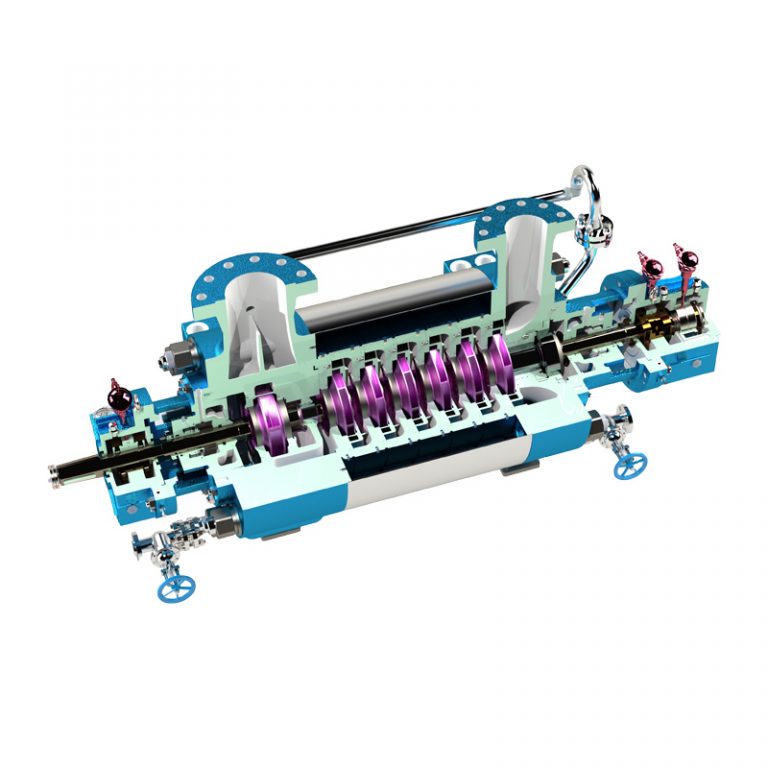
Priming means filling the casing and the suction line with liquid before the pump starts. This step removes air. Without air, the pump avoids vapor lock and dry running. When the impeller eye stays in contact with liquid, the pump starts smoothly and avoids cavitation.
Methods of Priming Used in Industrial Operations
Manual priming works well in small systems. The operator opens a vent and lets the liquid fill the casing. The operator watches the vent to make sure air does not stay inside.
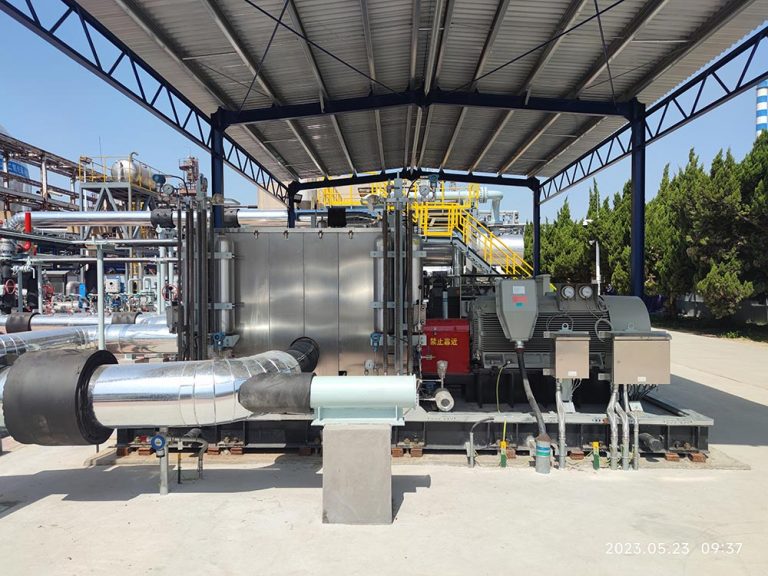
Large refineries use automatic priming systems. These systems use vacuum pumps or ejectors. The vacuum keeps the prime in place at all times. Sensors check the suction line. When the sensors see a change, the system changes speed or valve position to keep the prime steady.
Self-priming pumps have a built-in chamber. The chamber holds liquid after the pump stops. The next time the pump starts, the liquid is already there. No outside help is needed. This design fits plants that run on and off during the day.
Effects of Improper Priming on Pump Performance and System Integrity
Hydraulic Consequences of Air Entrapment
Air inside the impeller changes the way liquid moves. Efficiency falls because less liquid is moved. Cavitation risk rises because low-pressure spots form. The low-pressure spots turn liquid into vapor. The change in flow also sends vibration into the pipes.
Mechanical Implications for Equipment Longevity
Dry running heats the bearings. It also wears the mechanical seal. Each start without prime adds wear to the impeller. Over time, the time between repairs grows shorter. The MTBF number drops. The BB series pumps use deep groove ball bearings on the drive end. These bearings take radial load. The non-drive end uses back-to-back angular contact bearings. These bearings take the remaining axial load. The bearing setup helps during short upset conditions, but the bearings still need liquid to stay cool and lubricated.
Relationship Between Pump Priming and Petrochemical Process Efficiency
Influence on Process Continuity and Energy Consumption
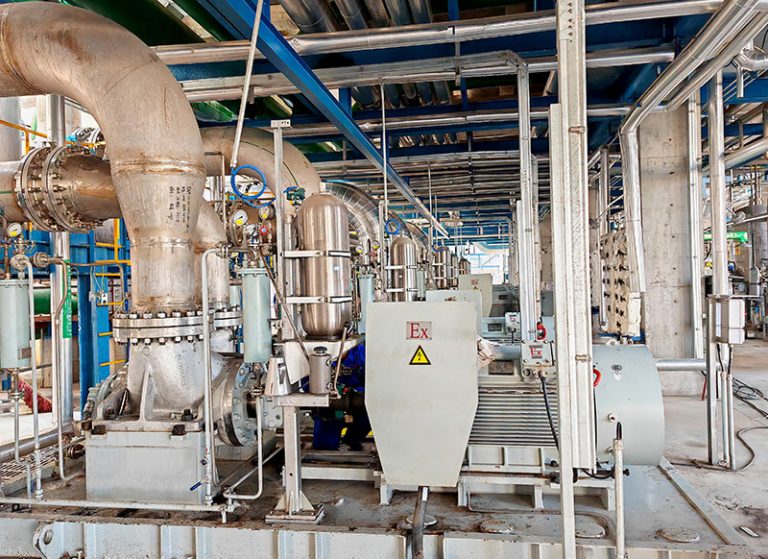
A pump that starts with prime keeps steady pressure at the discharge. The motor uses less power because cavitation is low. Steady flow helps the whole unit run without stops. In a large refining complex, this steady flow cuts total energy use.
Impact on Product Quality and Operational Safety
Steady flow stops gas bubbles from entering the liquid stream. Gas bubbles can lower product purity in reactors and polymer lines. Steady flow also stops sudden pressure spikes. Pressure spikes can stress pipe joints and raise the chance of leaks.
Integration of Advanced Pump Technologies in Refining & Chemical Processes
Smart Monitoring Systems for Priming Control
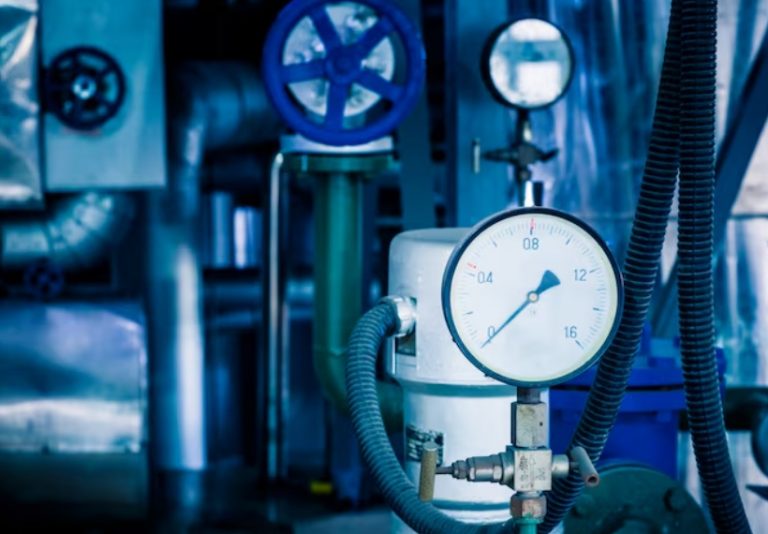
Sensors now sit on the suction line. The sensors send pressure data to a control room. Software looks at the data and predicts when prime may be lost. When the software sees a risk, it changes pump speed or opens a valve. The change keeps the pump running without a stop.
Materials and Design Innovations Supporting Efficient Operation
Longgang Pump offers pumps in standard corrosion-resistant materials. The company also offers pumps in special alloys. These alloys resist dilute sulfuric acid, hydrochloric acid, concentrated sulfuric acid, and caustic soda. One new material is super-low carbon duplex stainless steel. Pumps made from this steel last longer when the liquid is very aggressive.
Engineers use computer flow models to shape the impeller and casing. The new shapes raise the NPSH margin at startup. A higher margin lowers the chance of cavitation when suction conditions change fast.
API seal chambers are now built in modules. A module can be changed without taking the whole pump apart. The change keeps the seal tight even when load and temperature shift during the day.
Future Trends in High-End Centrifugal Pump Development for Petrochemical Integration
Digital Twin Modeling for Performance Simulation
Digital twin models copy the pump in software. Engineers test priming behavior on the screen before the pump is built. The test shows how the pump will act under different suction levels. The test also cuts the time needed to start the pump on site.
Energy-efficient Drive Systems and Variable Frequency Control Integration
Variable frequency drives let the motor run at the exact speed the process needs. When flow demand drops, the drive lowers motor speed. Lower speed cuts power use. The saving adds up over a full year of refinery operation.
Sustainability Considerations in Pump Design and Operation
New pump designs aim for lower energy use across the whole life of the machine. Recyclable materials are chosen when possible. These choices help plants meet national carbon goals. Longgang Pump works on core pump technology. The work supports the growth of domestic brands and helps the refining industry move toward lower emissions.
Longgang Pump carries the task of raising the level of national pump brands. The company keeps investing in research. It works on the hard problems that still limit pump performance. Its progress shows how local makers add to the shift toward sustainable refining in China.
Conclusion
Centrifugal pump technology keeps moving forward. New controls, stronger materials, and better hydraulic shapes all help plants run with fewer stops. Longgang Pump’s work shows how these advances fit the needs of refining projects that face high pressure and high temperature every day. The same work also supports lower energy use and longer service life.
Contact us to learn how these pumps can be matched to a specific refinery line.
FAQ
Q: What is priming of centrifugal pump?
A: Priming is the step of filling the casing with liquid before the pump runs. The step removes air so the pump can pull liquid without vapor lock.
Q: Why is proper priming essential for petrochemical applications?
A: Proper priming stops cavitation in high-pressure lines that carry volatile liquids. It also keeps discharge pressure steady so the refining process stays on target.
Q: What types of centrifugal pumps does Longgang Pump manufacture?
A: Longgang Pump makes BB series, OH series, and VS series chemical centrifugal pumps. These pumps serve petroleum, coal chemical, environmental protection, and water treatment plants.
Q: How do self-priming designs improve operational reliability?
A: Self-priming pumps keep a small amount of liquid inside after shutdown. The liquid lets the pump start again without outside help. This feature fits plants that start and stop many times each day.
Q: How does Longgang Pump enhance durability against corrosive media?
A: Longgang Pump builds pumps from special alloys. Some alloys resist dilute sulfuric acid. Others resist hydrochloric acid, concentrated sulfuric acid, and caustic soda. Super-low carbon duplex stainless steel is one of the newest choices for very strong liquids.