
Operational efficiency in petrochemical and refinery environments depends heavily on selecting the correct hydraulic architecture. The financial stakes of this choice are significant, as pump systems often account for a substantial portion of total energy consumption and maintenance expenditures in industrial plants. Understanding the technical nuances within a single-suction and double-suction pump selection process is the first step toward optimizing system reliability and long-term profitability. Engineering teams face the constant challenge of balancing capital expenditure with operational excellence. Whether a project involves high-temperature hydrocarbon processing or large-scale water circulation, the decision matrix must evaluate flow rates, Net Positive Suction Head (NPSH) requirements, and pressure limits. Longgang Pump provides a comprehensive portfolio to meet these rigorous demands, ensuring that every fluid movement aligns with the highest international standards.
What is a Single Stage Cantilever Pump (OH2) and Why is it the Industry Standard?
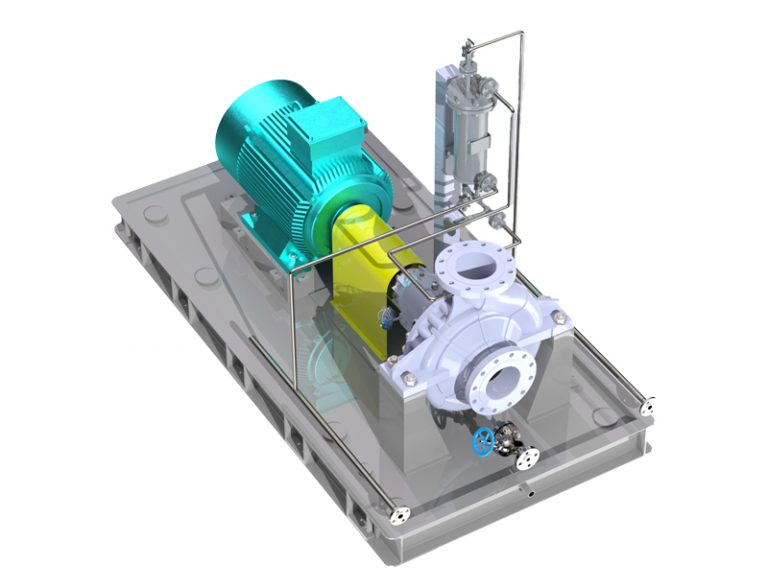
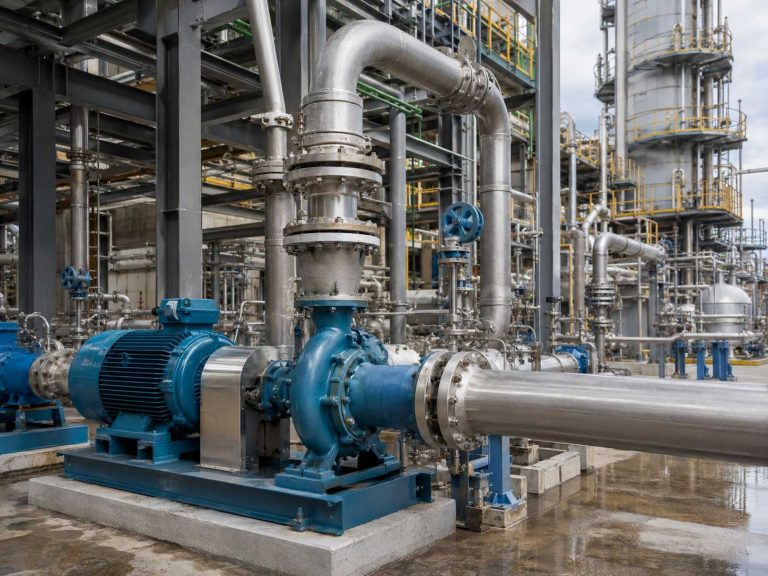
The API 610 OH2 designation, exemplified by the LZE series from Longgang Pump, represents the most widely utilized configuration in heavy-duty chemical processes. This single-stage cantilever pump features a horizontal, single-suction, radially split casing designed for extreme environments. Its architectural simplicity belies its robust performance capabilities in atmospheric and vacuum refineries, catalytic cracking, and coking units.
Center-line Support for Extreme Thermal Stability
Thermal expansion is a critical concern in high-temperature applications. The LZE model utilizes center-line mounting to ensure that the pump center remains aligned with the drive center even as temperatures reach up to +450°C. This design prevents shaft misalignment and premature bearing failure caused by thermal growth, which is a common issue in foot-mounted alternatives.
Advanced Pressure and Flow Parameters
Each single-stage cantilever pump within the Longgang Pump LZE series is engineered to handle demanding specifications. The flow rates reach up to 2600 m³/h, while heads can extend to 250 m. These units manage working pressures of up to 15 MPa and operate efficiently in a vast temperature range from -80°C to +450°C.
The Technical Face-Off: Comparing Single Suction and Double Suction Pump Performance
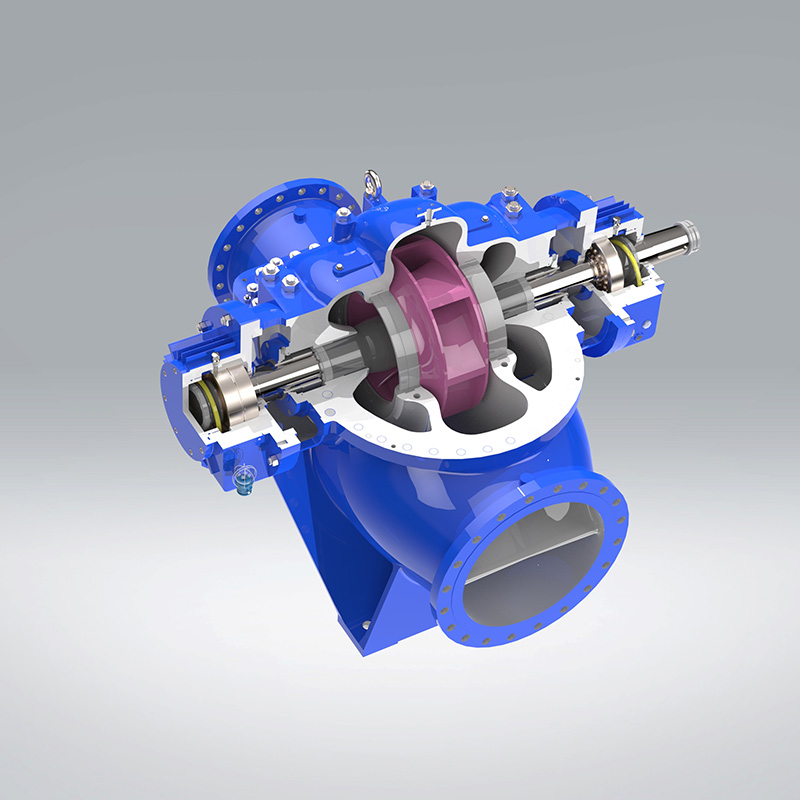
Selecting between a single suction and double suction pump involves a deep dive into hydraulic mechanics. While the OH2 series excels in high-pressure, lower-flow chemical loops, the LAD (BB1) series from Longgang Pump provides the necessary capacity for high-volume transmission.
Axial Force Balancing Mechanisms
Axial force management is a defining difference between these designs. In a single-stage cantilever pump, axial forces are typically balanced through a combination of wear rings and balance holes on the impeller. The LZE series incorporates throat bushings with equal diameters for front and rear bushings to achieve pressure equilibrium. In contrast, the double suction impeller of the LAD series (BB1) automatically balances axial forces by allowing fluid to enter from both sides of the impeller simultaneously. This inherent balance reduces the load on thrust bearings, significantly extending their service life in high-flow water supply or crude oil piping systems.
Cavitation and NPSH Considerations
Hydraulic efficiency and cavitation resistance are paramount in industrial fluid management. The double suction design usually provides for a lower NPSHR than single-suction pumps of equal capacity. This design reduces the fluid velocity on the impeller inlet by dividing the suction flow into two eyes. This ensures that no vapor bubbles are formed to cause any cavitation effect.
When to Prioritize a Single Stage Pump for High-Temperature Loops?
System complexity often correlates with maintenance difficulty. A single-stage pump is frequently the superior choice for hazardous or high-temperature media due to its compact footprint and radial split casing. The LZE series ensures leak-proof operation through high-reliability metal spiral-wound gaskets and API 682-compliant sealing systems.
Efficiency in Hazardous Environments
The pursuit of energy efficiency has led Longgang Pump to develop optimized hydraulic models. For example, the independently developed BB2 efficient centrifugal pump reaches a verified hydraulic optimum efficiency of 90.5%, which is 3.5% higher than the national first-level energy efficiency. In single-stage applications, the use of double volute structures for outlets larger than 80mm effectively balances radial forces, ensuring rotor stiffness and reducing vibration levels.
Application Case Studies from Longgang Pump
Qilu Petrochemical CCUS Project
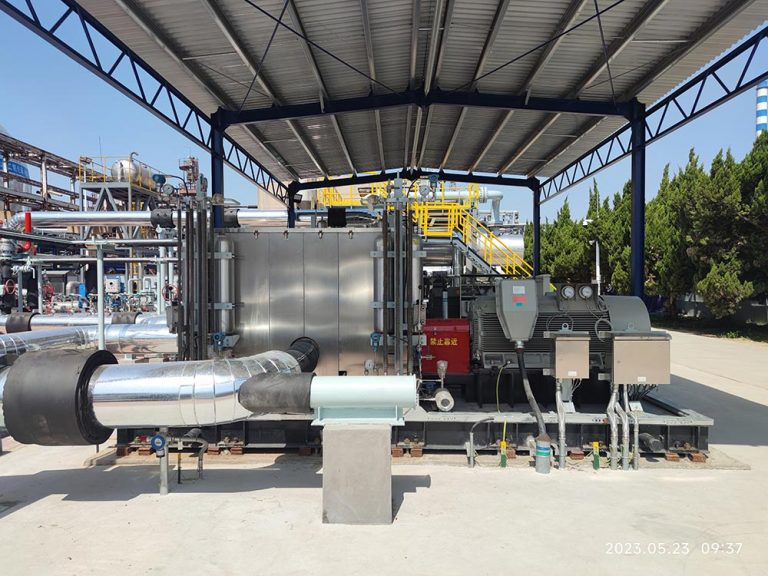
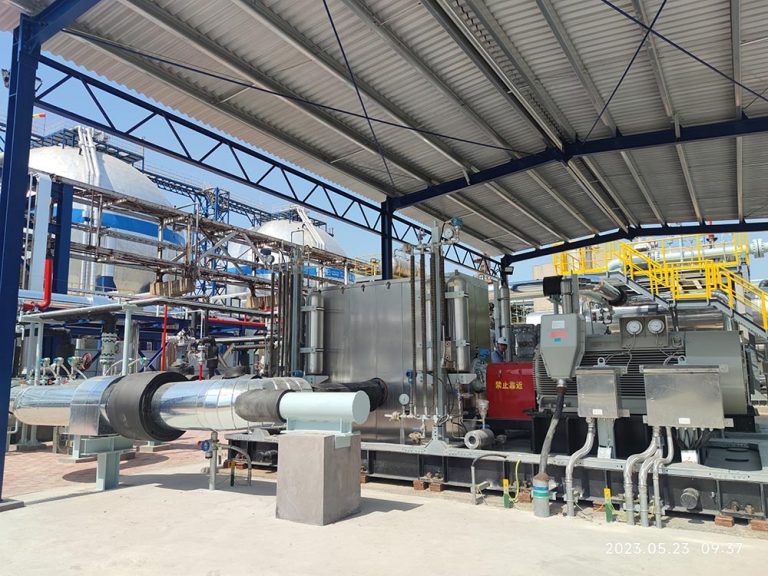
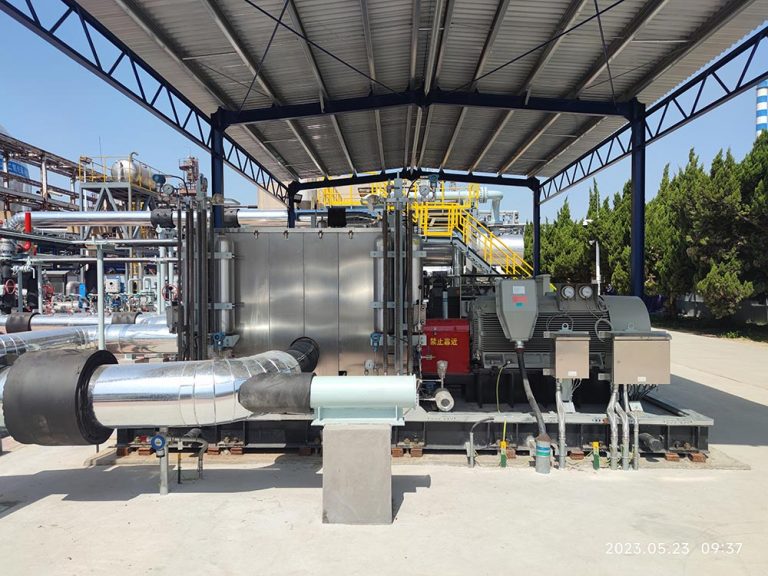
Longgang Pump successfully provided CO2 booster pumps for the “Qilu Petrochemical – Shengli Oilfield Million Tons CCUS Project”. These units handle dense-phase carbon dioxide at a pressure of 10.0 MPa, promoting long-distance transportation for geological storage. The project achieved 100% localization, replacing expensive imports and delivering performance that met all technical requirements for flow, head, and vibration. Longgang Pump overcame challenges such as low lubricity and easy gasification of liquid CO2 by developing self-balancing structures and composite drag reduction technology.
Yulong Island Refining Integration
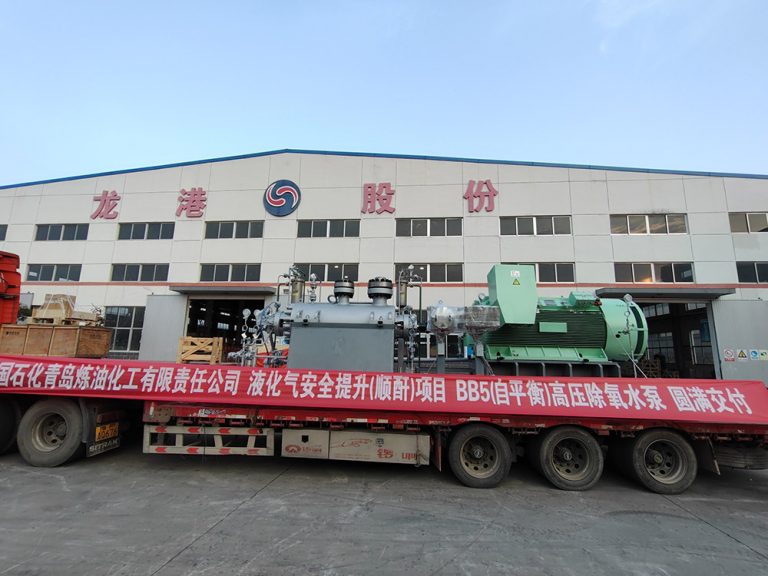
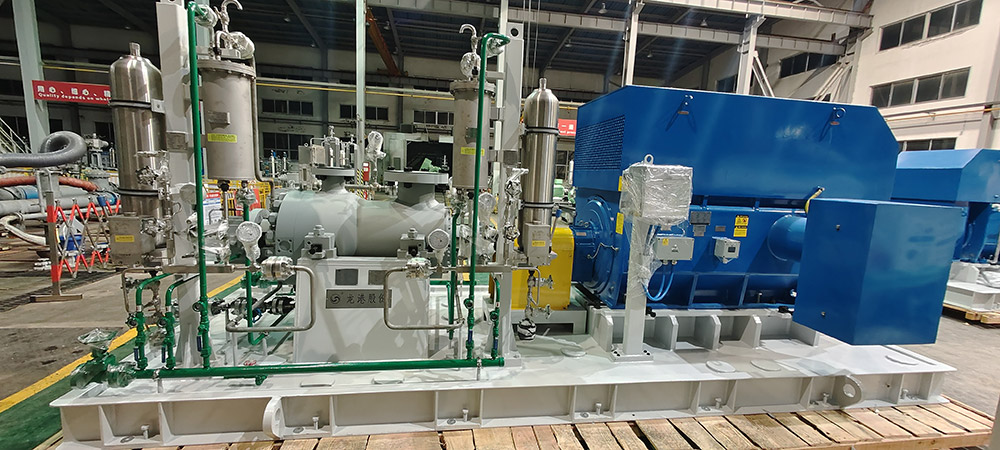
In the 2023 Yulong Island Refining and Chemical Integration Project, Longgang Pump supplied feed oil circulation pumps utilizing a specialized BB5 lined BB3 structure. These pumps are critical for transporting high-temperature hot oil, demonstrating the brand’s capability to engineer custom solutions for massive refining complexes.
Conclusion
Navigating the choice between a single-suction and double-suction pump requires a holistic view of process conditions and lifecycle costs. While the single-stage cantilever pump (OH2) remains the preferred solution for high-temperature, radially split applications in chemical processing, the axial split double-suction pump (BB1) is indispensable for high-capacity transmission. Longgang Pump continues to bridge the gap between innovation and reliability, offering API-certified equipment that powers the future of industrial fluid management.
For technical consultation on your next petrochemical or CCUS project, please contact us.
FAQ
Q: What is the maximum operating temperature for a Longgang Pump LZE series Single Stage Cantilever Pump?
A: The LZE series (OH2) is specifically designed to withstand extreme thermal conditions. Utilizing a center-supported structure to accommodate thermal expansion, this single stage cantilever pump can operate efficiently within a temperature range of -80°C to +450°C.
Q: How does the axial force balance differ in a single suction and double suction pump from Longgang Pump?
A: In a single-suction and double-suction pump comparison, the primary difference lies in the impeller design. Longgang Pump single-suction models (OH2) use wear rings and balance holes to equalize pressure, whereas double-suction models (BB1) use a dual-entry impeller that naturally balances axial forces by drawing fluid from both sides.
Q: Can a Longgang Pump Single Stage Pump handle high-pressure carbon dioxide transportation?
A: While a single-stage pump is often used for standard process loops, complex projects like the Qilu Petrochemical CCUS project require specialized high-pressure configurations. Longgang Pump developed localized booster pumps capable of handling CO2 at pressures up to 10.0 MPa, incorporating self-balancing structures and composite drag reduction technologies.
Q: What are the maintenance benefits of the Longgang Pump back pull-out design?
A: The back pull-out design featured in the single-stage cantilever pump (LZE and LZA series) allows for the removal of the entire suspension component—including the impeller, bearings, and seal—without disturbing the suction or discharge pipework. This significantly reduces the time and labor required for routine inspection and mechanical seal replacement.