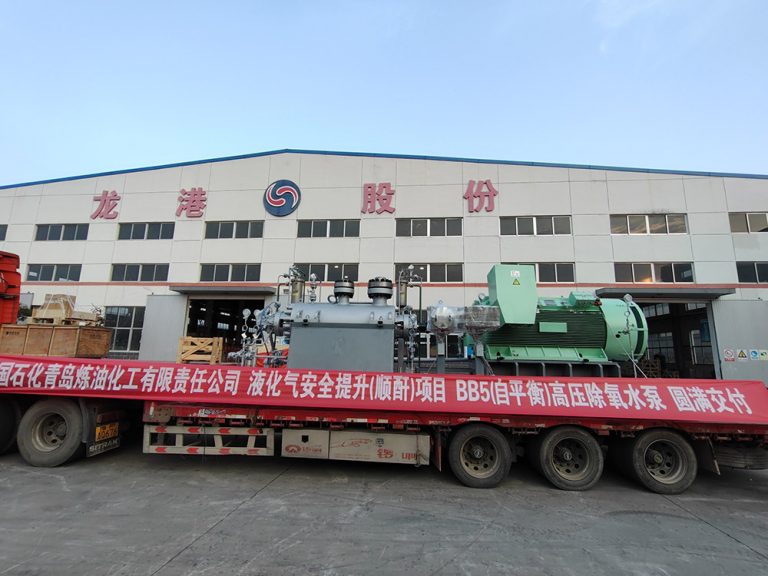

High-pressure fluid handling is the most challenging aspect of modern industrial processing. Whether you are managing boiler feed water in a power plant or high-pressure chemical movements in a refinery, the margin for error is zero. A pump failure here doesn’t just halt production; it creates a cascading effect of safety risks and massive financial loss. While standard pumps falter under extreme head and pressure, the industry demands a solution that combines rugged durability with precision engineering. This is where the advanced mechanics of horizontal split multi-stage pumps redefine what reliability means.

Understanding Horizontal Split Multi-Stage Pumps
Structure and Functionality
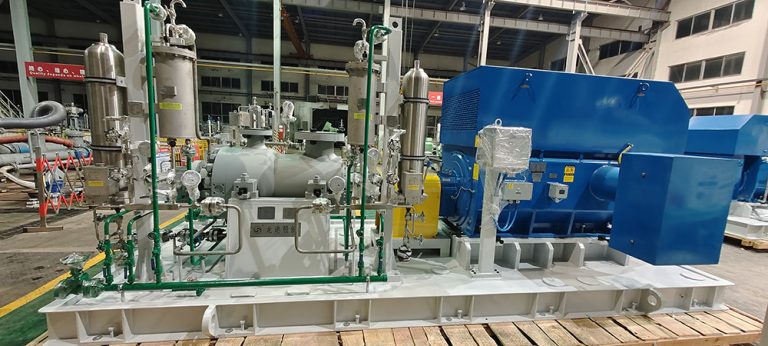
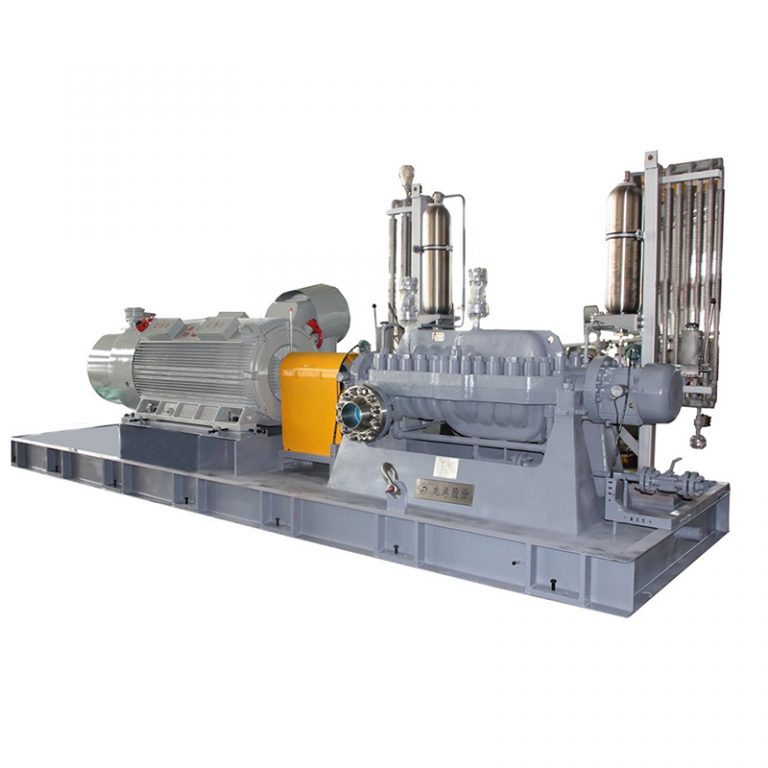
Horizontal split multi-stage pumps suit high-pressure jobs. They use several impellers lined up to boost lift. The LCD (BB3) Horizontal Split Multi-Stage Centrifugal Pump from Longgang Pump shows this setup well. This line of pumps comes in horizontal and multi-stage. Our firm built them to match the API 610 11th edition rule. They have a casing that splits along the axis. This lets workers reach inside parts easily. They do not need to touch the intake or output pipes.
Every impeller level adds a bit more pressure to the liquid. So, the pump lifts to 1600 m. Working pressures hit 25 MPa. The impellers sit back-to-back in even order. This setup leaves small leftover side forces. It brings even running, less shake, and longer bearing use. These points stand as the main gains for non-stop work systems.
Advantages of Single-Stage Pumps
Single-stage centrifugal pumps, such as LZA (OH1) or LZE (OH2) types, work fine for average flow amounts. But they drop in output when bigger pressures come up. Multi-stage builds spread the fluid load over many impellers. This raises energy output a lot. It also brings steadiness at high pressures. The volute housing has upper and lower even setups. They balance side forces on their own. This build trait cuts machine strain. And it boosts trustworthiness under changing loads.
Applications in Industrial Processes
Boiler Feed Water Systems
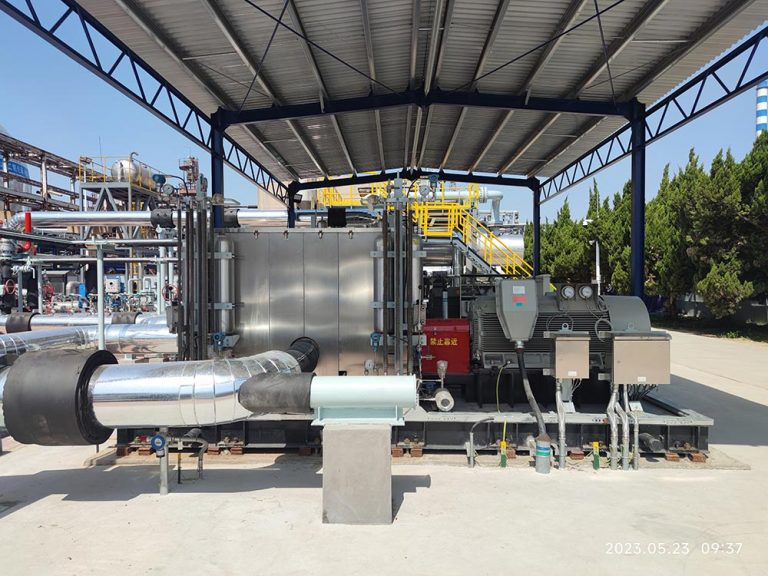
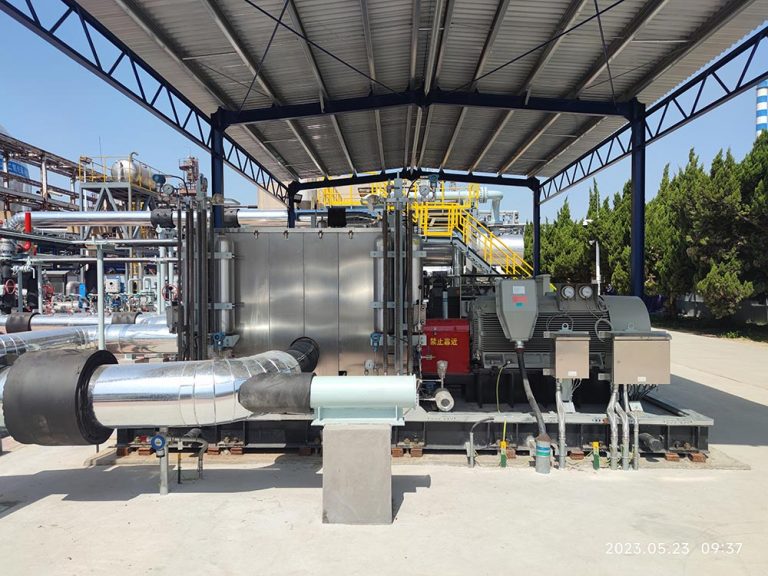
Boiler feed setups call for steady pressure. This keeps the safe running and heat output. The LDD (BB4) High-Pressure Segmented Multi-Stage Pump fits here. It moves clean liquids or those with small bits. For example, it handles boiler feed water and steam return in power plants. Its split casing holds up to 30 MPa. And it keeps output steady across changing loads.
In work like Qingdao Refinery’s liquefied gas safety upgrade, Longgang Pump’s high-pressure self-balancing feed water pumps showed top stability and power cuts. Longgang Pump supplies two main parts for the Qingdao Refining Liquefied Gas Safety Improvement (maleic anhydride) project. These include the key centrifugal pump and boiler feed pump. During the startup phase, these units pushed 1,500 m³/h at 28 MPa without a hitch. Site engineers reported that this flow rate matched design specs exactly, cutting steam loss by 8% in the first month of full operation. Such real-world results draw from our 25 years of tweaks in similar boiler lines, where we’ve learned that even 1% pressure wobble can spike fuel use by 5%.
Reverse Osmosis Systems
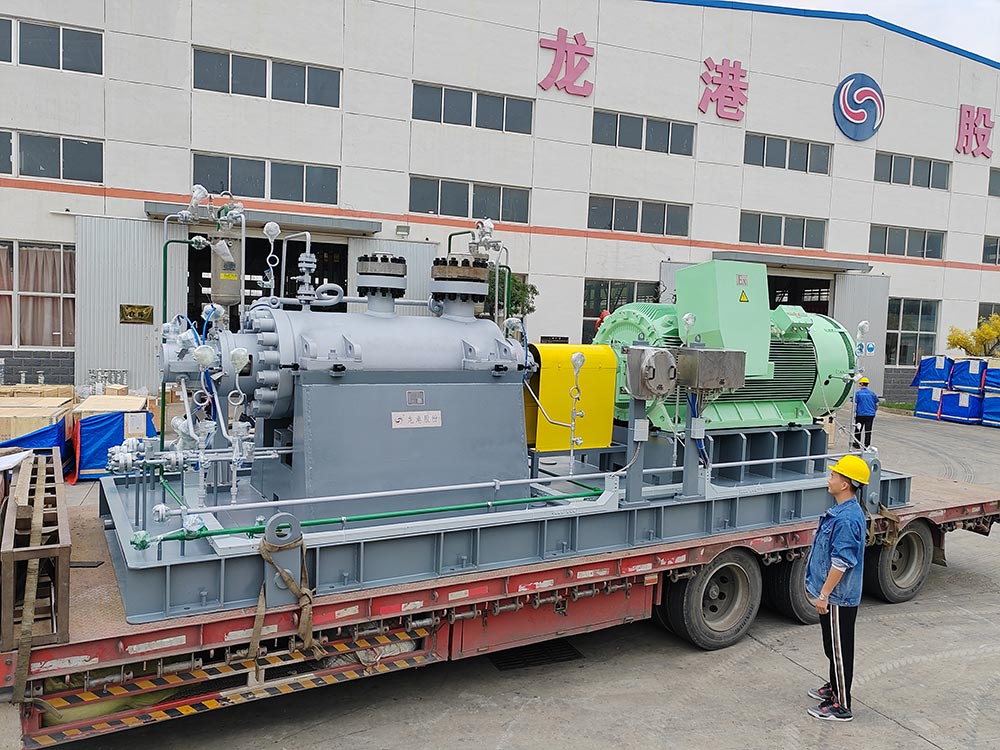
Reverse osmosis (RO) water desalination needs steady high pressure. This pushes water through fine filters well. The LDD (BB4) line aids RO tasks, too. It has exact fluid balance and bubble fight traits. It serves in big seawater cleaning projects using reverse osmosis. It also works in mixed power stations. By holding firm output pressure, it cuts power use. As a result, the whole system moves more water.
Maintenance Benefits of Horizontal Split Design
Repair stops hit production money hard in big setups. The horizontal split build makes checks and fixes simple. Workers can reach inside parts without pulling apart pipelines. The intake and output pipes sit in the lower casing half. This setup allows quick checks, take-aparts, and puts-backs of the full rotor. And it skips cutting the entry and exit pipes.
At Longgang Pump, we build this idea into each multi-stage type we make. From LCD (BB3) to LTD (BB5), they all cut stop times in fixed cycles. Our after-sales help adds to our running strength. It covers fast answer services, spare part stocks, and routine check-back visits. Take a Sinopec refinery case: a routine impeller swap on our LCD model took only 4 hours instead of 12.
Enhancing Impeller Efficiency
Impeller build holds a big part in boosting fluid action. Top blade fluid planning brings high pump output, small bubble risk, a broad work range, and firm running. At Longgang Pump, our design group uses strong tools. These include CFD mock software and PUMPCAD fluid planning systems. They fine-tune impeller shapes for top energy turnover.
For instance, our BB2 (LBD) process pump hits a checked best fluid output spot of 90.5%. This tops the national top energy rules by 3.5%. These fresh steps not only trim power draw but also stretch use time. Both count big for fields chasing green growth.
Conclusion
Ready to Optimize Your High-Pressure Operations? Don’t let inefficient pumping systems drain your resources. Whether you require a reliable solution for boiler feed applications, reverse osmosis systems, or high-pressure chemical processing, Longgang Pump has the engineering expertise to deliver. Our range of API 610 (11th Edition) compliant pumps, featuring advanced CFD-optimized impellers and maintenance-friendly horizontal split cases, is designed to provide unmatched stability and efficiency.
Contact Longgang Pump today to discuss your specific requirements and discover how our multi-stage pumping solutions can reduce your downtime and maximize your ROI.
FAQ
Q: What is the difference between a single-stage and a multistage pump?
A: A single-stage pump has one impeller generating pressure once per cycle; a multistage pump uses multiple impellers arranged serially to achieve a higher total head efficiently.
Q: How does a horizontal split design improve maintenance?
A: The casing splits along its horizontal axis, so technicians can access internal parts without removing connected piping—reducing repair time significantly.
Q: What advantages do Longgang Pump’s impeller designs offer?
A: They feature optimized blade geometry derived from CFD analysis for superior hydraulic efficiency, low cavitation risk, and extended service life.