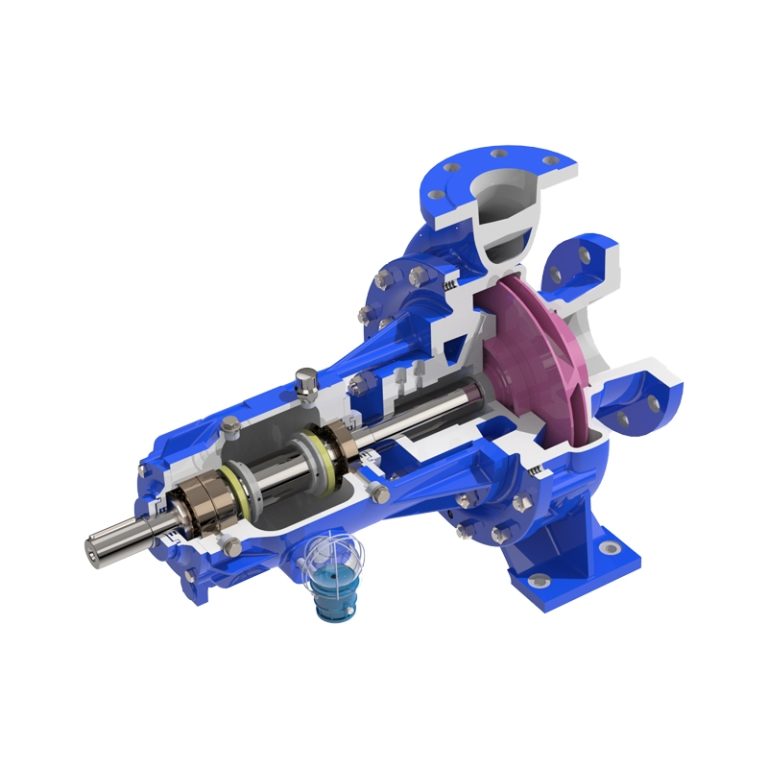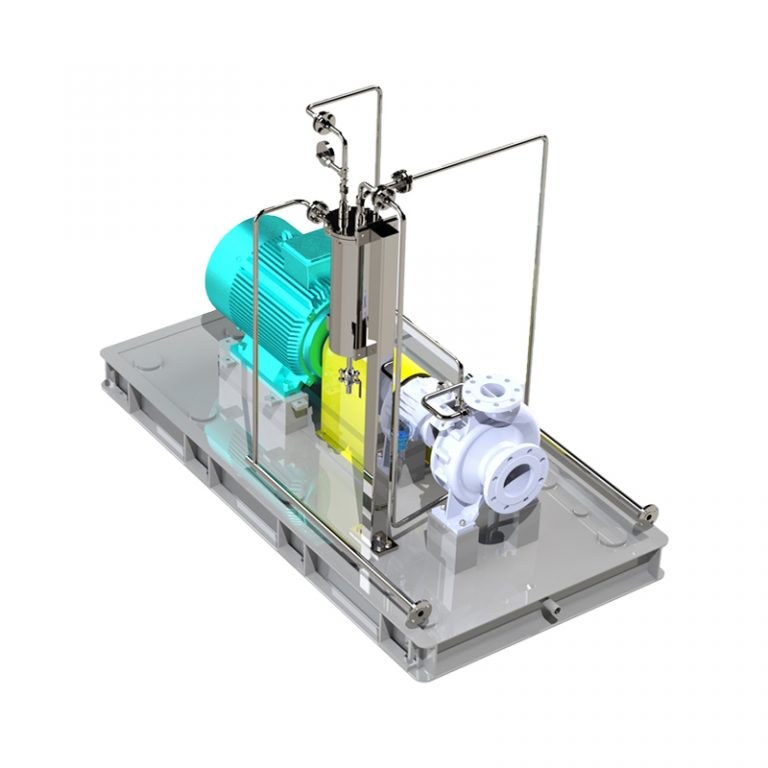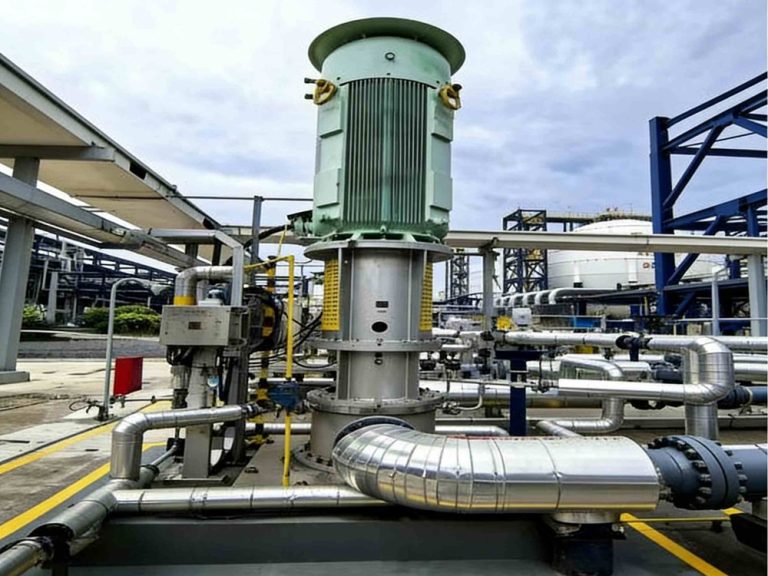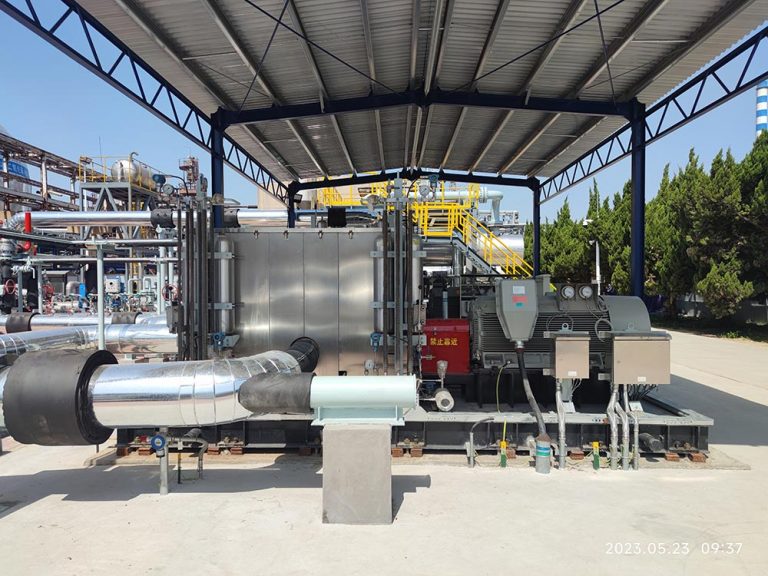
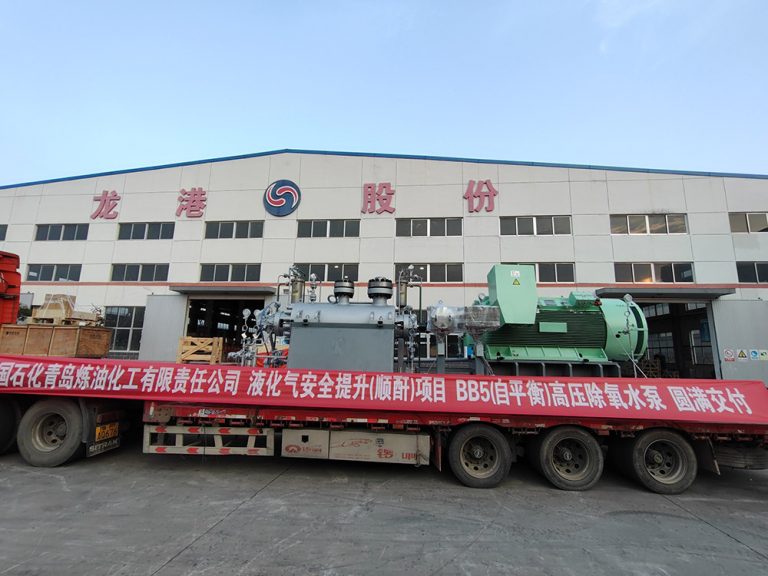

A BB5 pump handles demanding high-pressure process tasks. In these jobs, a multistage rotor, a barrel casing, and a controlled axial-force setup work together. They create a stronger mechanical base compared to a basic overhung or single-casing pump. Common uses involve refinery hydrocarbon transfer, high-pressure water injection, and boiler feed. Other services also rely on this equipment. For these roles, engineers must look closely at pressure containment and suction behavior. They must also consider rotor stability and maintenance planning at the same time. Longgang Pump’s LTD(BB5) double-shell multistage centrifugal pump is built specifically for these tough, application-driven conditions.
Discharge pressure alone does not dictate the final choice. Many factors decide if a barrel pump offers the correct mechanical safety margin. These factors include fluid properties, temperature, and available NPSH. Operating range, sealing needs, site utilities, and maintenance access also play major roles.
Why a BB5 Pump Fits High-Pressure Process Duty
Barrel Casing for Pressure Containment
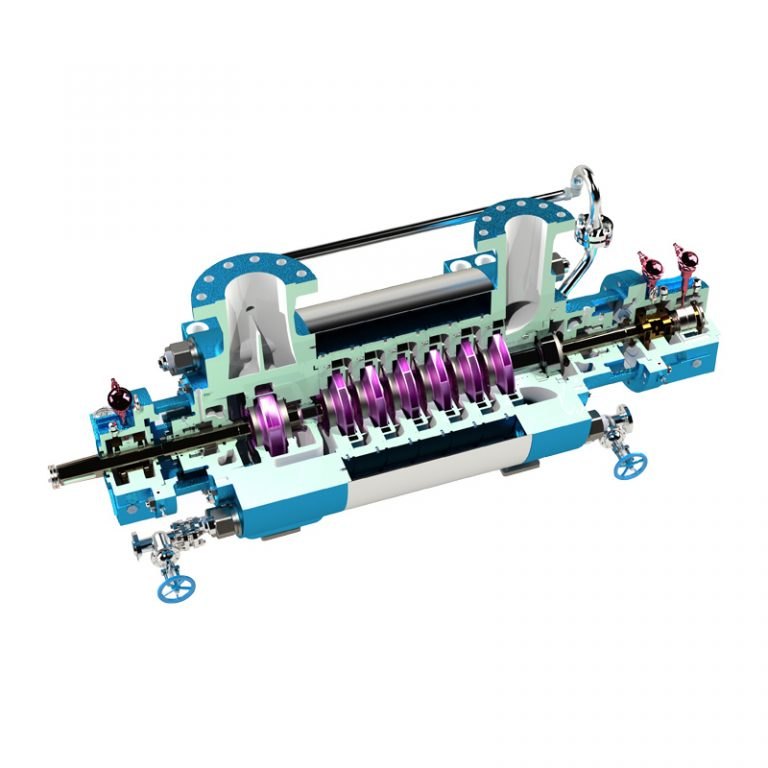
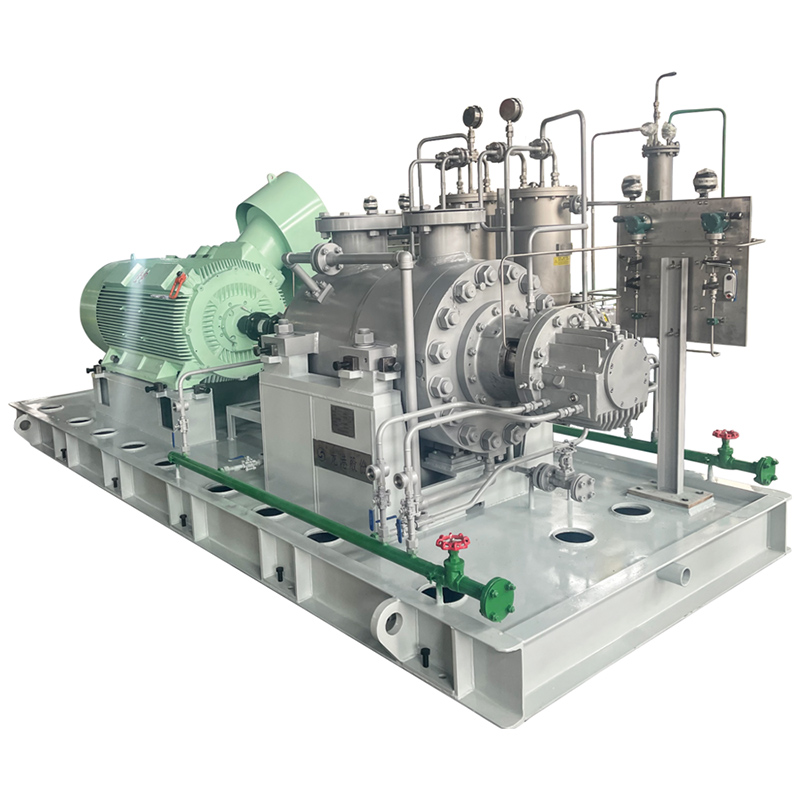
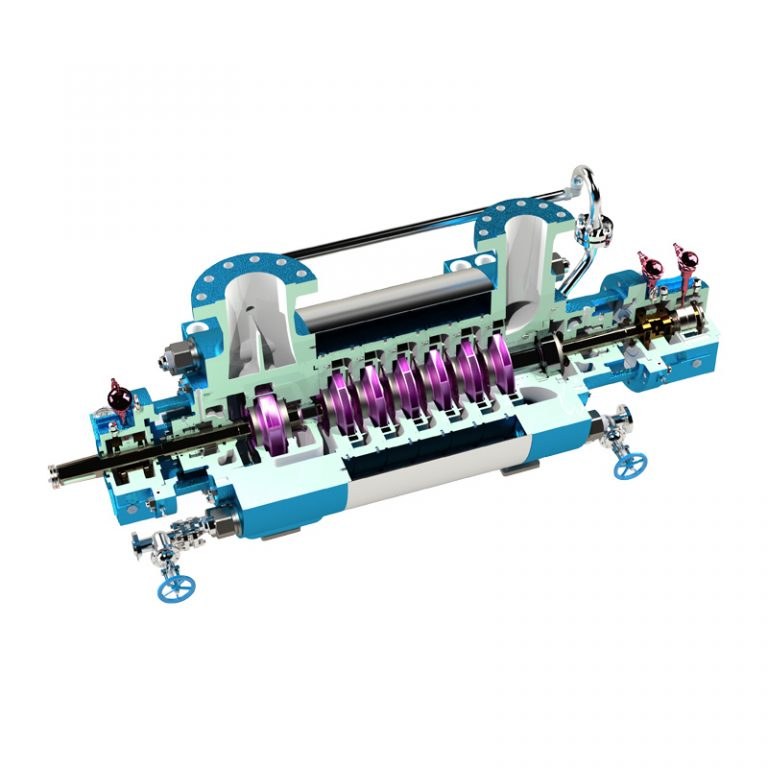
The LTD(BB5) relies on a horizontal, radially split, multistage, double-casing layout. Within this build, the outer barrel acts as the main pressure boundary. Meanwhile, the inner hydraulic unit holds the staged impellers and fluid passages. This setup becomes highly valuable under extreme conditions. It is used when discharge pressure, inlet pressure, or temperature levels climb too high. It also helps when process risks go beyond the safe limits of a lighter single-casing design.
Longgang Pump places the suction nozzle at the barrel end. The discharge nozzle sits on top of the barrel. However, other nozzle angles are available to match different piping layouts. Workers can pull out the internal parts as one complete unit if the site has enough room. They can do this without unbolting the main suction and discharge pipes. This clear maintenance path heavily cuts down the amount of nearby pipework disturbed during routine checks.
Opposed Impellers and Rotor Stability
The impellers sit in a back-to-back layout. Because of this, axial forces push against each other along the multistage train. The exact sizes of the stage parts help control any leftover axial force. At the same time, the diffuser shape and a stiff shaft ensure smooth running during tough tasks. This specific layout proves very useful for generating high head. It achieves this goal without putting all the hydraulic stress in just one direction.
However, rotor behavior still relies heavily on the actual operating point. Several factors can alter hydraulic forces and vibration levels. These include minimum flow limits, fluid density shifts, and trapped gas. Startup events and sudden pressure spikes also cause changes. Therefore, a BB5 pump always needs a thorough system-level review.
Where BB5 Pump Applications Deliver Value
Refinery and Petrochemical Transfer
Refinery and petrochemical plants frequently mix high pressure with hot, volatile, or costly fluids. The LTD(BB5) application range covers many of these liquids. Examples include liquefied petroleum gas, gasoline, diesel, and natural gas condensate. It also handles LNG-related transport along with other petroleum or chemical tasks. The pump features a strong barrel casing and a multistage hydraulic path. It also uses a project-specific seal setup. These traits make the design perfect for critical transfer duties. In these roles, proper fluid containment and steady running carry huge process impacts.
The equipment choice must match the exact fluid makeup, not just a broad hydrocarbon name. Many details shape the stage design, materials, sealing, and safety margin. These details include vapor pressure, dissolved gas, solid particles, and corrosive elements. Temperature swings and minimum suction pressure also play a big part.
Offshore Water Injection and Oil Export
Offshore platforms typically require high head while being restricted in space. Longgang Pump identifies several important applications of LTD(BB5) on such platforms. The applications of the pump include seawater injection, oil export, and gas-rich fluid transfer. In such offshore applications, the pump system should withstand an extreme chloride environment and should be able to conform to the deck utility requirements and heavy loads on the piping. Additionally, engineers need to consider lubrication and vibration limitations as well as developing an effective maintenance program due to the restricted physical access.
Seawater injection requires good corrosion resistance properties that will extend to all the pump parts, not only to the casing and impeller. It will include shafting, wear parts, fasteners, sealing, and additional piping. In cases of oil export or gas-rich fluids, suction margin and vapor behavior will become crucial too. A high discharge head will not compensate for poor or unstable inflow.
Boiler Feed and High-Pressure Chemical Service
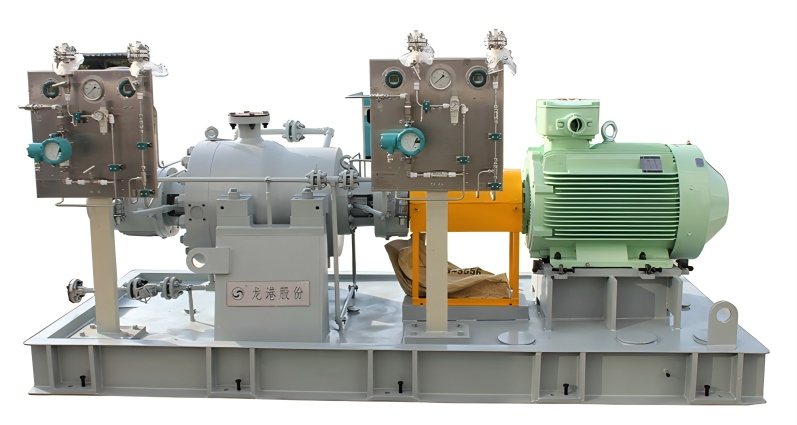
The product application list also features boiler feed tasks for power generation. This includes high-pressure thermal power and combined-cycle roles. On the chemical side, uses involve ammonia, methanol, refining, and gasification systems. These industrial systems create very different demands. They affect temperature control, stage loading, and minimum-flow protection. Seal utilities and startup steps also change based on the process. This happens even if the needed discharge head looks exactly the same on paper.
A high-pressure multistage pump needs to stay close to its planned hydraulic zone. Running the machine at low flow for long periods causes problems. It can boost internal recirculation, heat, vibration, and mechanical stress. Because of this, smart system controls and minimum-flow bypass lines form a vital part of the complete setup.
Selecting a BB5 Pump by System Conditions
Hydraulic and Suction Conditions
A comprehensive pump duty description will include information about minimum, normal, and maximum flows, total differential head, suction pressure, and vapor pressure. In addition, the duty description will provide information about the NPSH available, fluid density, fluid viscosity, and control plan. In addition, the plant staff should pay attention to parallel operations, recycle, and start-up procedures. Seasonal process changes are of critical importance as well. Such parameters as mentioned above may result in a pump moving far away from the safe operational region.
Special attention should be paid to the low suction margin. It is especially important in case of hot hydrocarbon, hot condensate, and harsh offshore services. The engineer should analyze the design of the first stage along with suction piping losses and inlet transients. At the same time, it is necessary to evaluate the level of the source vessel. Thick barrel design makes it possible to deal with the high-pressure conditions. However, it does not exclude the necessity of stable inlet flow conditions.
Process Fluid and Maintenance Strategy
The exact fluid composition will determine the material, sealing arrangement, and auxiliaries that need to be considered. There are several challenges posed by corrosive chemicals, severe chlorides, solids, dissolved gases, crystallizing potential, and temperature shock. These conditions affect different components of the pump in different ways. It is for this reason that the technical evaluation of the pump must be thorough. The components of the pump to be evaluated include the casing, diffusers, impellers, and shafting. Sleeves, wear rings, gaskets, fasteners, seals, and auxiliary piping must be reviewed as a single unit.
A good maintenance strategy must provide the layout of the internal component removal space. This includes the layout of the overhead lift path, access to bearings, and access to seals. Lubrication service locations and isolation valves around the pump are critical. Physical accessibility is one of the common reasons for prolonged, avoidable downtime of the pump.
Why Longgang Pump Supports Application-Driven Selection
Longgang Pump builds overhung, between-bearing, and vertically suspended centrifugal pump families. These units serve petroleum, chemical, power, water, and various other industrial sectors. The wide Longgang Pump API and non-API pump portfolio gives engineers many choices. It allows them to compare the heavy BB5 barrel build with BB4, BB3, BB2, OH, and VS options. This prevents them from treating high pressure as the only real selection rule.
Conclusão
A BB5 pump delivers real value when high head and harsh process conditions exist. These tough jobs clearly require much more than a standard, basic multistage layout. The machine features a thick barrel casing and an opposed impeller setup. It also offers a removable internal assembly, flexible seals, varied bearing choices, and a wide material range. These traits heavily support refinery, chemical, offshore, and boiler feed tasks. In these plants, safe pressure containment and steady daily operation must always be evaluated together.
The safest equipment selection always begins with the full operating envelope. It then moves carefully through the materials, sealing, lubrication, controls, and maintenance access. Explore Longgang Pump service capabilities for demanding process projects.
FAQ
Q: What is a BB5 pump commonly used for?
A: A BB5 pump frequently handles high-pressure multistage tasks. Typical jobs include refinery hydrocarbon transfer, high-volume seawater injection, oil export, and boiler feed. It also manages select chemical-process flows. This robust design proves most useful when specific site factors demand it. These factors include the main pressure boundary, the required head, and local suction behavior. Rotor stability and strict fluid containment needs also help justify the cost of a double-casing barrel frame.
Q: How does a BB5 pump differ from a BB4 pump?
A: A BB5 pump relies on a heavy double-casing barrel layout. In contrast, a BB4 pump normally uses a lighter single-casing segmented multistage frame. Both machines can generate very high head. However, the outer barrel design creates a much different pressure boundary and a unique maintenance path. The final engineering choice depends heavily on the system pressure and temperature. Fluid hazard levels, suction conditions, and overall project rules also guide the decision.
Q: Is every high-pressure service suitable for a BB5 pump?
A: No. Some industrial duties are actually better served by BB3, BB4, BB2, OH, or vertical pump styles. A BB5 pump becomes the right choice only when the complete hydraulic and mechanical conditions truly require a barrel build. Many variables remain highly decisive. These include the flow range, required head, inlet pressure, and available NPSH. Fluid temperature, chemical composition, the daily operating profile, and physical maintenance access also drive the final selection.