
Challenges in Transferring Aggressive Media
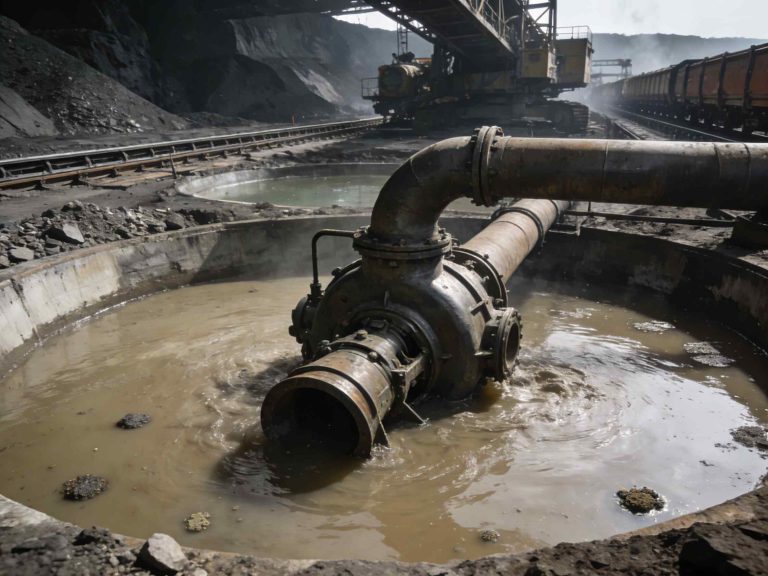
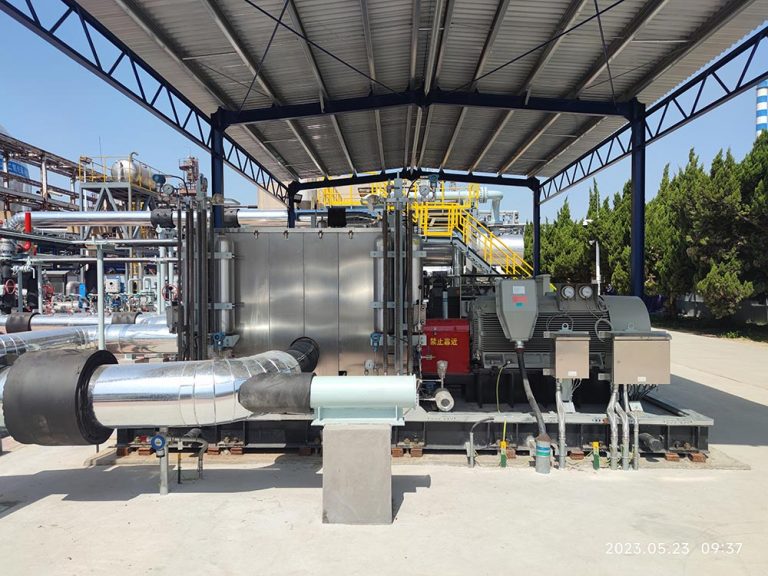
Moving aggressive or corrosive fluids like corrosive acids, abrasive, high-solids slurries, and chemicals that form crystals brings specific problems in daily operations. These materials wear out standard pump parts much faster. Seals on the shaft, bearings, and inner walls break down rapidly from chemical damage or physical grinding. When crystals build up near seals and shafts, they cause jams and drips. Standard pumps thus suffer regular breakdowns. This results in unexpected stops and higher repair bills.
The Role of Pump Design in Maintenance
The way a pump is built matters a lot in handling these problems. Most issues in centrifugal pumps come from weak spots in the sealing setup and bearing support. Changing these parts with better materials or shapes can cut down failures a great deal. Cantilever-style pumps stand out as a strong option for dealing with tough media. They skip the lower bearing and limit parts that touch the liquid. As a result, these pumps make repairs easier and last longer.
Understanding the OH1 Cantilever Design
Key Features of Longgang Pump’s OH1 Model
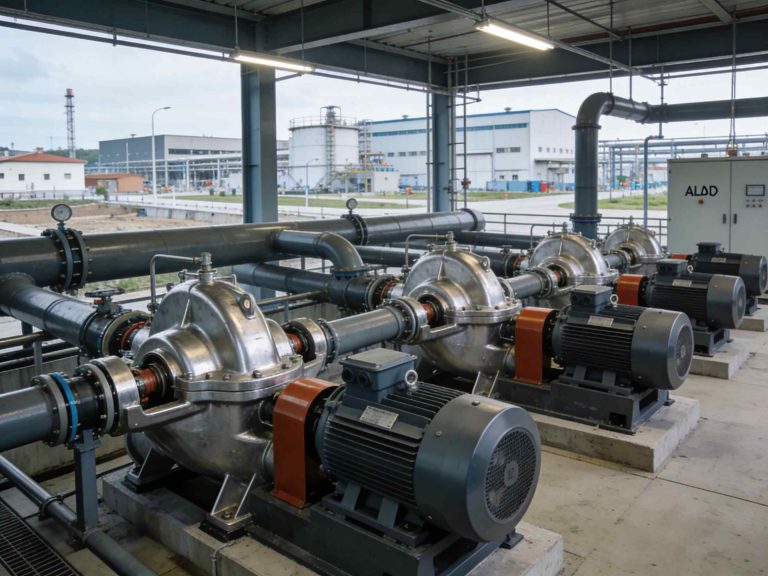
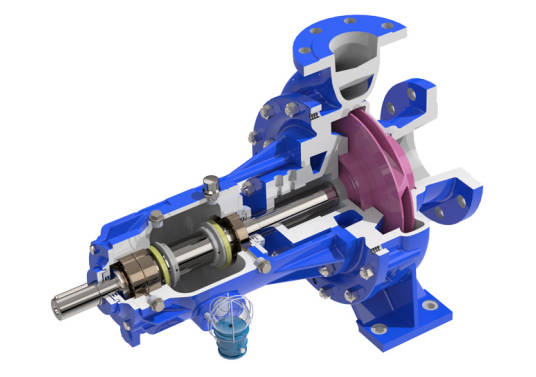
Longgang Pump provides a solid answer for managing aggressive or corrosive fluids with our LZA(OH1)-Single Stage Cantilever Centrifugal Pump. The LZA series single-stage cantilever pump follows the API 610 / ISO 13709 OH1 configuration. It uses a foot-mounted, single-stage overhung setup that removes the need for lower bearings or shaft seals in wet conditions. The pump features a high-stiffness overhung shaft design compliant with API 610 requirements. Also, the stiffness index of the shaft deflection criteria comply with API 610 11th Edition, Annex K requirements. This strong shaft setup keeps things aligned well and cuts down shaking while running. Plus, the direct motor coupling makes setup and matching simpler. It fits well in tough industrial settings.
How Cantilever Design Reduces Wear Points
The cantilever setup cuts down on spots where parts rub against harsh liquids. It gets rid of the lower bearing and keeps all support above the liquid level. So, the LZA(OH1) mitigates common failure mechanisms like erosion and leaks. Wear-resistant rings sit on both sides of the impeller. Impeller balance holes are incorporated to reduce axial thrust and equalize pressure across the impeller. This approach not only stops liquid from reaching key parts but also lowers side loads on bearings. In turn, that makes bearings last much longer.
Common Failures in Traditional Pumps
Shaft Seal Failures in Harsh Environments
In usual pump setups, mechanical shaft seals fail most often. They wear out fast when facing corrosive or grinding liquids. Particles in slurries scratch the seal surfaces. Meanwhile, chemicals that crystallize block those same surfaces. Such issues lead to drips that harm safety and steady work.
Bearing Failures Due to Contaminants or Misalignment
Lower bearings that sit in the process liquid pick up dirt and fail too soon. On top of that, if the motor and pump shaft don’t line up right, extra side forces speed up bearing damage. Cantilever pumps like the LZA(OH1) focus support at the upper end instead. This keeps them away from direct liquid contact.
Maintenance Advantages of Longgang Pump’s OH1 Model
Simplifying Routine Inspections and Repairs
Easy reach forms a big part of why the LZA(OH1) appeals to users. Its back-pull-out build lets staff look at or swap impellers and shafts without messing with pipe links. The bearings use an oil ring lubrication setup. Users can pick a bearing isolate type seal or a labyrinth seal as needed. All this smooths out repair steps and lowers overall costs over time.
Extending Service Life Through Fewer Failure Points
By skipping old weak spots such as lower bearings and tricky seals, the LZA(OH1) cuts down on the ways it can break over its full run. With fewer moving pieces touching liquids, it matches the current best ways to maintain pumps. This means longer gaps between fixes. In practice, plants using this model often see Mean time between overhauls (MTBO) can reach up to 10,000 hours in similar petrochemical applications, drawing from years of industry use in petrochemical sites.
Comparison With Conventional Centrifugal Pumps
Structural Differences That Impact Reliability
The cantilever overhung build differs from standard designs with bearings at both ends. This change shifts stress from sensitive areas. Also, the seal cavity size follows API682 4th “Centrifugal Pump and Rotary Pump Shaft Seal System”. Different sealing, flushing, and cooling options can be added. That gives choices based on the exact work site.
Long-Term Cost Efficiency Analysis
Due to its simple build, the LZA(OH1) needs fewer backup parts and less regular work. This drops storage costs and worker time in the long run. It’s a smart pick for businesses aiming for smooth operations.
Real-world Fluid Transfer Scenarios Using OH1 Pumps
Transferring Crystallizing Acids in Petrochemical Lines
Petrochemical sites often struggle with moving sulfuric acid or hydrochloric acid amid changing heat levels. It serves mainly in atmospheric and vacuum refinery, catalytic cracking, coking equipment, and the petrochemical industry. The LZA(OH1) stops crystals from forming near moving parts thanks to its open cantilever layout. Flow stays steady without blocks.
Handling Abrasive Fluids in Mineral Processing
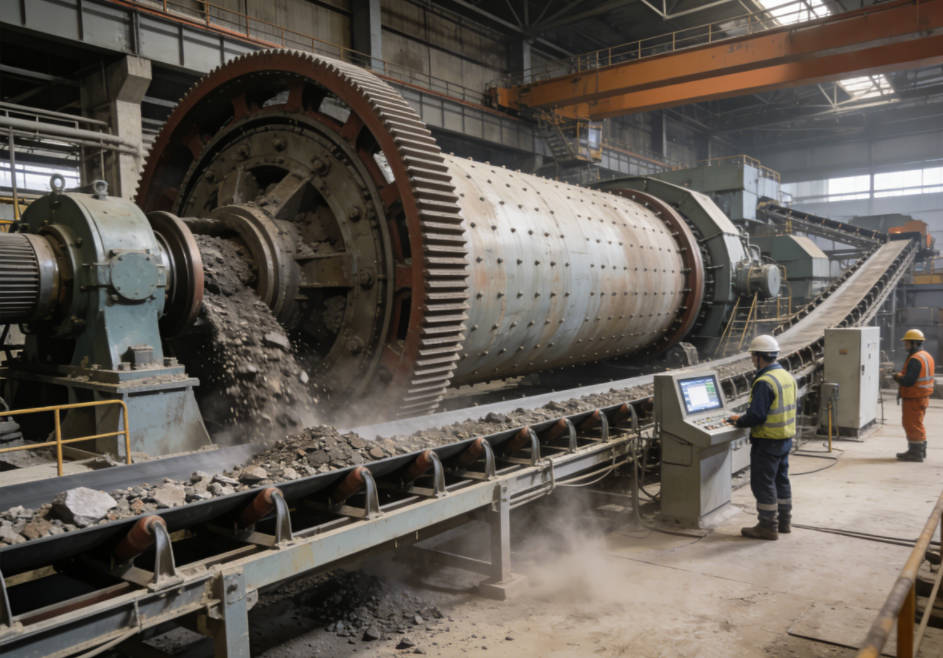
In mineral work where slurries appear often, grinding remains a key worry. The LZA(OH1) handles this by pulling weak bearings out of liquid paths. Thus, it reduces surprise halts from inside part breakdowns.
Best Practices for Operating OH1 Pumps
Installation Guidelines for Optimal Performance
To get steady long-term work, level baseplates exactly to prevent shaft mismatch. Design pipe routes to avoid extra strain at inlet and outlet spots. This supports easy starts and runs.
Monitoring Techniques for Predictive Maintenance
Unlike pumps that rely on seals and need constant leak checks, OH1 setups gain more from checking vibrations and motor-end heat. Set repair plans by total run hours rather than seal state. This boosts planning and steady operation. Teams often use tools like vibration sensors that alert at 0.5 mm/s peaks, helping spot issues early in power plant applications.
Conclusion: Enhancing Reliability Through Smart Design
The LZA(OH1)-Single Stage Cantilever Centrifugal Pump proves a key fix for fields facing tough liquid moves. It needs fewer fixes and offers top reliability with little care. Longgang Pump keeps supplying strong centrifugal pump options in petroleum, petrochemical, coal chemical, power generation, and environmental areas. We back clients with tough gear and quick tech help.
FAQ
Q: What makes the OH1 cantilever design better for harsh fluids?
A: The cantilever OH1 design eliminates liquid-immersed lower bearings, while the shaft seal is installed above the liquid level, significantly reducing seal exposure to aggressive media.
Q: Can the OH1 be used in crystallizing media applications?
A: Yes, its open cantilever structure prevents crystal formation around moving parts, ensuring smoother operation.
Q: What industries benefit most from using Longgang Pump’s OH1?
A: Chemical processing, mining, petrochemical, and other sectors dealing with aggressive or particulate-laden fluids find the OH1 particularly effective.
Q: Is the OH1 suitable for retrofitting existing systems?
A: In many cases, yes; its compact single-stage design allows integration into existing layouts with minimal modification.