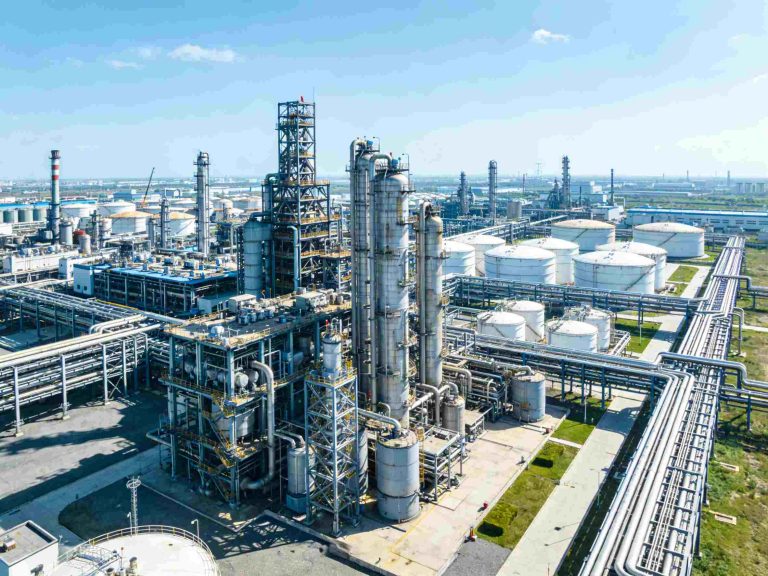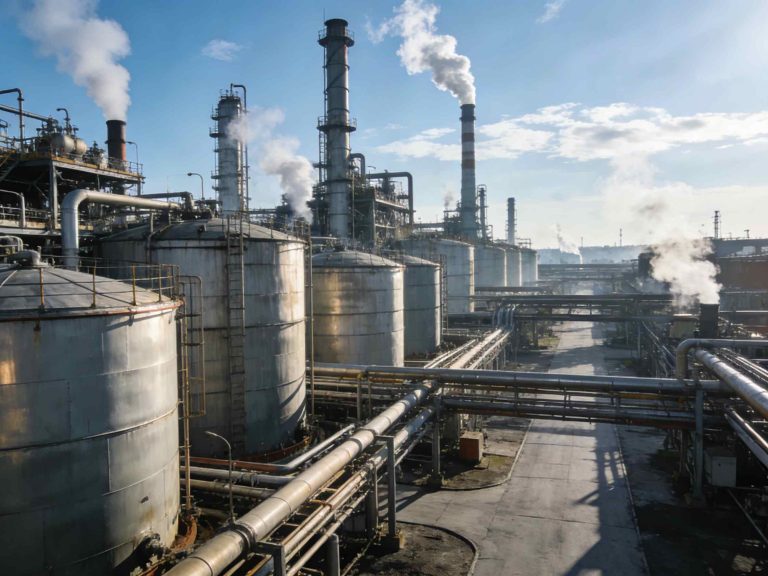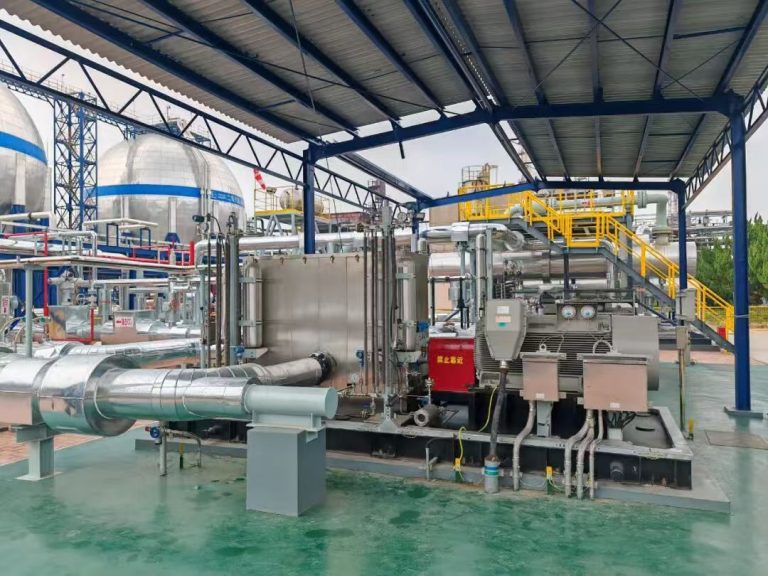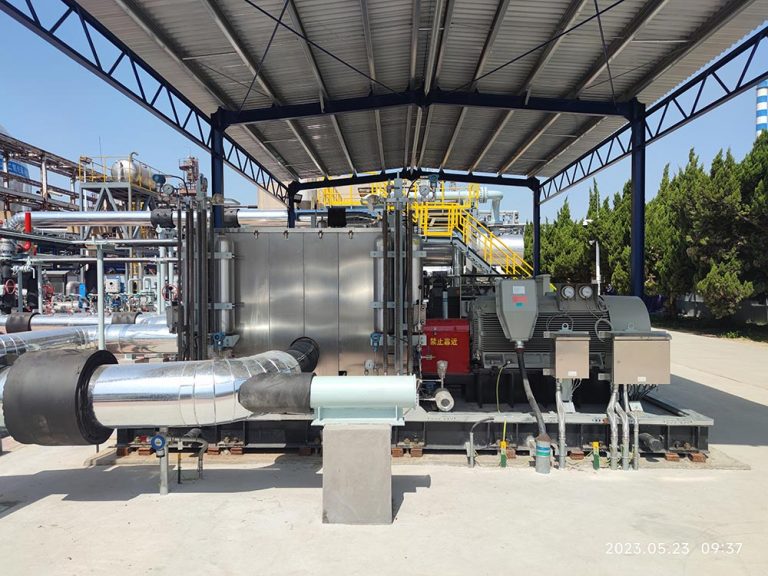
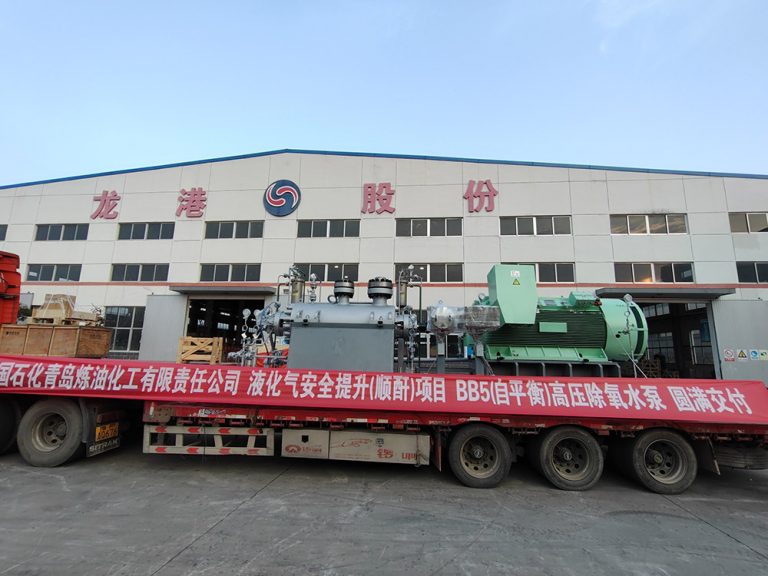

In the tough settings of petroleum, petrochemicals, and big water treatment plants, the pumping system forms the core of operations. Picking the correct hydraulic setup shapes not just the starting costs but also the ongoing dependability and power expenses of a site.
At Longgang Pump, we know that a uniform approach does not work in critical engineering tasks. This guide seeks to address a typical challenge for engineers: deciding when to use a single-stage cantilever centrifugal pump (OH1) and when a multi-stage centrifugal pump becomes essential.
Comparing Single-Stage and Multistage Pump Architectures
The basic distinction between these two types centers on pressure creation. Grasping these design details marks the initial move toward sound selection.
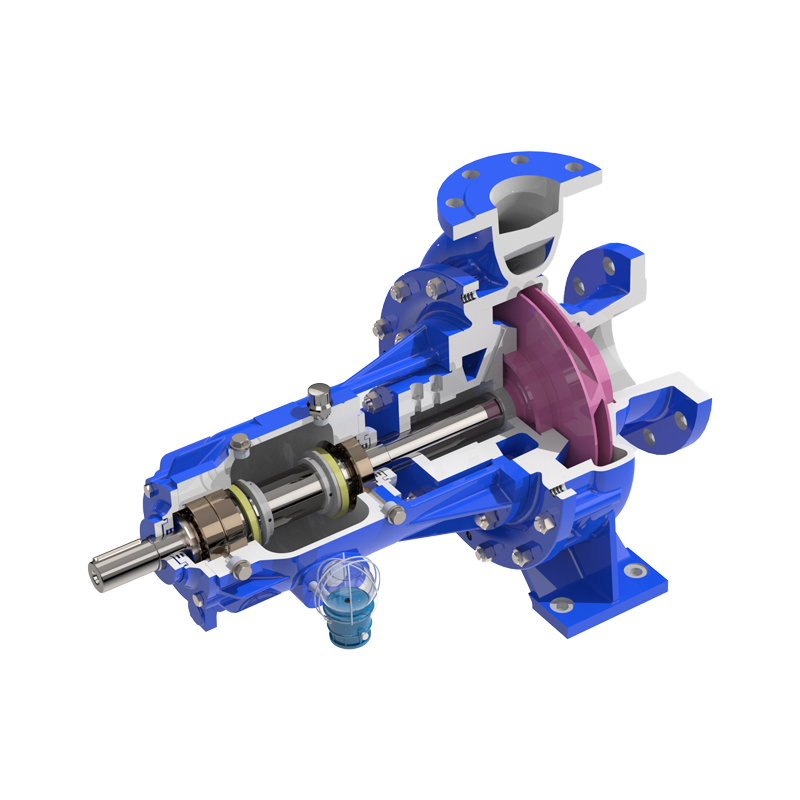
Design of LZA(OH1)-Single Stage Cantilever Centrifugal Pump
Our LZA(OH1)-Single Stage Cantilever Centrifugal Pump stands out for its straightforward build and durability in average-duty tasks. “Cantilever” means the impeller sits on a shaft end backed by bearings on just one side. This setup offers a small space requirement, and it allows quick entry to the inside parts. At Longgang Pump, the LZA(OH1) line follows API 610 rules. Thus, the single impeller manages large flow volumes while holding up against heat and physical strain.
Complexity of Multi-stage Centrifugal Pump Configurations
On the other hand, our multi-stage models, including the LCD (BB3)-Horizontal Split Multi-Stage Centrifugal Pump or the LDD (BB4)-High Pressure Segmented Multi-Stage Centrifugal Pump, feature several impellers set in a row. Each stage boosts fluid pressure step by step. Although this setup handles much greater total heads, it adds mechanical challenges, such as inner interstage bushings, balance disks, or drums to control axial thrust. For very high-pressure jobs, we offer the LTD (BB5)-Double Shell Multi-Stage Centrifugal Pump, which uses a barrel-style casing to contain extreme pressures.
Optimal Centrifugal Pump for Crude Oil Transfer
A common discussion in oil and gas concerns the centrifugal pump for crude oil transfer, especially in early processing or collection, where the oil holds unwanted bits.
Handling Solids and Impurities in Pre-treatment Stages
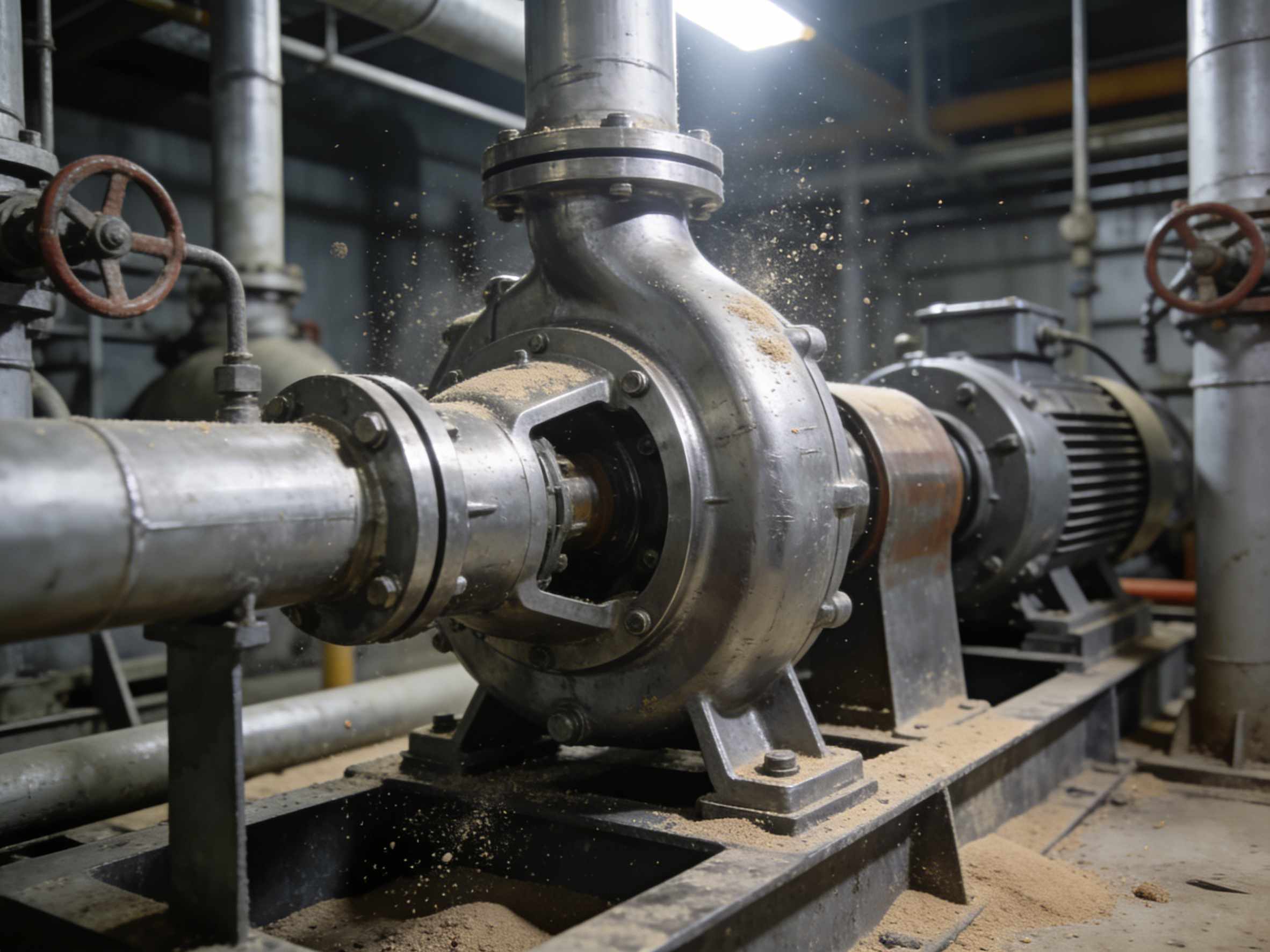
Raw crude oil frequently includes sand, mud, and rough grains. Here, the impeller efficiency in a multi-stage pump drops quickly as wear rings between stages break down. Our LZA(OH1)-Single Stage Cantilever Centrifugal Pump features wide inside spaces and strong materials that tolerate such particles well. The cantilever style cuts down on parts touching the rough fluid, which boosts the time between breakdowns.
Why LZA OH1 excels in medium head duties
If the needed head stays within a single stage’s limit—often up to 250-300 meters based on the model—the LZA (OH1) proves more cost-effective and steady. We witnessed this in the Yulong Island Refining and Chemical Integration Project, where our pumps managed hot oil at 200°C and tricky fluids with solid performance.
Maximizing Operational Impeller Efficiency
At Longgang Pump, efficiency means real results from engineering work. Our team of almost 70 in research and development focuses on improving flow paths with tools like CFD analysis.
Hydraulic Optimization in Longgang Pump OH1 Series
The impeller efficiency in our LZA(OH1) series receives careful attention to cut power use. Even as a single-stage type, its flow design matches our top BB models. Take our LBD (BB2)-Radial Dissection Chemical Process Centrifugal Pump, which hit a tested peak efficiency of 90.5%. That beats the national top energy standard by 3.5%. We use similar methods in the LZA (OH1) range, helping clients reduce running expenses throughout the pump’s life.
Energy Consumption Patterns Across Different Stages
Many think that more stages mean superior output. But if a multi-stage centrifugal pump runs away from its Best Efficiency Point, its performance can fall well below a properly fitted LZA (OH1). Picking the LZA (OH1) for mid-level heads lets operators hit closer to top efficiency, often yielding better power savings.
Strategic Selection Guide for Industrial Operators
For the right pick, consider your full process needs.
Assessing Fluid Cleanliness and Process Reliability
If the liquid seems dirty or might hold solids—as seen in water handling or crude pre-processing—start with the LZA(OH1)-Single Stage Cantilever Centrifugal Pump. It resists blockages, and its simple upkeep makes it reliable in tough spots.
Balancing Initial Investment with Lifetime Service Costs
The upfront price of an LZA (OH1) sits below that of a multi-stage match, but true gains come from lower repair needs and fewer spare parts. At Longgang Pump, we back it with a 12- or 18-month warranty plus ongoing support. Our 24-hour fixes and site checks keep your setup active, no matter the pump.
Conclusion
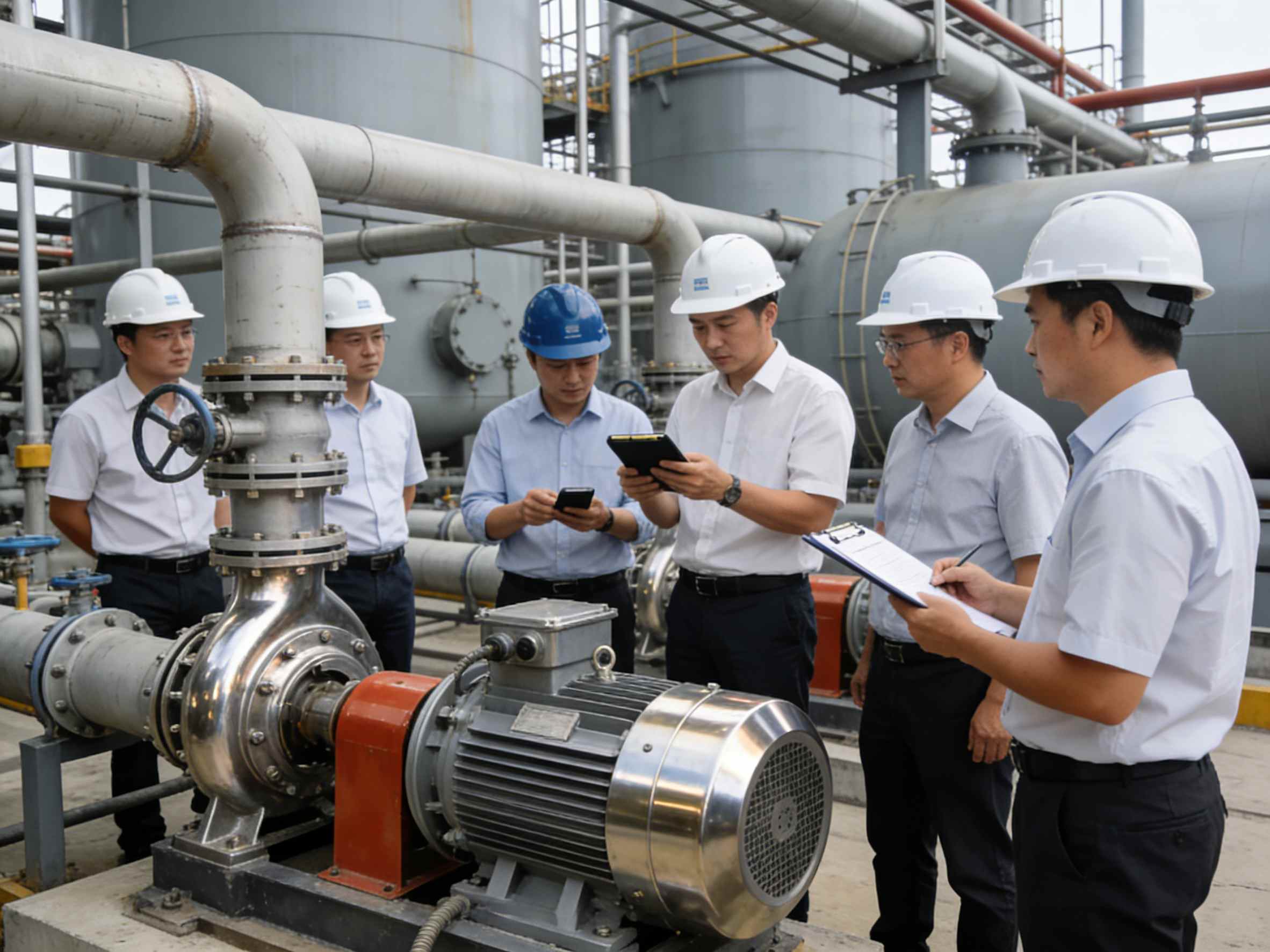
Deciding between a single-stage cantilever and a multi-stage type weighs pressure needs, fluid traits, and maintenance approaches. The LZA(OH1)-Single Stage Cantilever Centrifugal Pump shines in mid-head tasks where steadiness and simple care matter most.
If you plan a refinery update or new treatment facility, our experts stand ready to guide your pump choice for long-term gains. Contact Longgang Pump now for our complete API 610 pumps and get a tailored quote for your project.
FAQ
Q: What is the main difference between single-stage and multistage pumps?
A: The core difference is impeller count. A single-stage pump like the LZA(OH1) uses one impeller for moderate pressures. A multistage pump like the LCD (BB3) employs several stages to hit high discharge levels.
Q: When should I use a single-stage centrifugal pump over a multistage one?
A: Opt for a single-stage when the head fits its range, usually up to 300 m. Do this especially if solids or dirt in the fluid might harm the close spaces in a multistage unit.
Q: What are the disadvantages of multi-stage centrifugal pumps?
A: Key downsides are greater mechanical detail, more upkeep demands, steeper starting costs, and higher risk from solids or dirty fluids that speed up inside wear or cause blocks.
Q: How does impeller efficiency impact pump selection?
A: Impeller efficiency shapes power draw and costs. Choosing a pump that runs near its Best Efficiency Point, like a fitting LZA(OH1), cuts energy needs for the task.