
At the very center of each centrifugal pump sits one vital part that shapes its output more than anything else: the impeller. Often termed the “core” of the pump, this turning force drives energy from the engine to the liquid. It builds the movement and force required for many factory routines. The fine details of its build—from the bend of its blades to its full width—mark the gap between a capable, steady device and one that wastes extra power and breaks down early.
As a main producer of tough centrifugal pump answers for the globe’s toughest sectors, Longgang grasps that exact crafting begins with the impeller. This piece will explore how certain impeller builds affect pump output and why selecting a pump with the correct impeller for your task is key to running success.
The Impeller: The Engine of a Centrifugal Pump
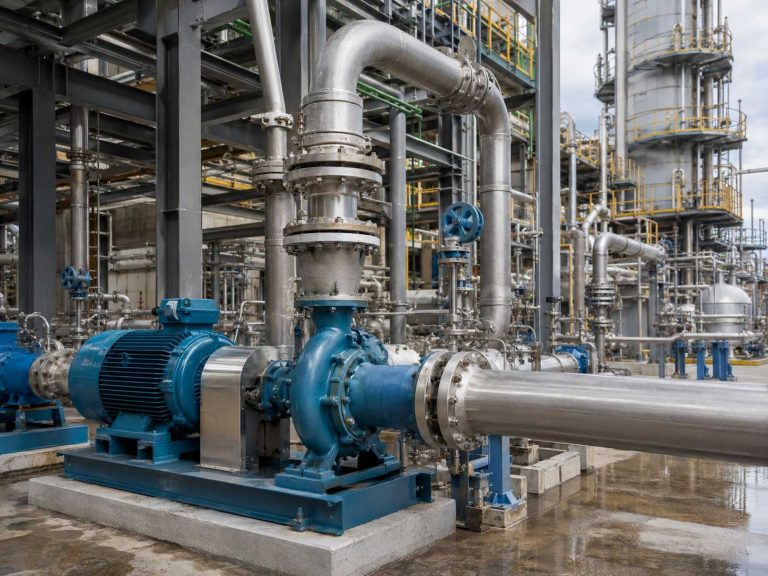
Before looking at build differences, it helps to grasp the impeller’s basic role. As the impeller turns, its bent blades catch the liquid coming in at its middle (the eye). Then, they speed it outward via centrifugal push. This speedup gives high speed (kinetic energy) to the liquid. When the liquid leaves the impeller and goes into the pump housing (volute), this high speed changes into high force (potential energy). The form, scale, and build of the impeller manage this whole energy shift process. As a result, they directly shape the pump’s flow amount, the force it can build (head), and its total output.
Exploring Key Impeller Designs and Their Applications
Impellers fall into three chief kinds, each crafted for certain liquid states and output traits.
Closed Impellers: The Standard for Efficiency
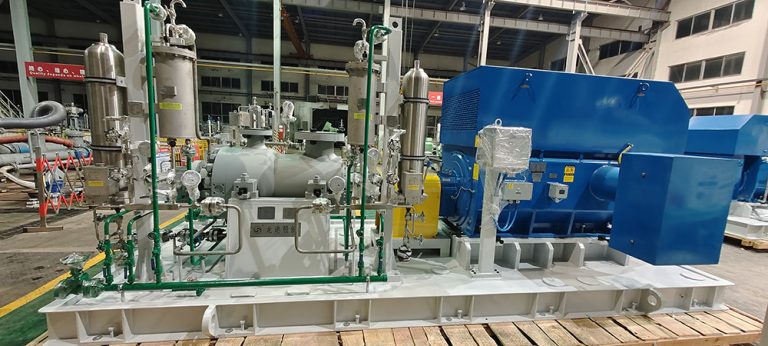
A closed impeller has blades wrapped between two covers (a front and back sheet). This build proves quite capable since it cuts down on liquid looping and leads the fluid evenly through the pump. It serves as the best pick for pumping pure or lightly dirty liquids. Thus, it stands as the usual for most uses in the petrochemical, chemical, and coal chemical fields. Longgang’s strong pumps, such as the LZE(OH2) Single Stage Cantilever Centrifugal Pump and our multi-stage series, employ finely crafted closed impellers. These boost output and steadiness in crucial duties.
Open and Semi-Open Impellers: Handling Solids
Open impellers feature blades fixed to a middle core with no covers, while semi-open impellers include one cover. These builds make broader paths, so they excel at managing liquids with floating bits, thick mixes, or stringy items without blocking. Although they show less capability than closed impellers, their sturdy, block-free quality is vital in particular tasks like waste liquid handling or wood pulp work.
Double Suction Impellers: Minimizing Axial Thrust
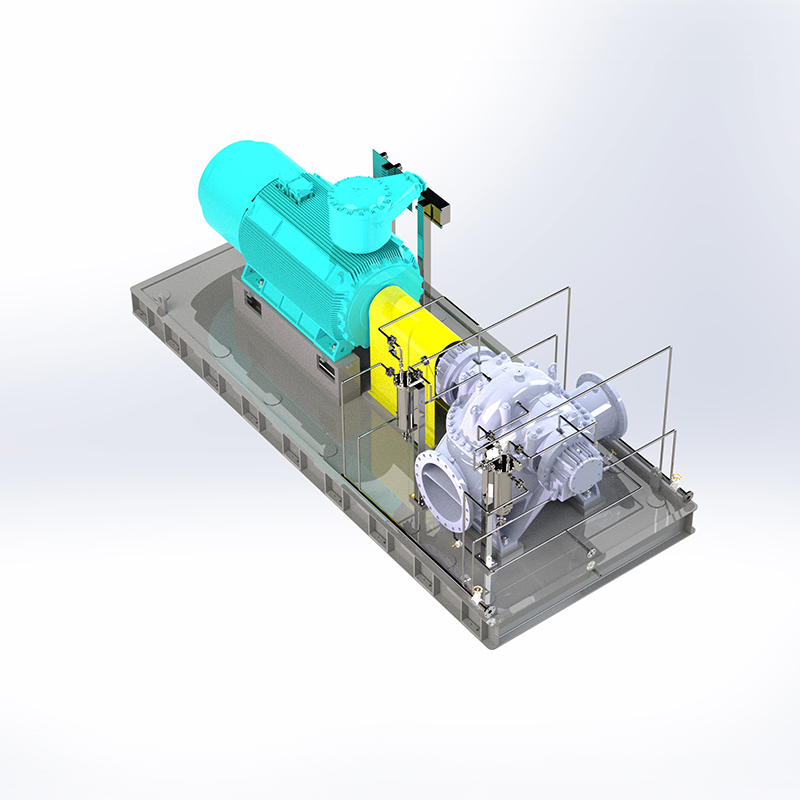
A double-suction impeller basically joins two single-suction impellers back-to-back in one mold. Liquid enters from both sides of the impeller eye at the same time. This smart build balances the side push forces created during running. The outcome is a very firm pump with less strain on the supports. This leads to extended use time and better steadiness. This build marks a key trait of the Longgang LAD(BB1)-Axial Split Double Suction Centrifugal Pump. It makes the pump perfect for high-movement water shift and other tasks where firmness and lasting strength count most.
Beyond Type: How Specific Design Features Dictate Performance
The effect of the impeller build extends well beyond its simple kind. The skilled technicians at Longgang, backed by a team of almost 70 R&D members, carefully weigh several other factors. They do this to fine-tune a pump for its planned role.
Vane Curvature and Angle
The form and slant of the blades set the link between the pump’s flow amount and the head it makes. Varied bends can form sharp or level output lines. This lets a pump get adjusted to setups with changing needs versus those with steady running spots.
Impeller Diameter
The outer width of the impeller links directly to the head that the pump can create. A bigger width adds more energy to the liquid, leading to greater force. For this reason, pumps often come with varied impeller “cuts” (widths). These match exactly the head needs of a certain setup, improving power use.
Application is Everything: The Longgang Approach to Impeller Selection
The real check of the impeller build is its output in actual settings. As an approved provider to sector heads like CNPC, Sinopec, and CNOOC, Longgang holds a tested history of crafting pumps for the hardest spots.
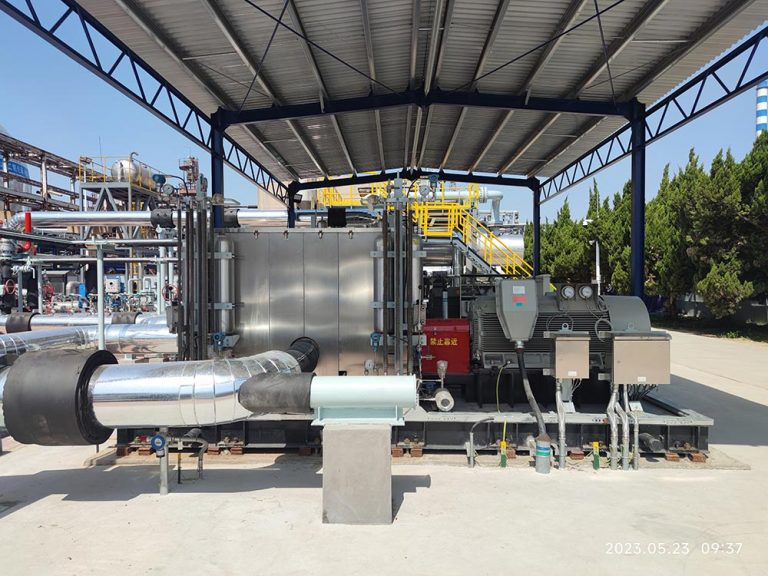
• For Extreme High-Pressure Duties: In tasks like the “Qilu Petrochemical – Shengli Oilfield Million Tons CCUS Project,” which calls for pumping liquids to a head of 800 meters, one impeller falls short. Here, the answer is a multi-stage pump like the LDD(BB4)-High-Pressure Segmented Multi-stage Centrifugal Pump. This build uses a chain of closely fitted impellers on one rod. Each impeller “level” adds more force to the liquid. Thus, it reaches the huge end release force in a capable way.
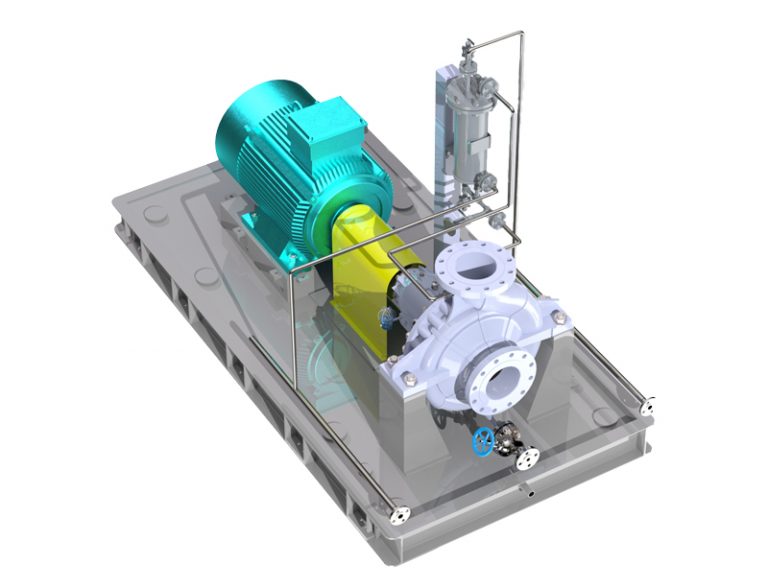
• For High-Temperature and Critical Services: In oil plants, such as the Yulong Island Refining and Chemical Integration Project, pumps must deal with high-temperature hot oil in a steady and safe manner. The LTD(BB5)-Double Shell Multi-Stage Centrifugal Pump is crafted for these states. Its tough inner parts, including impellers formed from special mixes, keep their wholeness and output under severe heat strain. This secures plant safety and ongoing runs.
The Longgang Advantage: Precision Engineering and R&D
Our solid grasp of fluid flow makes sure that each pump we send comes with an impeller that acts not just as a part, but as a fully tuned answer. This pledge to crafting skill is why we get trusted to provide main pumps for large home oil plants and ethylene facilities. We offer tested, capable, and steady centrifugal pump answers because we recognize that output starts with the impeller.
Conclusion
The impeller goes much further than a basic turning piece; it serves as the core of the centrifugal pump and the chief setter of its output, capability, and steadiness. From the high-capability closed builds in our chemical process pumps to the even double suction impellers in our high-movement types, each build choice is made on purpose. By teaming with a skilled maker like Longgang, you make certain that your liquid handling setups rest on a base of top fluid flow crafting. They stand ready to face the needs of any task.
FAQ
Q: What is the main difference between an open and a closed impeller?
A: A closed impeller has shrouds on both sides of the vanes and is highly efficient for clean liquids. An open impeller has no shrouds, making it less efficient but excellent for handling fluids with solids without clogging.
Q: How does changing the impeller diameter affect pump performance?
A: Reducing (or “trimming”) an impeller’s diameter will decrease the flow and pressure (head) the pump can produce, while also lowering its power consumption. This is often done to precisely match a pump to a system’s specific requirements.
Q: Why is a double-suction impeller used in the Longgang LAD(BB1) pump?
A: The double suction design allows fluid to enter from both sides, which balances the axial forces on the rotor. This leads to increased stability, longer bearing life, and the ability to handle higher flow rates efficiently, making it ideal for large-scale fluid transport.