
Selecting a caustic soda pump material based on concentration of sodium hydroxide alone is incorrect. In addition to concentration, factors such as temperature, contaminants, solids, velocity, welding condition, residual stress, start-up and shutdown practice, and seal support must be taken into account when selecting a material for a particular component. Material selection must be made on a component by component basis and related to the actual service conditions.
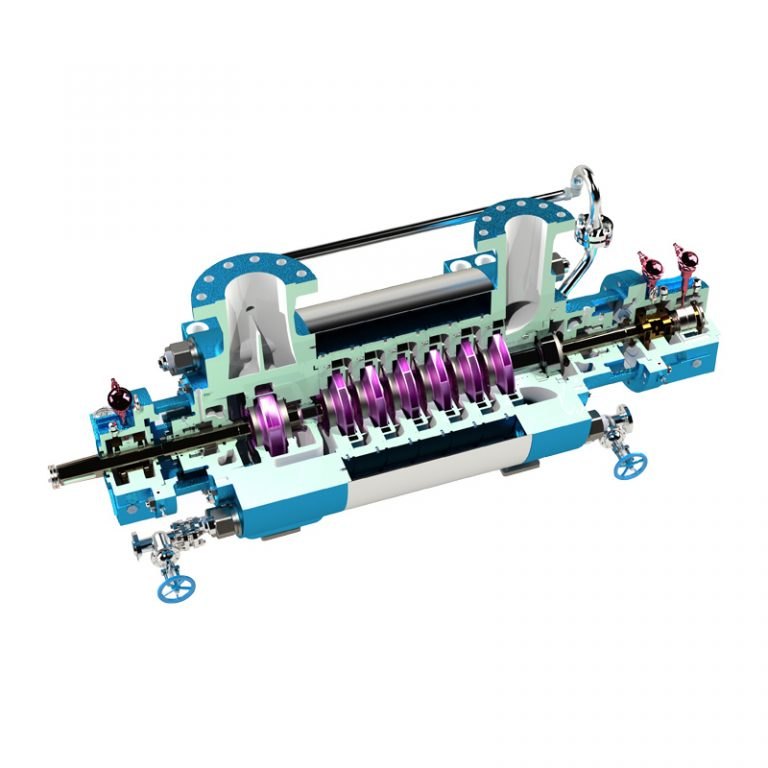
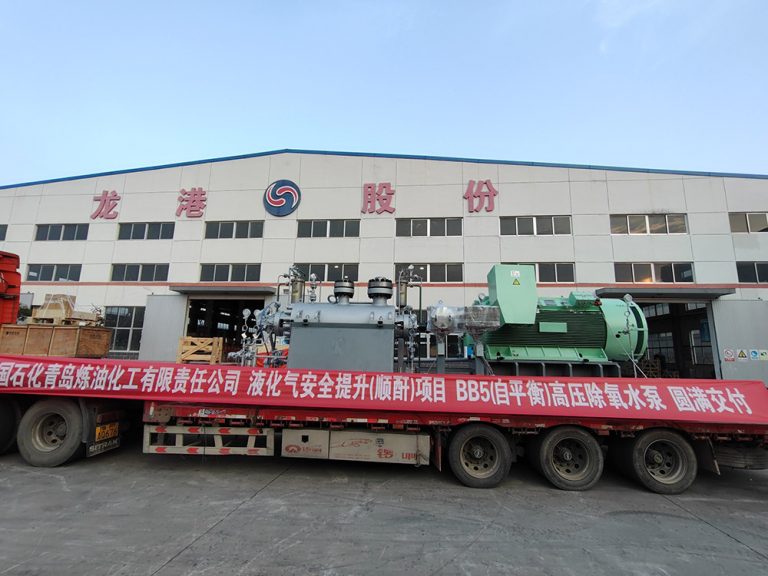
Longgang Pump specializes in manufacturing API-oriented centrifugal pumps for chemical and chlor-alkali projects. All major components of a pump, including the structure, wetted parts, shaft, gaskets and seal, are reviewed as a single package. A suitable casing alloy does not automatically guarantee adequate protection of other wetted parts.
Why Caustic Soda Concentration Is Not Enough
Misconceptions about services are often based solely on concentration. Two solutions containing 32% NaOH may differ significantly with respect to temperature, trace chlorides, total carbonates, total solids, oxygen, cleaning method, flow, idle time etc. General corrosion, local attack, cracking, erosion, deposit formation and seal deterioration can be affected by such differences.
This information should be listed in the datasheet as minimum, normal, and maximum concentration and temperature for dilution, wash water, start-up, shutdown and upsets. The worst credible liquid should be assessed for areas where evaporation or recirculation can affect local concentration such as seal chamber, drain points and any stagnant areas. Reference should also be made to the purchaser’s material standard and the required corrosion allowance. A project record can be useful for a similar review but it is not a universal compatibility chart.
Review Materials by Pump Component
Pressure Parts and Impeller
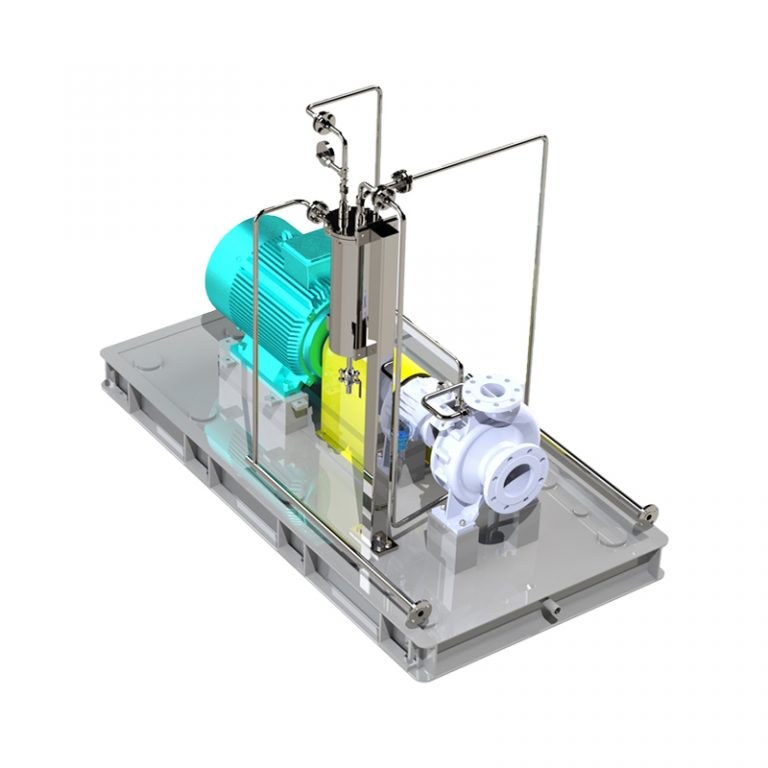
Longgang Pump’s current LZA(OH1) product-family for current reviews is a single-stage cantilever centrifugal pump of foot-mounted process type equipped with API 682 compliant seal chamber and customer configurable flushing/cooling options. The below referenced chlor-alkali project examples utilized LCZ pumps, and should NOT be re-referenced as LZA’s.
Casing and impeller can experience different local fluid velocities, crevice conditions, stresses, and repair histories. It is recommended to review cast or wrought grade, weld procedure, heat treatment, surface finish, corrosion allowance, and impeller balance. If an internal material code such as A-7, A-8 or S-6 is used for the project, verify the code against the controlling specification before issuing for purchase.
Shaft Sleeves Wear Parts and Bolting
Just because a pump has suitable pressure parts does not mean it can’t fail at a sleeve, wear ring, fastener, gland or even at a shaft transition. These parts are frequently made of different materials, depending on the loads to which they are subjected and the contacts involved. A bill of materials for a pump should list all the wetted and intermittently wetted parts, not just the grade of the casing.
Other fabrication details must receive similar attention. For example, the welding consumables, post-weld heat treatment, cold work, fit-up stress, repair welding, and dissimilar metal contact all can affect the service behavior of the alloy. A material review must also include details on the manufacturing and inspection requirements, as opposed to simply relying on the grade listed on the pump datasheet. Where the purchaser’s specification requires traceability, the vendor must identify the applicable heat, lot, and related inspection records for the critical parts.
Seal Faces Elastomers and Support Fluids
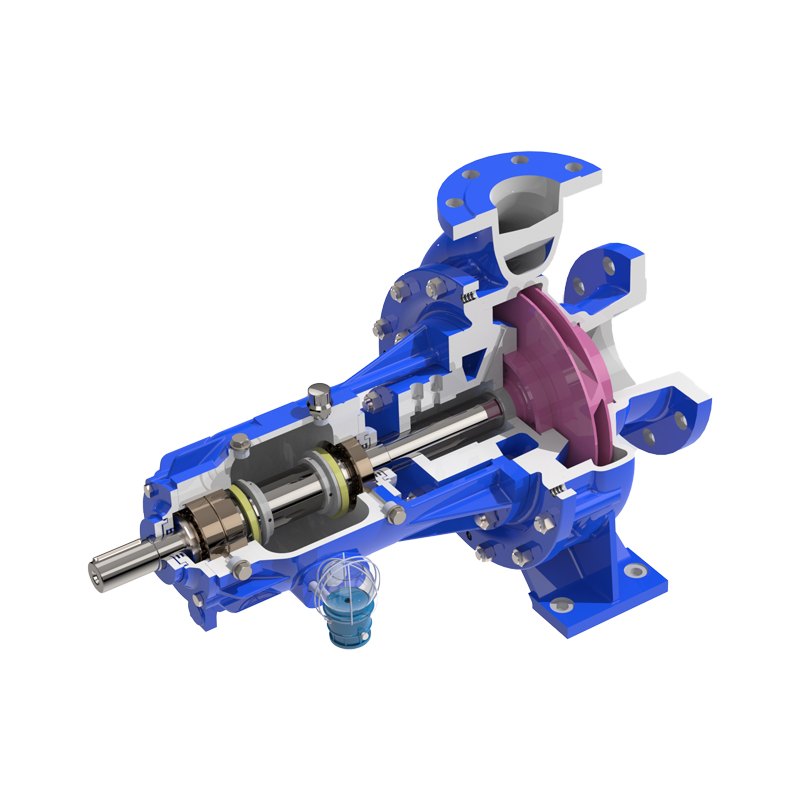
In addition to the compatibility of fluids with casing bodies, faces of seals, secondary seals, gaskets and fluids used for barrier or quenching purposes require a compatibility check. A casing fluid, which is suitable, can attack an elastomer, form deposits on atmospheric side of a seal or concentrate in a hot poorly flushed pocket. The pressure and temperature in the seal-chamber must be checked for normal and for transient conditions.
Request a copy of the seal material schedule along with a copy of the support-system datasheet. This should detail the face materials, metal components, secondary seal materials, flush/barrier fluid, pressure control, cooling, instrumentation etc. as well as the plant’s response to loss of support fluid. This data must be cross-referenced against the metallurgy chosen.
What Project Records Show for Chlor Alkali Service
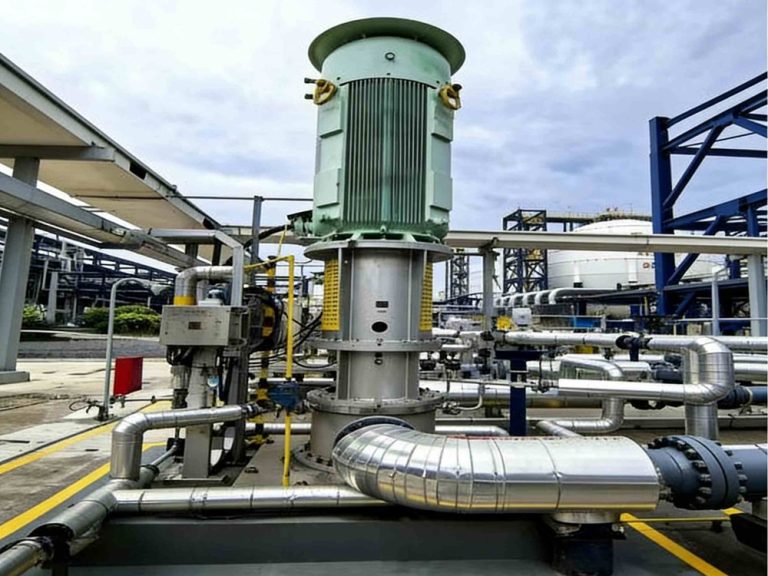
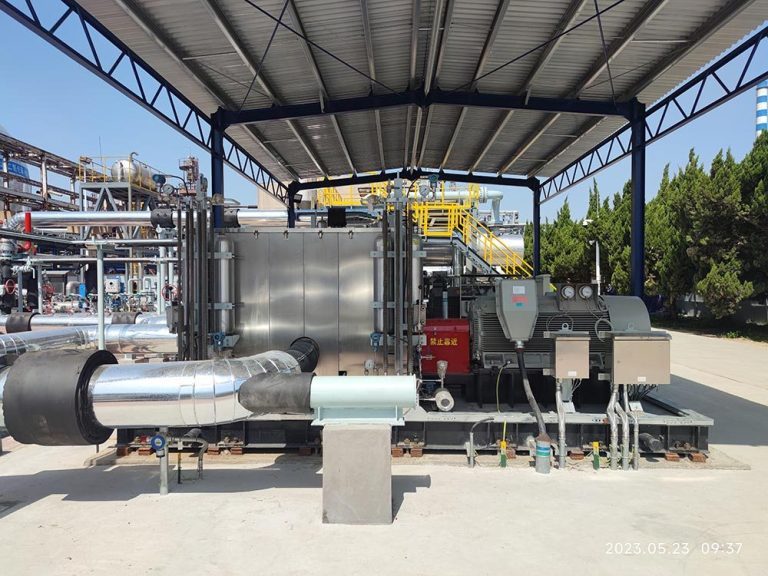
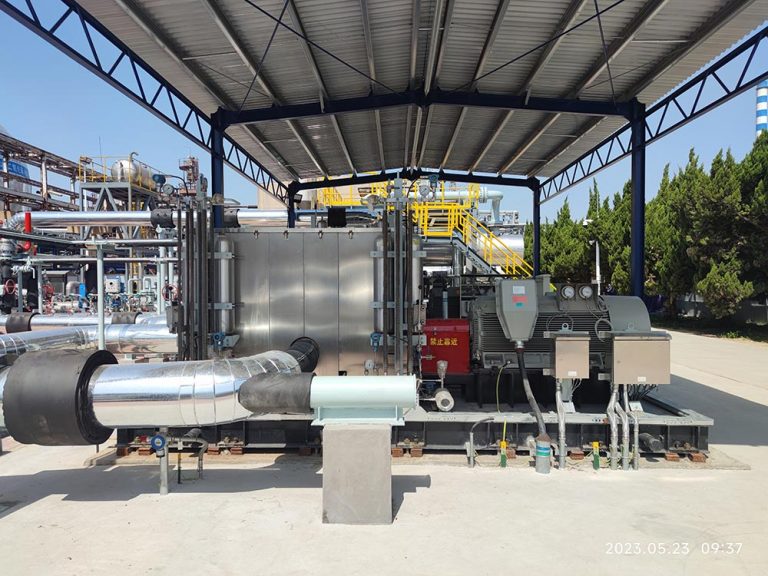
Caustic preparation pumps P-5357A/B at Qingshan Argentina Jujuy chlor-alkali plant were configured to pump 15% caustic solution at 30°C, 20m3/h normal flow and 35m head. The pump was run with LCZ/OH1 configuration and project material code A-7 (304 for this project) with Plan 11. Catholyte drain pump P-522294 was run with 32% NaOH solution at 90°C and same flow and head as above. The pump was configured with project material code A-7 (304 for this project) and Plan 54.
The 32% caustic loading pumps P-5914A/B and the 50% caustic loading pumps P-5915A/B were recorded as LCZ/OH1 with project material code A-8 (316L for this project) and Plan 11+62. This is the specific information that corresponds to the equipment tags and specifications for the two mentioned loading-pump services. This does not establish that a 50% caustic solution will always require the use of 304 or 316L equipment.
Coordinate Materials with the Seal Plan
For Plan 11 the process fluid from the pump discharge is routed through a restriction orifice to the seal chamber. Plan 62 uses an external quench on the atmospheric side of the seal and Plan 54 uses an external pressurized barrier-fluid for a dual seal. Each of these plans changes the liquids, temperatures and boundaries of pressure that the seal faces in comparison to the pump materials.
While the project examples indicate that different support plans can be selected for caustic duties, these examples do not cover all design decisions. To approve a package, the buyer must obtain a copy of the seal datasheet, utility conditions, barrier or quench fluid, alarm settings and failure-response requirements.
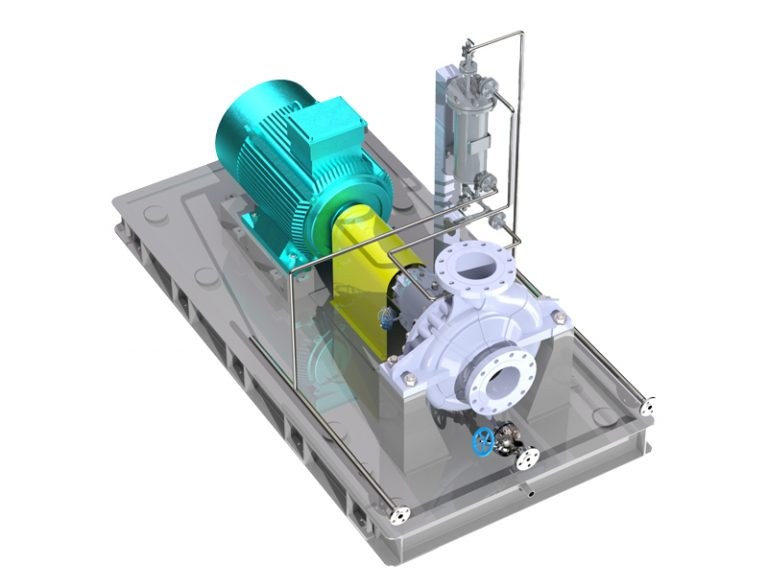
When to Review OH1 and OH2 Structures
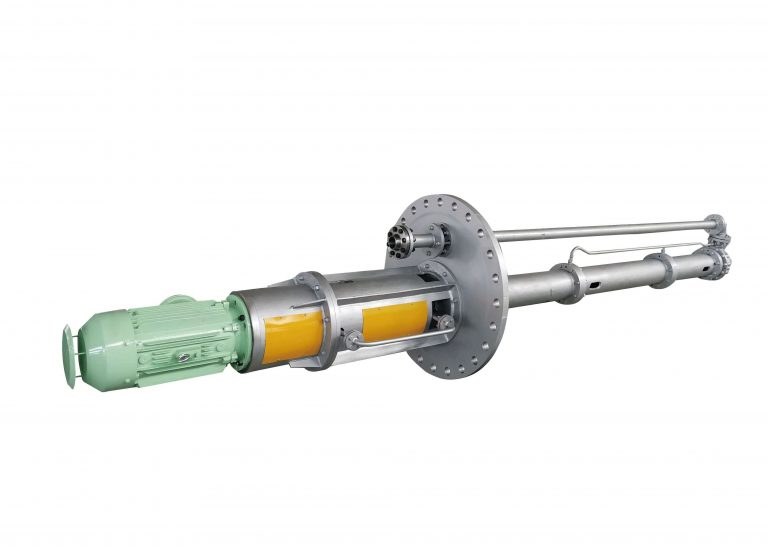
The LCZ/OH1 structures for the Argentine project were contrasted with a different record from the Tianjin Nangang ethylene and advanced-materials cluster. In this case, the equipment tag 3070-P-602A/B was an LZE(OH2) centerline-mounted process pump, a caustic transfer pump. Duty was 30% caustic at 40 degrees C, 30 m3/h and 85 m head. Project material code for this item is S-6, and plan is 11+62. Note that the S-6 code must remain associated with the controlling material specification for that project.
Choose between OH1 and OH2 based on the Hydraulic point, Casing pressure, Temp, Nozzle loading, Shaft deflection, NPSH margin, Normal operating conditions and preferred maintenance configuration. After selection send the complete duty sheet and material details and a full structural and material review will be conducted for the selected operating conditions.
Conclusión
The specifications for reliable caustic soda pumping must ensure that there is sufficient specification detail communicated between the fluid being pumped, its temperature, and between its various forms of operation and the component materials list, and that of the seal support system. These examples of completed projects may be of use, but must always be checked against the proposed new duty. Longgang Pump would be pleased to examine both the hydraulic design and the detailed material list for any of these types of projects for the chlor-alkali or chemical transfer applications.
Preguntas frecuentes
Q: Is 316L always better than 304 for a caustic soda pump?
A: No. The suitability of an alloy to service depends upon a number of variables including concentration, temperature, contaminants, stress, method of fabrication, velocity, etc. Hence, even for the same service, such as project-specific A-7 (304) and A-8 (316L) in different caustic services, the tag-specific choices are not necessarily a ranking of the two grades. Purchaser’s material standard is also a variable.
Q: Can one material grade cover the whole pump?
A: Typically the material schedule must be reviewed by component as Casing, Impeller, Shafts, Sleeves, Wear parts, Fasteners, Gaskets, Seal faces and secondary seals will experience different loads or exposures. Provide a component wise bill of materials and indicate which components are wetted whilst in operation, during flushing, drainage and shutdown.
Q: Why can two 32% NaOH services use different material codes or seal plans?
A: Note that concentration is only one of several input variables. Other relevant input variables are temperature, contaminants, equipment, pressure, velocity, sealing, utilities, fabrication constraints and Purchaser’s specifications. While the equipment records will list the selected packages, the design basis must be cross-checked against the project datasheet and material standard.
Q: What information should be included in a caustic soda pump RFQ?
A: Provide composition ranges, contaminants, solids, density, viscosity, minimum and maximum temperature, suction and discharge pressure, flow, head, NPSH available, operating range, cleaning method, idle condition, and credible upsets. Add the component material specification, corrosion allowance, seal plan, support-fluid data, inspection requirements, and expected maintenance access.