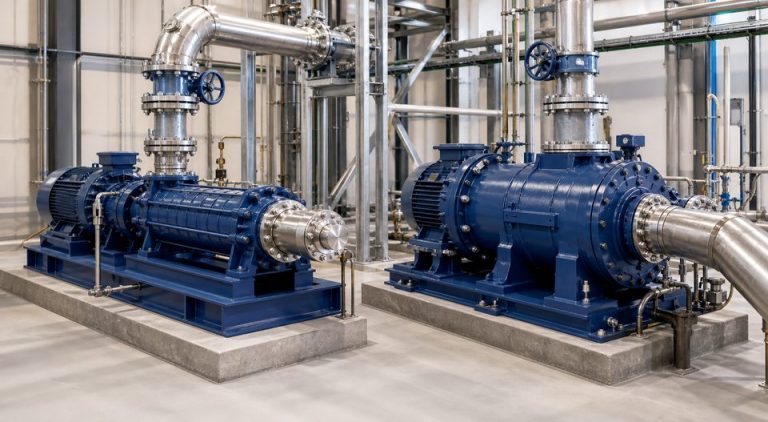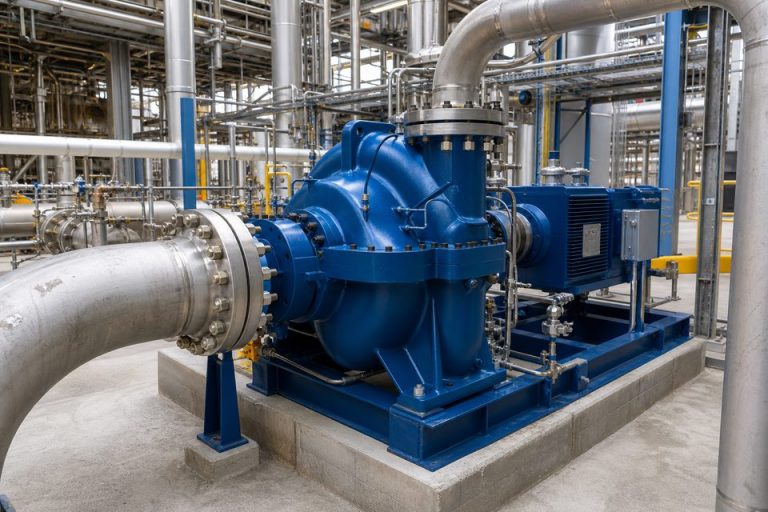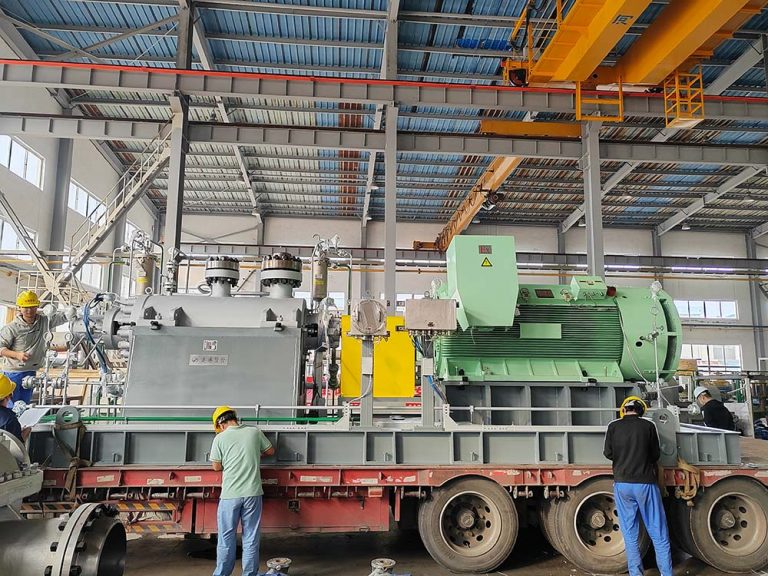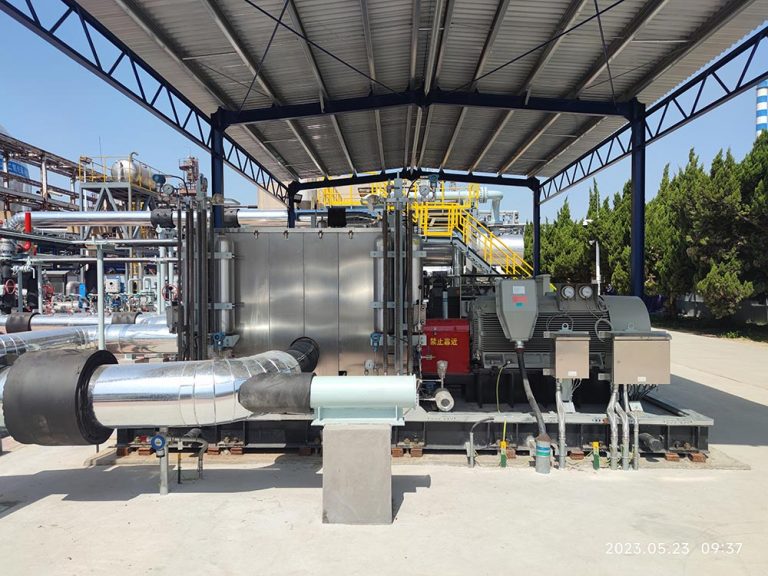
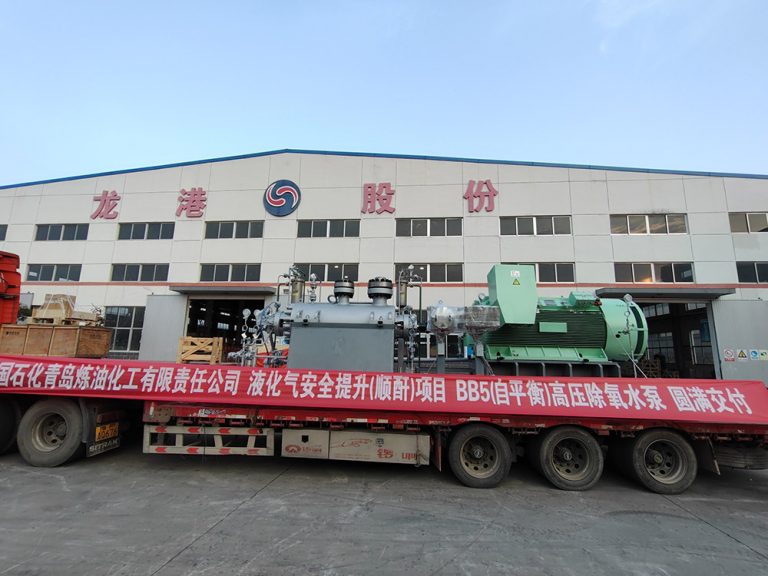

Chemical pumps are one of the most crucial applications involved in most industries, but it involves a high level of risk and danger if not handled properly. This blog will guide you through safety considerations before using chemical pumps in the workplace. It will introducing an understanding of different types of pumps, continue through implementing safety measures and prepare for emergencies.

Chemical Pumps – Understanding Their Use
Chemical pumps are widely used in different industries, mainly in the transportation of corrosive, toxic, or volatile liquids. These pumps are designed to safely and efficiently handle transferring chemicals with minimal risk of exposure to chemicals and leaks.
Types of Chemical Pumps
Chemical pumps come in many varieties. In fact, different needs make them have different features from one another. Some common types that you may frequently find include the following:
Centrifugal Pumps
These are pumps that work by a rotating impeller transferring fluids. Normally, these pumps work in high flow rates and are therefore very versatile in use. Centrifugal pumps are mainly used in the transferring of thin fluids, such as water, alcohols and other less aggressive fluids. It depends on your application whether it will require a single-stage or multi-stage centrifugal pump.
Positive Displacement Pumps
Mechanism to trap a fixed volume of fluid and then force it through the system. Common styles are diaphragm pumps, gear pumps, piston pumps and hose peristaltic pumps. Suitable applications for viscous fluids and any applications requiring highly accurate control of flow.
Canned Motor Pumps
In these pumps, the designs are leakage-free. Therefore, they can handle toxic or flammable or corrosive fluids. The leakage possibility is ruled out since the pump and motor are in a sealed unit assembly.
Common Uses in Various Industries
Common Uses in Various Industries: Chemical pumps are used in scores of industries to serve a number of useful purposes. Following are the fields in which you will definitely expect them to be in use:
- Chemical and Petrochemical Industry: The chemical pumps find their extensive application in these industries for the transfer of all types of fluids, whether corrosive, high-temperature, or environmentally hazardous liquids. These are essentially used in the processing, refining, and transportation of several products of chemicals.
- Oil and Gas: In this industry, API pumps become a necessity to control the fluid flow of materials under pressure during extraction and refining processes.
- Food and Beverage: You’ll discover pumps in food processing for edible oils, cleaning solutions, and other applications. Most of these applications will require pumps made from food-grade materials.
- Water and Wastewater Treatment: Pumps become necessary for water and chemical circulation internally within water and wastewater treatment plants.
- Pharmaceutical: The pumps used in this industry are of high accuracy regarding liquid transfer to ensure purity and material compatibility. They find their use in pipelines, ensuring the delivery of fluids under strenuous conditions.
Safety Considerations in Operating Chemical Pumps
Operating chemical pumps involves various safety considerations to prevent accidents and ensure smooth operations. Understanding potential hazards and implementing effective safety measures is critical.
Identifying Potential Hazards
Other hazards associated with chemical pumps include the risk of chemical exposure or environmental contamination in case of leaks. Materials transferred by pumps can be corrosive or toxic and may be injurious to health for operators. Mechanical failure can lead to spills or accidents.
Implementing Safety Measures
To avoid these risks, you must put in place effective safety measures.
- Correct Pump Selection :Select for application in service a pump specifically designed for the chemical being handled. Consider viscosity of fluid, temperature, chemical compatibility and pressure requirements. If your process fluid is above 200 cP, consult the pump manufacturer.
- Material Compatibility : Utilize Chemical Compatibility Charts: Select correct materials of construction for your pump to avoid corrosion and abrasion problems.
- Lumped Parameter Model: Canned motor pumps are preferred for hazardous fluids because they are leak free. Conventional centrifugal pumps would require seals in good condition and tight fitting.
- Pressure Control: Positive displacement pumps should be fitted with pressure relief arrangements to prevent over-pressurization.
- NPSH: Available Net Positive Suction Head must be more than required Net Positive Suction Head of your pump; otherwise, your system would encounter the problem of cavitation. Actually you need to keep pressure of the pump above vapor pressure of liquid, or else you may encounter damage known as cavitation.
- Temperature Control: Only such pumps that are designed to operate under high temperatures are to be employed. A cooling mechanism for the pump bearings and other parts should be provided against overheating.
- Emission Control: API pumps made with enhanced seal systems that reduce emissions within environmental tolerable limits should be used while handling VOCs or any hazardous chemicals.
- Appropriate PPE: All the required PPE should be worn for any operation involving chemical pumps in order to avoid chemical exposure.
- Ventilation: Your workplace must be well ventilated, especially with volatile chemicals. It will prevent the building of hazardous fumes.
Maintenance and Inspection Protocols
Chemical pumps have maintenance and inspection protocols in place, ensuring that their service life and operational efficiency are met besides averting failure.
Routine Inspection Procedures
Periodically, inspect your pumps for wear and tear, possible leaks, or other malfunctioning. Check the pump casing, seals, and connections for signs of leaks, cracks, or other damage. Listen for unusual noises or vibrations that could indicate problems such as cavitation or bearing failure. Pressure gauges should be used to ensure that the pump operates within limits set by specifications. Check the temperature of the pump and its parts. Overheating can be an indication of some malfunction that needs attention. Check impellers for wear or damage that can lead to cavitation.
Scheduled Maintenance Practices
Scheduled maintenance practices involve replacing worn parts before they fail. Keep the pump lubricated for the bearings and other moving parts according to the manufacturer. Replace seals and gaskets in due time, preventing leaks, and also clean the pump parts periodically to avoid build-up that may give rise to problems. Schedule performance tests to ensure the pump is operating efficiently and to detect potential issues.
Training and Compliance for Safe Operation
Your work practices should include comprehensive training and compliance to assure a high level of safety.
Employee Training Programs
Employee training programs are fundamental in ensuring the safe operation of chemical pumps. The training that ought to involve all aspects of the operation of the pump: the nature of the chemical being handled, model specifics on the used pump, associated hazards for each of these.
Regulatory Compliance Standards
Operating safety of chemical pumps is ensured by compliance with the regulatory standards. Although these regulations are different from region to region and industry to industry, they do share a similar core in most aspects relating to design, maintenance, and operation of equipment.
Emergency Preparedness and Response Strategies
But even with the best precautions, emergencies do occur. Well-planned emergency response can prevent the intensity of the damage and save your personnel.
Developing an Emergency Plan
Developing a comprehensive emergency plan is essential for handling potential incidents involving chemical pumps. The plan should outline different procedures in terms of leaks, spills or mechanical failure, it should indicate the roles and responsibilities of the employees during an emergency for a coordinated response. The plan needs periodic reviews for updates to include new ways or regulations of the operation.
Regular Drills
One of the most important features of preparedness for emergencies is periodic drills. These drills help employees become familiar with the emergency procedure and to practice their responses in a controlled environment.
Yantai Longgang Pump Industry: Your Reliable Partner
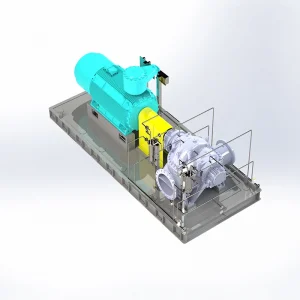
Yantai Longgang Pump Industry Co., Ltd. is a high-tech enterprise specializing in the production of chemical centrifugal pumps, including BB series, OH series, and VS. series pumps. They are a qualified supplier of CNPC, Sinopec, and CNOOC, offering mature pump solutions for petrochemical equipment. The products produced by the company are widely used in such industries as petroleum and petrochemical, coal chemical industry, basic chemical industry, environmental protection, and water treatment. Focusing on independent R&D innovation, they are committed to providing reliable and efficient pumping solutions to ensure that your operational needs are met with the highest quality products.
FAQs
1. What is cavitation and how is it prevented?
Cavitation is a condition where the formation of the vapor bubbles inside the pump will lead to the destruction and loss of efficiency of the pump. That happens due to low pressure. You can avoid it by keeping NPSHa > NPSH required, proper regulation of the liquid velocity, appropriate impeller designs, and also make sure the pump is properly sized for your application.
2. What are API Pumps and When Their Application Becomes Necessary?
API pumps are made according to the specifications of the American Petroleum Institute and hence serve well in high pressure, temperature and corrosive applications. Due to the requirement of high reliability and safety they find their application in Oil and Gas, Petrochemical and Refining.
3. What to Do in Case Chemical Spillage from a Pump?
In the event of a chemical spill, follow the established emergency plan: turn off the pump, contain and clean up the spill using a spill kit and be sure you are using the required personal protective equipment.