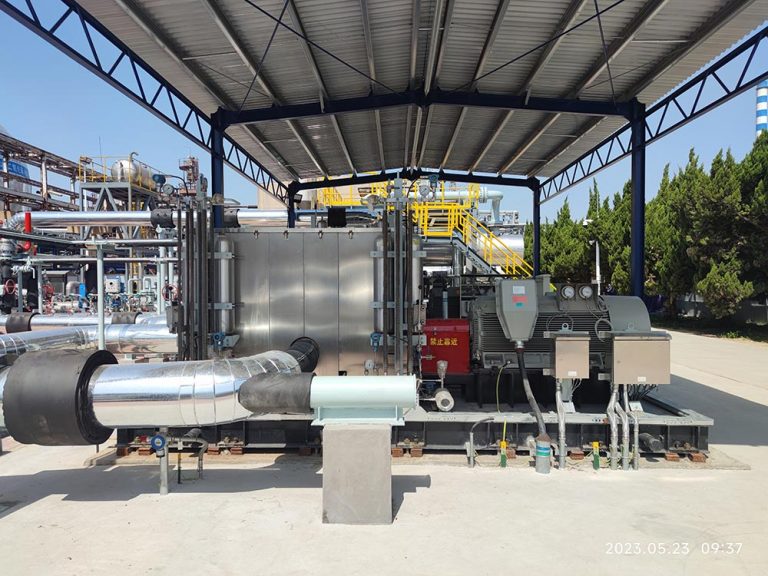
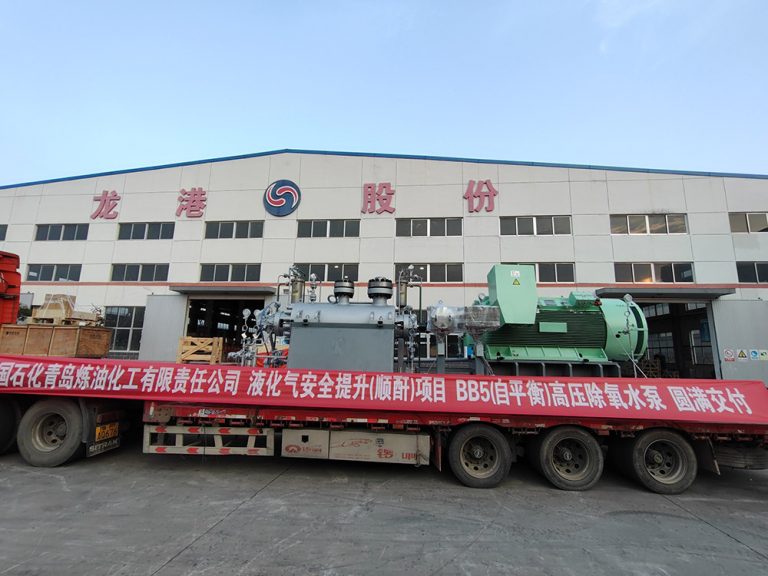

Picking a chemical process pump must start with the specific job instead of a favorite model. You need to look at fluid makeup, heat levels, and pressure. Flow rates and suction details matter too. The risks of leaks and how easy it is to fix the equipment help decide the right design. These factors show if an overhung, between-bearing, multistage, or vertical suspended setup makes sense. Longgang Pump provides BB, OH, and VS centrifugal pump lines. These work well for oil, petrochemical, and chemical plants. They also fit coal-chemical, fertilizer, and similar industrial sites.
A good choice links water flow needs directly to the pump shape. It also matches the mechanical seal setup and the wetted parts. You should treat all these details as a single engineering step. This approach stops you from picking a unit that only hits basic flow and head targets. It ensures the equipment actually handles the real working environment.
Start Chemical Process Pump Selection With the Duty
The process datasheet needs to show normal, lowest, and highest working states. This includes fluid types, chemical makeup, heat, and pressure. It must list flow rates and suction details as well. The document should point out any solid bits or vapor risks. It also needs to explain start-up and shutdown phases, plus what happens if a leak occurs.
The factory layout is quite important too. A deep underground sump needs a specific setup. A high-pressure pipe or a non-stop process loop might need totally different designs. This holds true even if they move similar chemicals. Looking at each job one by one helps spot space limits early. It shows exactly how much room workers will have for future repairs.
Match Pump Structure to the Installation
Overhung pumps for process duties
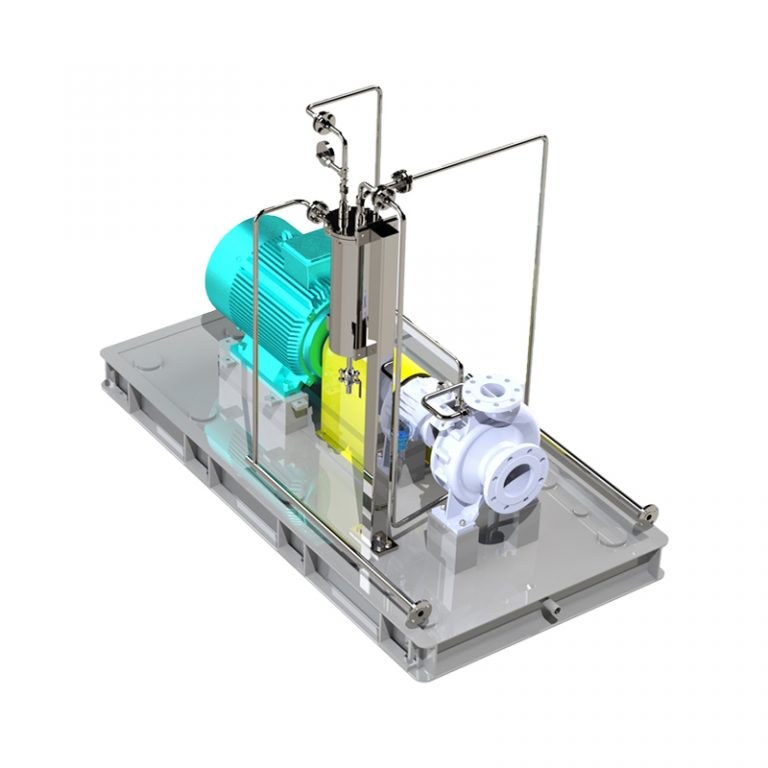
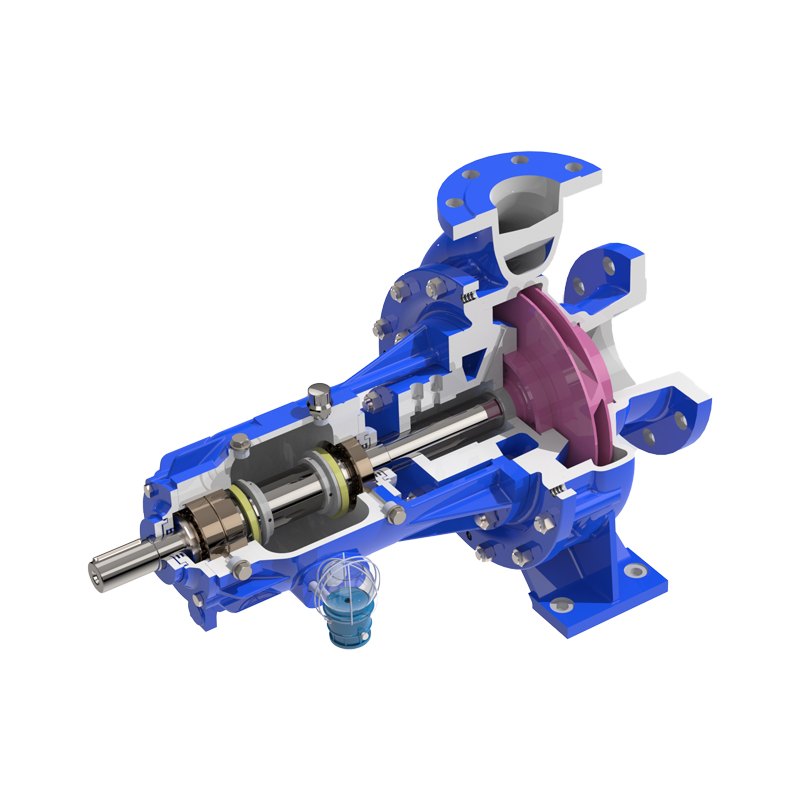
The OH line from Longgang Pump features the LZA (OH1) and LZE (OH2) single-stage cantilever centrifugal pumps. It also includes the LZV (OH3) vertical pipeline model. An overhung shape works well when the flow needs and pipe layouts match its design. Working conditions and repair plans must fit this style too. The final pick always relies on the project rules and the full working range.
When working with chemicals or oil, you must check casing loads and shaft movement. Heat impacts and seal-chamber states are key factors too. Always make sure workers can easily reach the parts for checks.
Between-bearing pumps for demanding duties
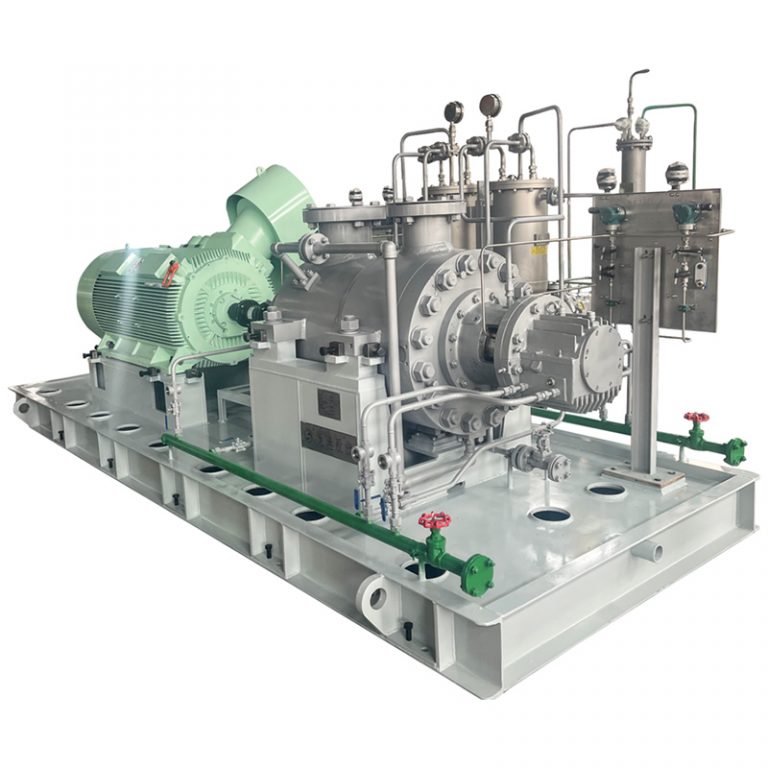
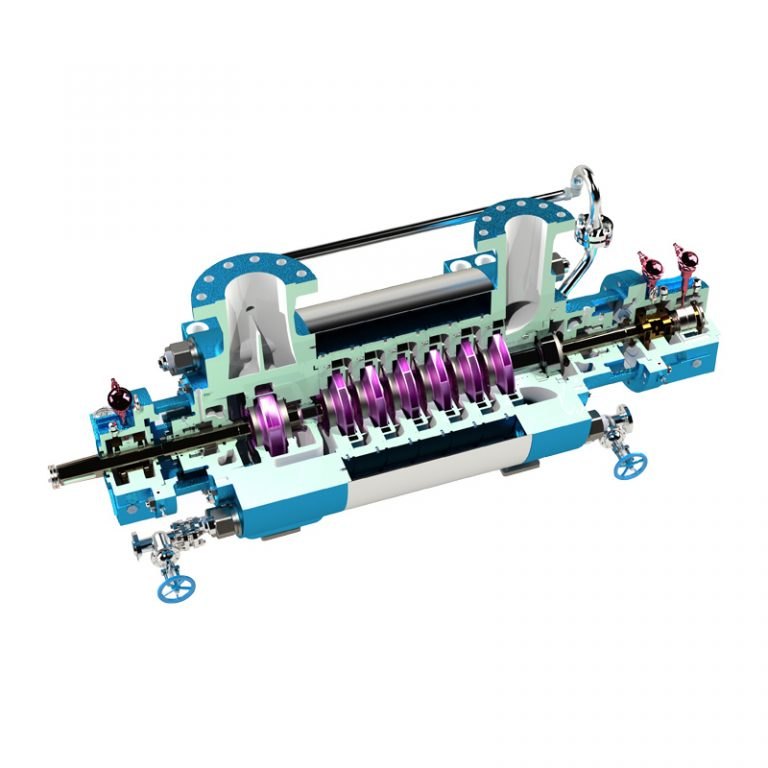
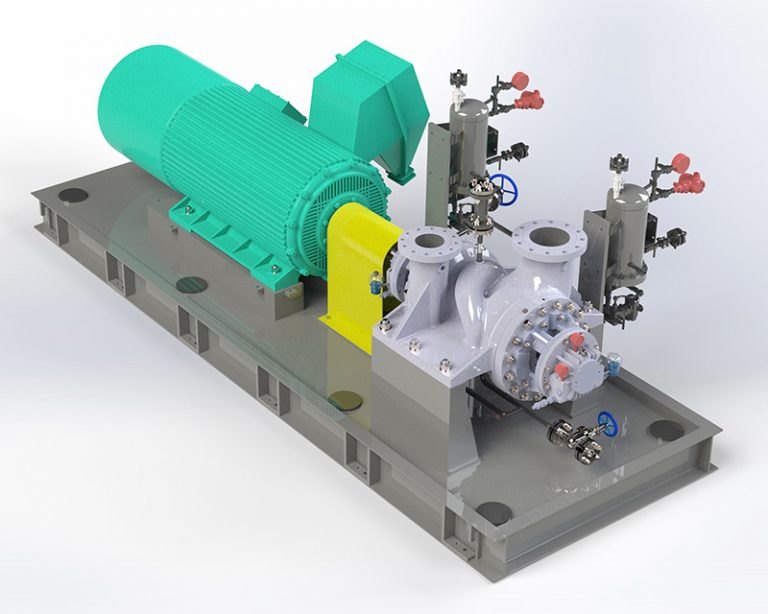
The BB group from Longgang Pump offers several choices. It includes the LBD (BB2) radial split chemical process pump and the LAD (BB1) axially split double-suction pump. You will also find the LCD (BB3) horizontal split multistage pump. The line features the LDD (BB4) high-pressure segmented multistage pump and the LTD (BB5) double-shell multistage pump. These different builds handle various tasks and pressure limits. You must match them carefully against the project flow, head, and pressure. Heat levels and mechanical rules play a big role too.
Between-bearing shapes need a close look when site conditions demand them. Do not pick them just because of their name. You must think about nozzle stress and the outer casing shape. The rotor setup and repair plans are very important.
Vertical suspended pumps for sumps and tanks
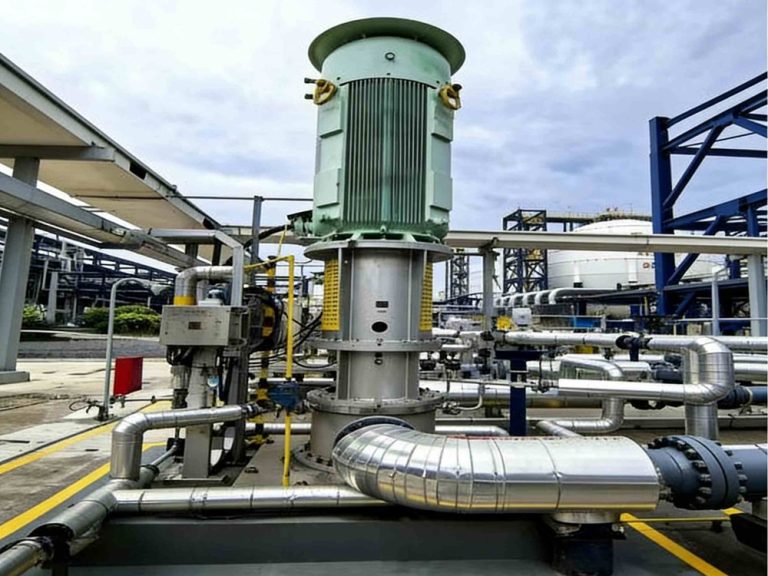
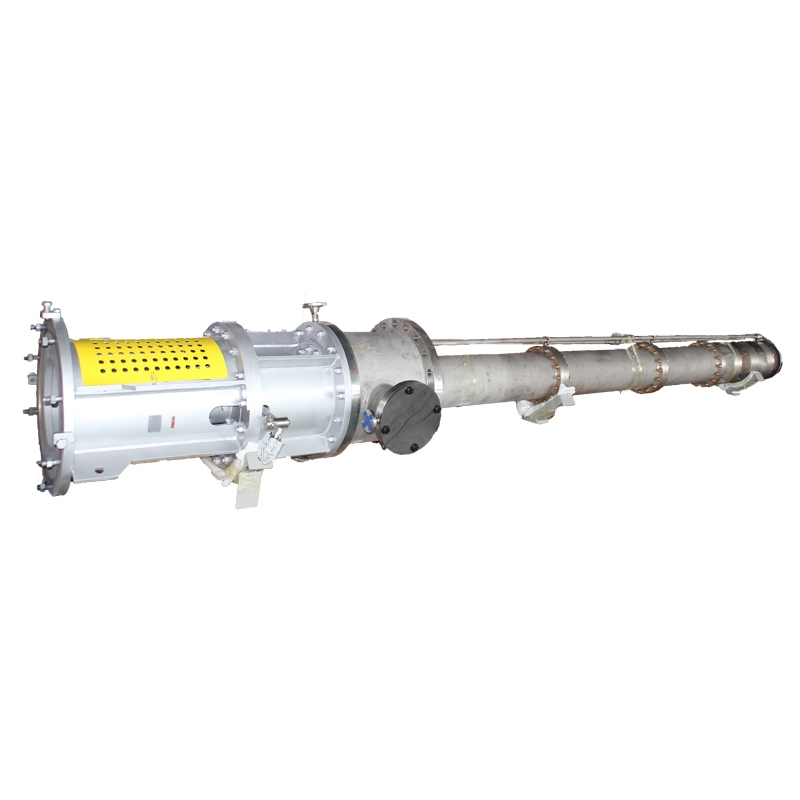
Some liquid pools sit below the ground level. For these spots, Longgang Pump offers the LDTV (VS1) vertical suspended single-shell pump. They also make the LY (VS4) long-axis submerged pump and the LDT (VS6) vertical suspended can-type pump. You can check these models for sumps, tanks, or deep pits. The right fit depends on the hole shape and the liquid traits.
The study must look at how deep the unit goes. It should check the shaft and bearing layout. Liquid level shifts, solid bits, and air venting need attention too. You must plan how to pull the whole machine out for repairs. A vertical setup changes how you fix and run the gear. Because of this, you must view it as a full system instead of just a flipped machine.
Choose Mechanical Seals Around Process Risk
Picking a mechanical seal relies heavily on the liquid’s traits. You must also think about what happens if it leaks. Key factors include the chemical mix, heat, and vapor pressure. You need to know if the fluid has solids or turns into crystals. Seal-chamber pressure and sudden system shifts matter a lot. Emission rules and the available flush fluids help guide this step too.
A single seal might work fine for basic jobs. This is true if the working states and safety rules permit it. Stricter safety goals often demand a dual-seal setup with extra support gear. However, the project team and a seal expert must check every part. They need to approve the seal faces, rubber bits, and barrier fluids. The tools and flush plans must fit the exact task. Keep in mind that no setup can promise zero leak risk forever.
Choosing a seal must match the pump shape and how it runs. The seal chamber space and shaft shifts change how well it works. Heat buildup, steady flush flows, and start-up steps affect the outcome too. Because of this, you must never pick seals without looking at the pump and the main data sheet.
Select Wetted Materials for the Actual Fluid
A simple chemical name does not prove if a metal will survive. The mix strength, heat, and water amounts play huge roles. Dirt, fluid speed, dead zones, and welding methods can speed up rust. You might need to check the main casing and the impeller one by one. The shaft, sleeves, wear rings, bolts, gaskets, and seal parts often need their own careful study.
Longgang Pump builds machines using metals that fight rust. We offer special alloy choices for harsh chemical tasks. You must test your metal picks against the strict project rules and job facts. Always bring in a rust expert when the liquid is harsh or mixed. Just because a metal works well in one job does not mean it fits another. A new mix strength or a different heat level changes everything.
The material list needs to name the exact parts and metal rules clearly. This step keeps the pump build and seal limits in perfect harmony. It sets clear goals for checks and future repairs. Doing this stops workers from guessing based on past jobs or vague metal names.
Integrate the Decision With Longgang Pump
A smart picking order starts by defining the exact job limits. Next, you narrow down the best physical shape. After that, you lock in the flow target. Then, you check the leak safety and seal support plans. Finally, you test every wet metal part. You must look at setup, running, and repair needs alongside the main data. This keeps the whole pump package solid and logical.
The product lineup from Longgang Pump covers OH, BB, and VS centrifugal pump models. Their service team gives strong technical advice. They help with custom setups and offer great support after the sale. You can look at the industrial centrifugal pump range. It helps to read about chemical industry applications and engineering services at the same time. This makes planning your specific project much easier.
Conclusion
Picking a trusty chemical process pump links the frame, seals, and metals to one proven task. The OH, BB, and VS lines from Longgang Pump give clear choices for heavy industry. Still, the best pick always rests on the exact working states of your site. Checking every single part leads to a better machine. It ensures the unit is easy to fix later on.
Look into the product and use details from Longgang Pump. This helps match your next project plan perfectly with your actual process needs.
FAQ
Q: Which pump structure is suitable for chemical transfer?
A: The best choice rests on flow, head, and pressure limits. Heat levels, suction states, and plant layout matter too. Repair access is also a big deal. OH overhung, BB between-bearing, and VS vertical suspended models fit different site needs. You must test each one against the main data sheet and project rules. Never pick a machine just by reading the chemical name.
Q: How should a mechanical seal be selected for a chemical pump?
A: Picking a seal means looking at the fluid mix, heat, and vapor pressure. You must check for solids and note the seal-chamber state. Think about leak risks, clean air rules, and extra support tools. The seal layout and metals must fit the pump details perfectly. A true seal expert needs to review the whole setup.
Q: What process information improves pump selection?
A: Good facts to have include fluid makeup and its current state. You need normal and extreme flow limits. Heat, pressure, and suction facts are vital. Notes on solids, sudden system shifts, and leak risks help a lot. You also need the site shape and repair limits. Clear rules for metals and seals link the pump frame directly to the daily work needs.