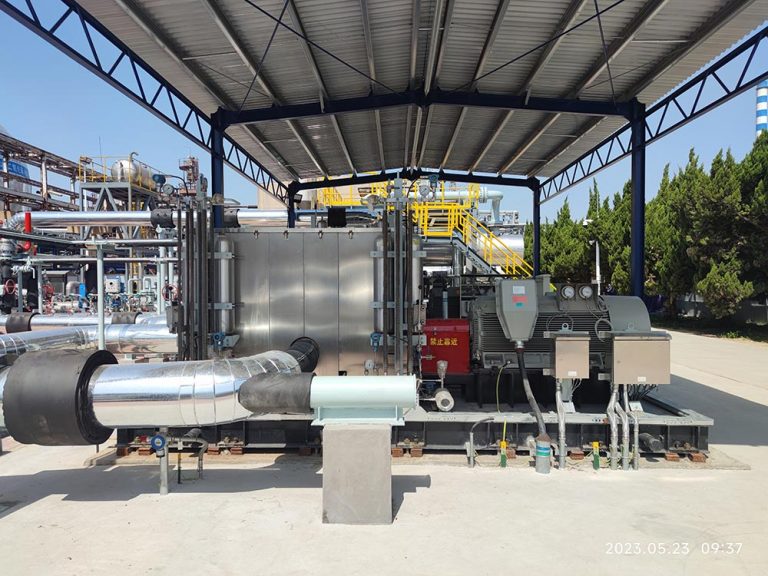
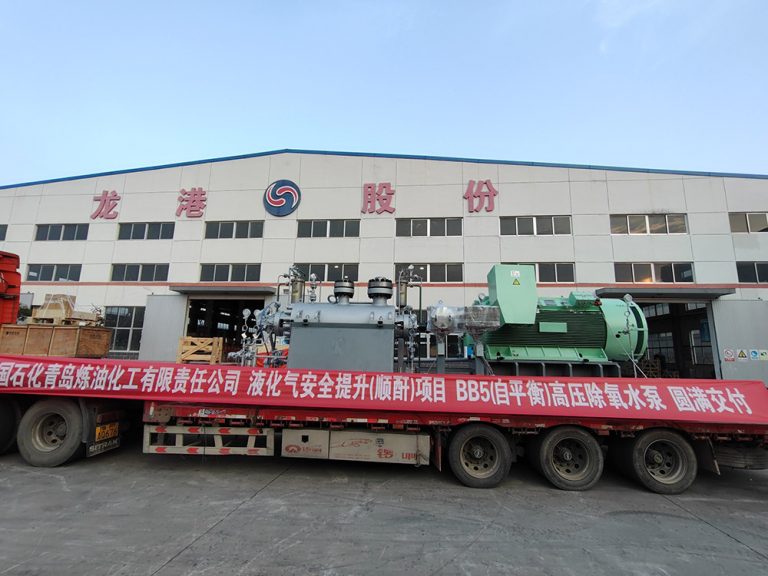

In petrochemical plants, centrifugal pumps are like the “hearts” of the facilities—their stable and reliable operation is critical. Yet, in pump design and selection, there’s an unwritten rule: avoid or even prohibit inducer-equipped structures whenever possible. This isn’t a step back in technology, but a rational choice drawn from countless production lessons.
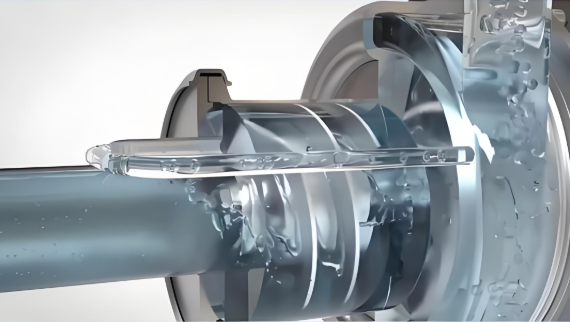
An inducer is essentially a front-mounted axial impeller installed before the main impeller. Its primary role is to improve the pump’s cavitation performance by pre-pressurizing to reduce the required net positive suction head (NPSHr). It sounds appealing, so why has it become a “sensitive topic” in the petrochemical industry?
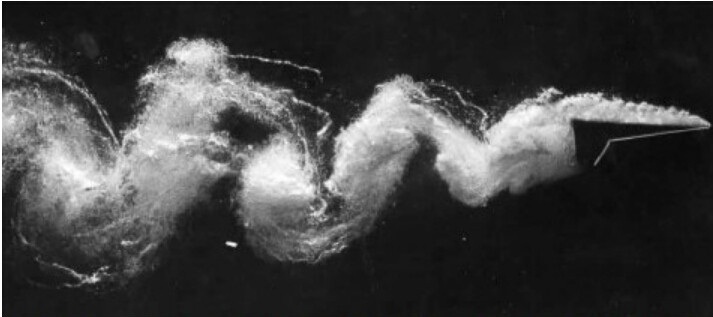
The reason lies in stability and reliability—requirements that take precedence over everything else in petrochemical production. While inducers are designed to enhance cavitation resistance, their own operating state sits right at the critical cavitation condition. This “tightrope-walking” operation easily triggers pressure fluctuations and inlet backflow, significantly increasing unit vibration. For petrochemical equipment that must run continuously for years without major overhauls, such vibration is fatal: it drastically shortens the lifespan of key components, such as mechanical seals and bearings, and may even cause catastrophic mechanical failures.
Second, inducers are extremely sensitive to changes in operating conditions. Once the flow rate deviates from the design point, not only does their cavitation-improving effect drop sharply, but they may also cause a hump in the head curve, leading to unstable operation. Pumps in petrochemical plants often need to adjust within a certain flow range, so this structure—with poor adaptability to operating conditions—is undoubtedly a major hidden risk.
More importantly, petrochemical media are often corrosive or contain solid particles. Inducers have complex blade shapes and precise clearances; either corrosion-induced shape changes or particle-caused erosion will quickly damage their hydraulic performance, further worsening vibration issues and resulting in high maintenance costs.
So, how to solve the pump’s cavitation problem? Experienced engineers prioritize more reliable methods: optimizing the suction pipeline design to increase the available net positive suction head (NPSHa); selecting low-speed, double-suction pumps with inherent good suction performance; or directly choosing mature pump models with better cavitation resistance. Although these methods may involve slightly higher initial investment, they guarantee long-term, stable, and reliable operation—a trade-off that’s more than worthwhile for petrochemical production.
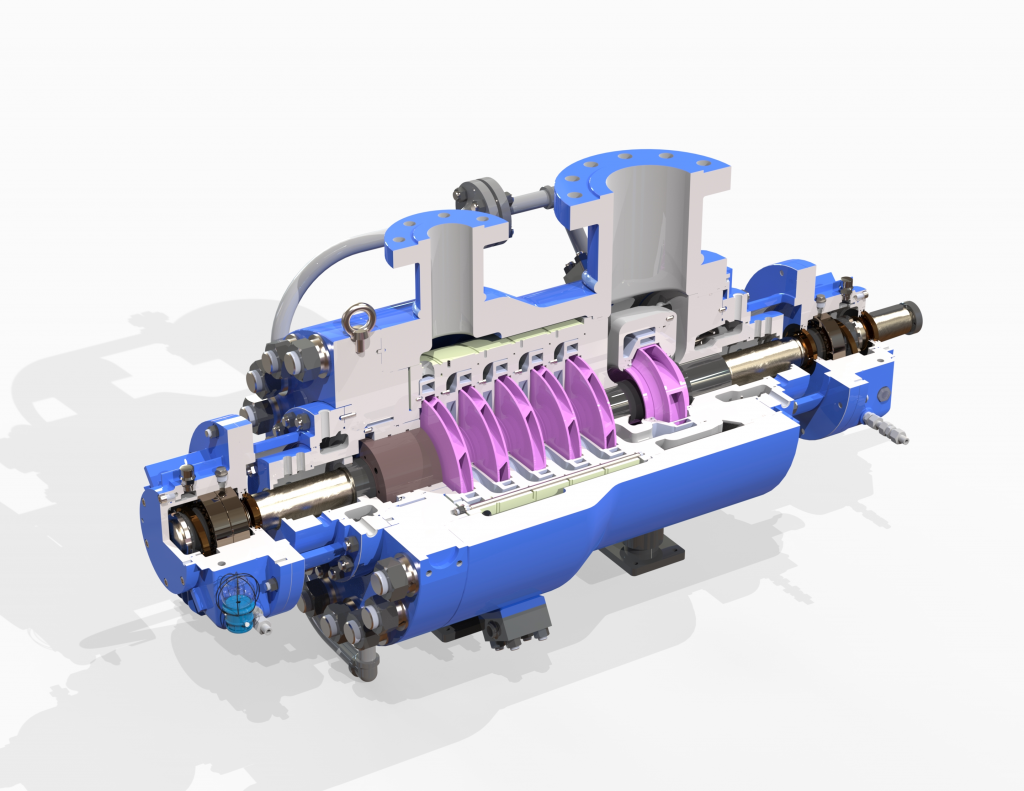
Ultimately, petrochemical production is a marathon of reliability. An inducer is like a sprinter—skilled in short bursts, but unable to handle the long-term, steady output required for a “long-distance race.” Here, abandoning flashy “optimizations” and choosing time-tested, reliable solutions is the true engineering wisdom.