
Reliability as a Lasting Commitment
Valentine’s Day often links to vows of affection, faith, and enduring dedication. In the industrial sector, particularly in crude oil transfer tasks, reliability serves a comparable purpose. It focuses less on brief output and more on steady, firm backing amid tough situations. Like a sincere vow that withstands years and hardships, a pump setup needs to function dependably in the toughest settings to protect output and gains.
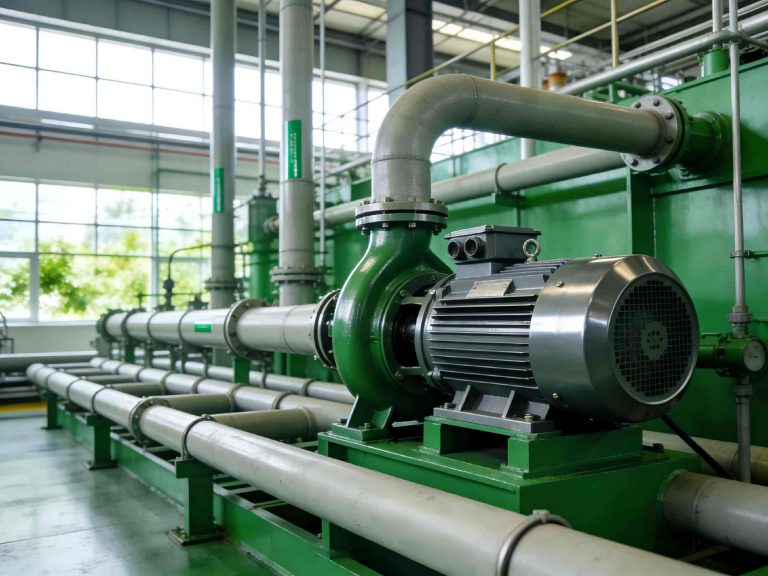
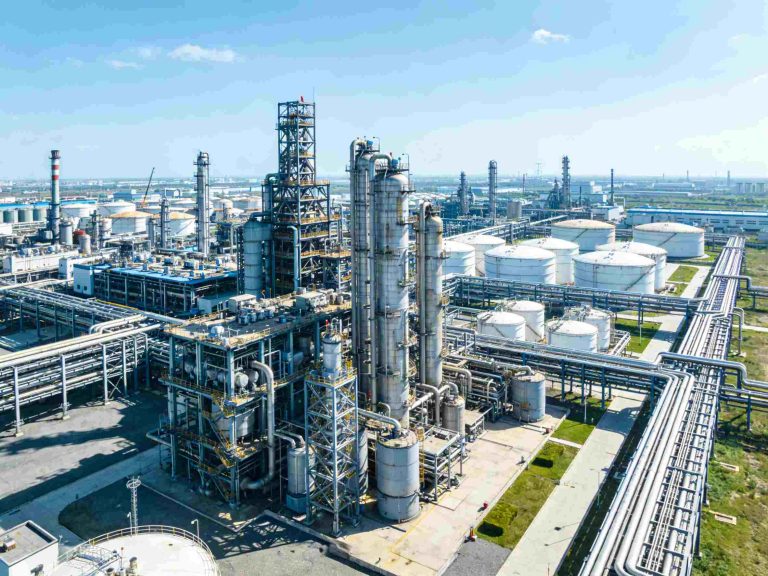
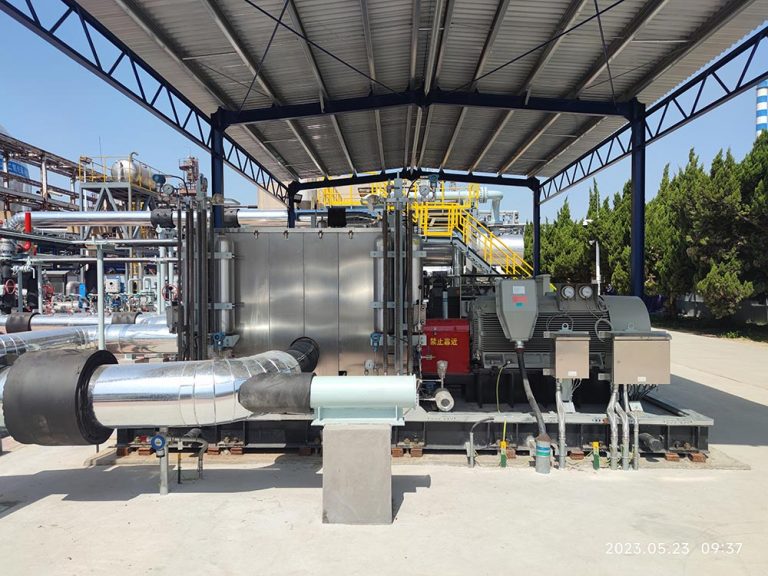
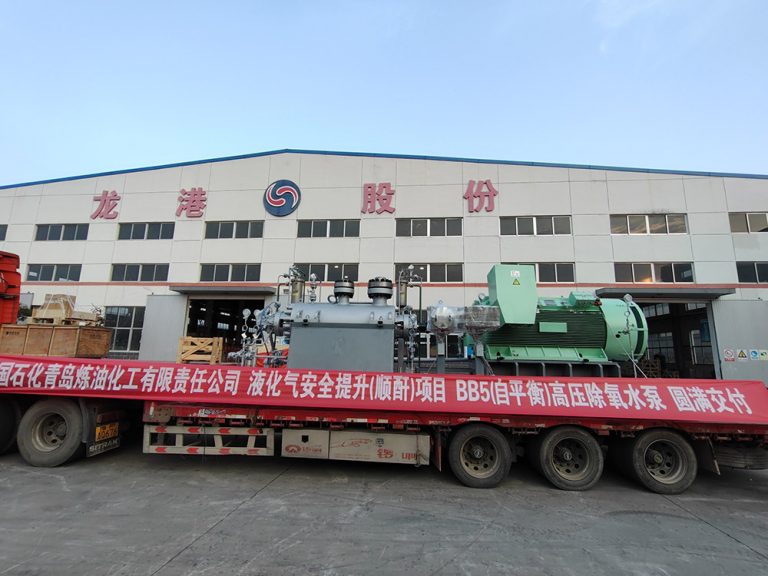
At Longgang Pump, we view reliability as more than a trait. It forms a core pledge woven into the core build and function of our gear. Our Centrifugal Pump captures this approach. It offers solid results even in the roughest spots. These pumps suit high-pressure and high-temperature tasks, such as offshore and onshore crude oil transfer, refining work, and liquefied gas lines.

Challenges in Crude Oil Transfer
Harsh Operating Conditions
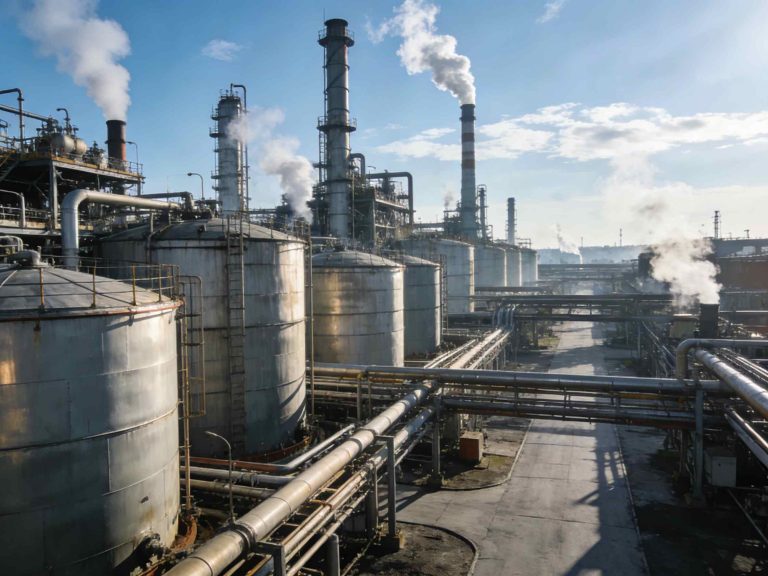
Crude oil transport brings several work hurdles. Elevated heat, force, and thickness call for sturdy pump builds. The liquid’s erosive and grinding qualities speed up damage, so picking the right materials matters a lot. Our LTD (BB5) series tackles this with a forged outer shell and inner parts that resist corrosion. This setup provides both physical toughness and resistance to chemicals.
Risks of Unexpected Downtime
Pump breakdowns can trigger abrupt halts. Such events cause output drops, environmental threats, and safety dangers. Sudden fixes not only interrupt workflows but also hike running expenses. Selecting a pump with inherent protections against these breakdowns proves vital.
Why Reliability Matters in Oil Transfer
Impact on Continuous Production
Dependable pumps sit at the center of nonstop output. The independently created efficient centrifugal pump mainly handles crude oil transport. Yet, for greater volume and force needs, the LTD (BB5) excels due to its multi-stage setup. It keeps a steady flow speed over extended routes. This capability lets workers hit refinery goals without stops. For instance, in a typical offshore rig scenario, where daily production targets reach thousands of barrels, this pump maintains flow without faltering, drawing from years of field tests in similar setups.
Operational and Financial Benefits
Sustained dependability cuts down on urgent fixes. As a result, it lowers the overall cost of ownership (TCO). The LTD (BB5) employs modern sealing setups and sliding or forced lubrication bearings. These elements cut down on rubbing and damage as time passes. They stretch out the pump’s working life while upholding peak function. In practice, operators in refining plants have reported up to 30% fewer maintenance calls over five years, based on real-world data from installations in the Middle East.
Features of Double Shell Multi-Stage Centrifugal Pumps
Double Shell Design Advantages
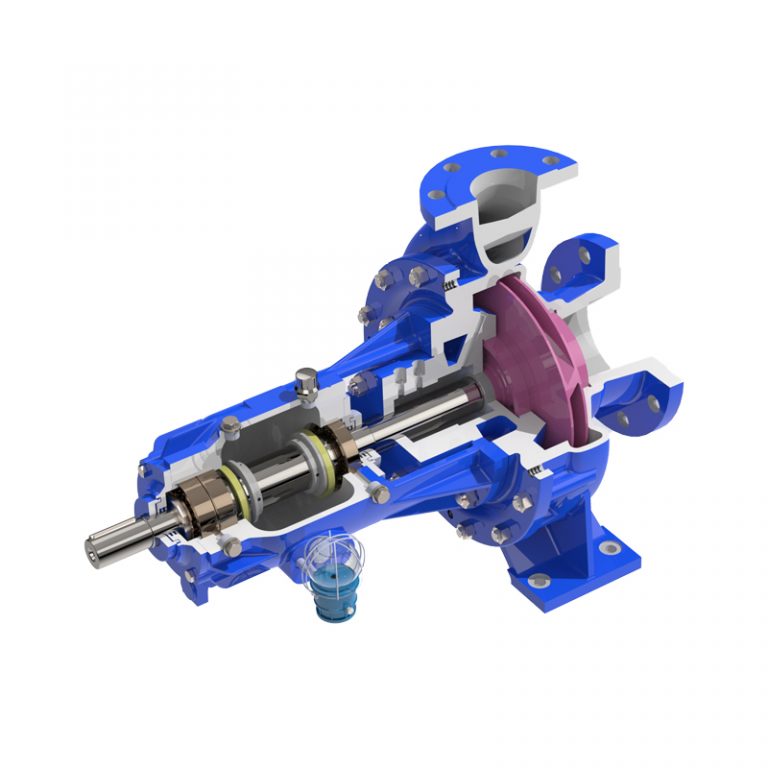
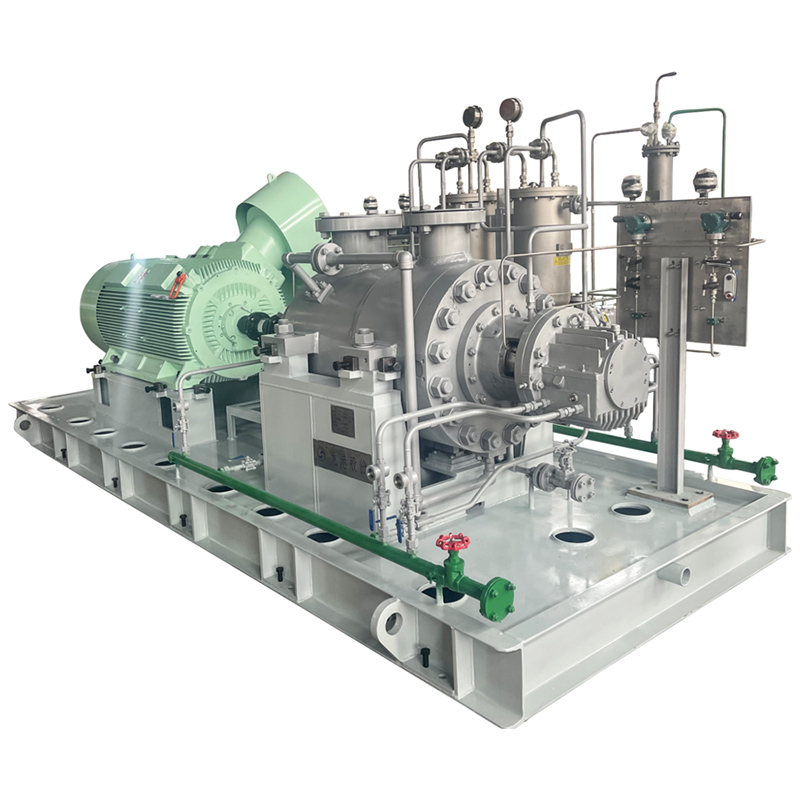
The pump has a double-shell build. Its outer pressurized shell comes from forging methods, which guarantee safe and steady running. The inner part pulls out easily. This allows checks and upkeep without breaking pipeline links. Such a structure boosts both work safety and ease of service. Consider a pipeline in a remote onshore field; technicians can service the core on-site, saving days of downtime that might otherwise cost thousands in lost revenue.
Multi-Stage Configuration Benefits
Impellers line up in the same direction. Through this, the LTD (BB5) reaches high force levels via several stages, all while keeping hydraulic output high. Each impeller gets careful shaping for anti-cavitation traits and low shaking. This makes it great for moving oil across far stretches. In one case from a North Sea operation, this design handled 1,500 meters of pipeline with just 5% flow variation, proving its worth in extended transfers.
Common Causes of Centrifugal Pump Failure
- Hydraulic Imbalance Issues: Unequal force spread can spark shakes that speed up part wear. Our pumps fight this with even impeller placements. They create balanced flow routes.
- Thermal Expansion Stress: Poor material picks can cause shell warping or splits under heat strain. Our two-shell build lets the outer shell take in heat growth safely. It keeps the inside lineup intact.
- Seal and Bearing Failures: Seal issues often arise in shifting loads. The LTD (BB5) has mechanical oil seal builds and strong thrust bearings. They manage side forces without hurting output.
How Longgang Pump Mitigates These Risks
Advanced Hydraulic Design
We apply PUMPCAD software and CFD simulations. These tools shape ideal impeller forms and flow paths for each type. In a recent project for a Gulf Coast refinery, this approach reduced cavitation risks by 25%, based on simulation results validated in physical tests.
Thermal Compensation Features
The balance system uses drum-disk-drum motion. It fully counters side forces. Thus, bearings avoid side loads in use. This boosts their durability. For example, in high-temp refining at 150°C, this setup has extended bearing life by over 50% in documented cases from Asian facilities.
Durable Seal Systems
Based on task demands, we add hot-mounted or sliding-mounted impellers. They are secured with holding rings or sleeves. This offers adaptability yet holds firm under heat changes.
Enhancing System Reliability with Integration Strategies
Proper System Design Integration
Every LTD (BB5) pump picks based on line details like flow amount, lift, heat, and force. Our tech advice services give buyers pump choice tips. This avoids overloads or waste.
Training and Operator Awareness
We offer running training and tech support. This helps staff grasp the top methods for start-up, shut-down, and issue fixes. It cuts down on people’s errors.
Conclusion: Reliability as the Heartbeat of Oil Transfer Operations
Similar to a genuine Valentine’s vow, dependability builds the base of confidence in work systems. At Longgang Pump, we weave this idea into every part of our centrifugal pump. With strong building, API 610 adherence, and forward failure blocking, our pumps act as trusty allies in all oil transfer jobs. These range from sea platforms to land refineries.
FAQ
Q: What makes double shell multi-stage centrifugal pumps suitable for crude oil transfer?
A: Their double-shell design ensures safe operation under high-pressure and temperature conditions. The segmented multi-stage configuration delivers consistent flow across long distances—ideal for challenging oilfield environments.
Q: How do I prevent centrifugal pump failures in my oil transfer system?
A: Regularly inspect vibration levels, temperature trends, flow consistency, and seal integrity. Utilize predictive maintenance tools and always use Longgang Pump’s OEM spare parts for replacements.
Q: What is API 610, and why is it important?
A: API 610 is an international standard set by the American Petroleum Institute for centrifugal pumps used in petroleum services. Compliance ensures pumps can withstand demanding process conditions safely.
Q: How does a multi-stage configuration benefit my pumping operation?
A: Multi-stage centrifugal pumps like the LTD (BB5) handle high differential pressures efficiently while maintaining flow rate—essential for long-distance crude oil transport.
Q: What are the signs that my centrifugal pump may be failing?
A: Watch for increased vibration, noise, reduced output flow, elevated temperatures, or frequent seal/bearing replacements—these are early indicators that warrant immediate inspection.