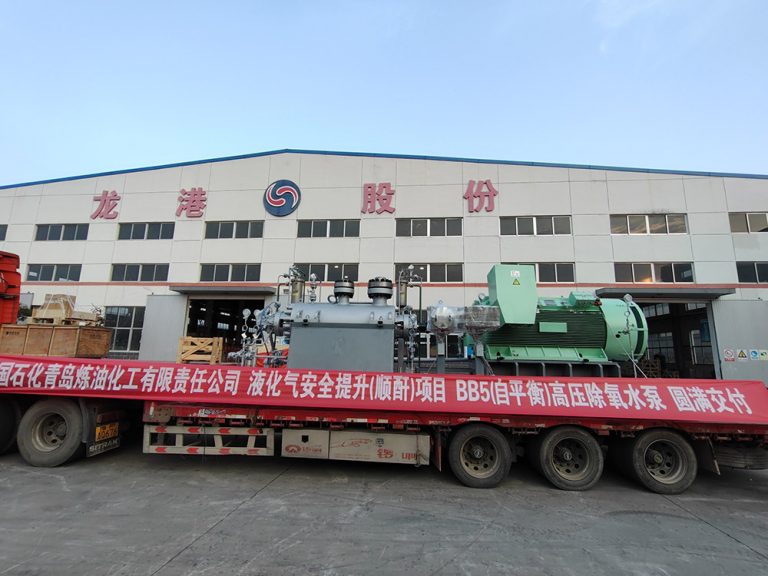

The Demands of Crude Oil Transfer
Transferring crude oil presents significant engineering challenges due to its viscosity and varied chemical composition. The liquid’s sticky feel and varied chemical blend call for tough, dependable pumping gear. Such equipment needs to cope with the fluid’s core features plus the harsh pressure demands in the petroleum field. Nonstop running remains a must in these operations. A brief interruption or equipment malfunction can lead to substantial production losses and pose serious safety risks. This underscores the importance of selecting the appropriate equipment for reliable operations. Pump reliability shapes the steady flow of oil extraction and transport setups.
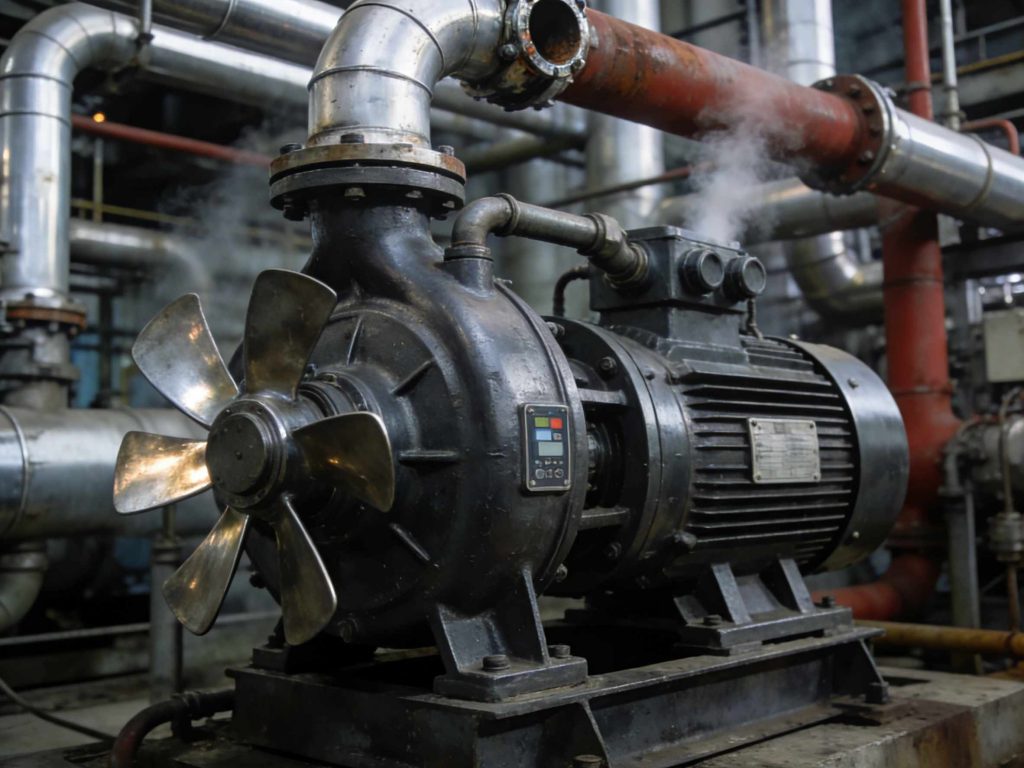
Why Pump Selection Matters
Your choice of pump for crude oil shifting goes beyond mere fuel savings. It shapes the setup’s lifespan too. And it affects how easy maintenance proves to be. When pump details or setup fail to fit the task, breakdowns hit early. Shaking gets excessive. And shutdowns turn expensive. Selecting a pump that matches the oil’s density, force needs, and area restrictions holds repair work to a minimum. That, in return, lowers the total cost of running the gear over its full working years.
Advantages of Single-Stage Vertical Pumps
Simplified Design, Enhanced Reliability
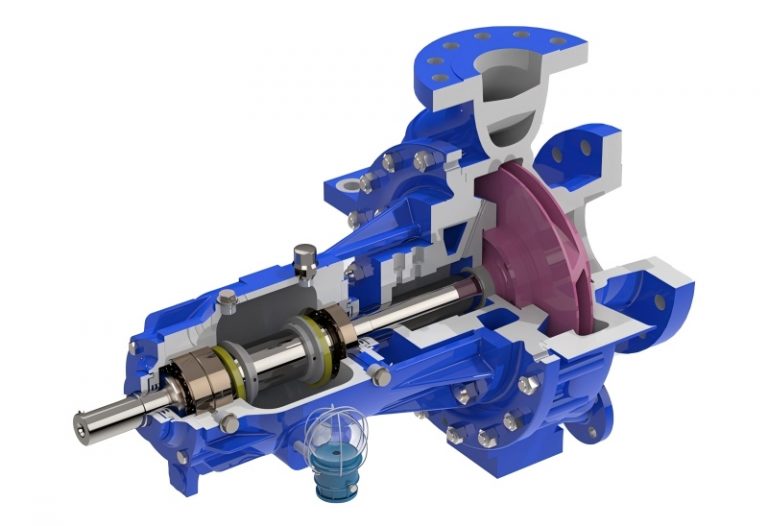
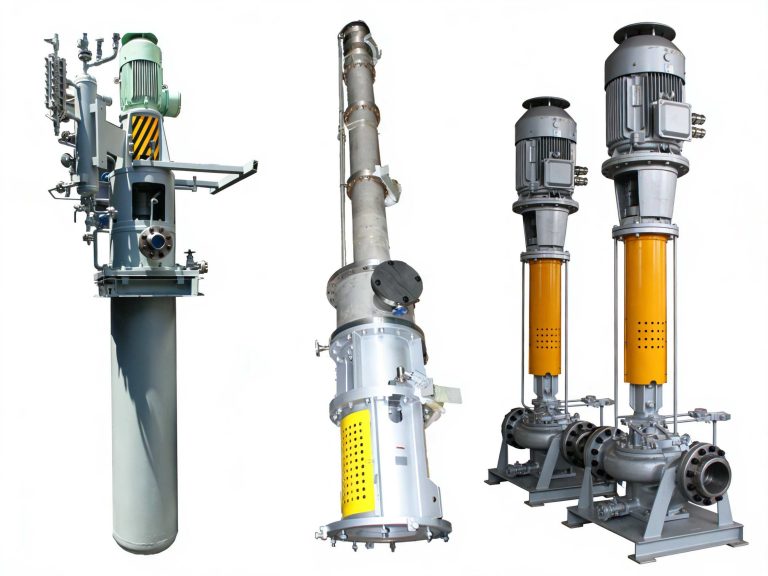
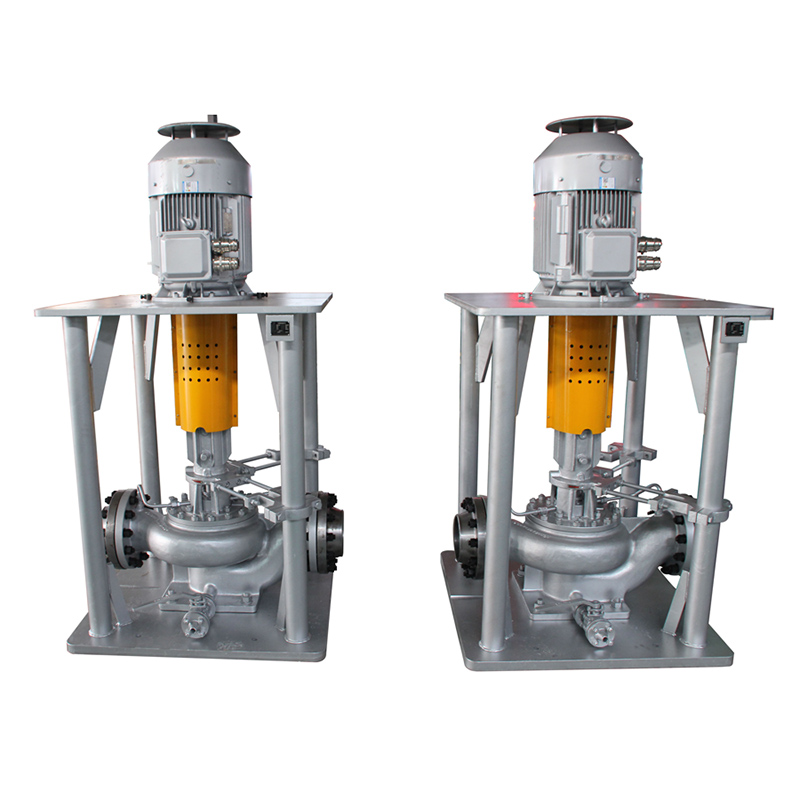
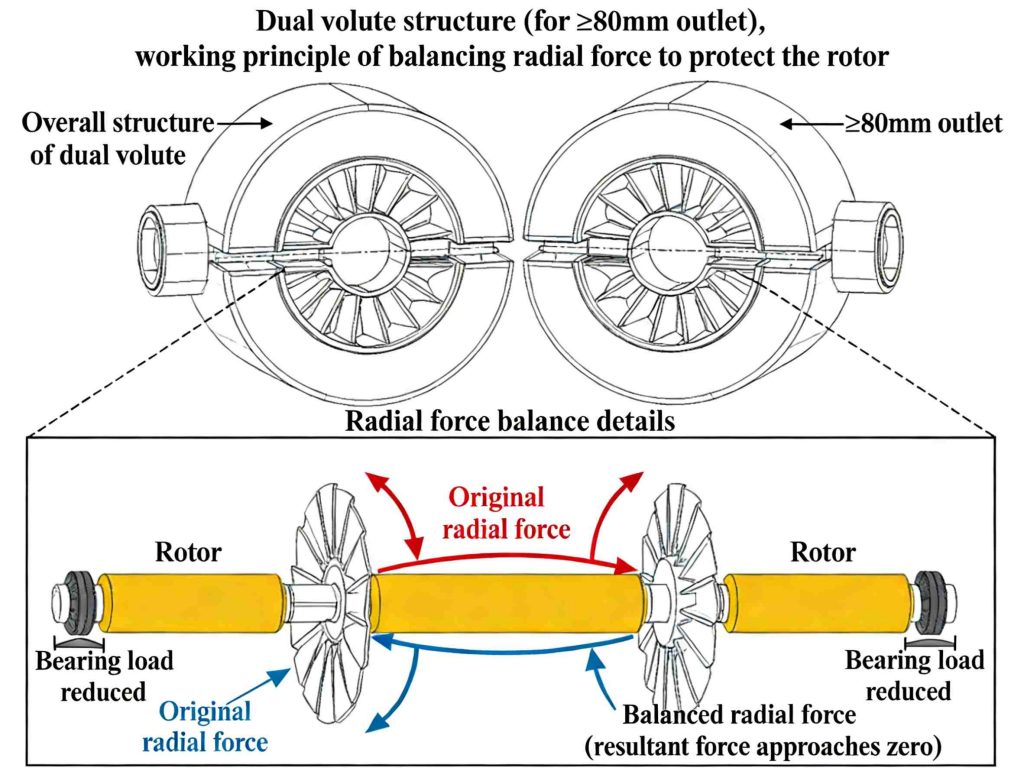
Single-stage vertical pipeline centrifugal pumps feature a plain build with reduced moving elements. This arrangement cuts down on mechanical trouble risks on its own. Look at the LZV(OH3) Single Stage Vertical Pipeline Centrifugal Pump from Longgang Pump as an example. It has a volute-type housing paired with a middle-support system. Such a setup keeps the rotor firm during everyday loads. The housing sticks to a volute-type form. For outlets at 80 mm and above, it employs a double volute method. This method handles side pressures effectively. And it preserves rotor strength. Besides, the vertical stance reduces shaft warp and tremors. These elements drive the bulk of damage in common flat-lying pumps. This series of products has a long service life, convenient and simple maintenance, high efficiency, and good anti-cavitation performance.
High Efficiency in Crude Oil Applications
These units handle liquids from medium to heavy density, such as crude oil. Types like the LZV(OH3) single-stage vertical pump depend on reliable hydraulic layouts for solid outcomes. The impeller form boosts protection against cavitation. It also sustains even flow amid changing setups. The design pulls from a tested hydraulic base. That yields firm efficiency along with reliable cavitation control. Flow routes get crafted to curb friction drops and energy pull. Daily expenses fall as a direct outcome.
Compact Footprint for Space-Limited Installations
A main hands-on plus of single-stage vertical builds is their modest area needs. It is widely used in industrial and urban water supply and drainage, high-rise building pressurized water supply, fire pressurization, and long-distance water supply. Various fields, such as conveying pressure and the petrochemical industry. Especially on ocean rigs or crowded refinery zones with limited side space, the vertical form simplifies slotting into active pipelines. Hence, it makes the LZV(OH3) a fine pick for package skid systems.
Lower Maintenance Requirements
The basic style of the single-stage build lowers the number of wear-prone spots. As such, reviews and fixes grow far simpler. Items like seals and bearings prove easy to approach. Thus, off periods for standard or fix-up tasks remain brief. Longgang Pump adds durable stuff that stretches service gaps wider.
Improved Mean Time Between Failures (MTBF)
Less intricate components mean fewer places for faults to arise. Better bearing setups and precise seal approaches stretch the system’s active span. Heavy-duty bearings are designed for extended runtime without premature wear. Longgang Pump’s engineering aims for consistent action in rough spots.
Centrifugal vs Reciprocating Pumps: Which is Best for Crude Oil Transfer Operations?
Performance Differences in Crude Oil Transfer
Centrifugal units supply constant flow patterns. This differs sharply from the uneven pulse of reciprocating types. Steady output proves key to lessening load on lines and damping noise in the arrangement. Centrifugal pumps like those from Longgang Pump offer lower vibration and noise levels. Plus, they manage grit in crude streams with fewer hitches. This drops the chances of harm.
Maintenance and Operational Considerations
Reciprocating units often demand frequent seal trades. Pressure cycles explain this strain. Centrifugal types, however, operate smoothly with minimal jolt. That factor aids in lengthening part durability and widening fix schedules.
Single Stage vs Multistage Pumps
When Single Stage is More Suitable
Lots of crude oil shift roles feature moderate rise needs. There, single-stage vertical units consume less power than multistage ones. Multistage’s added steps frequently cause extra power waste and prolonged fix times.
Cost and Maintenance Comparison
Multistage units require larger starting spends. Their fixed jobs drag on due to complex part orders. Yet, Longgang Pump’s LZV(OH3) delivers a balanced blend of power, firmness, and cost worth. Quick repairs and trimmed daily expenses make it shine.
Addressing Common Failure Concerns
Typical Causes of Centrifugal Pump Failure
- Mechanical Seal Failure: Seal damage is frequently caused by dry running or misalignment during installation.
- Bearing Wear: Usually attributed to inadequate lubrication or excessive radial loading—both issues that are mitigated through proper design and maintenance practices.
- Cavitation Damage: Occurs when vapor bubbles form due to poor suction conditions; these collapse violently inside the pump, causing pitting and surface fatigue.
How Longgang Pump Mitigates These Risks
Impellers cut to close measures ease vortex-linked cavitation threats. The LZV(OH3) includes ahead seal systems. They sustain seal strength in hard places. Advanced sealing systems minimize leakage and extend seal life. Moreover, its heavy-duty bearings support drawn-out run times sans quick decay.
Application Scenarios in the Petroleum Industry
Pipeline Transfer Stations
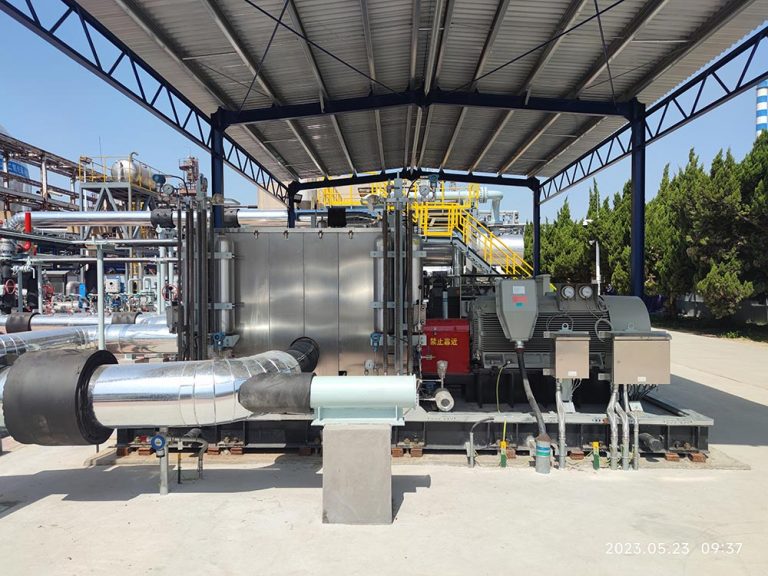
Line systems carry crude oil across huge distances. Pumps there require steady delivery in 24/7 cycles. The LZV(OH3) stands out in these spots thanks to its stream power and firm make.
Offshore Platforms
With its vertical configuration and compact design, the LZV(OH3) is especially suited for offshore environments where space constraints are critical. This series of products has a long service life, convenient and simple maintenance, high efficiency, and good anti-cavitation performance.
Refinery Process Units
Plant jobs typically face varying stream calls tied to cycle steps. The LZV(OH3) holds setup balance amid shifting states. It supports clean running over diverse load types.
Conclusion
For critical applications in crude oil transfer—especially within refinery, offshore, and pipeline contexts—the LZV(OH3) Single Stage Vertical Pipeline Centrifugal Pump from Longgang Pump represents a reliable, cost-effective solution. Longgang Pump was established in May 2001. Our company mainly produces the BB series, OH series, and VS series chemical centrifugal pumps. Our ongoing commitment to R&D collaboration with leading universities and rigorous quality assurance ensures that each pump we deliver meets the highest standards of performance and durability.
FAQ
Q: What makes a single-stage vertical pump suitable for crude oil transfer?
A: Its simple yet robust design reduces mechanical failure risks while providing excellent performance with viscous fluids like crude oil. Vertical orientation also optimizes space usage in dense installations.
Q: How does a centrifugal pump compare with a reciprocating pump for crude oil?
A: Centrifugal pumps offer smoother flow with lower maintenance needs than reciprocating types, which are prone to seal wear due to high-pressure cycles.
Q: What are typical causes of centrifugal pump failure?
A: Common issues include mechanical seal failure from dry running, bearing wear from poor lubrication, and cavitation damage due to improper suction conditions.
Q: Can the LZV(OH3) pump handle high-viscosity fluids?
A: Yes, it’s specifically designed with a high-efficiency impeller model suitable for viscous fluids like crude oil while maintaining energy efficiency.
Q: Is maintenance easier on the LZV (OH3) single-stage vertical pump?
A: Absolutely. Its simplified structure allows for quick access to critical components like seals and bearings, reducing downtime during routine service intervals.