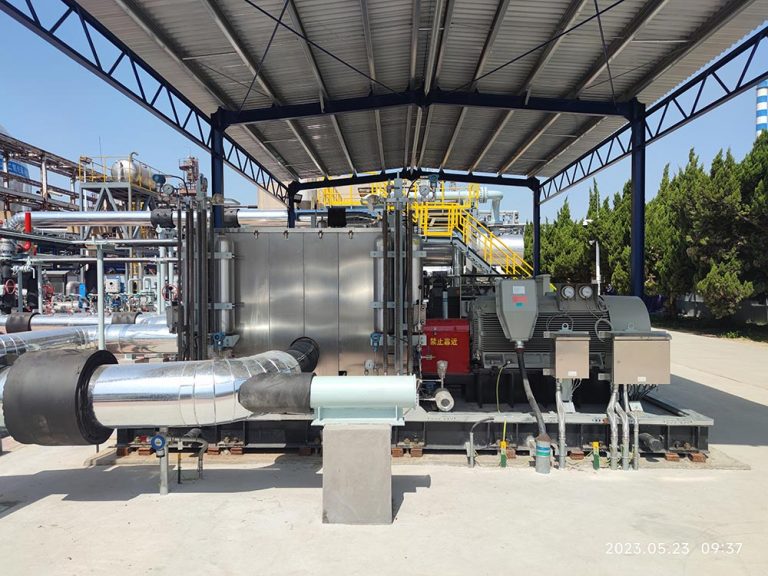
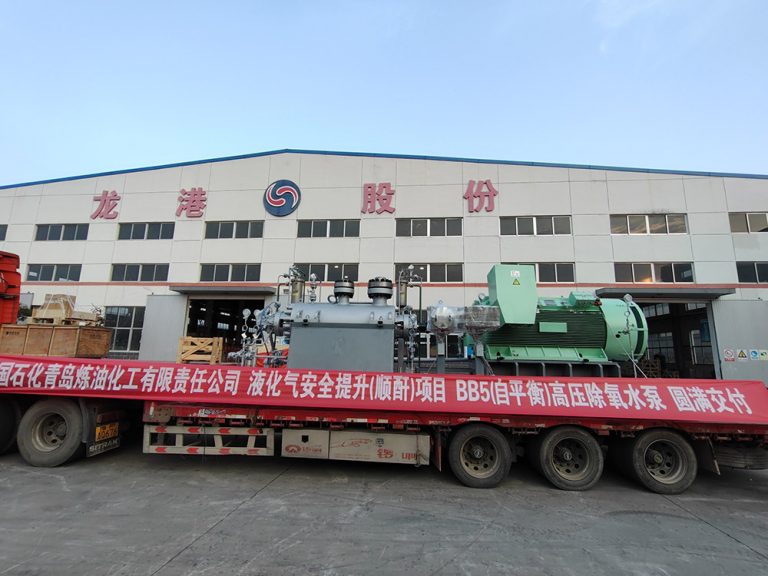

Refinery sites rank among the toughest places for any mechanical equipment. The pumps that move fluids there deal with very high temperatures, aggressive chemicals, and sudden pressure changes every day. These difficult conditions come with the job when you handle crude oil distillation, catalytic cracking, or ethylene production. Take hot oil transfer as one clear case—temperatures often stay above 350°C for weeks at a time, and the pump cannot afford to break down.
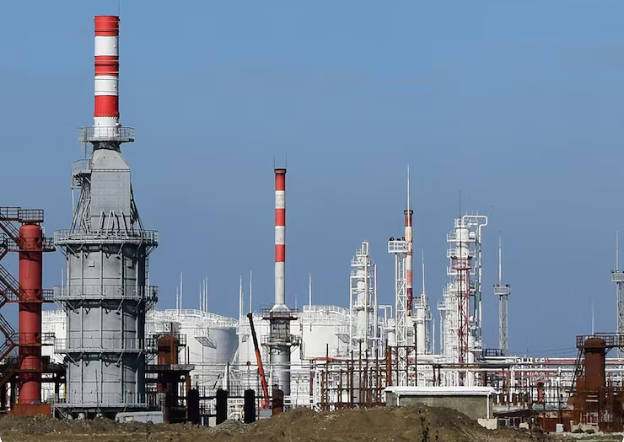
Longgang Pump supplies critical machines to many large-scale plants in China, including refineries that process tens of millions of tons of crude oil each year and ethylene units rated at millions of tons. In these plants, pumps must run 24 hours a day, 365 days a year. Even a short stop can shut down whole units and cost millions.
Common Consequences of Pump Failure
When a pump stops unexpectedly, the damage shows up fast. Worn bearings or a misaligned shaft can force the whole unit offline for days. Production stops, maintenance crews work overtime, and spare parts must be rushed in. Over time, these repeated repairs push operating costs much higher than planned. That is why plant managers look for pumps that last longer between overhauls and are simple to fix when the time comes. Longgang Pump has built its reputation on exactly those points.
High Temperature Challenges
Effects of Heat on Pump Performance
Hot fluids attack pumps in several ways. Ordinary steel loses strength above 300°C. Parts expand at different rates, so shafts move out of line and seals start to vibrate. Mechanical seals overheat and leak. In real plants, we often see quenching oil pumps or boiler feed pumps that handle liquids above 200°C day after day. Without the right design, these machines fail in months instead of years.
Longgang Pump’s Heat-Resistant Design
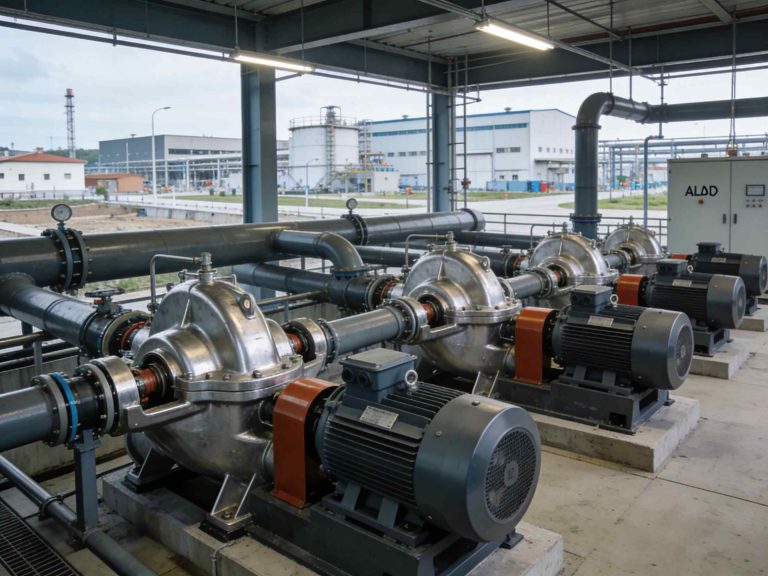
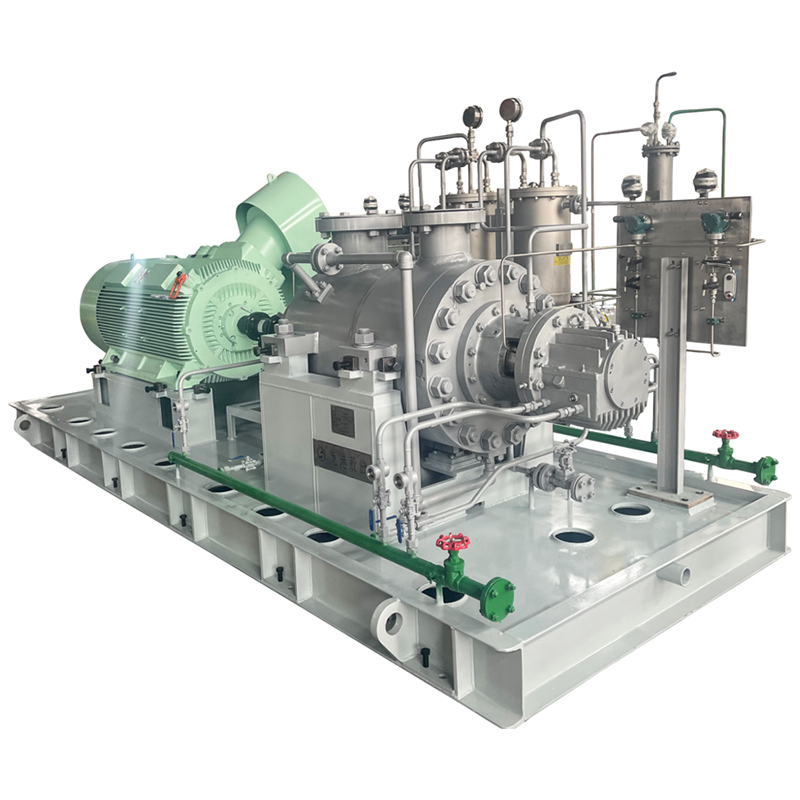
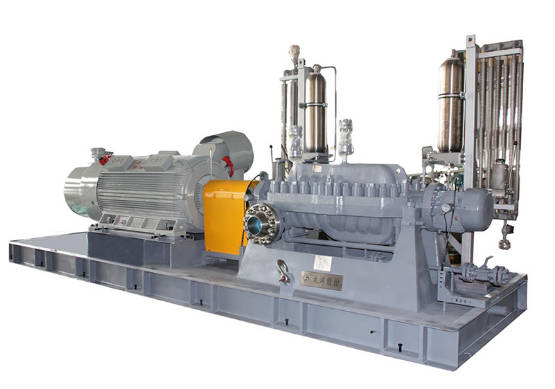
Longgang Pump developed the LTD (BB5) Double Shell Multi-Stage Centrifugal Pump for the hottest services. This model works reliably up to +450°C. The outer shell is forged and pressure-rated, so the inner cartridge stays protected. Forced-oil lubrication keeps bearings cool, and large fans on the bearing housings pull hot air away. Many refineries now run these pumps for five to eight years between major inspections.
Corrosion in Refinery Environments
Corrosive Agents in Refining Processes
Refinery fluids carry sulfur, chlorides, naphthenic acids, and sometimes raw hydrochloric acid. The pH can swing from very low to very high in the same unit. Standard stainless steel pits and cracks in weeks under these conditions.
Longgang Pump’s Anti-Corrosion Materials
Longgang Pump first offered standard chemical pumps in 316L and similar grades. Later, our company introduced special duplex and super-duplex alloys that resist dilute sulfuric acid, hydrochloric acid, concentrated sulfuric acid, and caustic soda. The LZA (OH1) Single Stage Cantilever Centrifugal Pump is one good example. It uses replaceable wear rings and balance holes in the impeller to keep axial thrust low. As a result, seals and bearings see far less corrosive liquid and last much longer.
Structural Integrity Under Pressure Fluctuations
How Pressure Variations Impact Pumps
In many refinery services—ethylene cracker bottoms, flash drum pumps, or high-pressure charge pumps—the pressure can jump or drop hundreds of bars in seconds. These shocks create metal fatigue in the casing and break down seals. Vibration follows, and bearings wear out quickly.
Reinforced Construction by Longgang Pump
The LBD (BB2) Radial Dissection Chemical Process Centrifugal Pump was built for exactly these conditions. It has a thick centerline-mounted casing, double volute, and heavy-duty shaft. The double volute cuts radial load on the bearings by more than half. Plants that switched to this model often report bearing life doubling from two years to four or five years.
Maintenance and Downtime Reduction
The Cost of Frequent Repairs
Every unplanned shutdown costs far more than the price of a new pump. A single day offline in a large refinery can mean several hundred thousand dollars lost. Add overtime for mechanics, cranes, scaffolding, and delayed shipments, and the real cost becomes huge.
Longgang Pump’s Reliability Advantages
The company’s BB2 series reaches hydraulic efficiency as high as 90.5 %. Less power wasted as heat means lower bearing temperatures and longer life. More important for maintenance crews, most Longgang Pump OH1 and OH2 pumps have a back pull-out design. Technicians can remove the rotating assembly without touching the piping or driver. A seal change that used to take two shifts now takes two hours.
Material Science Innovations by Longgang Pump
Advanced Alloys for Harsh Conditions
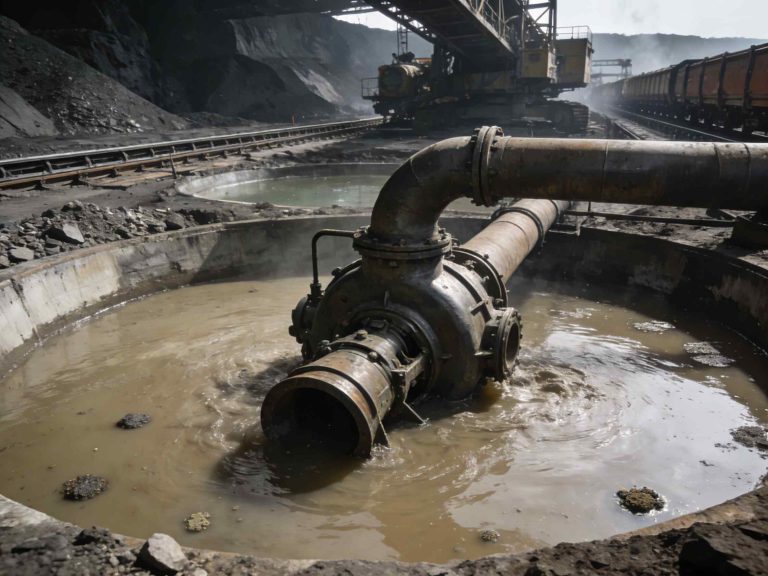
Longgang Pump keeps testing new alloys in its own laboratory and in customer plants. Some grades now handle black water in coal gasification units where the fluid contains 15 % solids and runs at 280°C. Other alloys work in ammonia plants, moving lean amine at high pressure.
Coatings and Treatments for Longevity
Besides the base metal, Longgang Pump applies hard coatings on impellers and wear rings. These coatings cut erosion from catalyst fines and sand. Passivation treatments on stainless parts stop chloride stress corrosion cracking in cooling-water services. The LCD (BB3) Horizontal Split Multi-Stage Centrifugal Pump used in long-distance pipelines and power-station boiler feed service benefits greatly from these surface treatments.
Engineering Solutions for Continuous Operation
Design Features That Enhance Durability
Double mechanical seals with API Plan 53B or 54 barrier fluid systems stop leaks even when pressure spikes. The LDTV (VS1) Vertical Suspended Single Shell Centrifugal Pump used in deep sump services has multiple bowl bearings and a rigid shaft, so it runs smoothly even at 25-meter setting depths.
Smart Integration With Process Systems
Newer Longgang Pump’s pumps come ready for vibration and probes. Sensors watch bearing temperature, casing vibration, and axial position in real time. The data feeds into the plant DCS so operators see problems hours or days before failure. Several refineries have cut unexpected pump failures by more than 70 % after installing these systems.
Conclusion
Longgang Pump knows the daily battles refinery teams face—scorching heat, corrosive fluids that eat metal, and pressure swings that shake equipment apart. Through better alloys, smarter mechanical design, easier maintenance features, and modern monitoring tools, we build pumps that keep running when others quit. Our factories, test stands, and service centers all focus on one goal: to help you keep the refinery profitable with minimum downtime.
FAQ
Q: What causes corrosion in refinery process pumps?
A: The main culprits are sulfur compounds, chlorides, acids, and rapid temperature changes, and low or high pH values found in most refinery streams.
Q: How does Longgang Pump handle extreme heat?
A: We use proven high-temperature alloys, forged double-casing designs, forced lubrication, and active cooling on bearings so the pump stays safe up to 450°C.
Q: Can a pump be both corrosion-resistant and heat-resistant?
A: Yes. Longgang Pump selects or develops alloys and adds protective coatings so the same pump handles both threats for many years.
Q: What makes Longgang Pump suitable for continuous refinery operation?
A: Heavy construction, high efficiency, back pull-out maintenance, double seals, and optional live monitoring all help the pump run month after month without trouble.
Q: How do I choose the right pump material for my refinery application?
A: Tell us the exact fluid composition, temperature range, pressure, and solids content. Our engineers will recommend the proven material and model from hundreds of successful installations.