
The Importance of High-Pressure Boiler Feed Pumps
Role in Refinery Cogeneration
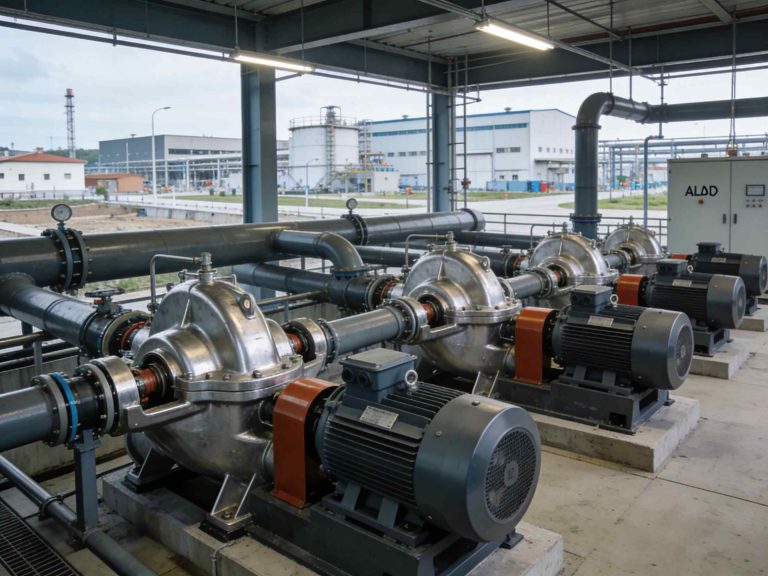
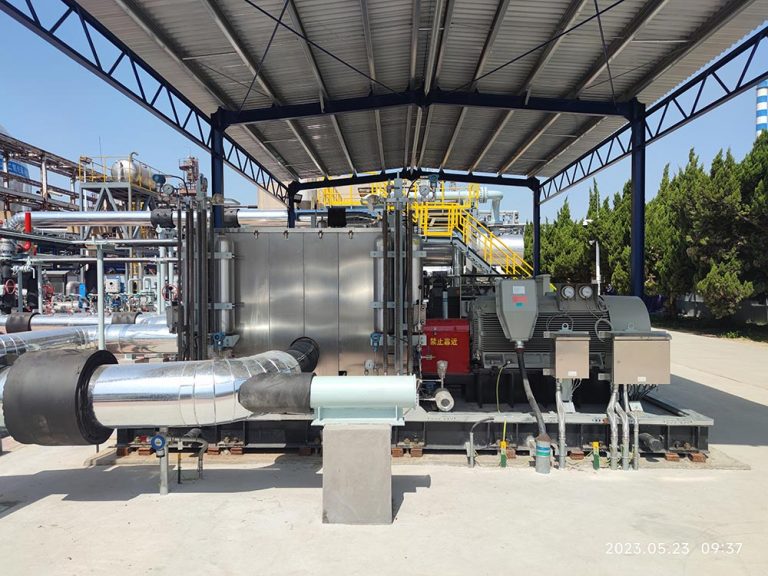
In the world of refinery cogeneration, where continuous power and steam generation are paramount, the importance of high-pressure boiler feed pumps cannot be overstated. These pumps are the lifeblood of power plants, ensuring the steady flow of water into boilers that fuel turbines to produce electricity. Any disruption in their operation can cause significant downtime, hampering energy production and diminishing the plant’s overall efficiency.
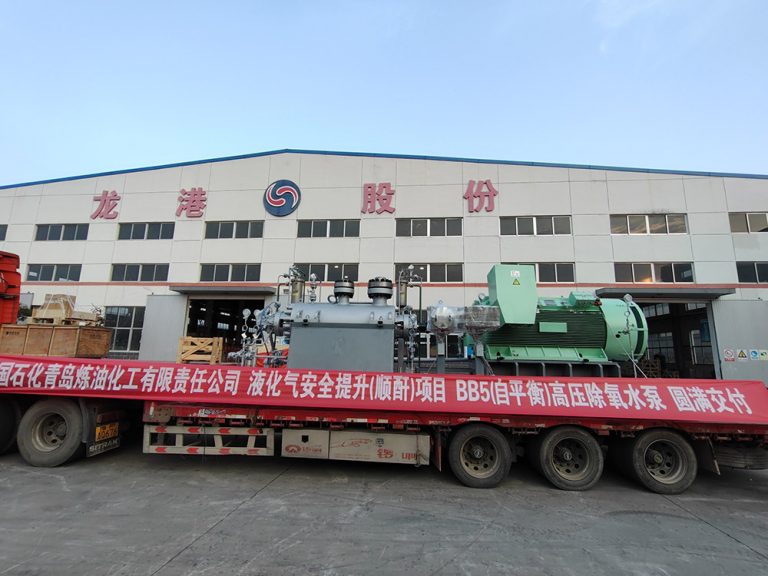
Longgang Pump supplies two main parts for the Qingdao Refining and Chemical Co., Ltd Acetic Anhydride Project: the key centrifugal pump and boiler feed pump. The setup’s planning backs both safety and steady work, especially in efforts like the Liquefied Gas Safety Improvement (maleic anhydride) initiative.
Impact on Overall Efficiency and Reliability
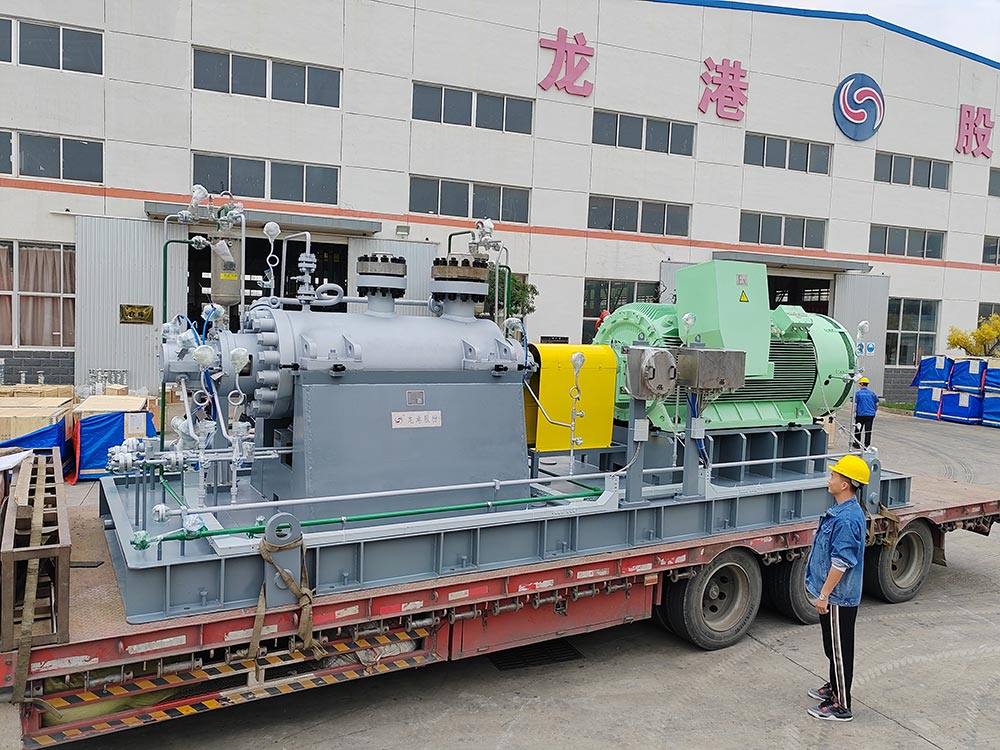
Tools like PUMPCAD and CFD analysis help create better water flow paths in Longgang Pump’s pump systems. This careful building boosts how well they run day to day. It also cuts down on wasted power. In cogeneration plants, where any stoppage means lost output, this steady work matters a lot. Longgang Pump’s pumps earn praise for their firm performance in big refinery jobs all over China.
Advantages of Vertical Centrifugal Pumps
Space-Saving Benefits
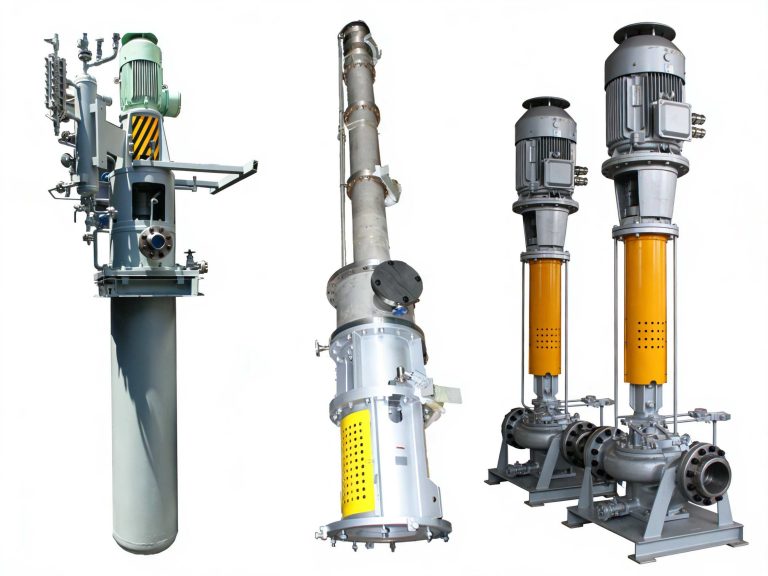
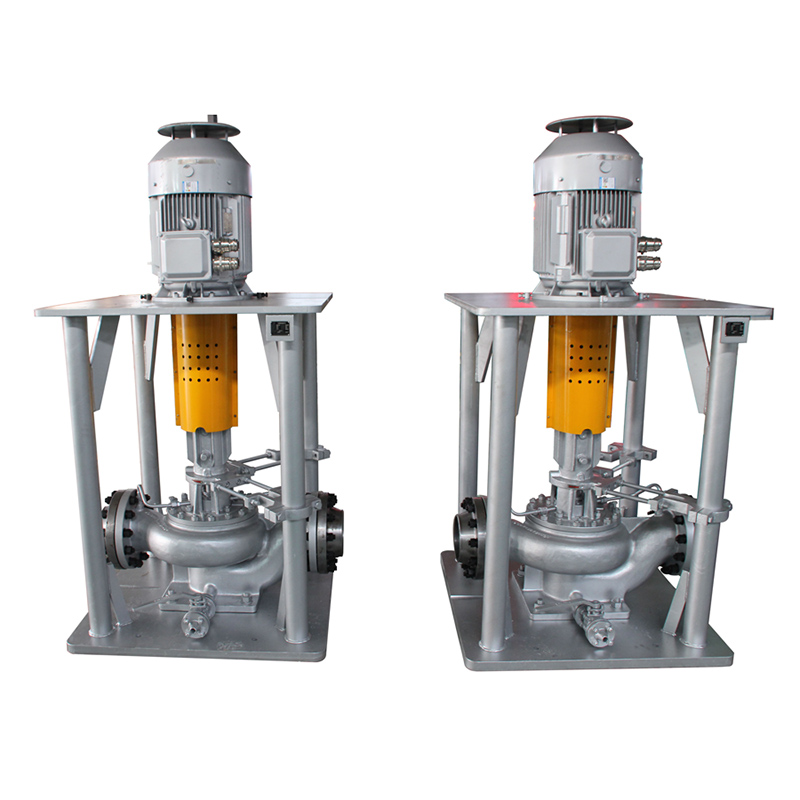
Maximizing space counts a great deal in today’s refineries and updated plants. Vertical centrifugal pumps take up less ground area. This lets workers make better use of the floor. LDTV (VS1) vertical suspended single-casing pumps follow API 610 (IS013709) VS1 build. They suit the petrochemical field, coal chemical work, cold engineering, nuclear power, and more. Their upright shape works best where space is short, but going down is possible.
For plants that are old and getting upgrades or additions, swapping out old flat units for upright ones like LDT (VS6) or LZV (OH3) saves a lot of space. It does this without cutting back on power or pressure handling. These styles not only use space wisely but also make pipe setups easier.
Simplifying Equipment Layout
Vertical centrifugal pumps make gear setups simpler. They cut the hassle that comes with flat designs. Their build lets motors link straight to the pump from above. This cuts down on the need to line up parts exactly. Such as the LZV (OH3) Vertical Pump for Crude Oil Transfer Solutions points out how this setup makes upkeep straightforward. At the same time, it keeps high work rates. In packed spots like refineries or chemical plants, easier setups lead to safer handling and quicker checks or fixes. The upright line also aids better water drainage and startup filling compared to flat-mounted types.
Addressing Alignment Issues
Horizontal vs Vertical Centrifugal Pumps
Line-up problems rank high among reasons for early damage or shaking in centrifugal pumps. Flat setups demand exact matching between motor shafts and pump links. Even small offsets can cause bearing breakdowns or seal drips as time passes.
Vertical centrifugal pumps naturally ease these troubles with their built-in shaft line-up. The strong shaft build holds up well in rough conditions. It promises smooth running right at the first key speed. This cuts bending while working, which adds steadiness under shifting loads common in refinery cogeneration. The LDTV (VS1) model shows this strength with its multi-point hold structure. It keeps the turning part firm even under big moving forces. So, users face fewer fix-ups and longer life for the gear. These points prove key in non-stop industry work.
Benefits of Vertical Alignment
Upright line-up makes putting in easier. Gravity helps keep parts in a straight line. This build lowers stress on links during heat growth or shrink cycles. Such cycles happen often in hot jobs like boiler feed systems. Plus, it skips many on-site line-up steps needed after fix periods.
Streamlining the Pump Priming Process
Filling up plays a big part in stopping air from getting stuck in the pump housings. That stuck air can lead to bubbling damage or breakdowns. Fast filling makes sure the liquid hits the turning wheels right at the start. This builds pressure quickly, which feeds boilers without hitches.
This line of goods lasts long. Upkeep comes easily and is basic. They run at good rates and fight bubbling well. For one, LZV (OH3) vertical pipeline pumps have better intake shapes. These speed up filling while holding steady flows at different pressures.
New ideas like balance holes and throat rings in LZE(OH2) models improve self-filling power. They even out inside pressure spots during start steps. These parts add a lot to safe running by lowering the risks of running dry. Dry runs often harm mechanical seals.
Centrifugal Pump Applications in Industry
Centrifugal pumps from Longgang Pump are built for many industry tasks outside refinery co-generation. Our company chiefly makes the BB series, OH series, and VS series chemical centrifugal pumps. These are widely used in the petroleum and petrochemical, coal chemical, basic chemical, environmental protection, and water treatment industries. Their flexibility means they fit in oil refining spots, salt water removal plants, fertilizer making lines, power stations, and sea-based rigs.
Jobs like the Qilu Petrochemical – Shengli Oilfield Million Tons CCUS Project highlight Longgang Pump’s skill in giving custom pump fixes matched to exact fluid traits. For example, they handle thick CO₂ movement under 10 MPa pressure. This shows strong technical know-how and care for the environment. In that project, pumps managed flows up to 500 cubic meters per hour without pressure drops, helping capture over a million tons of CO₂ yearly.
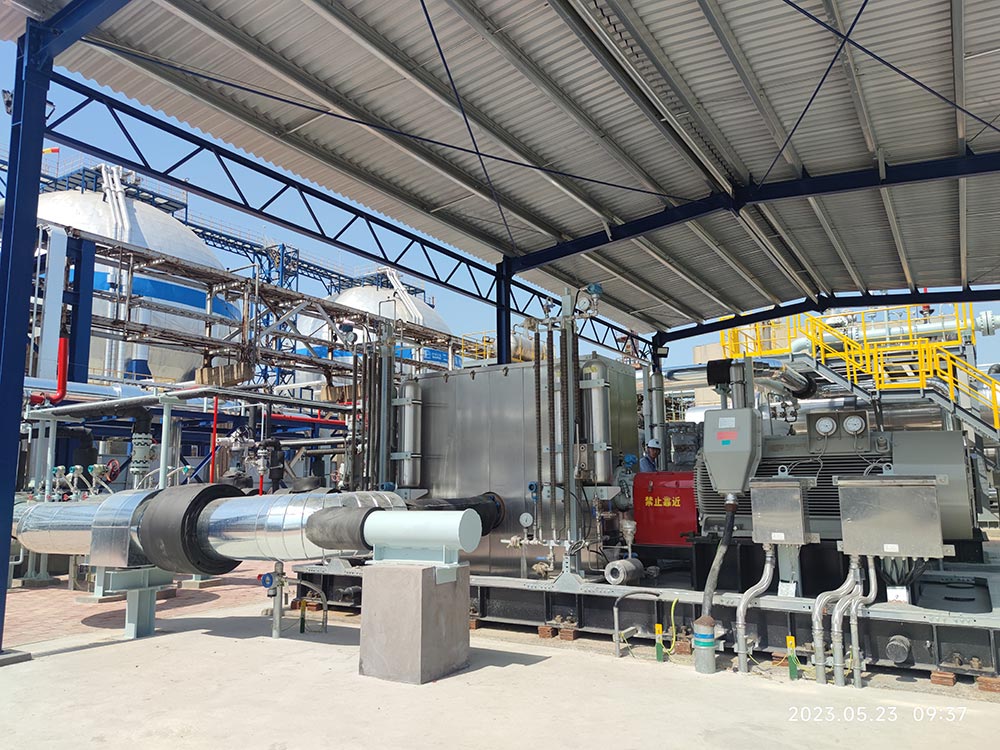
These wide uses explain why Longgang Pump counts as a trusted provider for CNPC, Sinopec, CNOOC, and other large firms around the world. Each product group—from BB5(LTD) double-shell multi-stage designs to VS4(LY) long-axis submerged types—tackles special work hurdles. All while sticking to global API rules.
To ensure uninterrupted operations and maximize your plant’s efficiency, trust in the reliability and innovation of Longgang Pump’s high-performance solutions. Contact us today to learn more about our cutting-edge boiler feed pumps and how they can enhance the performance of your refinery cogeneration system.
FAQ
Q: How do vertical pumps address alignment issues compared to horizontal ones?
A: Vertical designs reduce misalignment risks through integrated shaft structures that maintain precise axial orientation during operation—minimizing vibration and extending service life.
Q: Why is proper priming important for centrifugal pumps?
A: Effective priming prevents air pockets that can lead to cavitation or reduced performance. Rapid self-priming mechanisms ensure smooth startups, essential for continuous boiler feed operations.
Q: What role do high-pressure boiler feed pumps play in cogeneration?
A: They sustain steam cycles by maintaining consistent water supply pressure to boilers—critical for uninterrupted power generation within refinery systems.