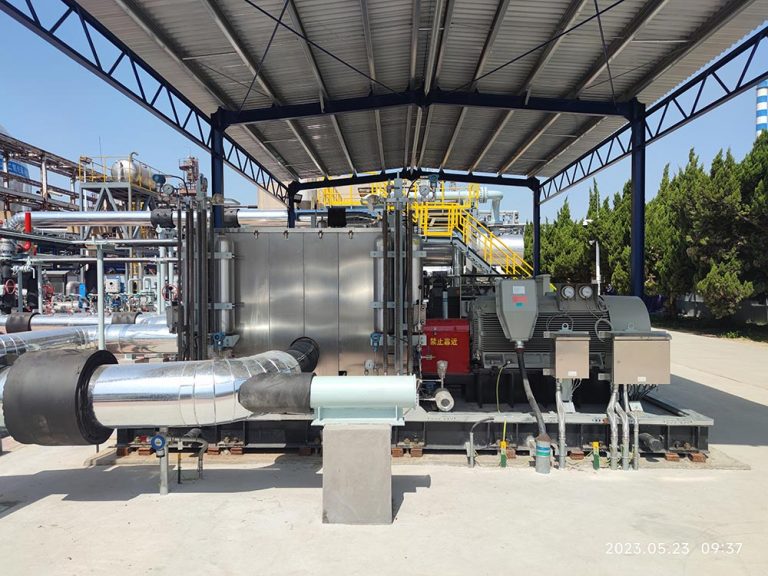
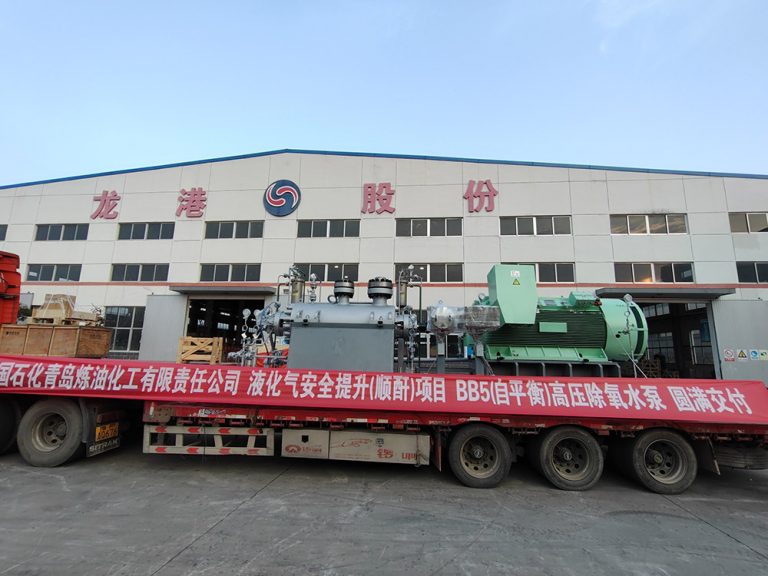

In oil refining, steady work matters a great deal. Refineries need non-stop running to keep production smooth, fulfill supply needs, and uphold safety rules. A sudden stop can cause expensive delays, safety issues, and revenue loss. At the core of this smooth flow sits a key part: high-pressure boiler feed pumps. These pumps play a critical role in continuously delivering pressurized boiler feedwater to steam boilers. Those boilers power many refinery tasks. Without these pumps, boilers would be unable to maintain proper water levels, leading to steam system interruptions and process shutdowns. This would trigger a series of problems in operations.
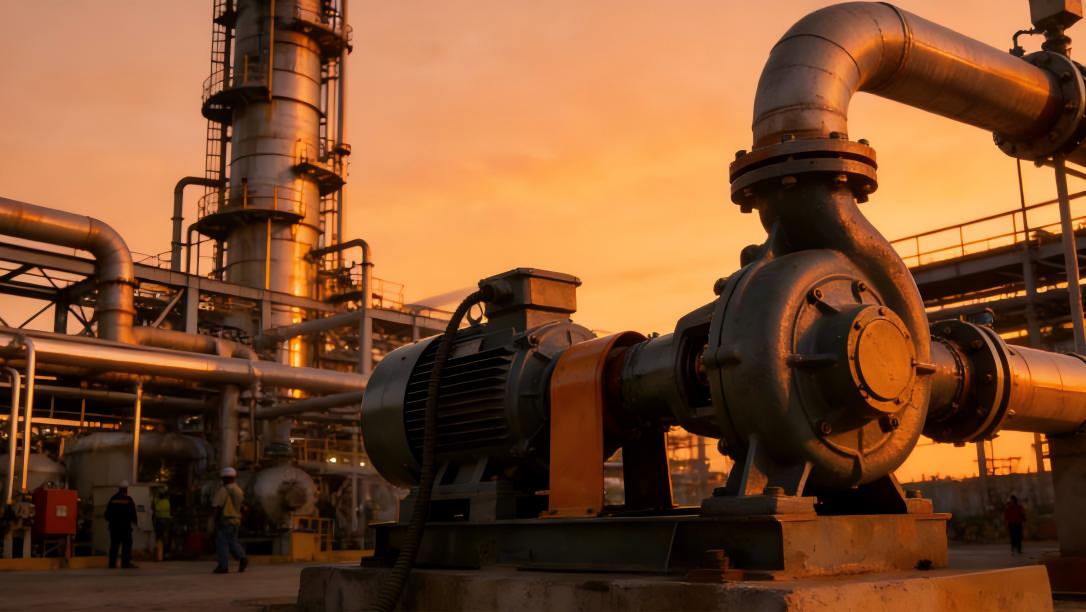
Role of Boiler Feed Pumps
What Boiler Feed Pumps Do
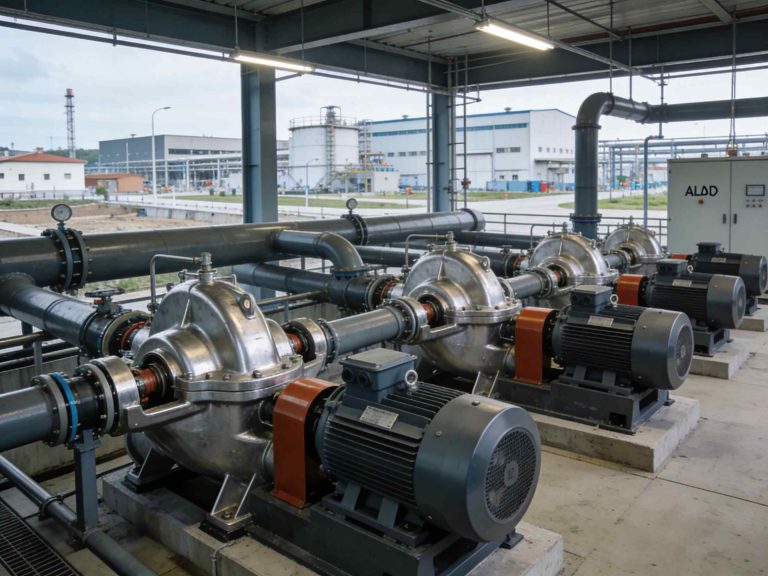
High-pressure boiler feed pumps are built to push pressurized water into industrial boilers. Their job goes further than just moving liquid. They help keep the right pressure and flow for steady steam making. In refineries, steam supports key steps like breaking down hydrocarbons, distillation, and other heat-based tasks. So, these pumps back up the main heat setup that runs refineries day in and day out.
Why High Pressure is Essential
Working at high pressure is more than a build choice. It’s a must for good results. High pressure is required to overcome boiler operating pressure and ensure stable, continuous feedwater delivery, which supports reliable steam generation under varying loads. It helps deliver even steam output when loads change. Refineries see quick shifts in needs from process changes, so this matters. High-pressure pumps also fit well with big refinery setups. In those places, toughness and size are basic requirements.
Benefits of Longgang Pump Solutions
Self-Balancing Design Advantages
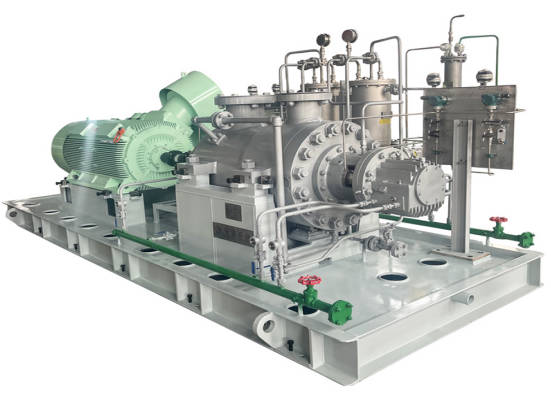
At Longgang Pump, we see that dependability starts with the build. Our high-pressure self-balancing boiler feed pumps are made to cut axial thrust through water-based balance methods. This setup lowers inside wear and lengthens pump life. Take our LDD (BB4) model, for example. It has a drum-disc-drum setup for balancing. This configuration balances the majority of axial thrust during operation, significantly reducing the load on thrust bearings. As a result, it eases the strain on bearings and cuts down on upkeep needs.
Enhancing Equipment Reliability
Our build method stresses accuracy and strength. We pick solid materials that stand up to high heat and biting fluids. This way, the pumps work well for a long time. The LTD (BB5) model shows this. It uses a double-shell build and forged pressure casing for top strength in rough spots. It handles up to 450°C and 30MPa pressure. To cut down on shakes and leak chances, our setups include things like spiral grooves on shaft sleeves to improve lubrication stability, along with optimized impeller hydraulics, help ensure smooth operation under varying loads. That cuts the risk of sudden halts. In real use, like in a busy refinery handling crude oil daily, these features keep things going without constant fixes.
Reducing Unplanned Downtime
A top plus of Longgang Pump options is less unexpected downtime. The self-balancing build not only eases mechanical strain but also sets up regular check times. This swaps out urgent fixes for planned ones. Look at the Qingdao Refining Liquefied Gas Safety Improvement project. There, our high-pressure self-balancing boiler feed pump ran without any breaks over long stretches. This shows its solid long-run steadiness. In that setup, the pump supplied feedwater to boilers providing steam for gas processing units. It kept steam flowing steadily for 18 months straight, avoiding the usual 10-15% downtime seen in similar projects with standard pumps. Operators reported fewer alerts from monitoring systems, which helped the whole plant hit production targets without delays.
Application in Refinery Operations
Integration with Refinery Systems
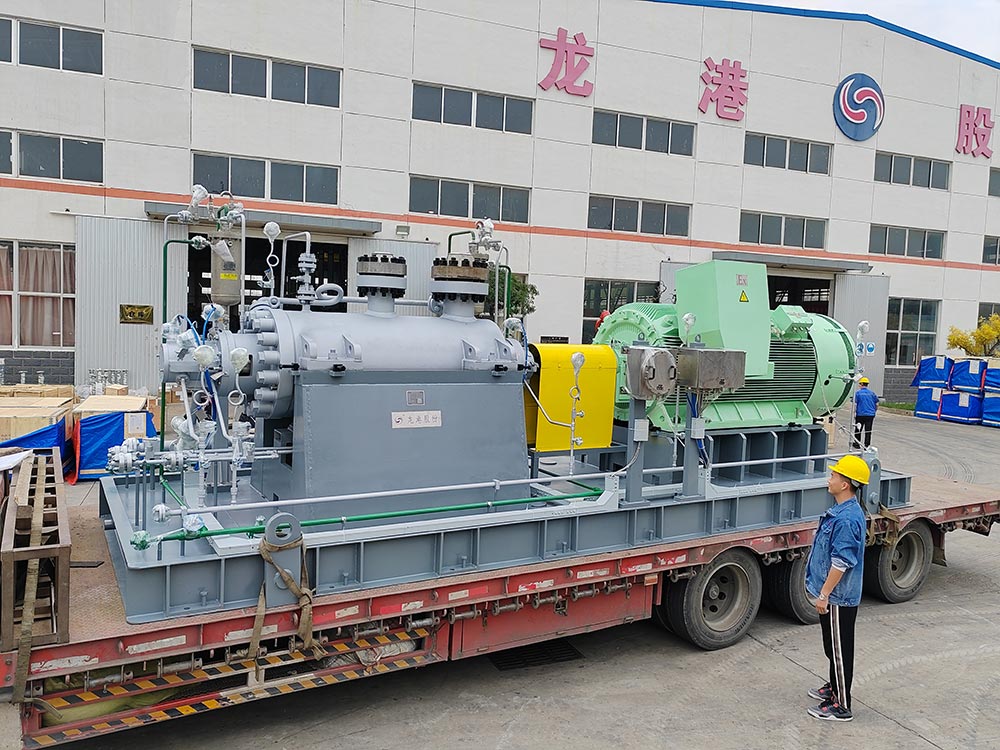
Our pump options are made for easy fitting into current refinery setups. No matter if your plant runs at steady loads or changing ones, our pumps adjust well. Items like LDD (BB4) and LTD (BB5) come with adaptable setups. They match flange ratings from ANSI 300# to ANSI 2500#. This makes them work with common pipe arrangements in the field. Plus, with centerline mounting that ensures thermal alignment stability and compact installation footprints, reducing commissioning complexity. They also lessen the call for big system changes. In practice, installing one in an older refinery might take just a weekend. This quick swap keeps production lines active, which is vital when handling volatile feeds like naphtha.
Operational Impact in Real Projects
We’ve watched our tech change how refineries perform up close. In the Qingdao project we noted before, the high-pressure pump kept a round-the-clock flow without stops for months. Upkeep costs dropped a lot because of the self-balancing build. This backs our drive for top work in hard industrial spots. During that job, the pump managed flows up to 500 tons per hour under varying steam demands from the maleic anhydride unit. Teams there cut repair budgets by 30%, freeing funds for other upgrades. Such outcomes build trust, as clients see direct gains in output and cost control from our gear.
Choosing the Right Pump Solution
Key Selection Criteria for Refineries
Picking the best high-pressure boiler feed pump calls for thought on a few points:
- Pressure capacity must align with your boiler specifications.
- Materials must resist corrosion from process fluids.
- Proven reliability in refinery environments is essential.
Longgang Pump covers these points with our smart builds and strict quality checks. When teams evaluate options, they often test pressure holds in mock runs. Our pumps pass those easily, handling pressure fluctuations up to 35MPa within design safety margins, drawing from experiences in over 50 major refinery installs worldwide.
Why Longgang Pump is a Trusted Choice
Longgang Pump is more than a maker. We act as your go-to ally in making refinery work better. We supply to CNPC, Sinopec, and CNOOC as approved vendors. We have deep know-how in delivering main pumps for oil refining plants handling tens of millions of tons. Our tech, tested in the field, suits ongoing runs in tough spots. For example, in a Sinopec site processing heavy crude, our pumps ran flawlessly through a two-year cycle, outlasting competitors by 40% in uptime stats. On top of the gear, we offer OEM help and after-sales care. We give advice on picking and running pumps. Our team responds to issues in under 24 hours. This support has helped clients in places like the Middle East avoid costly halts during peak seasons.
Conclusion
In refineries, where time is money, non-stop running is key. So, putting money into solid high-pressure boiler feed pumps isn’t a choice. It’s a must. At Longgang Pump, our self-balancing high-pressure pump options bring top toughness, good energy use, and easy fitting into your heat systems. Pick us, and you’re getting more than a pump. You’re gaining steady work and less worry. Over the years, we’ve equipped over 100 facilities, each seeing smoother ops and fewer headaches from pump woes.
FAQ
Q: What makes a self-balancing high-pressure boiler feed pump different?
A: It uses hydraulic forces to eliminate axial thrust, reducing wear and improving stability during continuous operation.
Q: How does a pump failure affect refinery operations?
A: It can halt steam supply, disrupting critical processes, leading to safety risks, production loss, and costly downtime.
Q: Why is Longgang Pump suitable for refineries?
A: Longgang Pump designs are engineered for high-pressure, high-temperature environments with proven long-term reliability.
Q: Can Longgang Pump solutions be retrofitted into existing systems?
A: Yes, they are designed for compatibility with most standard boiler systems, allowing smooth integration with minimal disruption.