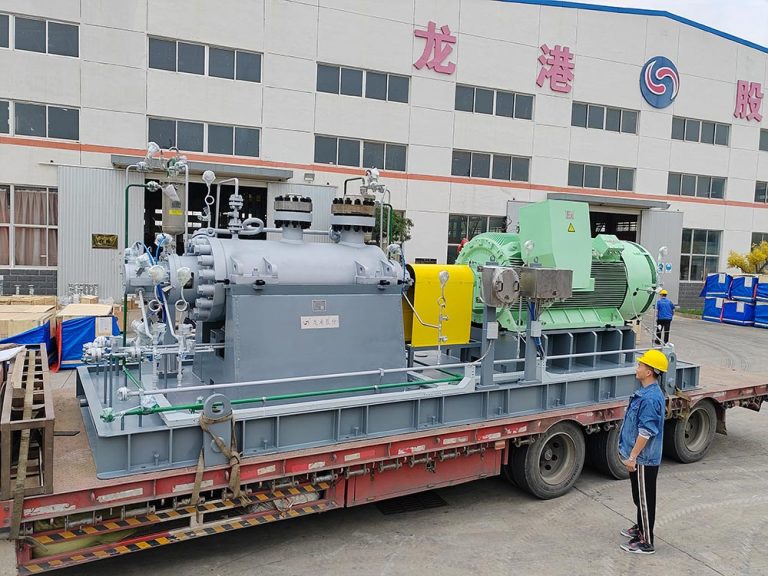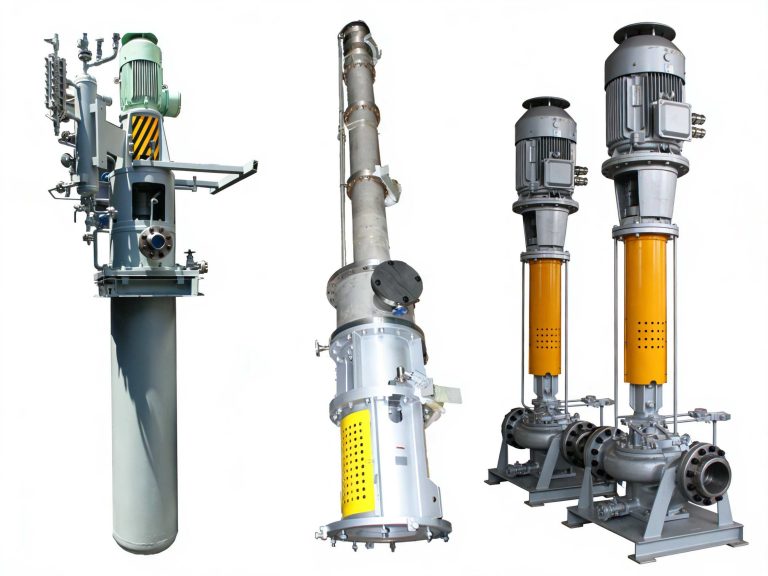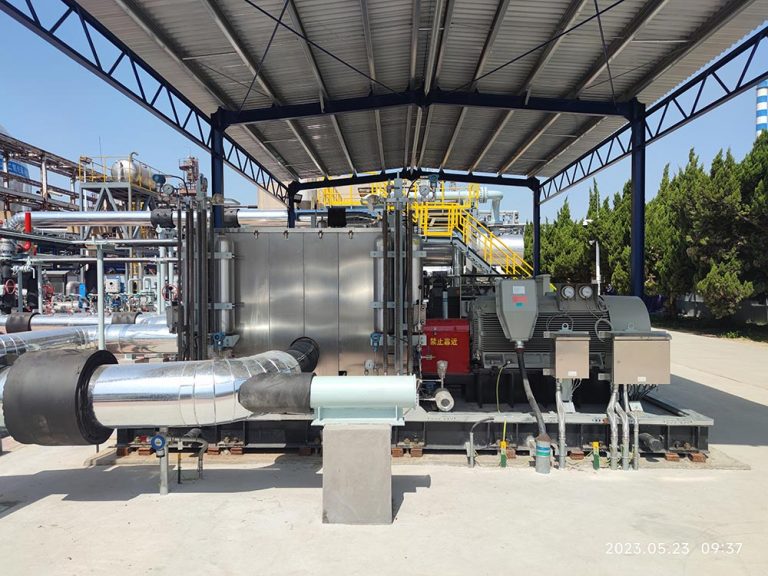
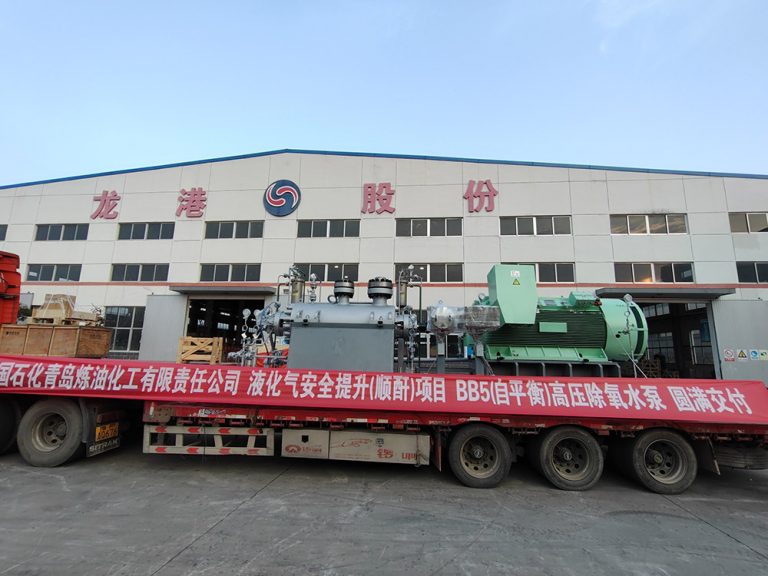

Cooling water setups are key in keeping temperatures steady in big factories like oil refineries and power stations. Good cooling gets rid of heat from machines and work processes. This keeps things safe and running well. But if high-flow cooling doesn’t work right, troubles pop up. Machines can get too hot and break. Or they use too much power. This leads to stops in work and extra costs. Longgang Pump provides mature solutions for pumps in petrochemical equipment and provides key pumps for many domestic installations and applications, such as tens of millions of tons of oil refining and millions of tons of ethylene.
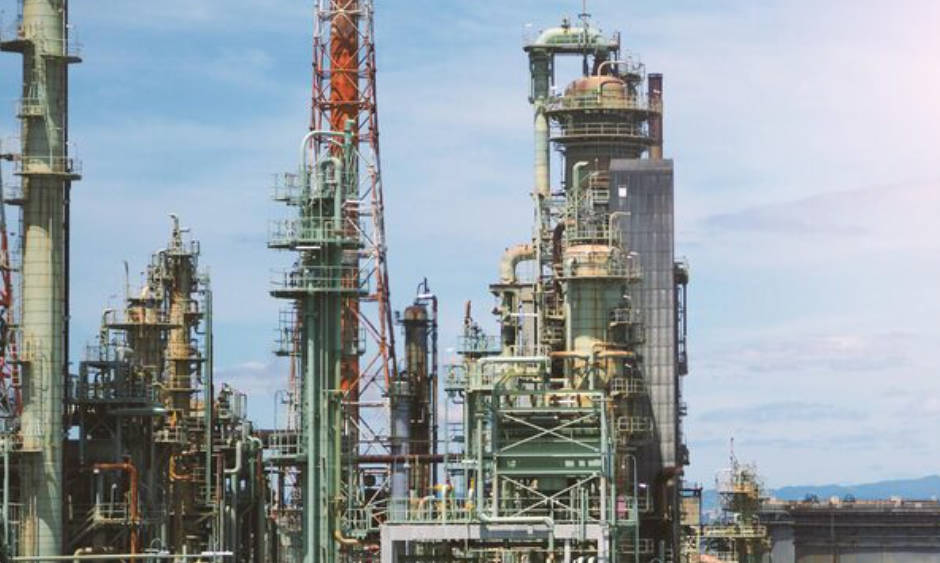
Common Issues in High-Flow Pumping
In setups with lots of water moving fast, workers deal with ongoing troubles like cavitation, shaking parts, and too much power use. Cavitation is when bubbles form in the pump and burst. This hurts the impeller and slows things down. Shaking comes from parts that are not balanced or lined up correctly. It wears out stuff quicker. And pumps that are too big or not good at their job suck up extra electricity. That raises bills and hurts the environment more.
Understanding High-Flow Pumping Problems
What Causes Cavitation in Pumps
Cavitation starts when pressure inside the pump drops below the water’s vapor point. Bubbles show up. Then they pop hard in spots with higher pressure. This scrapes the impeller. Not only does it make the pump worse, but it also means fixes or new parts are often needed.
How Vibration Affects Pump Performance
Shaking can come from bent shafts, uneven rotors, or old bearings. It messes up steady work, makes noise, and breaks parts too soon. You need to keep shaking low for the system to last.
The Impact of High Energy Consumption
Pumps that don’t fit the job well eat up lots of power. Big ones run away from their best spot. So they waste energy. This turns into bigger electric bills and more harm to nature.
Longgang Pump’s Technical Solutions
At Longgang Pump, we see these troubles and build our stuff to fix them in a smart, simple way. We focus on making things work better without fuss.
Benefits of Axially Split Double Suction Pumps
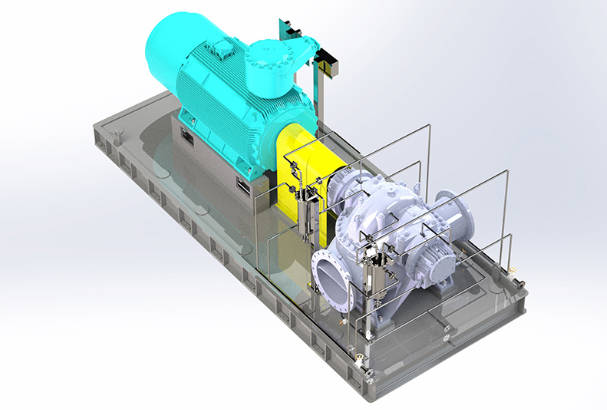
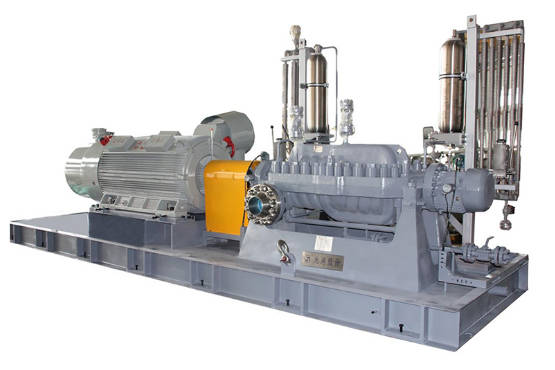
The LAD (BB1) axial split double-suction centrifugal pump has a double-suction impeller. It balances axial forces on its own. This cuts stress on bearings and shafts. The double volute pump body cuts down on radial pressure jumps, too. So vibration drops. These features make it great for high-flow cooling, where you need things to run smoothly and last long. For example, in a busy oil plant, this setup handles big water loads without shaking the whole line.
Low NPSHr Design Advantage
The blade setup in Longgang Pump’s double-suction impeller is top-notch. It keeps the Net Positive Suction Head required (NPSHr) low. This cuts cavitation chances even with tons of water flowing. Things run smoothly and safely for a long time. That’s big for cooling jobs that can’t stop.
Horizontal Split Casing for Easy Maintenance
The casing on the LAD series splits axially. You can get to the inside parts without touching the pipes in or out. This saves time on checks or fixes. In huge plants where time is money, this quick access means less cash lost on downtime. Workers can pop it open, look around, and close it up fast.
Application Scenarios in Large Plants
Petrochemical Plant Cooling Systems
In spots with harsh liquids and changing workloads, like chemical factories, toughness and matching materials matter a lot. We make special pumps from alloys that fight thin sulfuric acid, hydrochloric acid, thick sulfuric acid, caustic soda, and other tough stuff. We use super-low-carbon duplex stainless steel for really bad corrosion. These let products like the LAD (BB1) pump keep a steady flow even under hot stress. Say in an oil refining spot handling millions of tons, the pump deals with hot, eating-away water without breaking down.
Power Plant Circulating Water Systems
Power spots need non-stop big water loops for cooling. Our pumps, like the LAD (BB1) and LCD (BB3) models, handle high loads with little shake and good water flow. This means solid cooling when power making is at its peak. During busy hours, the system stays cool without hiccups, avoiding shutdowns that cost thousands.
Selecting the Right Pump for Your Needs
Key Parameters to Evaluate
Picking the best pump means looking at stuff like flow speed, head, NPSHr, how it matches the liquids, and space to put it. The wrong choice leads to bad work or fit problems. You check these to match the job correctly.
Why Longgang Pump Stands Out
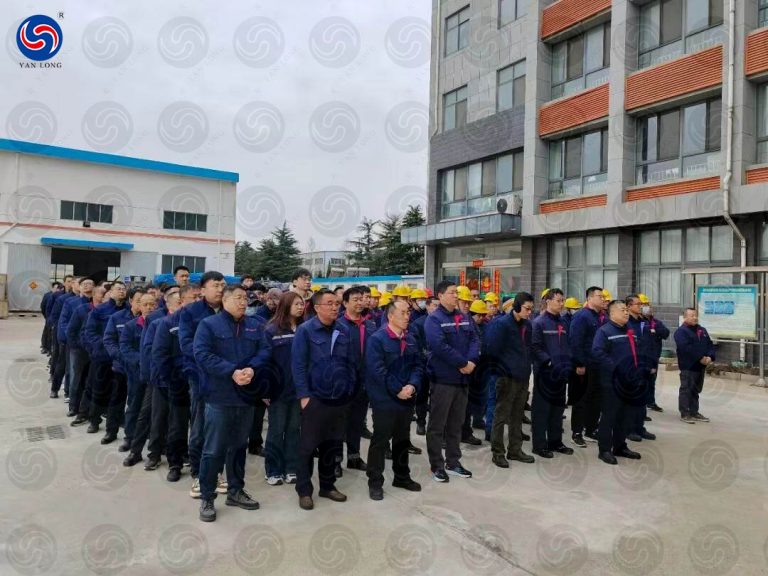
Longgang Pump was established in May 2001. We are a “high-tech enterprise” recognized for our contributions to national standards formulation in the pump industry. With products widely used in the petroleum, coal chemical, environmental protection, and water treatment sectors, our pumps have been praised both domestically and internationally. Folks in the field know us for solid builds that just work day after day.
Maintenance Strategies for Longevity
Routine Inspection Guidelines
To keep things going smoothly, check seals, shaft lineup, bearings, and oil spots now and then. Catch small weeds before they turn big. This stops surprises. In a real plant, guys do this monthly, spotting loose bolts or dry spots early.
Spare Parts and Support Services
Longgang Pump has quick teams and real maker parts ready. We answer quality troubles in 24 hours and send help if needed. We stick with you from setup to the end. It’s not just selling a pump; it’s teaming up for the long haul.
Conclusion
Big factories deal with tough stuff in high-flow cooling water pumping. From cavitation and shakes to power waste and fixing headaches. At Longgang Pump, we tackle these with built solutions made for trust, good work, and lasting power. With stuff like axial split casings, low NPSHr impellers, rust-proof materials, and easy-fix designs, our LAD (BB1) and LBD (BB2) stand out in big cooling jobs. They don’t just run; they lead the way.
FAQ
Q: What makes axially split double suction pumps better for large-scale cooling?
A: Their design balances axial forces and allows higher flow rates with lower cavitation risk, making them ideal for high-demand cooling systems.
Q: How does Longgang Pump help reduce energy consumption?
A: Longgang Pump uses hydraulically optimized designs that deliver the required flow with less power, improving overall system efficiency.
Q: Can these pumps handle corrosive or hot water used in petrochemical plants?
A: Yes, Longgang Pump offers materials compatible with corrosive fluids and high-temperature operations common in petrochemical environments.
Q: Is maintenance difficult for these large pumps?
A: No, the horizontal split casing design allows easy access to internal components without dismantling the entire setup.
Q: How do I choose the right pump model from Longgang Pump?
A: Consult with our technical team to match your plant’s specific flow rate, head requirements, fluid type, and installation constraints.