
The Importance of Precise Feed Pumping
Role in Catalyst Longevity
In the high-stakes world of the Hydrogen Peroxide to Propylene Oxide (HPPO) process, where even minor disruptions can lead to substantial losses, precision is key. Maintaining a steady and consistent feed flow isn’t just a minor operational detail—it’s a critical factor that directly influences catalyst longevity, reaction efficiency, and overall production costs. Small fluctuations in feed speed can result in uneven heat distribution, inconsistent chemical reactions, and accelerated catalyst wear, all of which negatively impact both output quality and plant profitability. engineered solutions, such as our dual-volute centrifugal pumps, are designed to minimize these risks and optimize performance, helping you safeguard your catalysts and maximize your production efficiency.
Maintaining Reaction Selectivity
Reaction selectivity in HPPO setups relies on tight control of input mixes. A reliable feed speed ensures that hydrogen peroxide links well with propylene. This forms propylene oxide. It also cuts back on side effects that create extra items like glycols or oxygen-rich compounds.
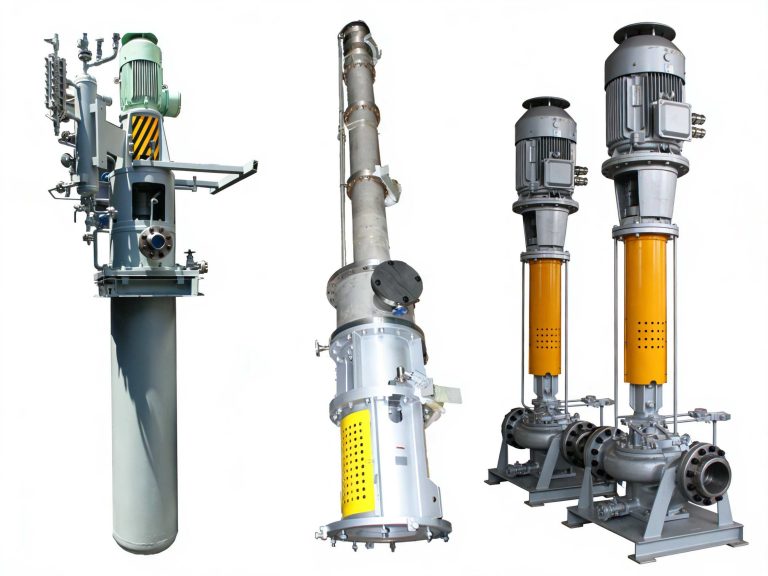
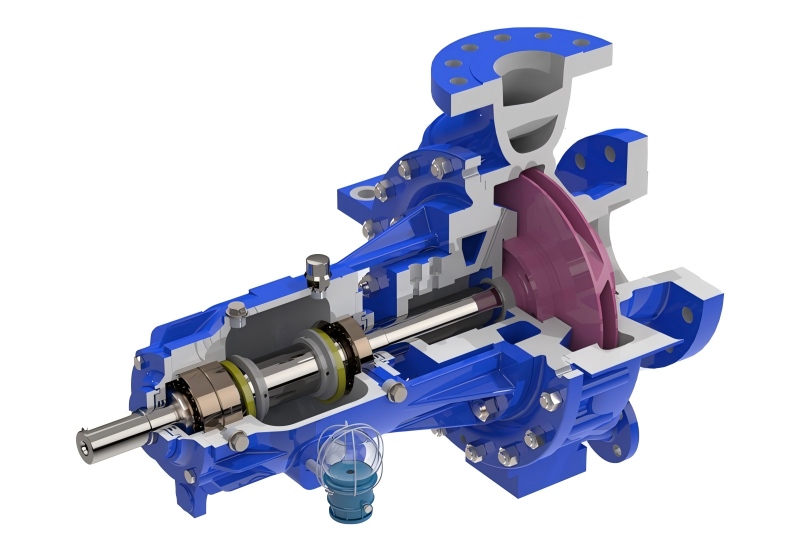
Our LZE (OH2) Single Stage Cantilever Centrifugal Pump shows strong fluid handling and resistance to air bubble damage. It keeps the output pressure steady. Even during quick changes in conditions, it performs well. The impeller draws from a top fluid model. This brings high output and bubble resistance. Such accuracy lets HPPO units run in tight selectivity ranges. Yields rise, and waste handling costs drop.
By providing even flow without bursts or pulses, Longgang Pump gear supports ideal reaction settings. Catalysts stay active at full strength for extended times. Operators in the field often note how this steady supply avoids hot spots in reactors, which could otherwise drop yields by up to 5% in unstable runs.
Longgang Pump in HPPO Processes
Centrifugal Pump Applications
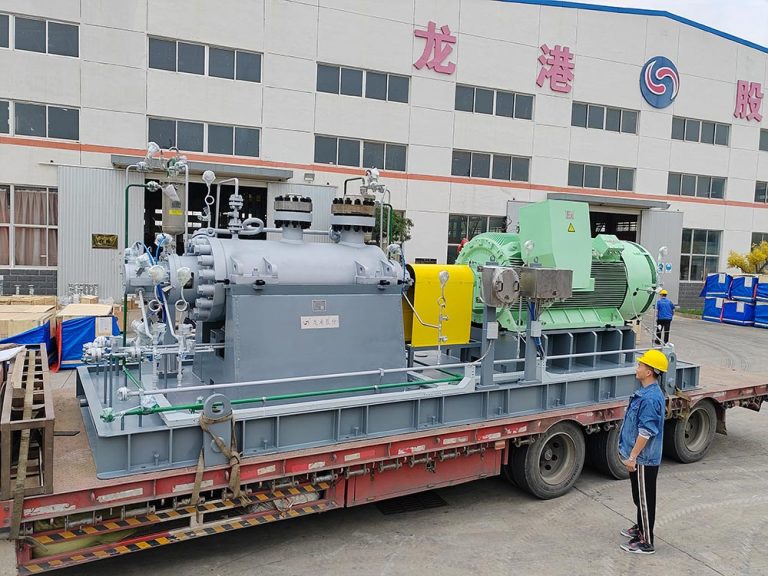
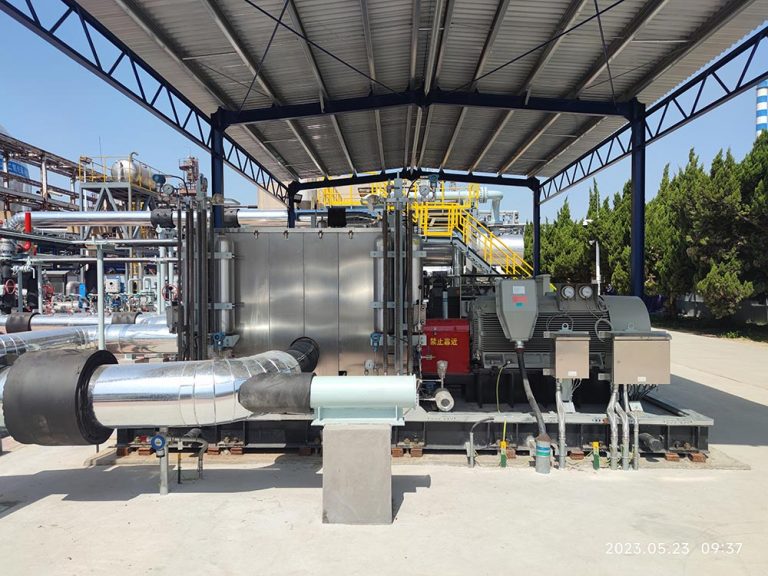
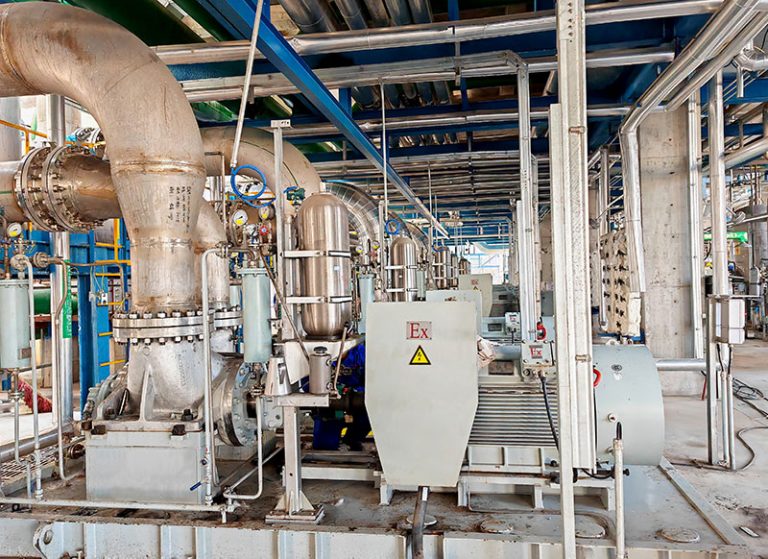
The HPPO method needs pumps that manage oxidizing materials. They must work under set pressure and heat levels. Longgang Pump serves as an approved provider for CNPC, Sinopec, and CNOOC, among others. Our gear finds use in big oil-chemical sites. Think of ethylene facilities and oxidation sections. There, dependability stands out as essential.
For example, Longgang Pump’s LDD (BB4) High-Pressure Segmented Multi-stage Centrifugal Pump suits moving clear liquids or those with tiny particles. It handles pressures up to 30 MPa. Temperatures reach +210°C. These traits fit HPPO systems that demand strict high-pressure feed management. The split design gives good bubble performance. It also keeps shakes low through several stages.
In efforts like the Lihuayi Weiyuan Chemical Co., Ltd. 300,000 tons/year Direct Oxidation Method Epoxy Propane Project, our pumps showed solid results. They met tough process needs. This deal marks a key win for Longgang Pump’s premium pump work. It highlights client trust in our technical know-how and builds skills. Project teams reported that our units handled feed surges during startup phases, keeping the line at 98% uptime from day one.
Benefits of API 610 Pumps
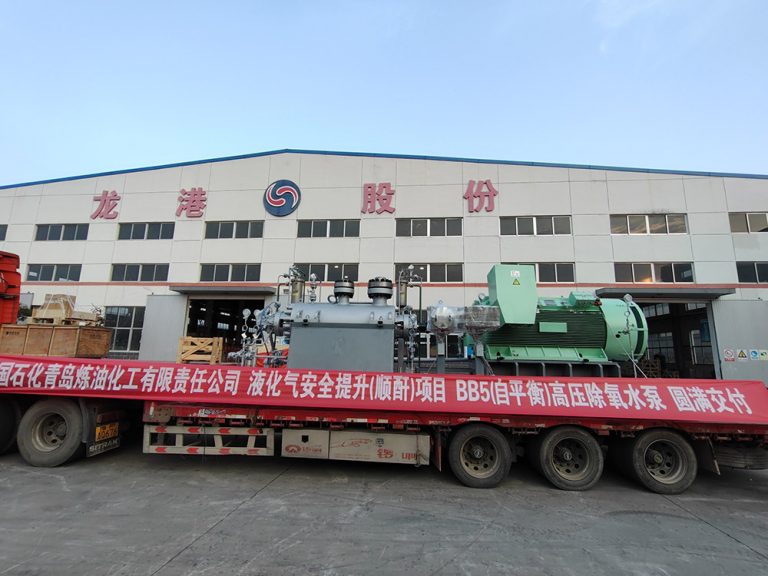
API 610 rules cover mechanical strength, part swaps, and safe running. These points prove vital when dealing with lively chemicals like hydrogen peroxide or propylene oxide steps. Our LTD (BB5) Double Shell Multi-Stage Centrifugal Pump meets API 610 guidelines. It has a dual-housing build. This boosts containment safety in hot runs up to +450°C.
The pump includes a double-shell setup. The outer shell gets pressure from outside. We make it with forging methods. This setup promises safe and trustworthy work. It lowers leak chances. At the same time, it holds fluid balance across stages. These traits offer big gains for ongoing HPPO lines. They seek both steadiness and output.
Addressing Feed Fluctuations
Causes of Centrifugal Pump Failure
Typical reasons for centrifugal pump breakdowns cover poor upkeep habits, wrong picks based on system NPSH needs, bubble harm, or poor alignment of drive parts. In HPPO setups, where oxidants react badly to heat jumps or vapor blocks, these problems can grow fast. They lead to process upsets.
To fight these hurdles, Longgang Pump applies strict check methods under ISO9906-1999 rules before shipping. This setup handles routine tests for standard pumps. It includes fluid output checks on full units, bubble tests, speed-change runs, and long-run trials. Every piece faces endurance checks. This confirms lasting strength under shifting loads common in oxidation vessels. From our 20+ years in the field, we’ve seen that 70% of failures are tied to cavitation from low suction heads. Our tests catch these early, preventing issues that could halt production for days in live HPPO plants.
Solutions for Stable Feed Delivery
Steady feed supply calls for exact mechanics and clever build tweaks. Our design group uses cutting-edge CFD models via PUMPCAD tools. They study inside flow paths and pressure zones before making starts. With 3D planning and mock runs, we dig deep into product sides. This covers full checks on new items. Tech advances like auto-balancing impellers in our LCD (BB3) Horizontal Split Multi-Stage Centrifugal Pump cut side thrust shifts. They also keep an even flow spread over impeller levels. This leads to even running with little shake. It suits HPPO vessels that need a non-stop input of materials.
On top of that, our post-sale care keeps performance going strong. We run active upkeep plans. All products come with a 12- or 18-month guarantee. Plus, lifetime help. Tech crews give quick-fix support in under 24 hours if issues pop up.
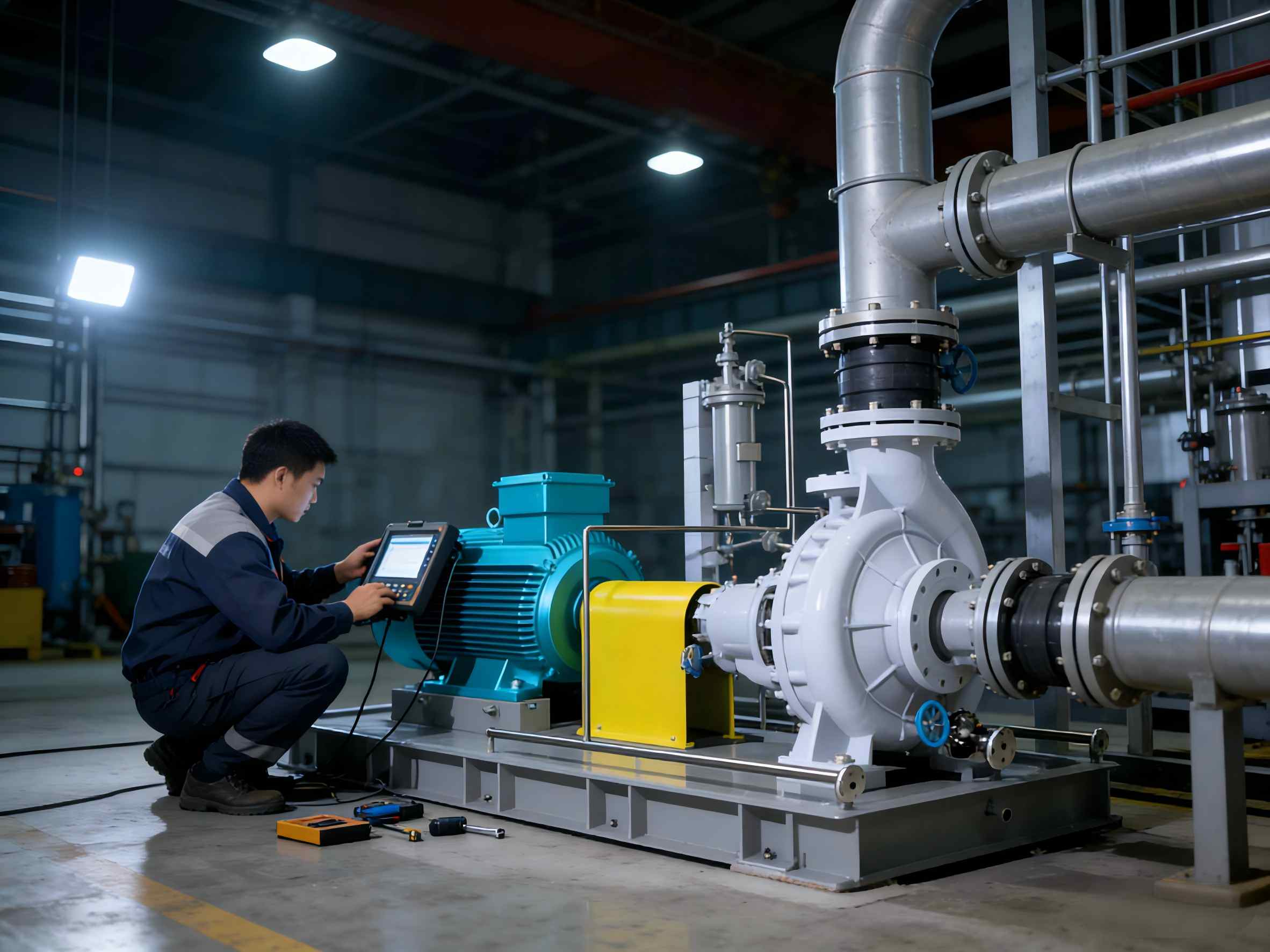
Conclusion
Exact feed pumping builds the core of smooth HPPO work. It stretches catalyst use and guards reaction selectivity. With forward build plans that match API rules, plus strong research support, Longgang Pump supplies tuned centrifugal pump fixes. These fit tough oil-chemical tasks around the world. Ready to enhance your HPPO process with reliable, steady feed delivery? Contact us today to learn more about how we can support your plant’s performance with precision-engineered pumping systems.
FAQ
Q: Why is precise feed pumping crucial in HPPO processes?
A: Precise feed pumping maintains steady reactant ratios essential for optimal reaction selectivity while preventing catalyst degradation caused by fluctuating flows.
Q: What are common causes of centrifugal pump failure?
A: Failures often result from cavitation due to improper suction conditions or mechanical misalignment; Longgang Pump mitigates these through advanced testing per ISO9906-1999 standards.
Q: What are the benefits of using API 610 pumps?
A: API 610-compliant models like LTD (BB5) ensure structural safety under extreme temperatures and pressures while delivering consistent efficiency over long service intervals.
Q: How does stable feed delivery affect production costs?
A: Consistent feed rates enhance yield by reducing byproduct formation and extending catalyst lifespan—directly lowering operational expenses across each production cycle.