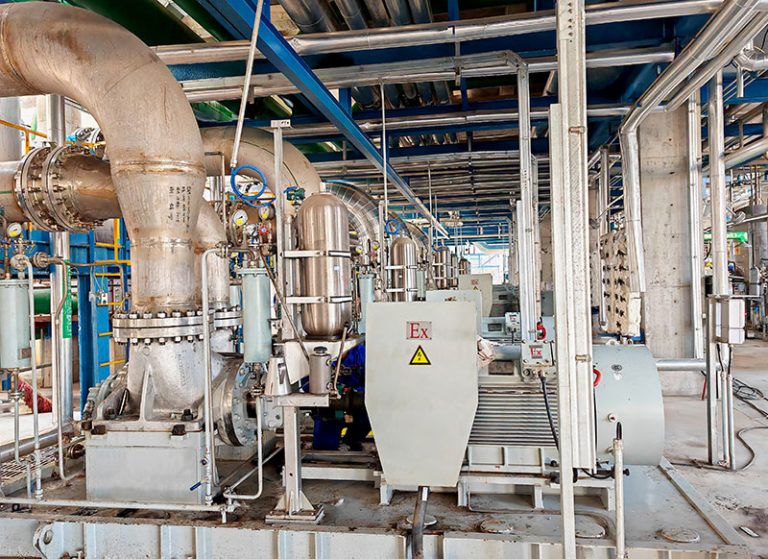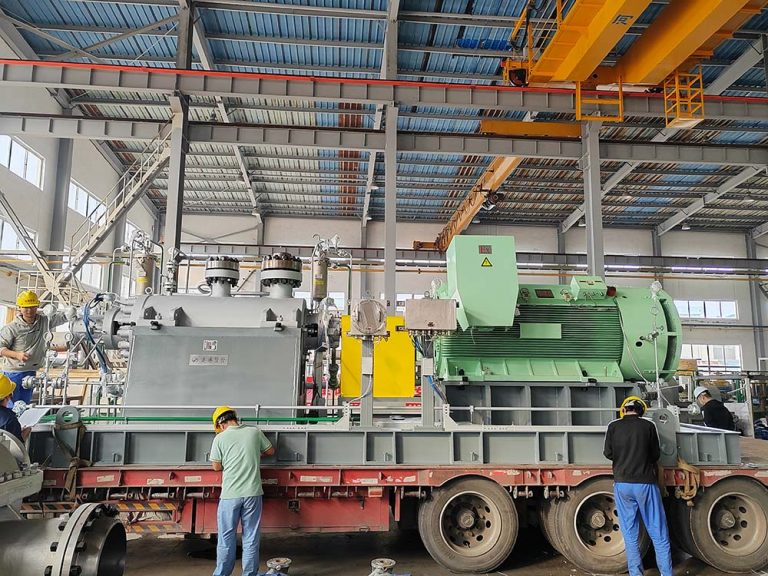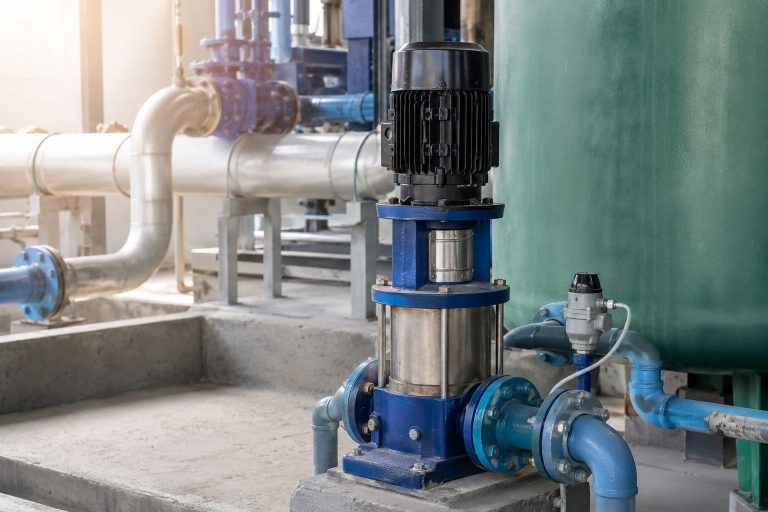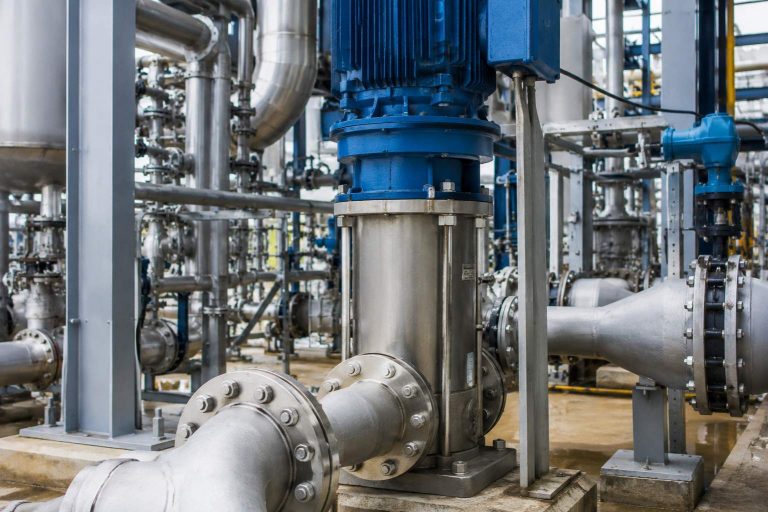

The operational integrity of fluid transport systems in petrochemical and cryogenic industries depends heavily on the initial startup phase. Among the various technical requirements, ensuring a successful priming of a centrifugal pump stands as a non-negotiable prerequisite for preventing mechanical damage and ensuring long-term system stability. Longgang Pump, as a qualified supplier for major corporations such as CNPC, Sinopec, and CNOOC, understands that even the most advanced API 610-compliant machinery requires precise startup protocols to achieve its design efficiency.
Necessity of Priming for Operational Safety
The fundamental physical principle behind centrifugal technology necessitates that the pump casing and suction line be completely filled with the process fluid before the impeller begins to rotate. Air or vapor remaining trapped within the system prevents the impeller from creating the pressure differential required to draw liquid into the pump. This condition, often referred to as being air-bound, leads to a total loss of flow and can cause rapid overheating of internal components.
For industrial-grade equipment such as the LAD (BB1) axially split double-suction centrifugal pump or the LZE (OH2) single-stage cantilever pump, the absence of proper fluid during startup results in dry running of the mechanical seals. High-precision seals designed to API 682 standards rely on a thin film of process liquid for lubrication and cooling. Friction-induced heat can cause seal face cracking or catastrophic failure within seconds without this film. Furthermore, the lack of hydraulic damping provided by the liquid can lead to excessive vibration, potentially damaging the rigid shaft and heavy-duty bearings.
Systematic Analysis of Centrifugal Pump Priming Methods
Selecting the appropriate procedure depends on the installation configuration, the nature of the pumped medium, and the specific pump series in use. Engineers must evaluate various centrifugal pump priming methods to find the balance between manual oversight and automated reliability in complex industrial environments.
Manual and Gravity-Based Startup Procedures
Gravity-based methods are frequently employed in systems where the liquid source is located at a higher elevation than the pump. Opening the suction valve and the vent valve located at the top of the pump casing allows the air to be naturally displaced by the incoming fluid. This method is common for the LBD (BB2) series horizontal radially split pumps used in crude oil piping and refinery bottom oil applications. The symmetrical volute body structure of larger installations, such as the LCD (BB3) horizontal split multi-stage pumps, requires thorough venting from multiple high-point vents to ensure all internal stages are fully submerged.
Automated Vacuum and Ejector Systems
Specialized external equipment is often required for installations with a suction lift, where the pump is located above the liquid level. Creating a negative pressure zone within the pump casing using a vacuum pump or an air-operated ejector draws the liquid up from the source. This approach is highly effective for the LZA (OH1) foot-mounted single-stage pumps and ensures that the wear-resistant rings and balance holes are correctly wetted before the motor is energized.
Integration of a Dedicated Priming Pump
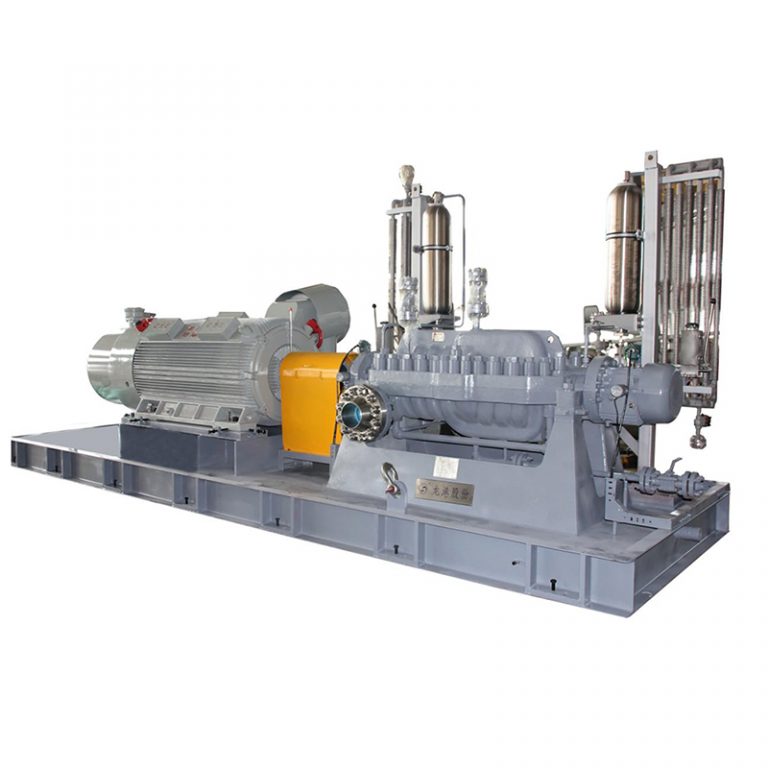
Installation of a dedicated priming pump provides an extra layer of reliability in mission-critical applications where downtime is not an option. This auxiliary unit operates independently to fill the main pump casing and maintain a flooded suction. Such configurations are particularly beneficial for large-scale boiler feedwater systems utilizing the LDD (BB4) or LTD (BB5) multi-stage pumps. Ensuring the drum-disc-drum combined balancing mechanism is fully immersed allows the system to achieve dynamic balance immediately upon startup, significantly extending the service life of the radial and thrust bearings.
Solutions for Vertical Suspended and Cryogenic Systems
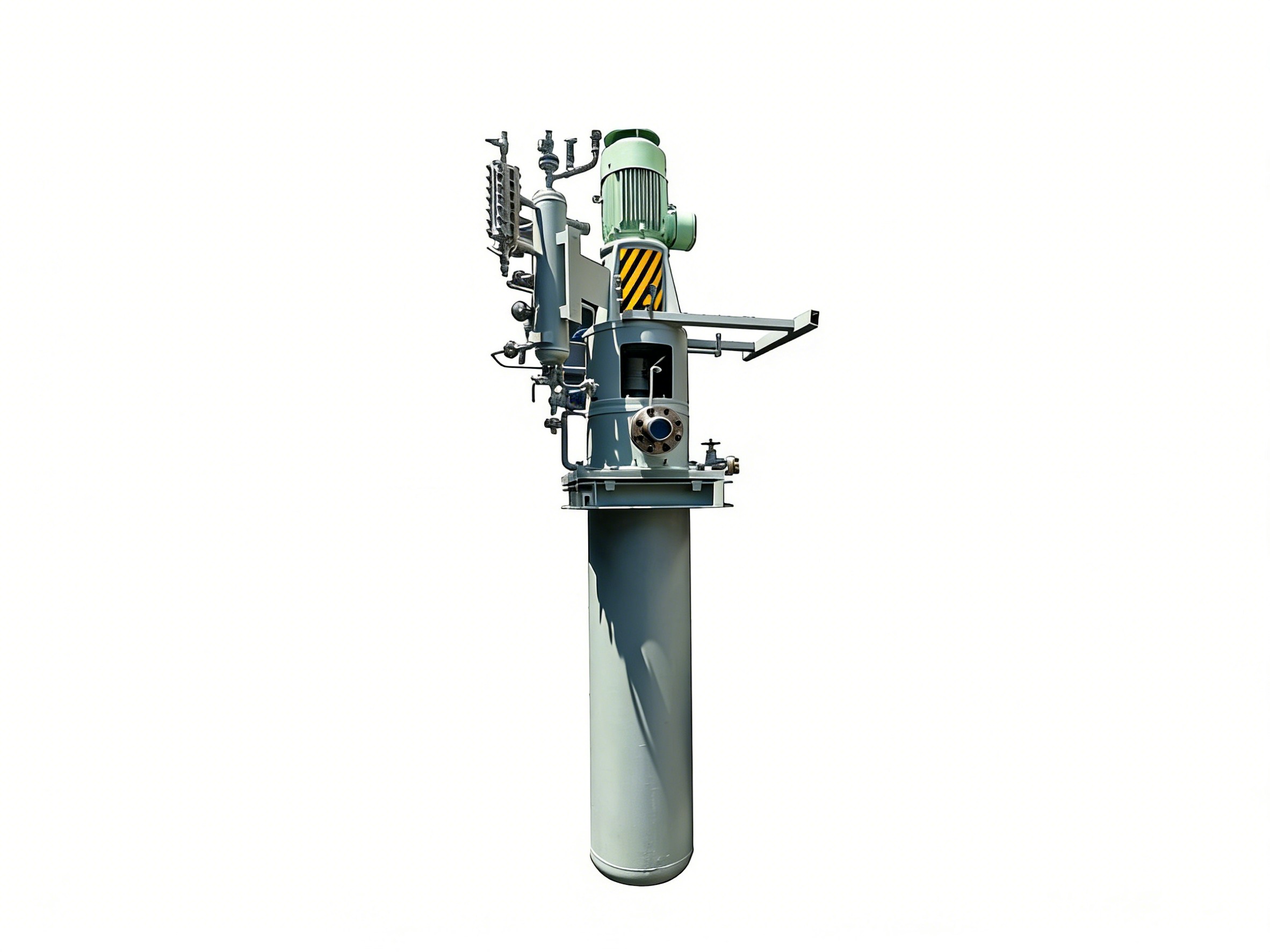
Vertical pumps present unique challenges due to their submerged components and often lengthy column pipes. Longgang Pump has developed specific technical refinements for its VS series to streamline the startup process in demanding petrochemical and cryogenic environments.
Startup Protocols for Vertical Single Shell Pumps
The LDTV (VS1) vertical suspended single shell pump is a wet pit design where the first-stage impeller is typically submerged below the liquid level. Ensuring the column pipe and discharge head are free of air remains vital. A balance pipeline connected from the balance chamber to the outlet of the first-stage impeller ensures that the chamber maintains at least the head pressure of the first stage. This design prevents vaporization when handling light hydrocarbon media, protecting the multi-point support sliding bearings, which are often made of antimony-impregnated graphite or composite materials.
Handling Easily Vaporized Media in Double Casing Pumps
The priming process must account for the high volatility of the fluid for the LDT (VS6) vertical suspended bag pump, which is designed to transport easily evaporable media such as ethylene or propane. These pumps are often buried underground to utilize the available Net Positive Suction Head (NPSH). Equipping the first-stage impeller with an inducer wheel structure improves suction performance and facilitates the removal of vapor pockets during the startup phase. This ensures that the double casing remains pressurized and thermally stable meeting strict cavitation requirements.
Proven Reliability in Major Industrial Projects
Practical application of these technical principles is best demonstrated through successful large-scale engineering achievements. Longgang Pump has a proven track record of delivering high-performance solutions for the most challenging energy projects in China.
The CO2 booster pump in the Qilu Petrochemical – Shengli Oilfield Million Tons CCUS Project serves as a critical component in long-distance dense-phase carbon dioxide transportation. Operating at a pressure of 10.0 MPa, these pumps utilize a self-balancing structural form and composite drag reduction technology. Achieving 100% localization, the pumps successfully started on the first attempt, maintaining stable flow rates and vibration levels that meet international leading standards. The successful startup and continuous operation of these units are a testament to the effectiveness of the integrated priming and safety control systems designed for liquid CO2.
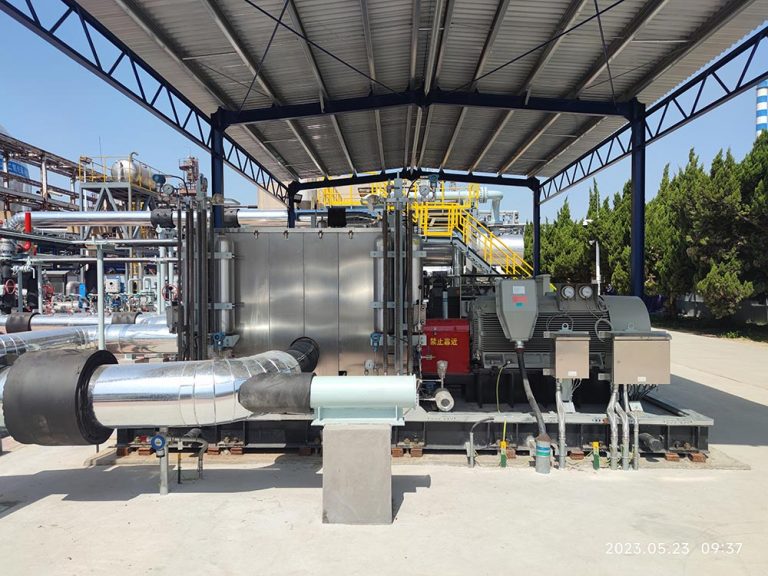
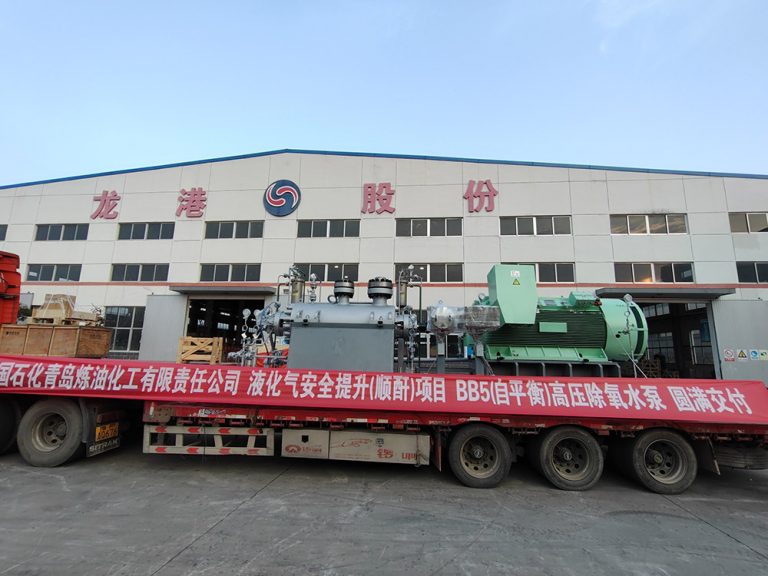
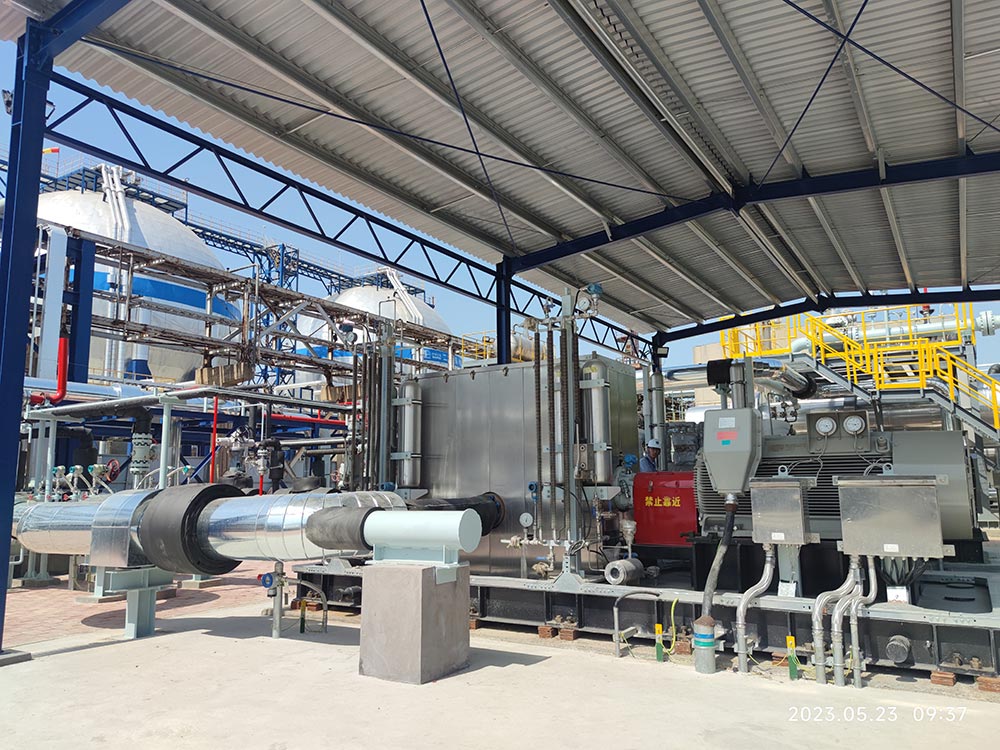
The Yulong Island Refining and Chemical Integration Project provides another significant benchmark. Transporting high-temperature hot oil for the feed oil circulation pump required a BB5 lined BB3 structure. The complexity of this double-shell multi-stage configuration required a sophisticated startup sequence to manage thermal expansion while ensuring the inner core was fully primed. High-pressure self-balancing boiler feed water pumps supplied to the Qingdao Refinery project highlight the importance of independent R&D in creating equipment that can withstand the rigors of safety-critical chemical processing.
Conclusion
Mastering the technical nuances of startup procedures is essential for the longevity of high-end centrifugal machinery. Ensuring a cavitation-free, thermally stable environment for the rotating components remains the objective whether dealing with the axial split rigidity of the BB1 series or the cryogenic specialization of the VS6 series. Industrial operators can mitigate the risks of seal failure and bearing wear by adhering to rigorous centrifugal pump priming methods, ultimately safeguarding the continuous production cycles of modern refineries and chemical plants. Longgang Pump continues to drive innovation in this field, providing the expertise and equipment needed for the most demanding fluid handling applications.
Contact Longgang Pump today to discuss customized API 610 solutions for your next high-reliability project.
FAQ
Q: Does the LZA OH1 series from Longgang Pump require a specialized priming pump for high-suction lift?
A: Requirement for a priming pump depends on the specific installation height relative to the liquid source; an auxiliary vacuum system or a dedicated priming pump is recommended for high-suction lift applications to ensure the volute casing is fully flooded.
Q: How does the VS6 series simplify the priming of a centrifugal pump for cryogenic ethylene?
A: Installation of the VS6 (LDT) series in a vertical barrel buried underground maximizes NPSH, while the inclusion of an inducer wheel and a multi-point support structure helps manage vapor pockets and ensures stable priming of the centrifugal pump even with highly volatile media.
Q: What are the most common centrifugal pump priming methods for the BB3 multi-stage series?
A: Most common centrifugal pump priming methods for the LCD (BB3) horizontal split multi-stage pumps include gravity feeding from a pressurized deaerator or using an external vacuum system to evacuate air from the symmetrical volute casing and inter-stage passages.
Q: Can a dry-running mechanical seal in a Longgang Pump be prevented by automated priming?
A: Integrating an automated priming pump system or vacuum sensors allows the control system to prevent the motor from starting until the pump casing is fully pressurized with liquid, thereby protecting the API 682 mechanical seals from dry-running damage.