
Why Priming is the Heartbeat of Your Pump System
The successful operation of a centrifugal pump requires that there is liquid in the pump casing prior to the rotation of the impeller.
Although some pump types can evacuate air and self-prime for limited periods, centrifugal pumps are generally not self-priming and they rely on the impeller to impart velocity to the liquid and create the pressure differential needed for flow through the suction inlet. If, for any reason, air is trapped in the pump casing, then severe problems can occur, which are often described by the term air binding.
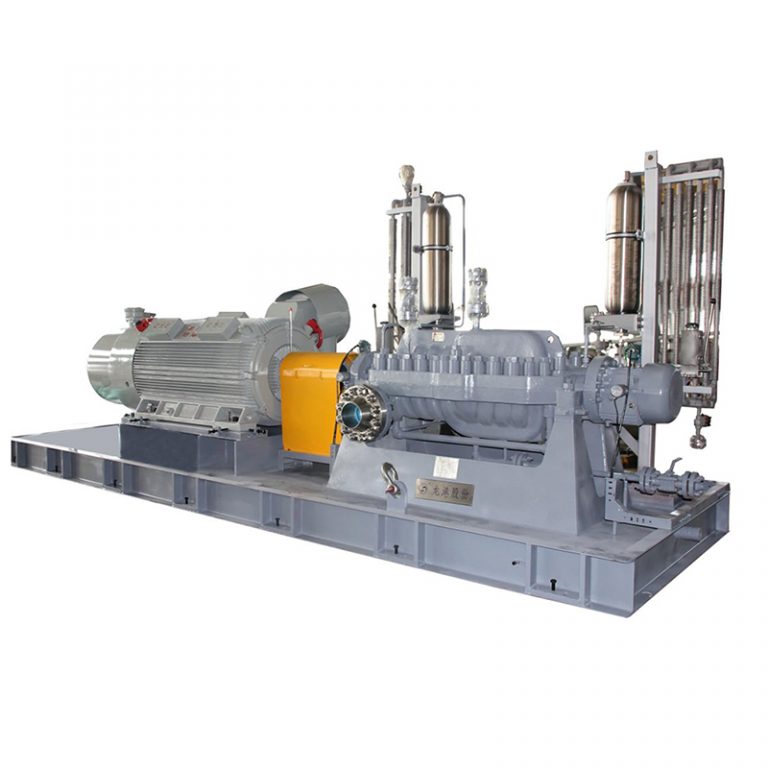
For extremely demanding applications such as petrochemical refineries and coal chemical plants, Longgang Pump provides specialized long-lasting pumps, the LZA (OH1) and LZE (OH2) series of neutral and highly corrosive liquid temperature range pumps.
What defines a single-stage cantilever centrifugal pump and its priming needs?
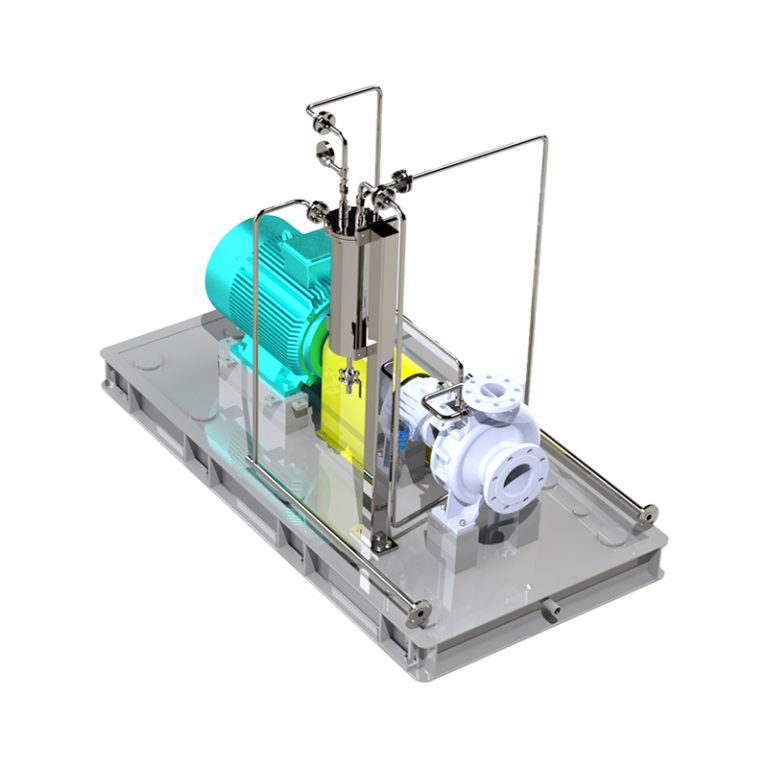
How do the OH1 (LZA) and OH2 (LZE) structures influence the pump priming process?
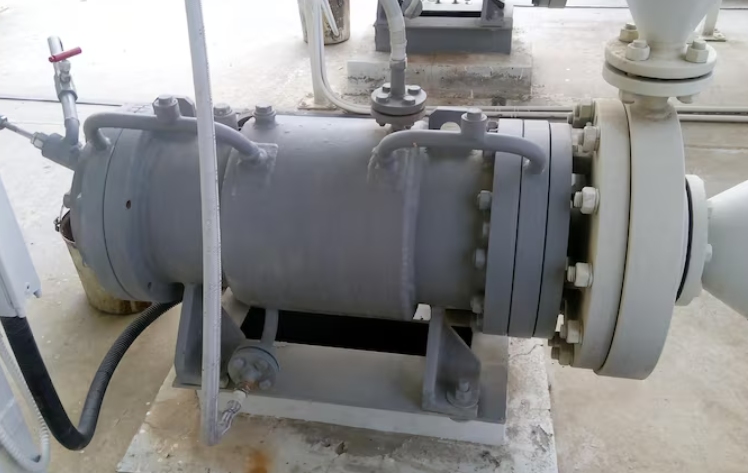
The LZA series pumps are designed in accordance with API 610 as foot-mounted OH1 pumps. The LZE series pumps, on the other hand, are centerline-supported OH2 pumps designed to maintain axial and radial alignment at high temperatures. Both series of Pumps are fitted with cantilevered-type impellers. The fact that the impeller is mounted at the end of the shaft, supported by bearings on one side, makes the rotor extremely sensitive to any imbalances, particularly those caused by the varying density of air/liquid mixtures during the initial stages of Pump priming. Inadequate initial flooding of the Pump casings results in high radial forces that can cause excessive shaft deflection and, in doing so, affect the close clearances of the wear rings.
Why is air the biggest enemy of a cantilever centrifugal impeller?
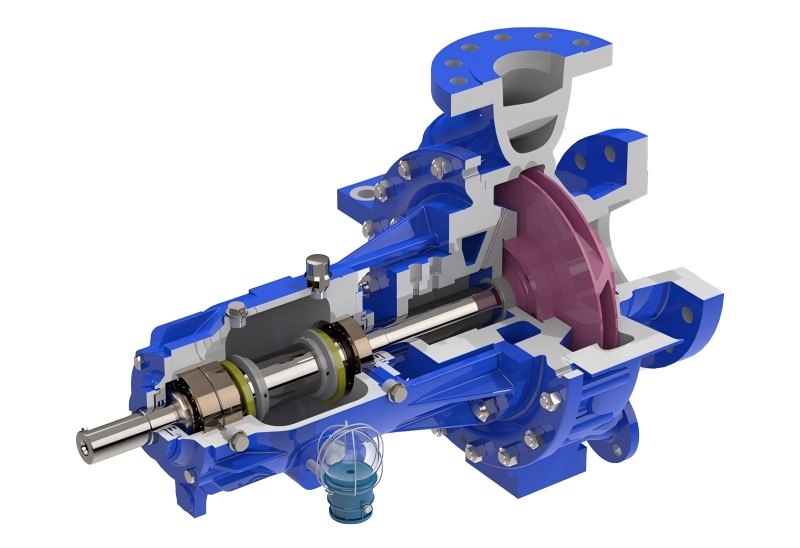
The air has a much lower density than liquids like oils or chemicals; therefore, a single-stage cantilever centrifugal pump cannot develop enough pressure or head to lift the suction line against the presence of air in the suction line. The presence of air in the form of air pockets in the impeller can cause the impeller to slip, which will prevent a vacuum from being created at the eye of the impeller. The air that is present in the pump can also be trapped at the top of the volute, and this can affect the hydraulic balance.
Longgang Pump uses a double volute design for the discharge port of DN80 and larger. The double volute design is used to balance the radial forces of the impeller. However, in order to achieve the hydraulic balance, the pump must be primed properly. If the pump is not primed properly, the hydraulic pressure will be uneven, and this will nullify the advantages of the double volute design.
Why is the Pump Priming Process Critical for System Longevity?
How does proper priming protect API 682 mechanical seals from dry running?
One of the most sensitive components in a centrifugal pump set is the mechanical seal. The mechanical seal casings for Longgang Pump are designed to API 682 and can be provided with a number of different flushing and cooling plans. These seals operate by a thin film of the process liquid being between the rotating face and the stationary face. This film of liquid is used for lubrication and cooling of the seal faces. If the pump priming process is not carried out correctly, then the seal faces will operate in a “dry” condition. In this condition, the seal faces are subjected to intense localized heat, which will cause thermal cracking of the faces. It is very important that the seal chamber is vented and then filled with fluid to protect these critical barriers from damage.
What is the relationship between the pump priming process and preventing cavitation?
Incomplete priming often leaves micro-bubbles in the system, which can trigger cavitation. When the pump starts, these gas pockets move into regions of higher pressure, where they collapse violently. This phenomenon creates shockwaves that erode the impeller surface and cause severe vibration.
In projects like the Qilu Petrochemical – Shengli Oilfield CCUS Project, where Longgang Pump provided specialized CO2 booster pumps, managing phase states is essential. While CO2 transportation involves high pressures, the principle remains: any failure in the initial pump priming process that allows compressible gases to remain where liquids should be will compromise the Net Positive Suction Head (NPSH) requirements and lead to erosive damage.
How to Select the Right Priming System for Centrifugal Pumps?
What are the key components of an automated priming system for centrifugal pumps?
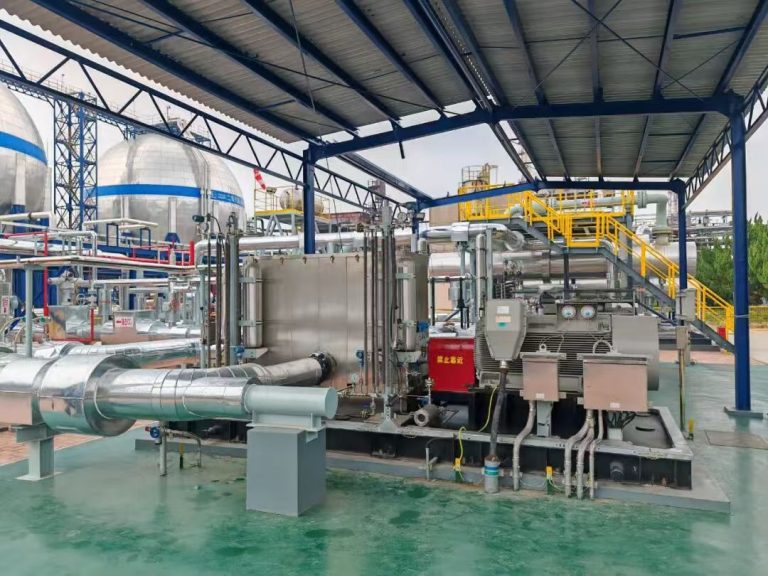
Advanced priming systems for centrifugal pumps typically consist of a vacuum source such as a liquid ring vacuum pump or an ejector. This vacuum source is connected to the highest point of the centrifugal pump’s casing. Valves and level probes provide automated control of air evacuation.
How does a professional priming system for centrifugal pumps reduce manual maintenance costs?
Manual priming is a labor-intensive process that introduces considerable opportunity for inconsistency. Investing in a dedicated priming system for your centrifugal pumps can greatly reduce the need for premature seal replacements and bearing damage caused by dry starts.
Longgang Pump’s prime objective is to deliver reliable pumping solutions. This is especially true in relation to preventing wear rings and bushings from making contact with the shaft during the initial seconds of rotation. Over the warranty period of 12-18 months and thereafter, the cost of spare parts for a single-stage cantilever centrifugal pump can often be enough to offset the initial cost of an automated priming system.
Conclusion
The process of pump priming is critical in achieving high performance from any industrial pumping system. This is particularly relevant to the single-stage cantilever centrifugal pumps that form the basis of the LZA and LZE series of heavy-duty centrifugal pumps offered by Longgang Pump. To protect your investment and guarantee compliance with API, for example, a priming system for centrifugal pumps of the highest sophistication is required.
Longgang Pump independently develops and designs various types of pumping equipment to serve the global energy industry’s liquid transportation needs, relying on high-quality services and professional teams to handle the most complex tasks.
FAQ
Q: Why is a pump priming process mandatory for the Longgang Pump LZA series?
A: LZA single-stage cantilever centrifugal pumps are used for liquid transfer by centrifugal force. To avoid air binding, the pump must be properly primed. Air trapped in the volute can prevent the pump from generating sufficient head and may damage mechanical seals and internal wear rings.
Q: How does an automated priming system for centrifugal pumps enhance safety in petrochemical plants?
A: The automated priming system for centrifugal pumps is designed to allow hazardous or high-temperature media to be circulated within a closed loop during venting. This eliminates the need for manual intervention when venting toxic vapors and ensures that the single-stage cantilever centrifugal pump is completely flooded before start-up.
Q: How often should the priming system for centrifugal pumps be inspected?
A: Prior to each start-up of single-stage cantilever centrifugal pumps, the priming system must be checked for vacuum leaks and for correct operation of valves and of sensors. Longgang Pump provides lifetime service and technical support for the auxiliary systems for your petrochemical applications.