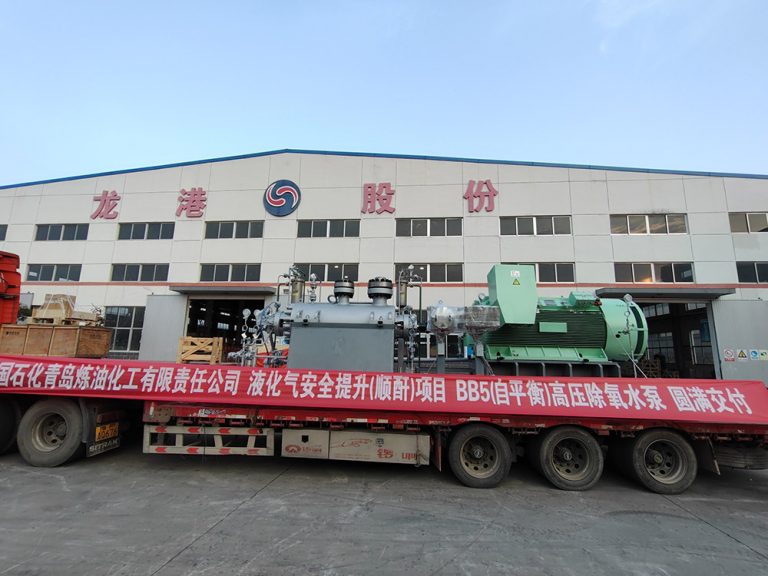

Challenges in Demanding Fluid Transfer
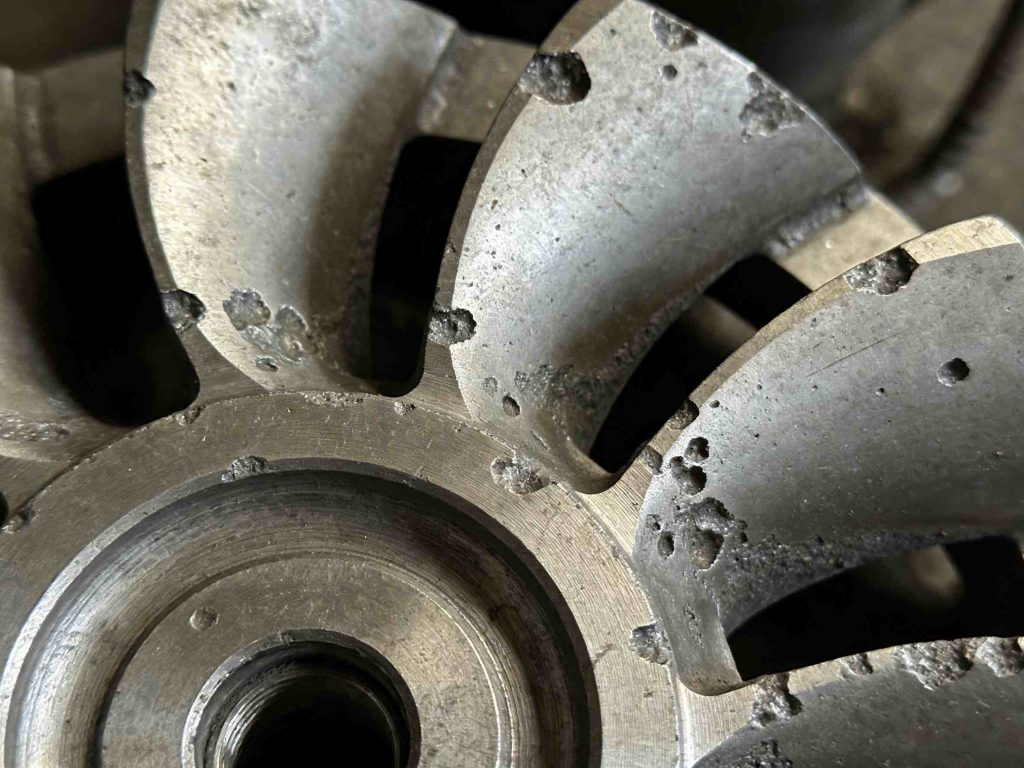
Industrial settings like petrochemical plants, wastewater facilities, and mining sites often require moving fluids that carry solid particles, trapped gases, or unstable chemicals. In these tough spots, cavitation shows up as a major problem. It happens when pressure in certain areas falls below the fluid’s vapor point. This creates steam bubbles. Those bubbles burst with force, leading to pits and wear on pump parts.
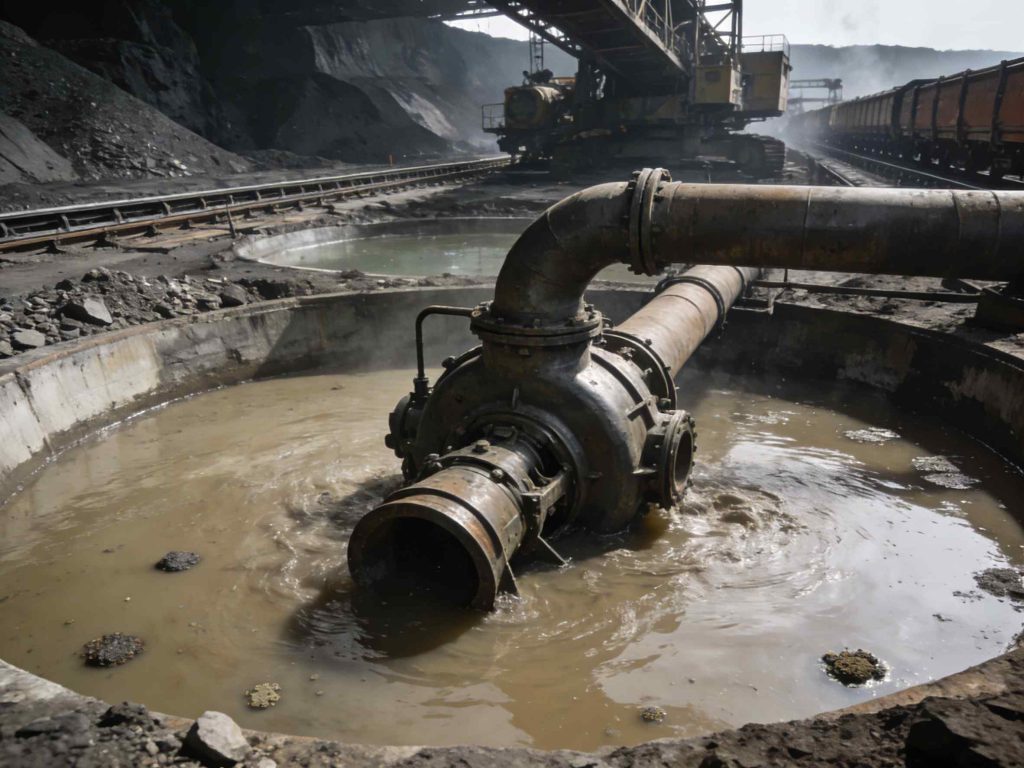
Over time, impellers, casings, and bearings suffer heavy damage. This cuts down on pump efficiency and shortens how long they last. Businesses in these fields aim for steady operations and lower repair costs. So, they seek pumps that work well and hold up in rough conditions.
Why Long Axis Submerged Pumps Matter
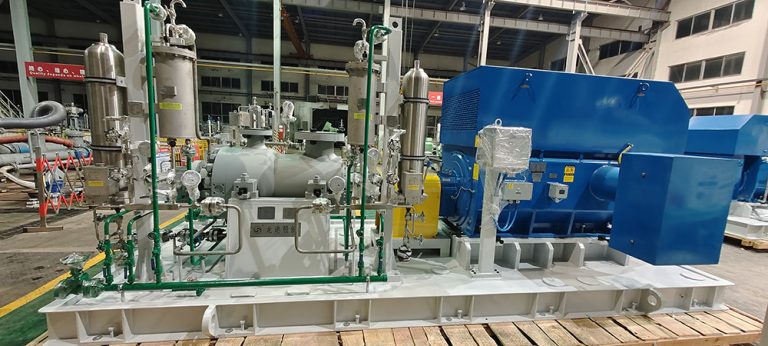
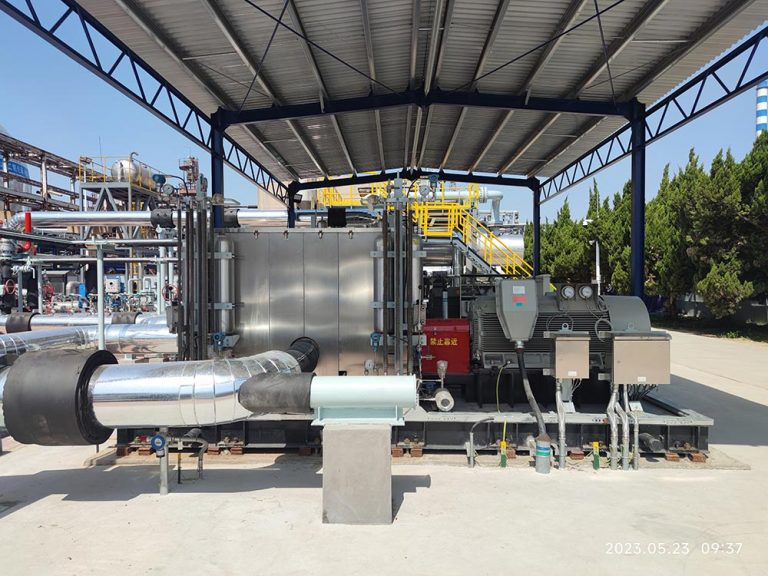
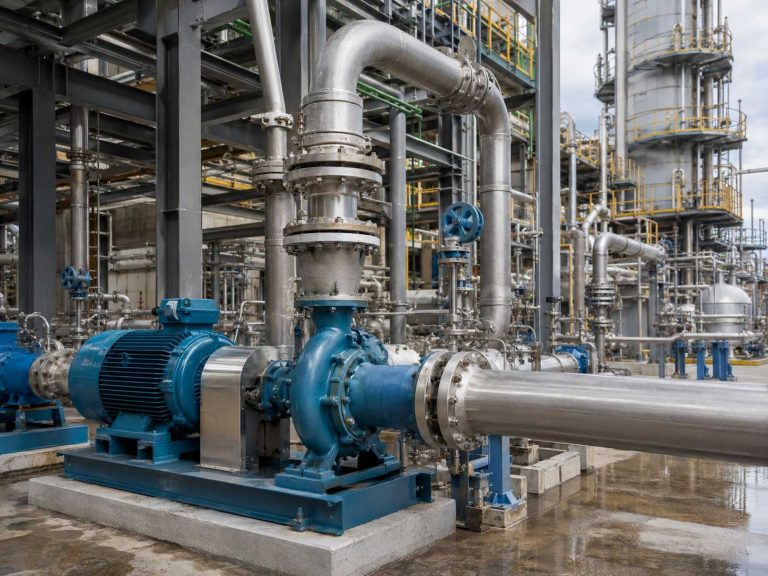
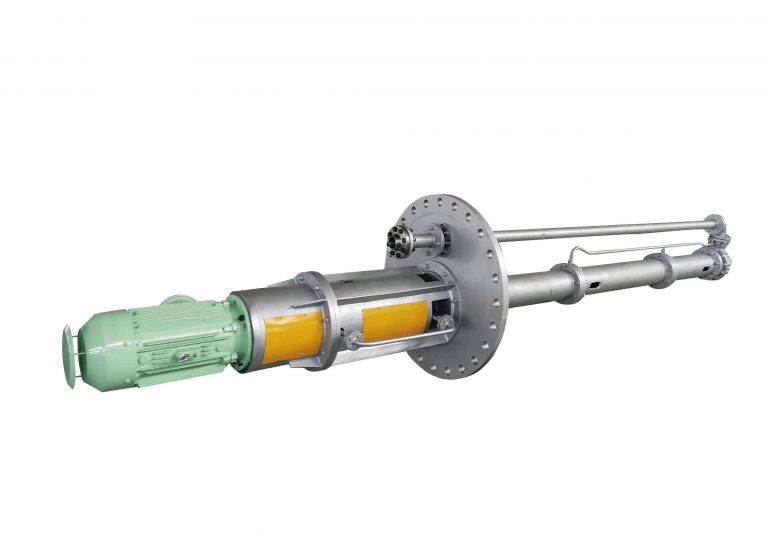
Long-axis submerged centrifugal pumps, such as the LY(VS4) Long Axis Submerged Centrifugal Pump from Longgang Pump, provide a smart structural fix for these issues. This model is a single-stage volute type with a vertical setup and an extended shaft for submersion. It serves refineries, petrochemical operations, coal chemical processes, power stations, eco-friendly projects, sewage plants, cement factories, and similar areas. The design effectively combats cavitation by positioning the impeller beneath the liquid level. This ensures stable suction and minimizes the formation of vapor bubbles. This configuration is essential for maintaining reliable performance in demanding fluid transfer applications, particularly those involving abrasive or volatile fluids.
Understanding Cavitation in Centrifugal Pumps
What Causes Cavitation
Cavitation starts in spots with low pressure, especially near the impeller inlet. There, vapor bubbles take shape. As the fluid moves to areas with higher pressure, these bubbles collapse suddenly. The result is strong shock waves. Factors like a weak suction head or a low NPSHa value make it worse. High fluid volatility or the wrong pump size can add to the trouble, too.
Effects of Cavitation on Pump Reliability
Cavitation’s harm builds up slowly and hits in several ways:
- Wear on impeller blades causes drops in fluid handling efficiency.
- Vibrations from collapsing bubbles strain parts like bearings and shafts.
- Louder noise and faster wear mean more upkeep jobs.
- Failure to address cavitation early can lead to accelerated wear on critical pump components, significantly reducing operational lifespan and increasing maintenance costs.

Design Advantages of Long Axis Submerged Pumps
Submerged Structure Reduces Suction Lift Issues
The LY(VS4) pump uses a vertical submerged layout. This removes the need to lift fluid to the pump. You can tweak the rotor gap by turning a nut, which keeps the impeller in line. Since the impeller sits deep in the liquid, it needs very little NPSH. It also avoids pulling in air at the entry point. Air entrainment often sparks cavitation. Most axial loads are handled by seal rings and balance holes. A set of angular contact ball bearings takes care of any leftover axial force.
Optimized Impeller Design for Harsh Media
For fluids loaded with particles or prone to vapors, Longgang Pump builds in effective hydraulic designs for every impeller level. These impellers deliver strong fluid performance across changing conditions. They cut down on uneven flows, spread out the liquid evenly, and boost dependability. This holds even with thick slurries or unstable oil-based fluids.
Shaft and Bearing Configuration Enhances Stability
What stands out in the LY(VS4) is its sturdy bearing setup. The bearings follow the ZL series and run on light oil for lubrication. You can cool them with air or water as needed. This system offers support at several points along the long shaft. It stops bending even when side loads are heavy. The connection to the motor uses screw fittings and a sleeve that passes torque reliably. This works over shaft lengths reaching 7 meters.
Enhancing Operational Reliability
Material Selection for Durability
Longgang Pump picks materials that resist rust and grinding for fluids that attack or scratch. They add special coatings, too. Besides standard anti-corrosion options, the firm has created pumps from unique alloys. These include types for dilute sulfuric acid, hydrochloric acid, concentrated sulfuric acid, caustic soda, and super-low carbon duplex stainless steel for extreme corrosion. Such materials last much longer in harsh pH levels or high heat.
Maintenance Best Practices for Longevity
Perform scheduled inspections of seals, bearings, and rotor clearances to ensure optimal performance and early detection of wear. Longgang Pump recommends the use of advanced diagnostic tools, such as vibration sensors and thermal imaging cameras, for continuous monitoring of pump health. We prioritize rapid response times and will dispatch our service team to the site if necessary to address any issues promptly. This forward-thinking method cuts surprise breakdowns.
Monitoring Performance to Prevent Failures
Track flow amounts, inlet pressure, heat buildup, and shake patterns in real time. These give early signs of cavitation or part wear. The bearings come with built-in spots for temperature and vibration checks. This lets you watch the pump’s state nonstop. It helps keep things running smoothly. You can set alarms to stop the pump automatically before big damage hits.
Industrial Applications Requiring High Reliability
Mining and Slurry Transport Systems
Mining jobs involve thick slurries that wear out regular impellers fast. The LY(VS4) pump’s tough inner parts and even load handling make it a great fit.
Chemical Processing with Volatile Fluids
Fluids that vaporize easily gain from the submerged entry in long-axis pumps. Chemical factories working with solvents or lively hydrocarbons see smooth, bubble-free runs with the LY(VS4). The pump utilizes advanced sealing technology to maintain an airtight seal, preventing leakage and ensuring reliable fluid containment even in volatile environments.
Wastewater Treatment Plants with Mixed Media Flows
Wastewater setups face fluids with solids or acids. The LY(VS4) offers seal options like single-face, double-face, series, packing, or dry gas types. This fits various waste mixes.
Comparing with Other Centrifugal Pump Types
Vertical Turbine vs Long Axis Submerged Pumps
Vertical turbine pumps require precise control of suction height to prevent cavitation, which can significantly reduce efficiency and increase wear. But LY(VS4) submerged pumps work under the liquid level. They naturally skip those problems. This makes system setup easier and adds safety buffers.
Horizontal End-Suction Pumps Limitations in Harsh Conditions
Horizontal pumps easily trap air and lose prime in deep tanks. They often call for tricky startup systems. Plus, they fit poorly in spots with strong acids or vapors, unlike vertical submerged choices like the LY(VS4).
Conclusion
Longgang Pump started in May 2001. From the beginning, we have worked on strong pump options for hard tasks in petrochemicals, power generation, environmental work, and chemical fields. Our Centrifugal Pump shows our focus on solid builds that lower cavitation risks. It also extends how long pumps work. Thanks to our solid research team and full after-sales help—like training sessions, site visits, and part tracking—clients get steady performance in tough fluid jobs.
FAQ
Q: What is the main cause of centrifugal pump failure?
A: Cavitation ranks high among reasons, usually from poor suction setups or picking the wrong pump for fluids with vapors or particles.
Q: How does a long-axis submerged pump reduce cavitation?
A: Its layout puts the impeller under the liquid. This skips suction lift problems that create low-pressure areas and steam bubbles.
Q: In which industries are these pumps most effective?
A: They suit mining, chemical work, wastewater handling, and fields with rough or gas-mixed fluids.
Q: How can I maintain my centrifugal pump to prevent failure?
A: Stick to routines like steady checks, sensor-based upkeep, alignment reviews, and swapping out worn items such as seals or bearings in time.