
Challenges of High-Temperature Crude Oil Transfer
In large-scale refining operations, transferring feed oil at temperatures exceeding 350°C presents numerous mechanical and thermodynamic challenges. Pumps handling this job deal with steady heat and pressure exposure. As a result, they often run into issues like material wear, warping, seal wear-out, and oil breakdown. Such problems cause unexpected shutdowns, safety hazards, and lower efficiency in the process. That’s why picking a dependable feed oil circulation pump matters a lot. It helps keep operations running smoothly and safely in today’s refineries.

Engineering Demands in Large Refinery Projects
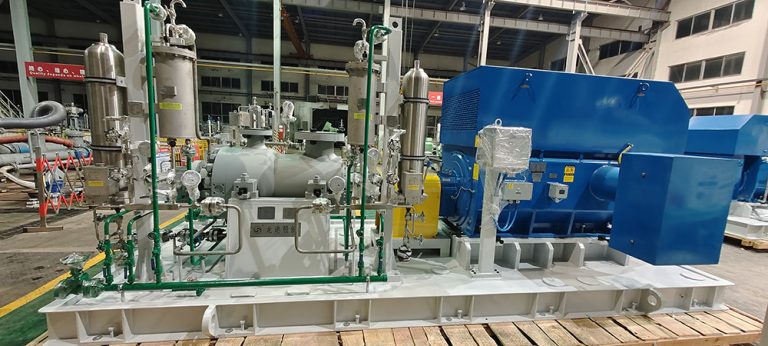
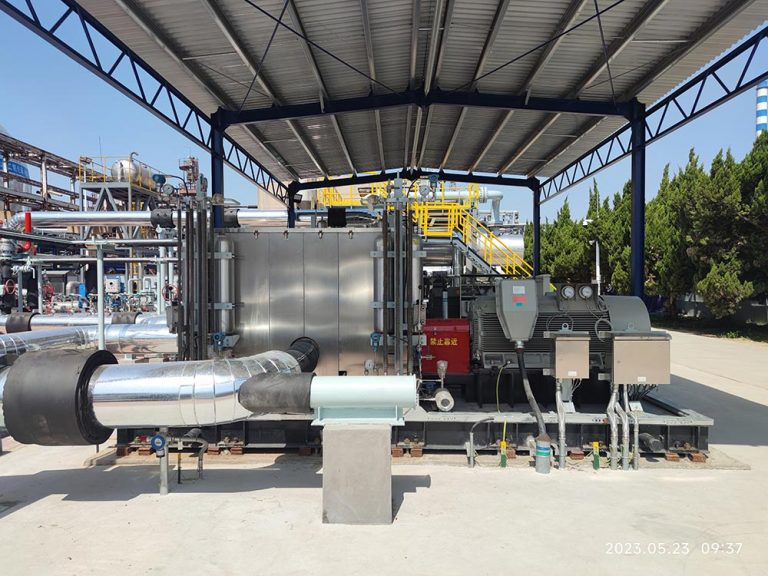
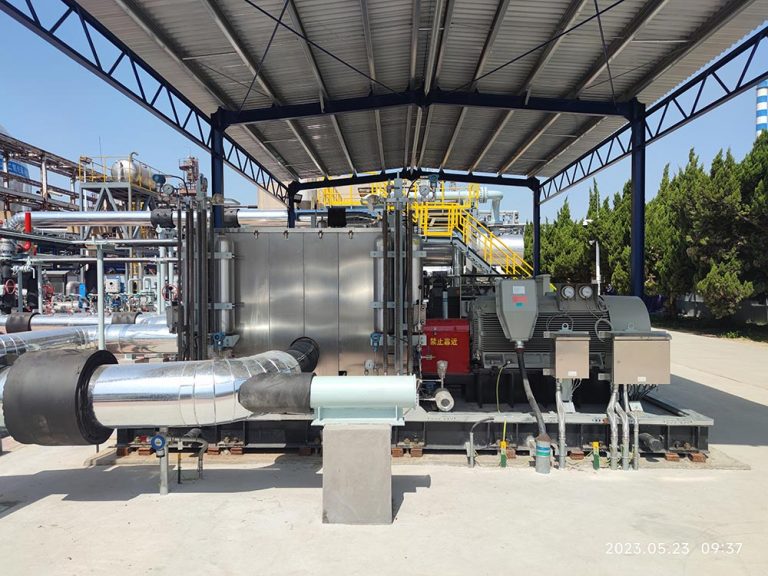
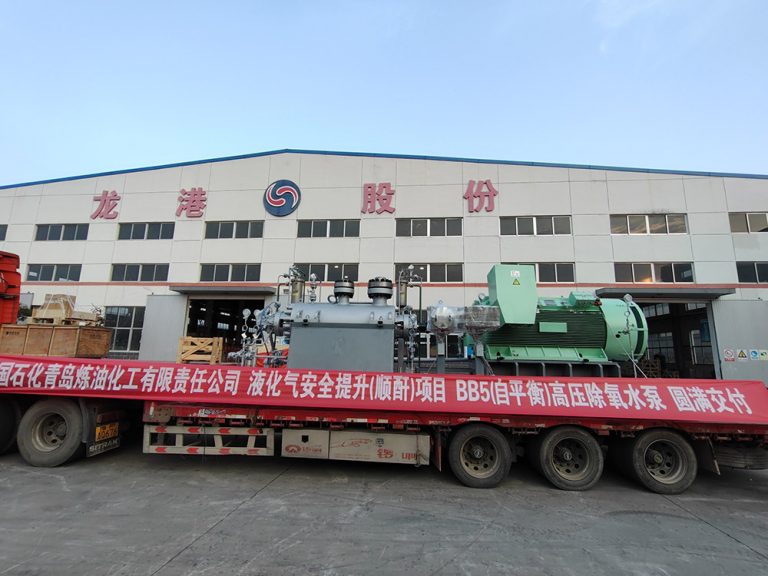
Today’s combined refining and chemical plants need strong, carefully built pumping setups. These must work well in tough conditions. The Yulong Island Refining and Chemical Integration Project (Phase I) shows these needs clearly. There, pumps must run under heavy loads all the time with very little stoppage. In 2023, the feed oil circulation pump for this project used a BB5-lined BB3 structure. It moves high-temperature hot oil and serves as a practical example.
Thermal Challenges in High-Temperature Pumping
Material Stress and Thermal Expansion
Pump parts face long-term heat exposure. This causes them to expand and wear out. In turn, key components twist, which messes up internal gaps and setup. When impellers or casings undergo thermal deformation, the pump’s performance efficiency decreases, and the risk of catastrophic failure increases due to misalignment and flow disruption. For example, in a typical refinery operation, even a minor warping of the casing can cause a deviation in the flow path by several millimeters.
Seal Integrity at Elevated Temperatures
Seals pose a major worry, too. Regular seals break down fast in extreme heat. This can lead to leaks of dangerous liquids. Such leaks create risks to the environment and workers. They also halt production.
Challenges in Lubrication Management for High-Temperature Pumping Systems
In hot setups, lubricants degrade more quickly due to oxidation and thickness shifts. Poor lubrication speeds up damage to bearings and shafts. This shortens pump life and raises upkeep needs. Field experience shows that without proper oil changes, bearing wear can double in just 500 hours of use at 400°C.
Longgang Pump’s Engineering Solutions
LTD (BB5) Lined Design for Thermal Stability
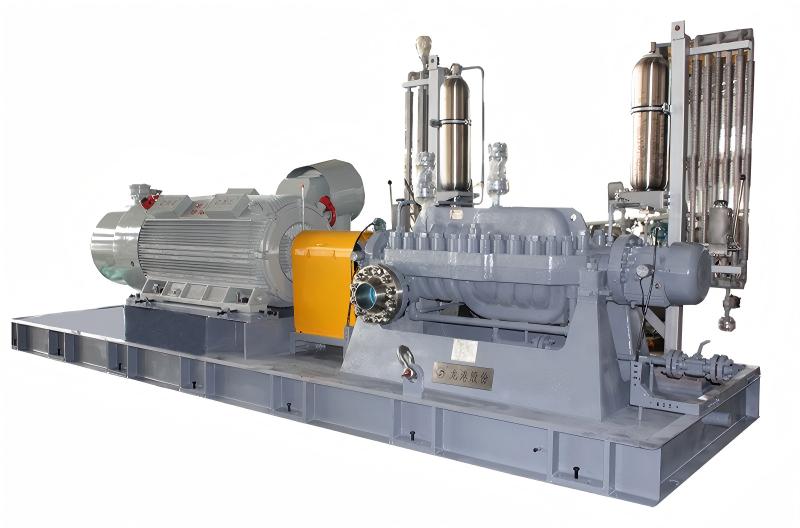
The LTD (BB5) double shell multi-stage centrifugal pump follows API 610 rules. It has a barrel-style build with two shells. This setup handles high pressures and temperatures up to 450°C safely and steadily. Workers can pull out the inner part for fixes without touching the inlet or outlet pipes. The lined casing boosts heat resistance. It also strengthens the build against changing heat levels. During tests, this design kept clearances steady even after 1,000 cycles of heating and cooling.
LCD (BB3) Structure for Internal Circulation Optimization
The LCD (BB3) horizontal split multi-stage pump uses even impeller placement. It also has an upper and lower volute body. These features balance side forces on their own. So, they cut down on stress from uneven heat spread. Plus, they make the fluid flow inside smoother. This improves cooling.
Use of High-Temperature Alloys
To fight rust and wear from ongoing heat, Longgang Pump picks tough materials like Inconel and duplex stainless steel. Besides standard chemical pumps with basic anti-rust materials, the firm has built pumps from special alloys. These handle dilute sulfuric acid, hydrochloric acid, concentrated sulfuric acid, caustic soda, and other harsh stuff. They use super-low carbon duplex stainless steel for top corrosion fight. Over years of field use, these alloys have cut failure rates by half in corrosive hot oil lines.
Advanced Cooling System Integration
Both LTD (BB5) and LCD (BB3) pumps pair with ZQ series forced lubrication bearings. These include cooling setups. The bearings feature double-way oil-fed forced circulation tilting pad thrust types. They come with heat guards and check tools. All this keeps steady heat control near key spots like bearings and seals.
Specialized Sealing Technologies
Longgang Pump’s approaches include ready-to-fit double mechanical seals with outer cooling covers. This setup employs advanced double mechanical seals with cooling jackets, adhering to API 682 standards, effectively preventing leaks even under extreme thermal and pressure conditions.
Ensuring Long-Term Reliability in Harsh Conditions
Minimizing Centrifugal Pump Failure Causes
Our builds tackle common breakdown types in hot work. The lined casings in LTD (BB5) pumps stop heat warping. Meanwhile, the smart impeller balance cuts the side push on bearings. Further, the company focuses on building quality and support. It tightens quality controls and has earned ISO9001:2008 certification, plus American Petroleum Institute API quality system certification. Each pump undergoes rigorous testing in compliance with API 610 standards, ensuring reliable performance in high-stress environments.
Real-time monitoring systems allow operators to detect potential issues proactively, minimizing unplanned downtime. This supports planned fixes that cut surprise stops. From past jobs, this has boosted uptime to 99% in tough sites. Real-time monitoring options allow predictive maintenance strategies to be deployed proactively—minimizing unscheduled downtime.
Routine Inspection Protocols
Regular checks on seal strength, bearing health, shake levels, and cooling work are key. Longgang Pump suggests timed looks based on API guides. These catch early wear or off-setup signs.
Lubricant Management Strategies
We suggest top synthetic oils made for hot use. Change them by setting run hours or oil tests. Industry pros know that testing oil every 250 hours spots degradation early, extending life by months.
Thermal Cycling Control Measures
Use slow start and stop steps to cut heat shocks. This extends gear life. By avoiding quick heat changes, parts hold size and strength longer.
Application Success at Yulong Island Refinery Project
Operational Requirements of the Project Site
The Yulong Island spot needed non-stop feed oil pumping above 350°C. The specs also called for handling high-pressure swings. Plus, the pumps had to run steadily with a few fixed breaks. Teams there faced daily loads of 500 tons per hour, testing the gear’s limits.
Performance Results of Longgang Pump Systems
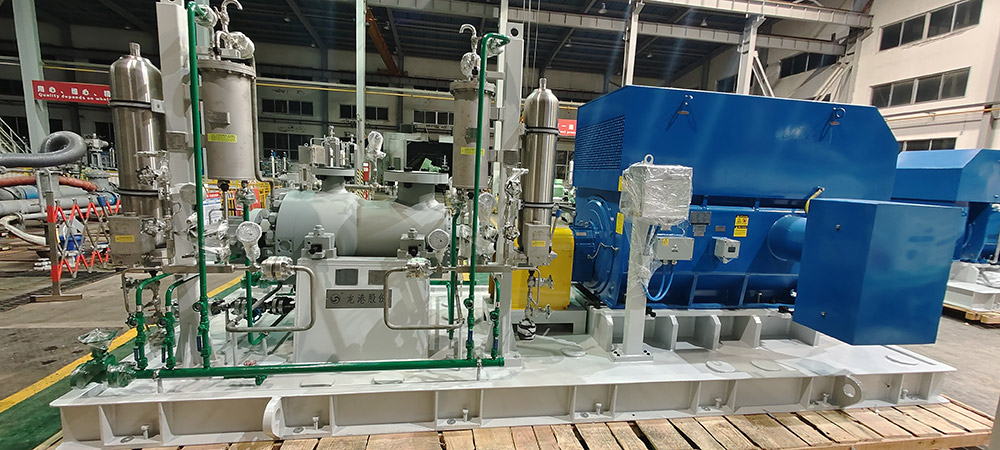
The feed oil circulation pump of the Yulong Island Refining and Chemical Integration Project (Phase I) in 2023, with a BB5-lined BB3 structure, transports high-temperature hot oil. These pumps have run steadily for long stretches. They needed no surprise fixes. Even with changing oil thickness, they kept a good flow. This proves the solid hydraulic work by Longgang Pump’s team.
Conclusion
With tough materials, exact pump builds like the BB5 lined casing and BB3 structure, plus built-in cooling and seal systems, Longgang Pump gives top steadiness for crude oil moves in extreme heat. Our win at the Yulong Island Refining Project highlights our skill in meeting hard refinery pump needs with sure steps and fresh ideas. Our custom-built pumping solutions, designed for high-temperature crude oil transfer and chemical processing, are trusted by clients in the oil, gas, and chemical industries for their durability and performance in demanding environments.
FAQ
Q: What is the advantage of using a BB5 pump for crude oil transfer?
A: The BB5 pump offers superior pressure containment, axial thrust control, and thermal stability—making it ideal for high-temperature crude oil applications.
Q: How does Longgang Pump prevent seal failure at high temperatures?
A: We use advanced double mechanical cartridge seals with external cooling jackets that maintain seal integrity under extreme thermal stress.
Q: What materials are used in Longgang Pump’s hot oil applications?
A: We employ high-temperature alloys like Inconel and duplex stainless steel that resist corrosion, deformation, and fatigue caused by prolonged heat exposure.
Q: Why is lubrication difficult in high-temperature pumps?
A: Heat accelerates lubricant degradation, reducing its effectiveness. Special synthetic lubricants with enhanced thermal tolerance are required.