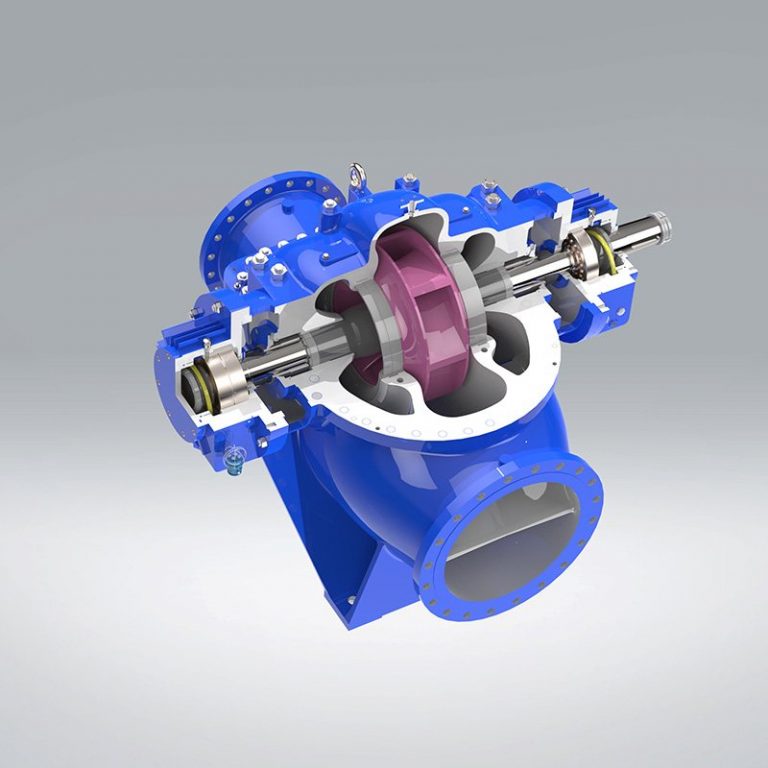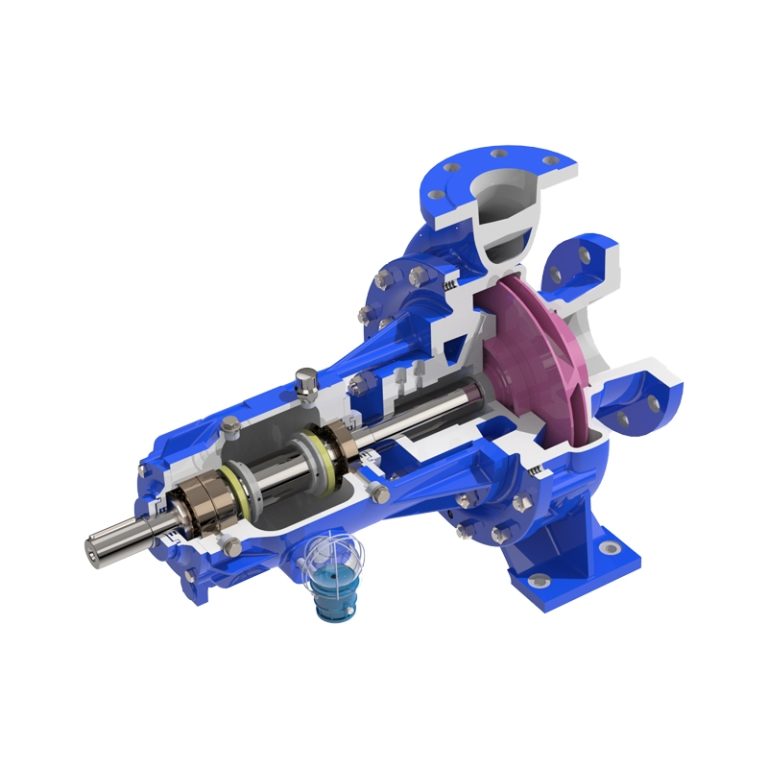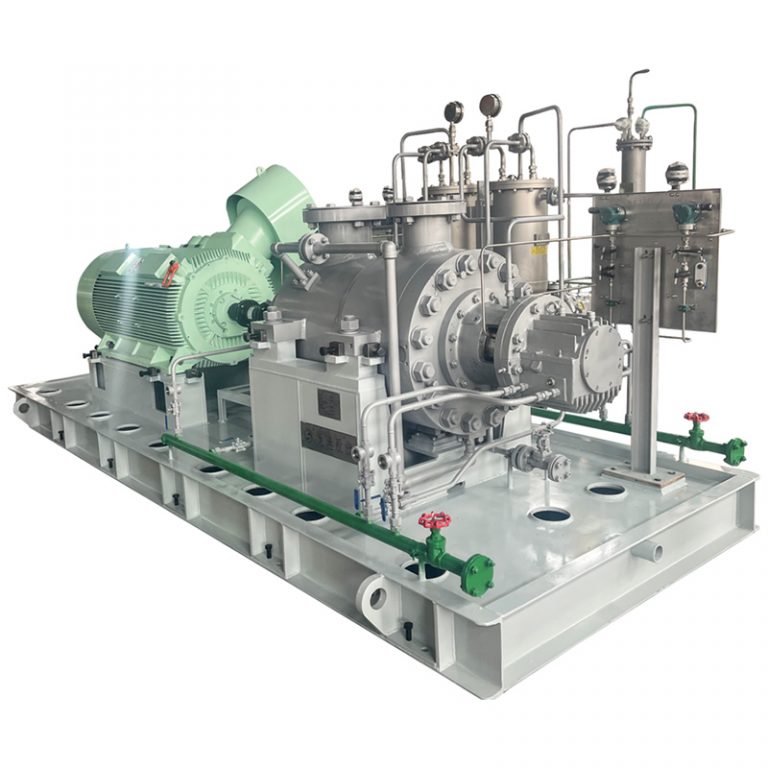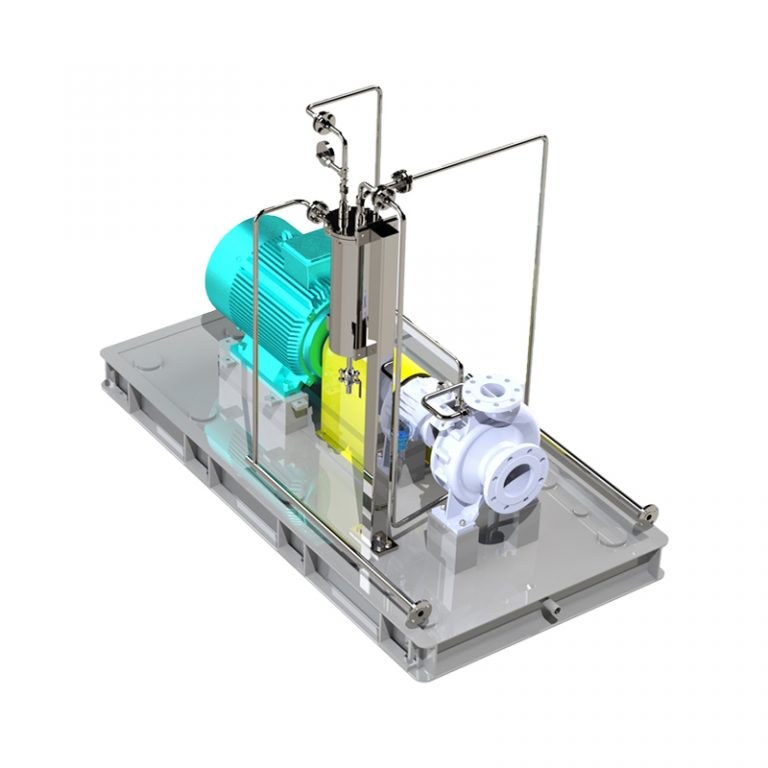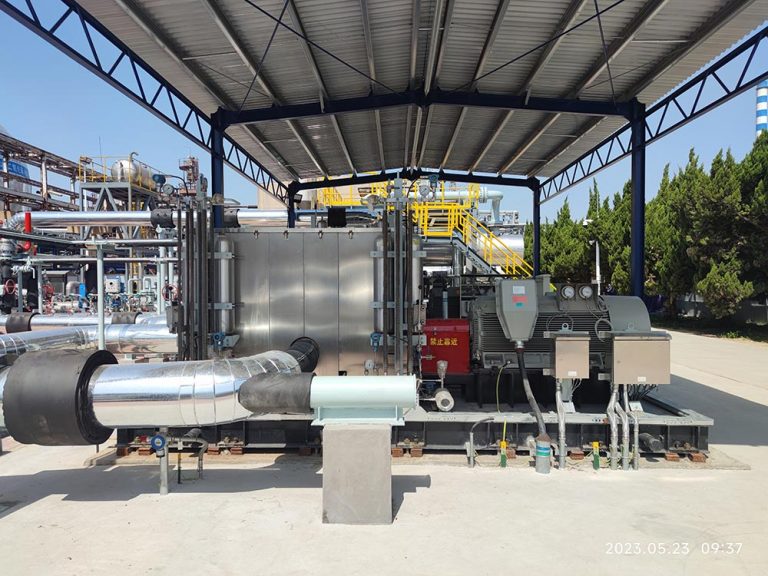
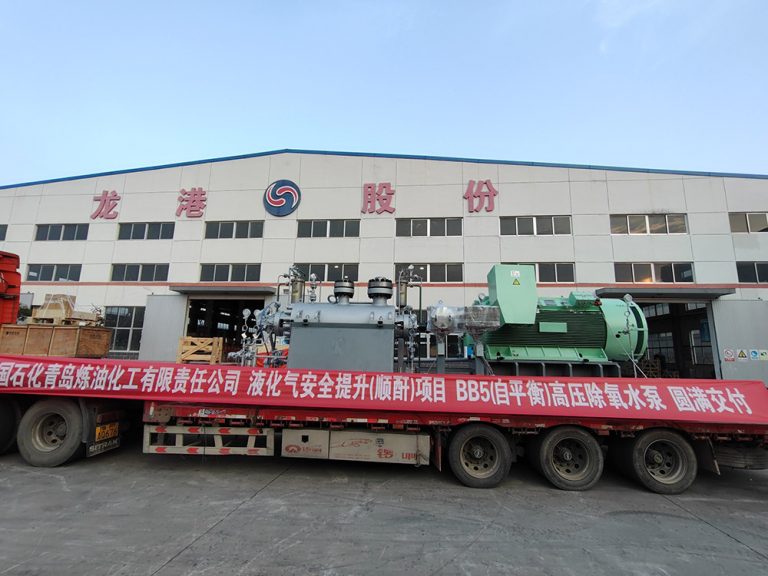

Engineers usually select VS4 vs VS6 pumps based on the suction environment first. A VS4 pump works very well for an open sump or vessel. In this setup, a long shaft easily reaches the liquid. On the other hand, a VS6 pump is a much better choice for buried or closed-vessel systems. These specific applications require a double casing, staged hydraulics, and enhanced suction performance. This primary difference directly affects the cavitation margin and maintenance access. It also impacts shaft support, sealing methods, and the exact type of process fluid handled safely.
How VS4 vs VS6 Pumps Solve Different Installation Problems
VS4 Cantilever Structure for Sump Service
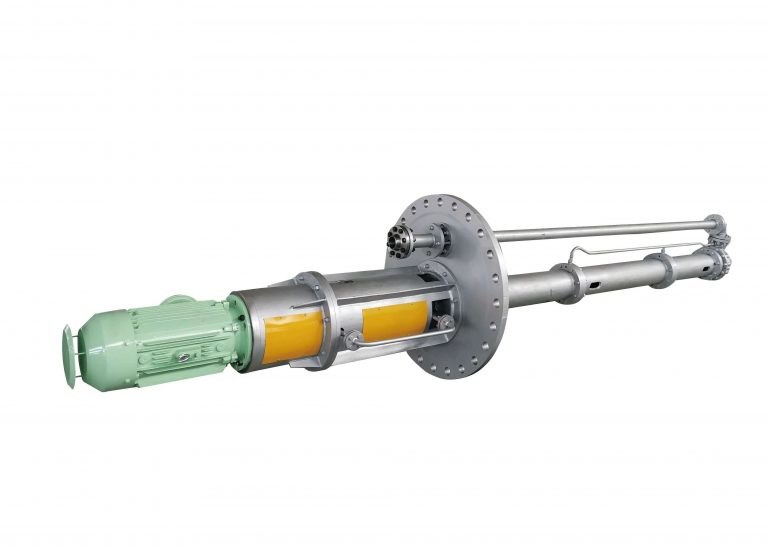
The LY(VS4) operates as a vertical sump pump. It features a single-stage, single-suction, radially split volute alongside a long shaft line. The top mounting plate securely suspends its submerged hydraulic end. Therefore, the vessel does not require an internal support bearing. This cantilever design proves highly useful in refinery sumps and chemical drainage pits. It also benefits wastewater basins and process vessels. These industrial areas often experience changing fluid levels or limited internal access.
Longgang Pump highlights some practical aspects about this particular design. The bearing components operate on thin oil lubrication. They also provide air/water cooling features. Axial thrust is controlled through sealing rings and balance holes. At the same time, angular contact ball bearings will take up the remaining load. In addition to that, technicians can easily adjust the axial clearance of the rotor. The shaft seals include single/double mechanical seals. Tandem seals, packing, or dry gas seals can also be opted for.
VS6 Can Structure for Low NPSH Duty
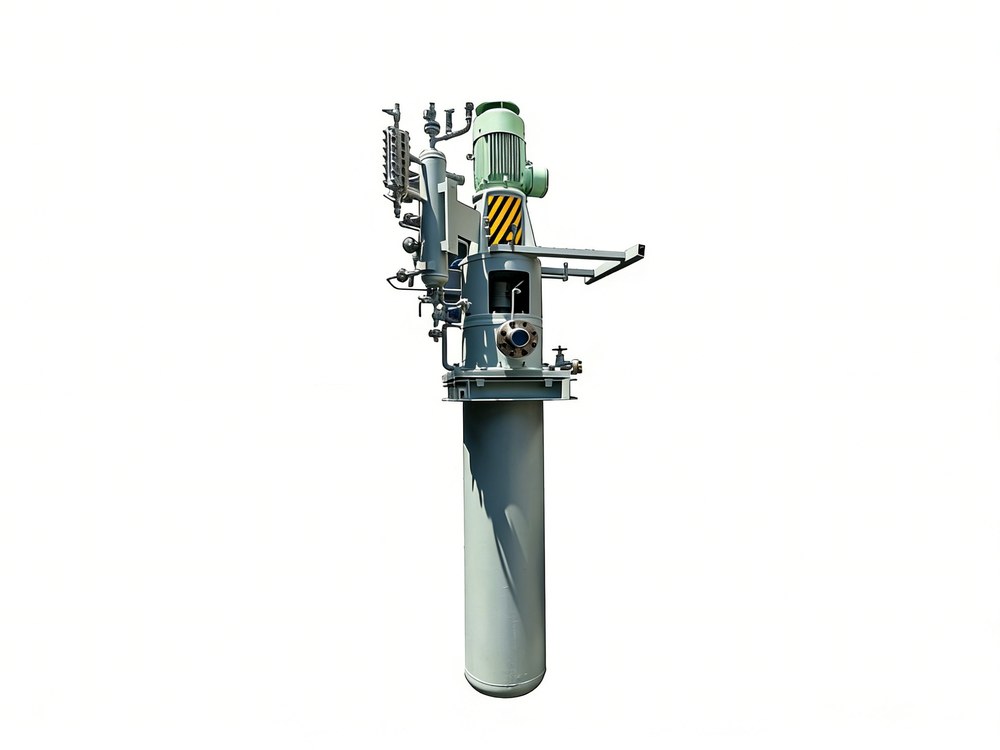
The LDT(VS6) functions as a double-casing, radially split, multistage vertical suspended pump. Engineers designed it specifically for easily vaporized and low-temperature media. Its can body securely places the pump inlet under positive liquid pressure. At the same time, the first-stage impeller features a unique design separate from the later stages. An inducer-style inlet structure significantly improves suction performance. This helps greatly when the available NPSH remains limited. Additionally, the multistage arrangement successfully develops the head required for fluid transfer, loading, or process circulation.
Where VS4 and VS6 Pumps Are Applied
Chemical and Wastewater Sumps
A VS4 pump frequently offers a direct fit for corrosive sump service. The hydraulic end remains fully submerged in the fluid. Meanwhile, the drive and primary maintenance points stay safely above the vessel. The LY(VS4) product description highlights its use in refineries and petrochemical plants. It also covers coal chemical facilities, power plants, environmental projects, sewage treatment, and cement plants. This broad usage makes the design highly relevant to liquids containing corrosive elements or suspended particles. However, operators must carefully match the construction materials and seals to the exact process chemistry.
Hydrocarbon and Condensate Transfer
A VS6 pump fits perfectly into systems handling volatile or cold liquids. It also works exceptionally well for fluids stored below grade. The LDT(VS6) application description mentions cold and hot ammonia transfer. It also includes ethylene product and feed service, demethanization circulation, and acrylic transfer. Furthermore, it handles liquefied-gas transfer, condensate, and light-hydrocarbon loading. The double-shell layout and separate first-stage hydraulic design play a crucial role here. Together with multipoint submerged bearing support, they effectively meet strict operational demands. These tough demands include high suction stability, a long insertion depth, and an elevated discharge head.
Cryogenic and Power Applications
Vertical suspended pump arrangements provide major benefits when floor space is tight. They also help immensely when the process vessel must remain completely closed. Longgang Pump includes cryogenic engineering and power-related duties among the main application areas for its vertical pump range. In these demanding services, the selection process must carefully account for temperature and vapor pressure. Engineers should also consider the seal arrangement, bearing lubrication, and startup conditions. Finally, they must evaluate the potential consequences of losing the suction margin during transient operation.
Key Longgang Pump Design Features
Shaft Bearings and Internal Support
The main mechanical difference in the VS4 vs VS6 pumps comparison involves shaft line support. The VS4 concept completely avoids placing a bearing inside the container. This smart approach simplifies sump service and reduces the number of submerged components. In contrast, the VS6 design utilizes multipoint support for submerged sliding bearings. The bearing spans strictly align with API 610 requirements. Consequently, the rigid shaft operates well below the first critical speed. This safety feature is especially important for deep installations and very long vertical shafts.
Impellers, Seals, and Axial Force Control
Both designs allow engineers to adapt the mechanical package to the specific fluid and process duty. VS4 pumps can utilize several different shaft-sealing arrangements. Meanwhile, VS6 pumps can use either mechanical seals or packing seals. They might also incorporate a balance disc or a balance drum to control axial force effectively. The VS6 first-stage inlet treatment specifically targets cavitation-sensitive service. On the other hand, the VS4 rotor-adjustment arrangement greatly helps with impeller alignment. This proves very useful during routine maintenance and initial commissioning.
Selecting Between VS4 and VS6 Pumps
Suction Conditions and Installation Depth
The first selection question focuses on the vessel itself. It must provide enough static head and proper submergence for the hydraulic end. Consider an open sump with a variable liquid level and a fairly simple discharge duty. Here, a VS4 pump delivers a very compact vertical solution. Now consider a buried tank, a volatile liquid, or a low-NPSH application. In these challenging cases, a VS6 pump offers a much stronger suction arrangement. It achieves this through its can body and specialized first-stage design. Engineers should always check published operating limits, insertion depth, temperature, pressure, and flow rates against the actual process datasheet.
Fluid Risk and Maintenance Access
The behavior of fluid will define the beginning stage of discussion of seals, bearings, and materials used in construction. Corrosive or particulate-filled sump fluids show the necessity of tracking the contact of components with liquid. In turn, cryogenic or volatile fluids will require perfect containment and cooling. Such fluids also will require high cavitation resistance and high-quality seals. Longgang Pump will assist in this selection with their professional technical advice and engineering of pumps for special applications. Also, they provide after-sales technical assistance in operating and maintaining pumps.
The wider product portfolio is readily available through Longgang Pump industrial pump products. This extensive catalog covers additional API 610 pump arrangements designed for complex process systems.
How Longgang Pump Supports Vertical Pump Selection
Longgang Pump expertly combines high-quality vertical pump products with professional technical advisory services. They also offer custom pump engineering tailored for different operating conditions. The company’s service scope features helpful selection suggestions and detailed operating guidance. They also provide timely troubleshooting services and help in maintenance as well. When comparing a VS4 pump that is used in corrosive sump application and a VS6 pump that can be used in low NPSH applications, engineering departments use both the selection of the hydraulic pump and the sealing, support, cooling, and installation considerations. This way, buyers do not view the pump only as an individual item.
Podsumowanie
The practical answer to the VS4 vs VS6 pumps debate depends entirely on the vessel and the liquid. A VS4 model strongly favors open sump and submerged service. Its cantilever shaft completely avoids internal support bearings. A VS6 model strongly favors buried, closed, volatile, cryogenic, or low-NPSH duties. Its can body, staged hydraulics, and multipoint support provide vital additional control. Matching the pump architecture to the actual suction conditions and maintenance realities remains the clearest route to dependable vertical pumping.
For application-specific guidance, connect with Longgang Pump technical services.
FAQ
Q: What is the main difference between a VS4 pump and a VS6 pump?
A: A VS4 pump generally functions as a long-shaft, vertical sump design. It features a cantilevered hydraulic end and lacks an internal vessel support bearing. A VS6 pump utilizes a double casing and a multistage hydraulic arrangement. It often includes a can body and multipoint submerged bearing support. This robust setup handles volatile, low-temperature, or low-NPSH duties perfectly.
Q: Why is a VS6 pump used for low NPSH applications?
A: A VS6 pump successfully improves suction conditions through a dedicated can body. This component maintains proper inlet pressure. It also features a first-stage impeller arrangement intended specifically for demanding cavitation conditions. The design is highly relevant to easily vaporized or extremely cold cryogenic liquids. Nevertheless, engineers must still establish the actual NPSH margin using the specific process data and pump performance requirements.
Q: Can Longgang Pump support vertical suspended pump selection?
A: Longgang Pump proudly provides expert technical advisory services and application-specific pump engineering. They also deliver robust after-sales technical support. The support scope includes helpful selection suggestions, operating guidance, and prompt troubleshooting. It also involves maintenance assistance and detailed configuration discussions for different process conditions. This comprehensive approach helps engineering teams align the vertical pump structure properly. They can match it perfectly with fluid behavior, installation depth, sealing, and overall reliability needs.