
Common Challenges in Pump Selection
Picking the correct pump plays a vital role in the operation, dependability, and overall expenses of industrial setups. Still, engineers and buying teams frequently encounter doubt when reviewing various centrifugal pump choices. A frequent problem arises from mixing up pump styles—especially single-stage cantilever (OH2), multi-stage, and double suction types. Opting for an oversized pump can cause extra upfront spending and running issues, whereas choosing too small a one might bring repeated failures and system breakdowns.
Another hurdle involves grasping the exact needs of the job at hand. Pumping demands differ greatly across sectors like petrochemicals, chemical handling, power production, and water purification. Lacking a solid understanding of these details often leads to poor selections.
Importance of Choosing the Right Pump
Selecting the proper pump style matters a great deal for boosting runtime, cutting down on upkeep, and gaining lasting savings. A suitable pump boosts dependability, lowers servicing, and enhances output.
At Longgang Pump, we focus on delivering custom centrifugal pump answers that fit particular industry demands. This piece looks at our LZE (OH2) Single Stage Cantilever Pump alongside multi-stage and double suction options. It aims to guide customers in smart choices based on their job needs.
Overview of Pump Types
Single Stage Cantilever (OH2) Pumps
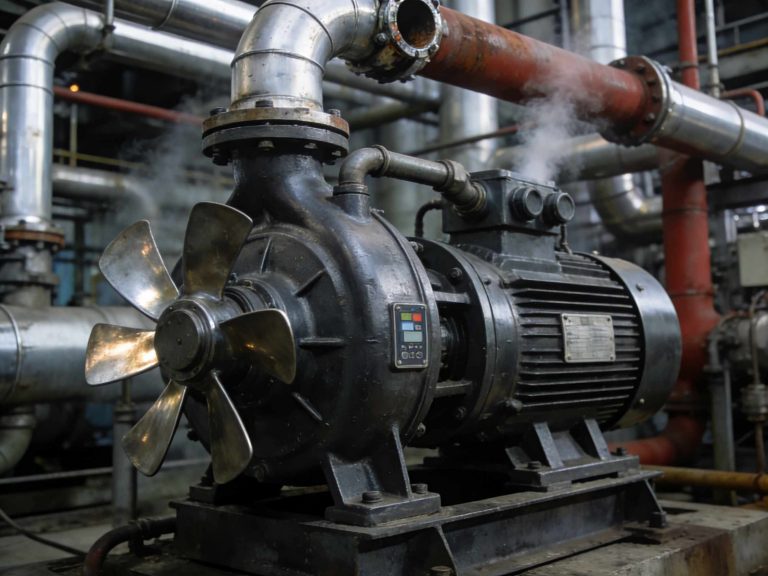
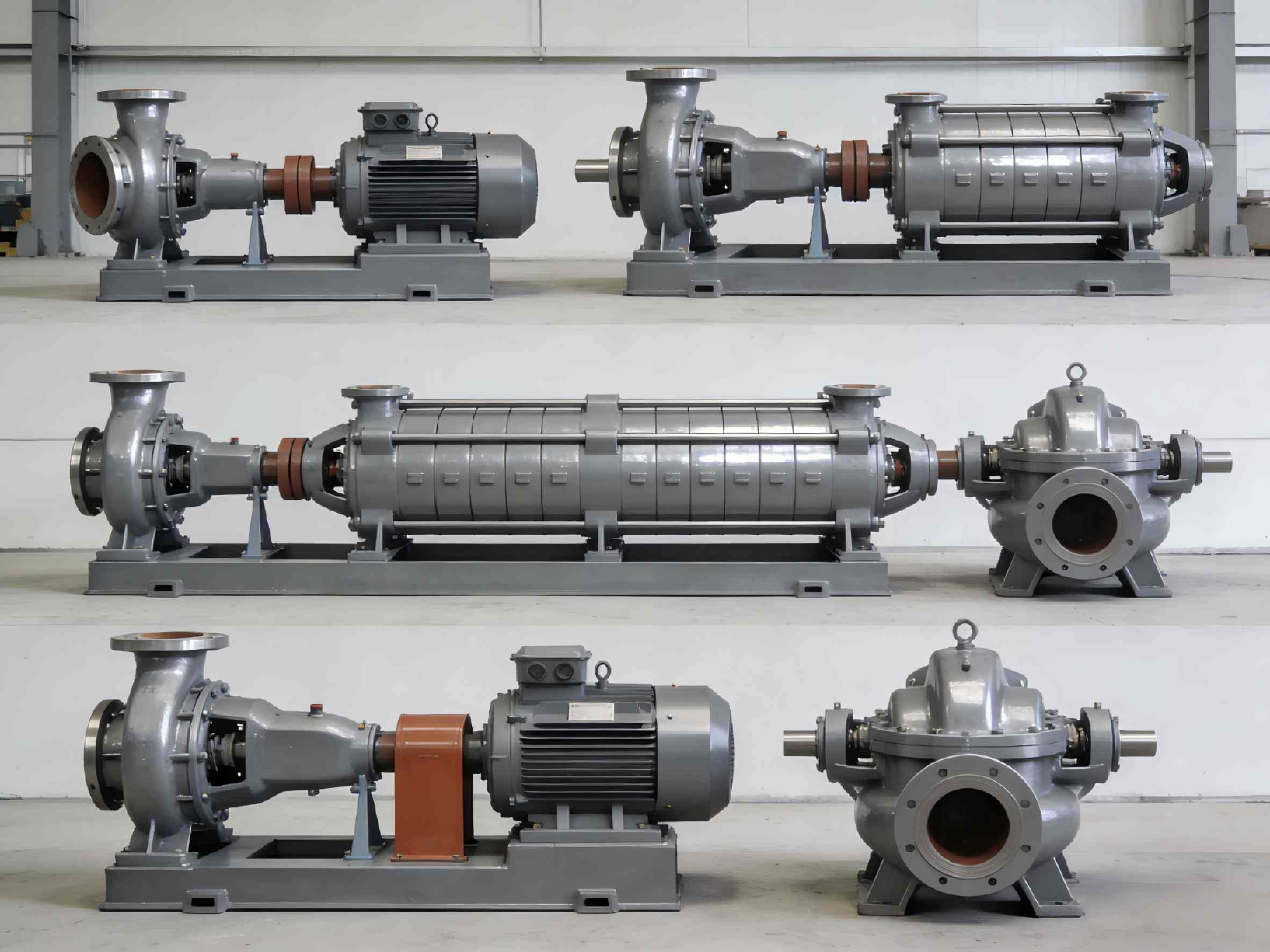
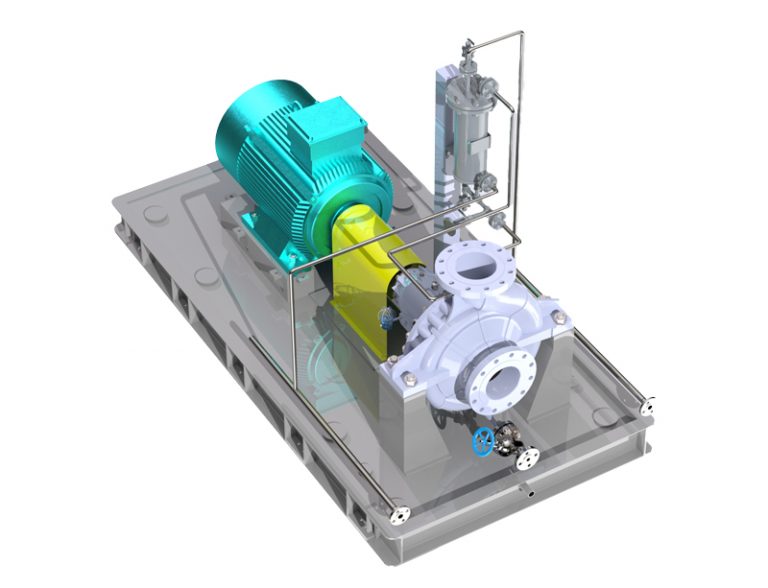
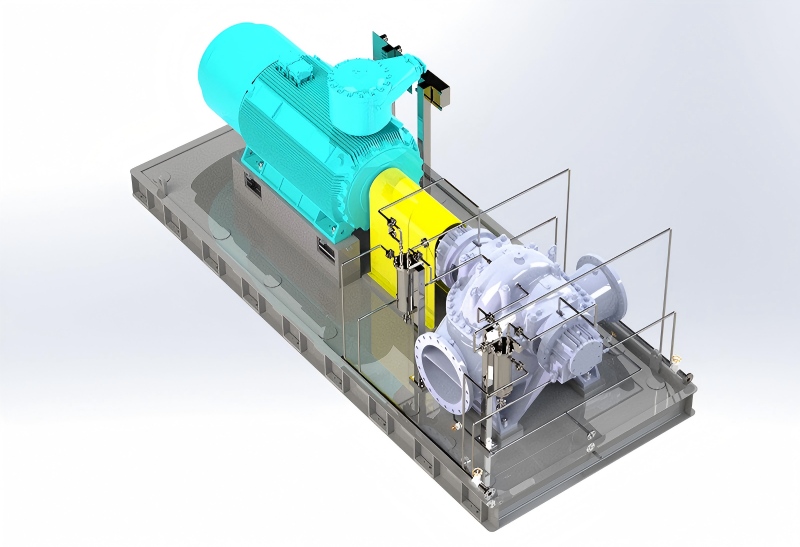
The LZE (OH2) serves as a horizontal, center-backed single-stage centrifugal pump built to API610 11th edition standards. This line mainly handles clear liquids or those with minor bits, neutral or strongly corrosive, cold or hot fluids. Its main traits cover:
- A volute housing with a dual volute setup (for outlets ≥80mm) that evens out side forces.
- A high-performing impeller that resists cavitation well.
- Axial push balancing via throat bushings and balance holes.
- A small build fitting tight spots for setup.
These traits render OH2 pumps quite useful for average height tasks with rough or eating-away fluids.
Multi-Stage Pumps
Multi-stage pumps, like Longgang Pump’s LCD (BB3) or LDD (BB4), work by piling up several impellers in a row to create strong output pressure. They chiefly move clear liquids or those with solid bits, in areas such as oil extraction, petrochemical work, chemical plants, coal processing, pipe transport, seawater desalting, power station boiler feeds, and more.
Although they reach heights up to 3000 meters, these pumps add mechanical layers, higher upkeep costs, and bigger space needs. In a power plant boiler feed scenario, for example, the LCD model pushes water to 500 m head reliably.
Double Suction Pumps
Longgang Pump’s LAD (BB1) double suction pump has a balanced impeller that pulls fluid from both sides to cut axial push. It mainly shifts clear liquids or those with small bits in jobs like petrochemical sites, water farming, factory power units, and desalting works.
Double suction builds work best for big volume flows, but they demand more room and precise lining up when placing them. Take a large irrigation project: the LAD delivers 2000 m³/h at low head with even forces.
Key Factors in Pump Selection
Pressure and Head Requirements
Matching the system’s height needs to the pump kind holds key importance. For average height spans (16–250m), the LZE (OH2) runs smoothly without the extra layers of multi-stage setups. The LZE manages flows of 5.5–2600 m³/h and heights from 16–250 m at pressures to 10 MPa.
Fluid Characteristics and Solids Handling
When the liquid carries floating bits or acts aggressively on materials, picking the right build and stuff becomes critical. Longgang Pump’s OH2 versions suit moving clear or slightly particle-laden, neutral, or eating fluids. On the other hand, multi-stage models can face quicker erosion from tight paths. For a coal chemical flow with 1% solids, the LZE’s open impeller paths hold up better, lasting 20% longer in tests than narrower multi-stage designs.
Space Constraints and Installation Flexibility
The OH2’s small size and center-line support fit well in upgrades or cramped machine areas. The pull-out feature in Longgang Pump’s LZE lets workers check internals easily, without touching pipelines. By comparison, double suction pumps such as the LAD call for wider spots because of their split housing and two-way inlets.
Maintenance and Lifecycle Costs
Single-stage OH2 pumps contain fewer active pieces than multi-stage or double suction kinds, which eases repair work. The shaft seal setup follows API682 rules and allows various cooling or sealing options. With fewer wear spots, these pumps cut stoppage time in the long run.
Comparative Advantages of OH2 Pumps by Longgang Pump
Operational Simplicity and Reliability
The LZE (OH2) gains from a straightforward mechanical plan with just one impeller. Wear rings on each impeller side, plus balance holes, keep axial loads low. This eases fixing issues and keeps high running time. In daily refinery shifts, this setup means fewer surprise stops.
Versatility Across Industrial Applications
In oil refineries, power stations, and eco projects, Longgang Pump’s OH2 pumps fill many roles. They appear often in air and vacuum refining, cracking units, petrochemicals, coal chemicals, and beyond. Their fit for both pure flows and those with bits highlights broad use.
Cost Efficiency Over Time
For average-height jobs, the OH2 starts cheaper than multi-stage picks and has fewer parts for fixes or swaps. This brings solid savings throughout its full life.
When to Choose Other Designs Instead of OH2 Pumps
Scenarios Requiring High Head or Pressure Boosting
If your setup demands heights over 250m or long pipe runs, multi-stage choices like LCD (BB3) or LDD (BB4) suit better. These provide up to 3000m height for tough jobs such as boiler water supply. In a desalination plant pushing brine 800m uphill, the LDD excels where a single-stage would strain and fail.
Applications Demanding High Flow Rates at Low Head Losses
City water systems or big cooling plants often focus on volume over height. In those cases, double suction pumps like LAD (BB1) beat OH2 units with their even flow forces and strong output at high volumes.
Systems with Specific Hydraulic Requirements
Where even flow or two-sided inlets matter—for instance, in key petrochemical steps—double suction or built-up multi-stage pumps might fit the bill. In a cracking process needing balanced intake, the LAD’s symmetry prevents vibration issues that could plague an OH2 in the same spot.
Decision-Making Framework for Engineers and Buyers
Matching Application Needs With Pump Capabilities
Step 1: Define System Requirements Clearly: Set firm flow amounts, height needs, liquid traits, and location limits before narrowing down types.
Step 2: Evaluate Fluid Properties: Check eating power, heat levels, bite amounts, and thickness. Such details shape material picks and seal plans. Step 3: Assess Installation Environment: Weigh open space for fixed access and lining needs.
Step 4: Compare Lifecycle Costs: Look beyond starting costs to running costs, like spare costs, stop risks, and power use.
Avoiding Over-Specification Risks
- Identify True Operating Range: Steer clear of jumping to big multi-stage units if a mid-height OH2 covers the job well.
- Consider Maintenance Capabilities On-Site: Sites short on expert staff gain from basic OH2 systems needing less special handling.
Conclusion
Selecting the fitting centrifugal pump goes beyond just aligning flows and pressures—it calls for knowing how each style stacks up against your exact job setting. Longgang Pump’s single-stage cantilever (OH2) units provide a fine mix of ease, toughness, room savings, and money smarts, perfect for numerous factory cases with mid-height calls or rough fluids.
FAQ
Q: How does an OH2 pump differ from a multi-stage pump?
A: An OH2 pump like LZE uses a single impeller suited for medium head ranges (16–250m), while multi-stage pumps use multiple impellers in series for higher heads up to 3000m.
Q: When should I select a double suction pump over an OH2 model?
A: Double suction pumps like LAD (BB1) are better for high flow applications where balanced hydraulic loads are required; however, they need more space and careful installation alignment.
Q: Is maintenance easier on an OH2 pump compared to others?
A: Yes. The LZE features a pull-out bearing assembly for easy access without disturbing pipework—ideal for minimizing downtime during routine inspections.