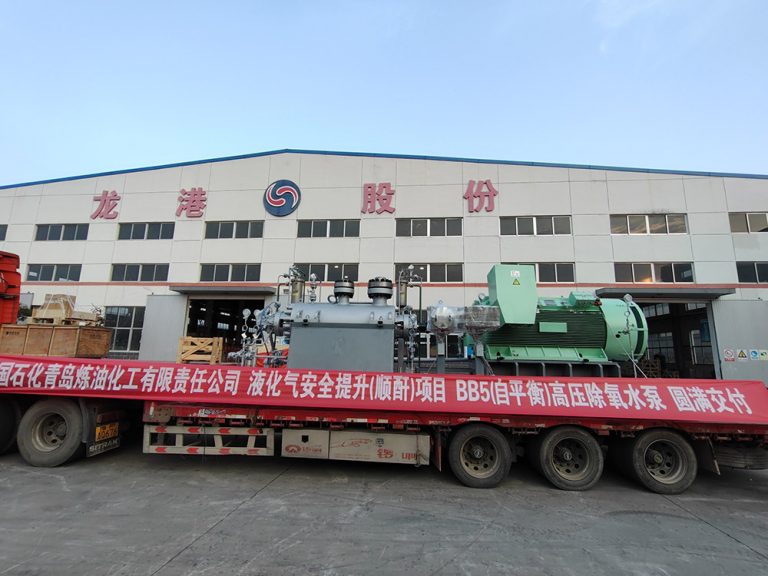

Moving oil around, like raw crude or finished products, calls for the right gear. That’s because these liquids can be thick, prone to catching fire, and picky about heat. Good systems for shifting oil keep things running smoothly. They cut down on power use, too. Plus, they help dodge accidents that hurt people or the land. Picking the best pump matters a lot. It affects how well everything works and stays safe.
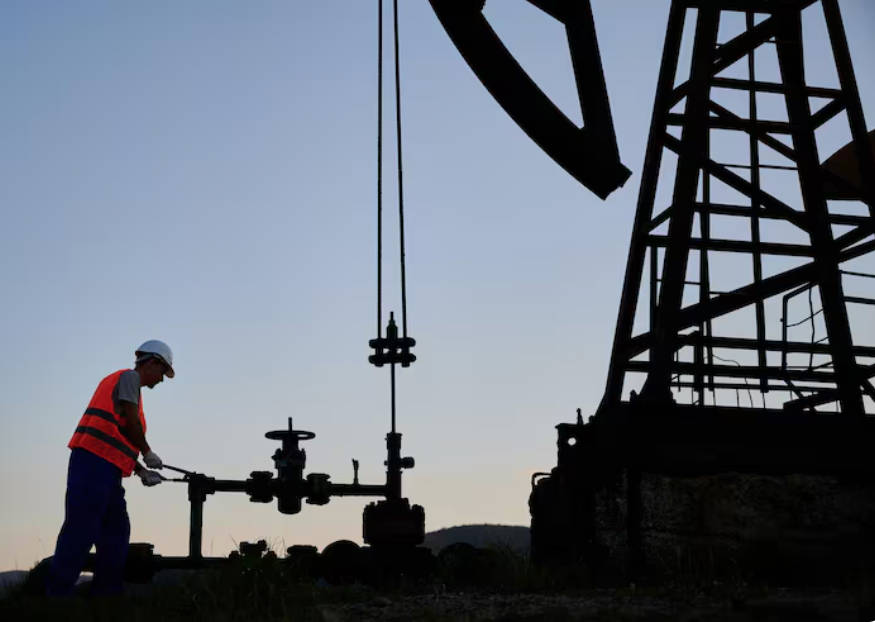
Role of Centrifugal Pumps in Oil Transfer
These pumps play a big part in oil-moving setups. They push big amounts of liquid with steady flow and no big shakes. Their basic build and strong output suit them for non-stop jobs in factories. The items from Longgang Pump show up in fields like oil and chemical work, coal processing, basic chemicals, clean-up efforts, and water fixing. Choosing one that fits the liquid’s traits boosts how well it runs. It also meets tough rules for staying safe.
Key Factors Affecting Pump Performance
Impact of Oil Viscosity
How thick the oil is makes a huge difference in picking pumps. Thick oils push back hard on the spinning parts. So, you need pumps with more pull power and better water-flow shapes. A too-small or wrong pump might slow the flow, burn extra energy, or get too hot. Longgang Pump handles this with types like the LBD (BB2) Radial Dissection Chemical Process Centrifugal Pump. These are made for thick, hot oil in chemical plants. They work great for raw oil, bottom stuff from vacuum units, and other heavy liquids in making fuel.
Temperature Considerations
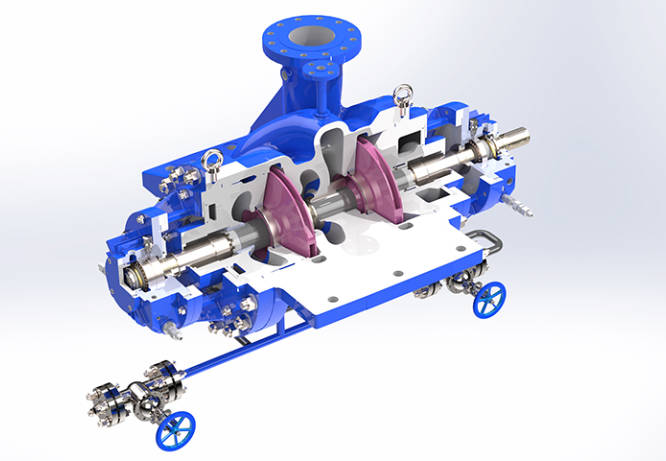
Hot liquids can wear out normal parts and mess up seals. Heat-proof stuff is key. The BB2 centrifugal pump, built by themselves, is used mostly in hauling crude, coal work, gas handling, sea drilling gear, and other factory steps. It stays steady and lasts long even in rough spots. Longgang Pump’s LTD (BB5) double-shell multi-stage pump can take heat up to 450°C. That makes it good for moving hot oils.
Volatility and Flammability Risks
Oils that catch fire easily bring big dangers if not kept in check. Stuff that evaporates quickly can slip out through bad seals, letting out risky fumes. Yantai Longgang Pump Industry Co., Ltd. fixed tough problems like keeping flow steady, controlling safety, and running things based on how the stuff changes form. To cut this risk, Longgang Pump adds top seal setups that follow API682 rules in models like the LZE (OH2) and LDTV (VS1). Both come with seals that stop leaks for safe runs in tricky places.
Choosing the Right Centrifugal Pump
Matching Pump Type to Application
Figuring out the setup spot helps pick between side-ways or up-and-down pumps. Side-ways ones like the LCD (BB3) fit jobs that need them on the ground, easy to fix. Up-and-down pumps such as the LDT (VS6) work well for tanks underground or in tight spots since they take up little space. Pumps with many stages, like the LDD (BB4), are better for high push needs, say in boiler water feeds.
Materials Compatibility with Oil Types
Certain oils eat away at stuff, so you need to build from strong metals or stainless steel. The firm has made special pumps from alloys for fighting thin sulfuric acid, hydrochloric acid, thick sulfuric acid, caustic soda, and other corrosive super-low carbon duplex stainless steel pumps. This keeps them tough and working steadily. The LZA (OH1) pump is one that uses stuff that fights rust for moving sour or plain liquids in oil chemical spots.
Seal Design for Leak Prevention
Good seals stop bad leaks in high-pressure systems. Machine seals beat out packing ones for stuff that evaporates, since they hold up better. For key jobs like pumping ethylene feed or handling gas turned liquid, Longgang Pump gives double-seal setups in models such as the LDT (VS6). This keeps everything locked in tight.
Enhancing Efficiency in Daily Operations
Importance of Proper Sizing and Flow Rate Matching
The wrong pump size can cause bubbles inside or waste power. Too small ones fight to push enough, but too big ones run sloppily. The checked water-flow best point hits 90.5%, which beats the country’s top energy mark by 3.5%. Longgang Pump’s BB2 line gets this from smart water modeling tools. We give full pump picking aids to match the setup needs.
Maintenance Best Practices for Longevity
Checking seals, bearings, and spinning blades often keeps pumps going longer. Longgang Pump’s pumps have piece-by-piece builds that make fixing easy without pulling pipes apart. Take the LAD (BB1): it lets you swap seals without touching in or out lines, so downtime stays short.
Monitoring Systems for Safety Assurance
Spotting weird shakes or heat jumps early stops big breaks. Longgang Pump lets you add digital watchers to their pumps. The bearing spots have normal holes for checking heat and vibrations. These let you watch how the unit runs all the time to keep the pump running smoothly. This matters a bunch in risky areas where quick warnings can stop bad spills.
Common Pitfalls in Pump Selection
Overlooking Fluid Properties During Selection
Skipping how the liquid acts, like its thickness or how it evaporates, often leads to quick wear or weak runs. Talking to skilled fixers when picking is important.
Failing to Consider Installation Environment
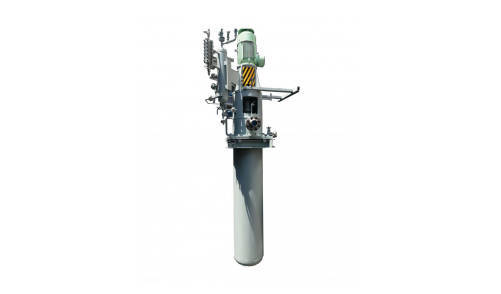
Outside or dangerous spots need boxes that stop blasts and parts that fight the weather. Models like the LDT (VS6) Vertical Suspended Bag Centrifugal Pump are made with that in mind, specifically for stuff that burns easily, like propane or ethylene.
Ignoring Total Cost of Ownership (TCO)
Cheap buys up front might pull folks to plain pumps. But lots of fixes, weak runs, or fines for breaking rules add up to costs later. Putting money in solid ones like Longgang Pump’s saves cash over the years.
Longgang Pump Solutions Overview
Product Features Tailored for Oil Transfer
Longgang Pump has a whole set of pumps that meet API rules. These pump have strong outer shells, balanced spinning parts, and motors that save power for tough oil-moving jobs. They get used from oil field push systems to plant feed pipes, and even thick CO2 hauling, as shown in Longgang Pump’s work on China’s CCUS plans.
Support Services from Longgang Pump
We give tech advice for picking pumps, help with setting up, teaching, and provide support after. In our help way, our pro teams do on-spot start-up aid and check-ins now and then to keep things running steady. We stop by users often to hear about how cleaners work, fix questions, and handle issues quickly. This focus on buyers not just makes them happy but lifts how the system works through early steps.
FAQ
Q: What type of centrifugal pump is best for transferring crude oil?
A: A pump designed with corrosion-resistant materials, high-efficiency impellers, and robust seals—like those from Longgang Pump—is ideal for handling the viscosity and chemical composition of crude oil.
Q: How does oil viscosity affect centrifugal pump performance?
A: Higher viscosity increases resistance inside the pump, reducing flow rate and efficiency; selecting a pump rated for viscous fluids is essential.
Q: Can I use a standard water centrifugal pump for oil transfer?
A: No, oil’s chemical properties differ significantly from water; using a standard water pump can lead to seal failure, overheating, or even fire hazards.
Q: What makes Longgang Pump suitable for volatile oil applications?
A: Longgang Pump products feature advanced sealing systems, thermal-resistant materials, and explosion-proof configurations tailored for volatile fluids.
Q: How do I determine the correct pump size for my oil transfer system?
A: Consider flow rate, head pressure, fluid properties, pipe layout, and safety margins—Longgang Pump provides selection tools to assist with accurate sizing decisions.