
What is MTBF
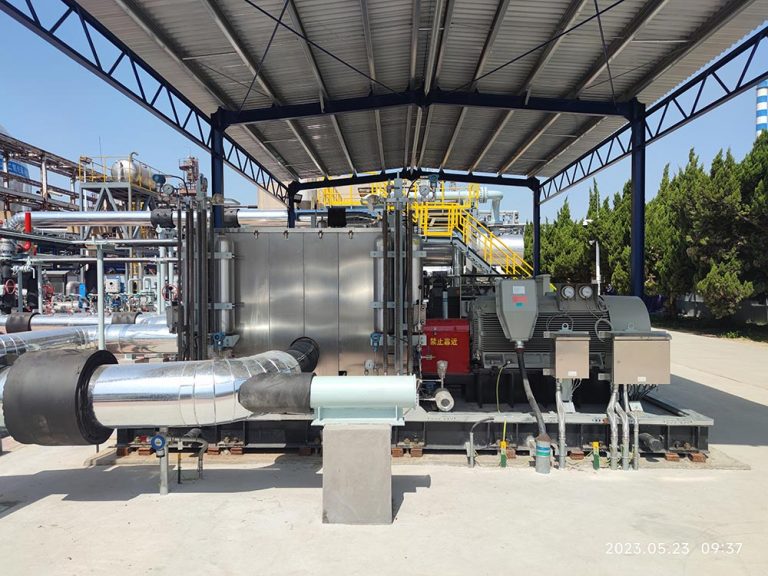
Mean Time Between Failures (MTBF) serves as a key measure of reliability in managing industrial gear. It represents the average operating time between inherent failures of a repairable system under normal operating conditions. A larger MTBF points to stronger dependability and fewer surprise stops, which matters a lot in fields like petrochemical and chemical work that need steady output.
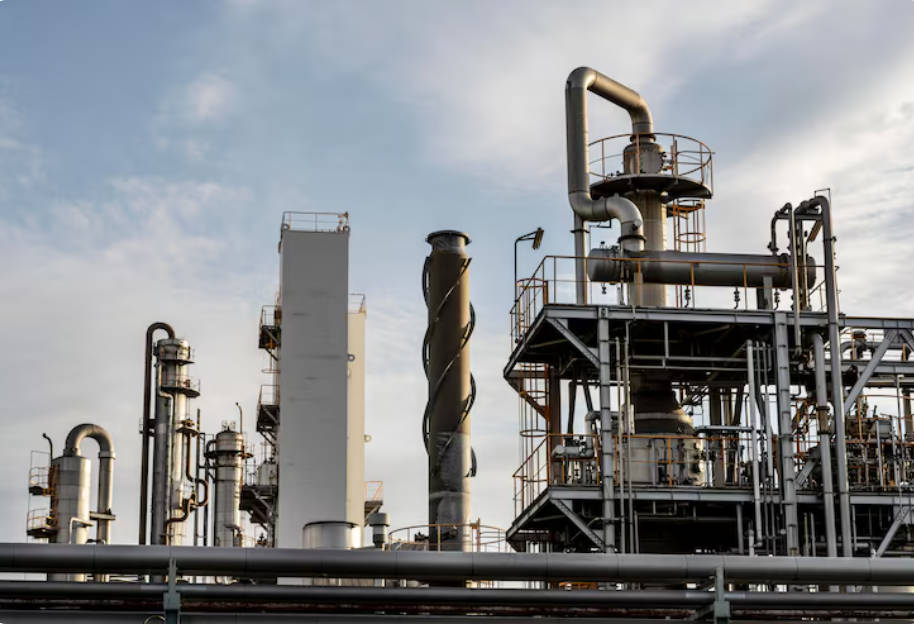
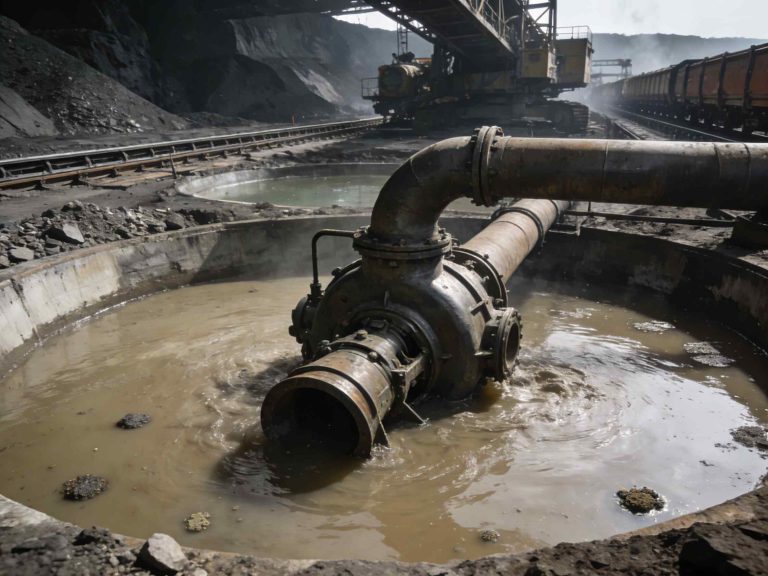
In areas such as petrochemical and coal chemical plants, machines often face tough spots with strong pressure, heat, and harsh chemicals. Boosting MTBF helps keep things safe and smooth in production. It also cuts down on sudden halts. Picking pumps with a solid MTBF helps lower how often you need fixes and the money spent on them. A dependable pump supports big goals for steady work over time.
Horizontal Split Multi-Stage Centrifugal Pumps Overview
Basic Structure and Function
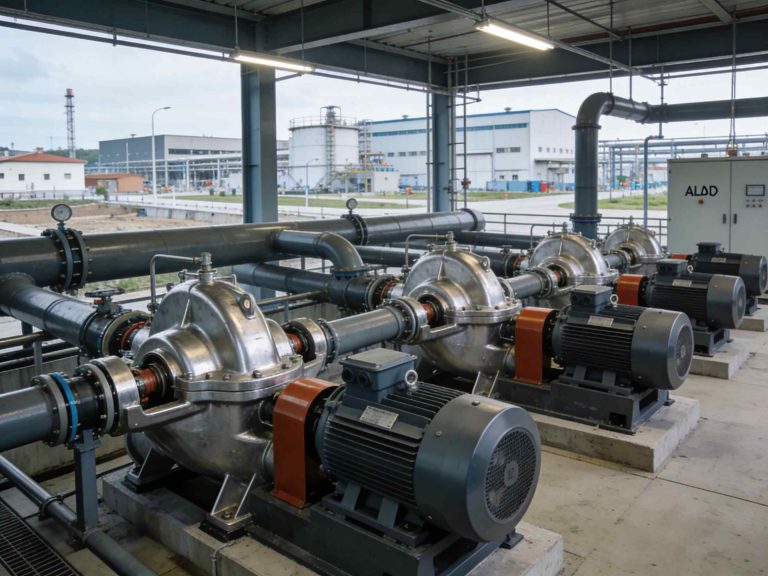
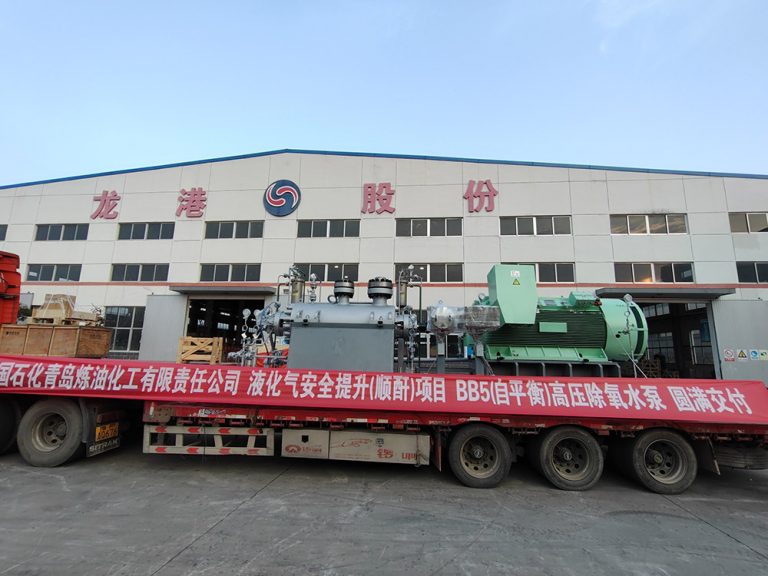
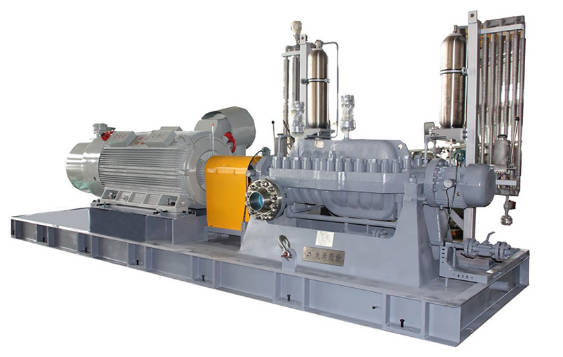
Horizontal split multi-stage centrifugal pumps handle liquids under heavy pressure through several impellers. Each step builds more push on the fluid. This setup gives high lift while keeping the flow at a fair level. At Longgang Pump, the LCD(BB3)-Horizontal Split Multi-Stage Centrifugal Pump uses one shell with a split along the axis. It adopts a between-bearings design with symmetrically arranged impellers. These impellers sit back-to-back in a balanced way, which significantly reduces residual axial thrust. As a result, it faces less strain on parts and holds up better in strong pressure spots. The split along the horizontal line lets you open the shell easily. You can check inside without pulling apart pipes or shifting the motor setup. This makes upkeep and checks straightforward. In a real plant setting, like during a routine inspection in a desalination unit, maintenance personnel can access internal components efficiently without dismantling the piping or driver avoiding full shutdowns.
Applications in Industrial Settings
These pumps handling clean liquids or fluids with very low solid content, depending on material selection and application conditions. They stand up to long runs in rough spots, which makes them vital for high-pressure jobs that call for lasting strength. For instance, in offshore oil drilling, such a pump might push fluids through miles of pipes day after day. Its tough build helps avoid failures that could halt entire operations, drawing from years of field use in harsh marine environments.
Key Design Features That Improve MTBF
Rigid Pump Construction
The built strength of a pump ties right into its MTBF. In the LCD series, the main body has even top and bottom parts that balance side forces on their own. The split along the axis adds to the solid frame, so it bends little even when loads change. The strong shaft setup works well and fits rough conditions. It operates well below the first critical speed, ensuring stable operation. This cuts wear from shakes on the inside pieces.
Precision Shaft Alignment
Getting the rotor lined up just right cuts down on tiredness in parts. If it’s off, bearings get uneven weight, and seals fail too soon. In Longgang Pump’s LCD (BB3)-Horizontal Split Multi-Stage Centrifugal Pump, the shaft sleeves are designed with internal anti-rotation features to ensure precise alignment and stable operation. This helps line things up spot on. It also trims energy waste and boosts how well it uses power. From industry know-how, proper alignment in these pumps has helped sites like natural gas plants stretch seal life from months to years, as seen in routine checks after installation.
High-Quality Bearing Systems
Bearings hold up the spinning parts and take side and end loads. The standard configuration uses widely accepted, industry-standard bearing arrangements. For certain conditions, you can pick self-lube slide bearings or ones with forced oil flow. These handle a broad range of heat and pressure without hitches. In power plant feeds, for example, forced lube systems keep bearings cool during 24/7 runs, drawing from real-world data where failure rates dropped after switching to these options.
Longgang Pump’s Approach to High MTBF
Engineering for Extended Operation Cycles
At Longgang Pump, we build products with strong reliability in mind. This matches what today’s industries expect, especially the common three-year overhaul interval adopted by many chemical plants. Our own BB2(LBD) efficient centrifugal pump fits main uses like moving crude oil, coal, chemical tasks, natural gas handling, offshore drilling gear, and other processes. Achieving peak hydraulic efficiency of up to 90.5% under optimized operating conditions. That’s 3.5% above the national top energy level. We tailor options to what users need. This covers materials, impeller setups, and seal choices for exact process needs.
Manufacturing Quality Control
We put a big focus on product quality and support. We build up our quality systems and have earned ISO9001:2008 certification plus the American Petroleum Institute API quality stamp. Our shop has tools like CNC centers for cutting, fine grinders, big vertical lathes, and top test stands. The test setup hits level 1 accuracy. It handles full pump checks on hydraulic work, cavitation runs, tests under changing speeds, and long-run trials. For one recent batch of LCD pumps, endurance tests ran for 1,000 hours straight, confirming real-world durability.
Maintenance-Friendly Design Elements
In the LCD(BB3) pump, the entry and exit flanges sit right on the shell. This lets you test and fix things without shifting pipes. The split along the axis also gives quick entry to inside bits like impellers and bearings. This build style cuts stop time for big checks or swaps. It’s key for places aiming for long stretches without breaks.

Operational Best Practices to Maximize MTBF
Proper Installation Techniques
Improper installation can significantly reduce MTBF. You must get the baseline right and pipes held steady. Off-base or bad pipe links add strain that breaks things early. Our tech team help at the startup. They check lines and how the weight spreads.
Routine Monitoring and Lubrication Management
Regular checks, like vibration monitoring, heat scans, and oil tests, spot wear signs soon. Set lube times based on the work surroundings. Our pumps can add heat sensors and shake check spots for live info.
Training and Skilled Workforce Involvement
Workers need to know warning clues, such as more shakes or odd sounds. Training them to act fast with past data or logs helps stop surprises. We provide training as part of after-sales support.
Benefits of Longgang Pump’s High-MTBF Solutions
Lower Total Cost of Ownership (TCO)
Sturdy pumps like our LCD(BB3) model lead to fewer surprise stops. The build lets you add spots for big flows in between, picking the right places and impeller flows for changing needs. This makes the system fit better and trims costs over time.
Alignment with Industry KPIs
Our pumps aid petrochemical sites in hitting “three-year cycle” marks. They back safe, steady, non-stop work aims. With tough builds and reliability at the core of each model, Longgang Pump remains a solid choice for key fluid jobs. In natural gas processing, this means meeting uptime targets of 98% or higher.
FAQ
Q: What is the typical MTBF for a Longgang Pump horizontal split multi-stage centrifugal pump?
A: With proper installation and maintenance, Longgang Pump designs aim for MTBF exceeding typical three-year overhaul intervals under proper operating and maintenance conditions, aligning with modern chemical plant overhaul cycles.
Q: How does a rigid structure help extend pump life?
A: A rigid design minimizes vibration and mechanical deflection, which significantly reduces wear on internal components and helps maintain alignment.
Q: Why is shaft alignment critical in centrifugal pumps?
A: Misalignment causes uneven loading on bearings and seals, leading to premature failure. Precision alignment ensures smoother operation and longer life.
Q: What makes Longgang Pump suitable for petrochemical applications?
A: Longgang Pump offers robust construction, high-quality bearings, and engineered solutions tailored to meet the long-cycle demands of petrochemical operations.
Q: Can these pumps be maintained without full disassembly?
A: Yes, the horizontal split design allows access to internal components without disturbing pipework or motor alignment, reducing downtime during maintenance.