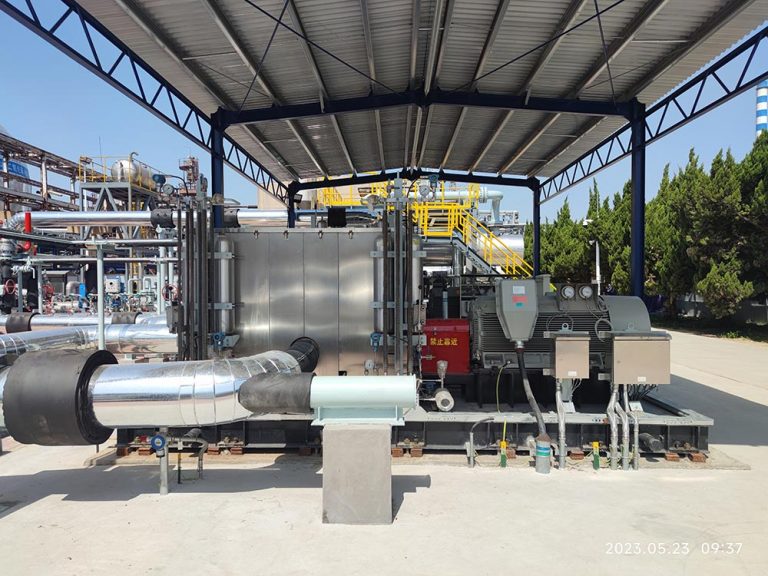
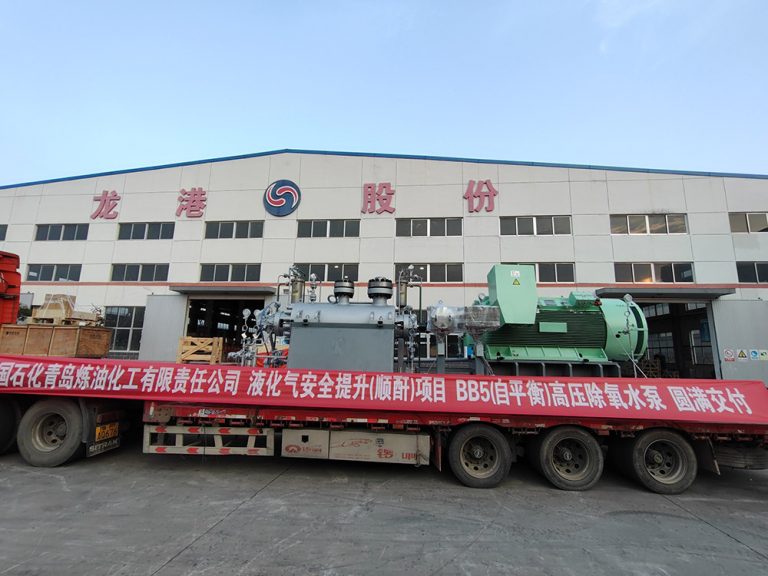

Alkylation unit chemical transfer pumps should be selected based on duty rather than being designated as a single plant-wide pump type. Important factors that define duty are: Acid concentration, Hydrocarbon composition, Temperature, Vapor space pressure, Suction conditions, Containment risk, and Maintenance access. Based on these factors, service may require an OH2 process pump, a between-bearing BB2 pump, or even a vertical suspended type. The seal plan and wetted materials must then match the defined structure and fluid.
So, in practice, we have to choose a configuration that will operate at the required point and not damage shaft seal, bearings, impeller and casing of the pump. This is a total pump-package decision that we take, not just a model decision.
Why Alkylation Units Need More Than One Pump Structure
An alkylation unit is a combination of duties including concentrated acid circulation, transfer of fresh and spent acid, volatile hydrocarbon feed and product, oily sewer and below-grade sump. The various services have different suction margins, containments and repair consequences, corrosion mechanisms and maintenance needs.
The first step in selecting the relevant pieces of equipment is to create a Duty Map which lists all of the equipment tags, along with information regarding the fluid type, minimum and design conditions, suction pressure, vapor pressure, etc. as well as any upset scenarios and the expected leakage consequences. The Duty Map is then organized into structural families and the appropriate hydraulic and mechanical analysis performed for each family.
Match Pump Structure to the Alkylation Duty
OH2 Pumps for Acid Transfer and Circulation
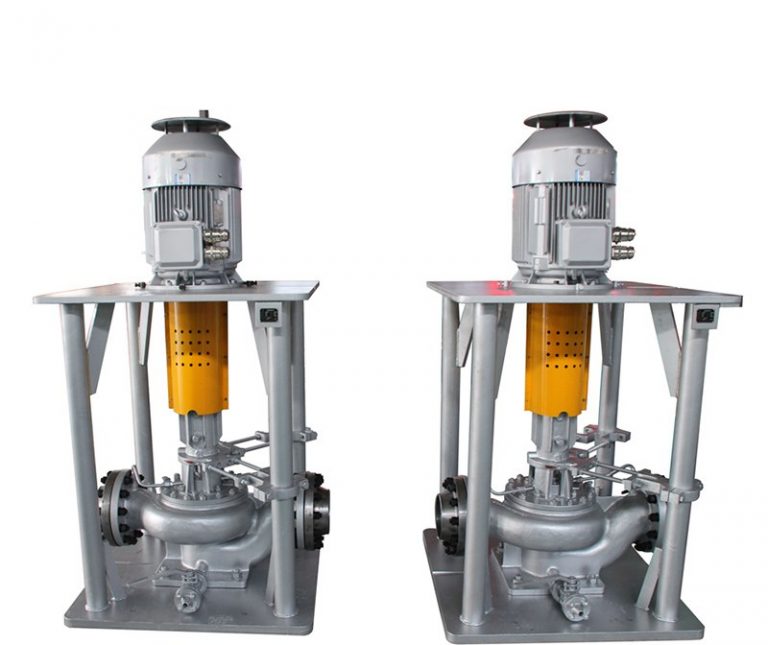
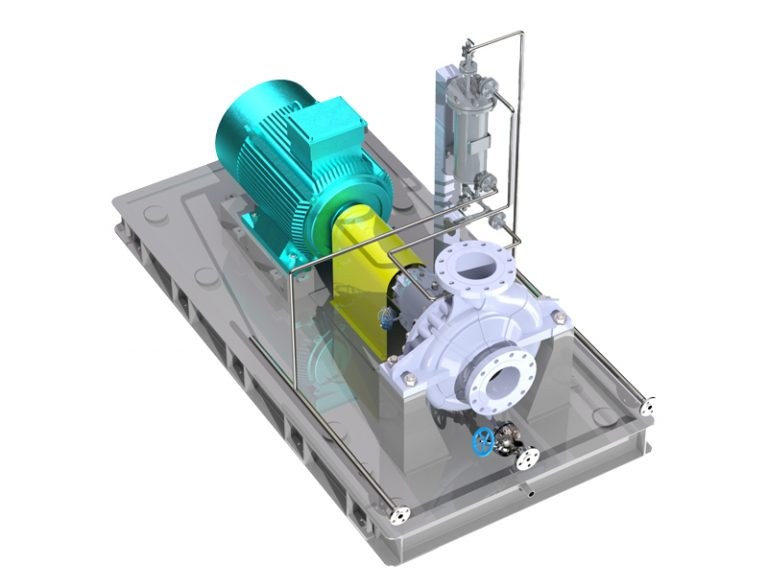
A centerline-mounted OH2 pump would be selected if a single-stage design can meet the required hydraulic duty and thermal growth must be controlled and support given to the shaft. Longgang Pump’s LZE(OH2) single-stage cantilever centrifugal pump is an overhung process design for use in petroleum and chemical services. The fluid, operating condition and customer specification all will influence the final configuration of the pump.
The data from the project needs to remain attached to the selection, as shown below. Sulfuric-acid transfer pump P-20401 was equipped with an LZE OH2 at 20°C for 20 m3/h normal flow and 72m head. The casing and impeller were made of 904L and the seal-plan was Plan 11+53B. Spent-acid pump P-20273A/B was handling 90% sulfuric acid with C8+ hydrocarbon at 1.3 m3/h and 54m head. Casing and impeller were of same grade as above and seal-plan was same as well.
BB2 Pumps for Higher Mechanical Loads
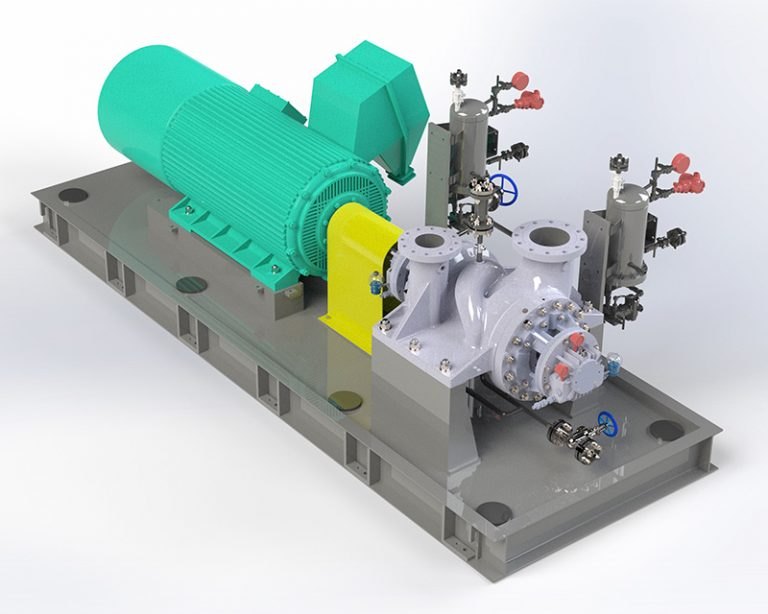
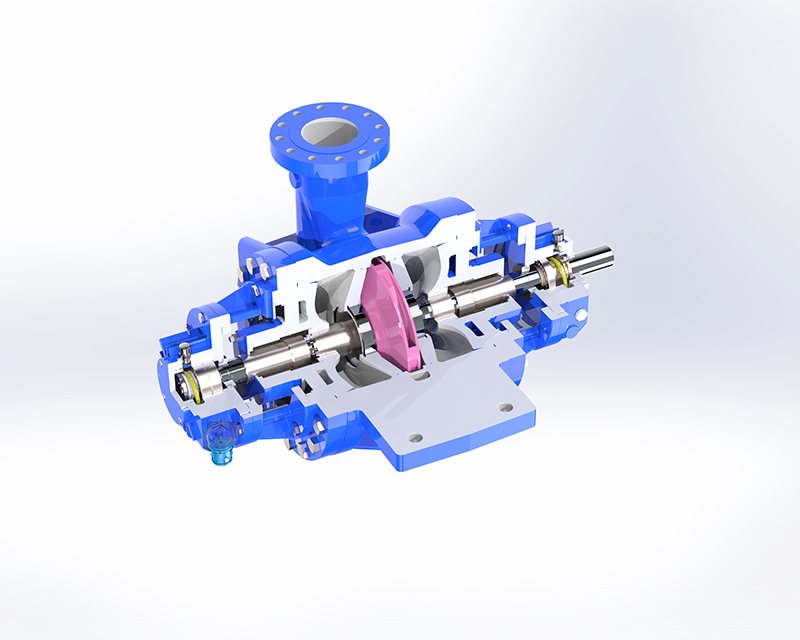
A between-bearing, radially split structure can be reviewed when hydraulic loading, casing pressure, nozzle loads, or project requirements call for greater mechanical margin. Longgang Pump’s LBD(BB2) radial split chemical process centrifugal pump provides that structural option for demanding petroleum and chemical process duties. The selection must still be justified by the complete datasheet.
A 400,000 t/y alkylation unit de-isobutanizer feed pump, 1242-P-202A/B, used an LBD BB2 for light hydrocarbons at 368.9 m3/h, 156.2 m head service. Data from this pump supports a review of the BB2 for this duty but does not establish that all hydrocarbon transfer services must be between-bearing pumps.
VS1 Pumps for Below-Grade Drainage
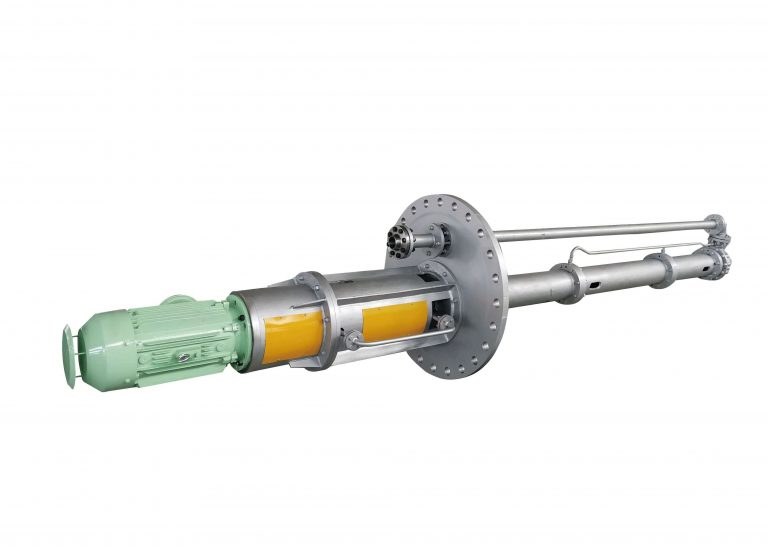
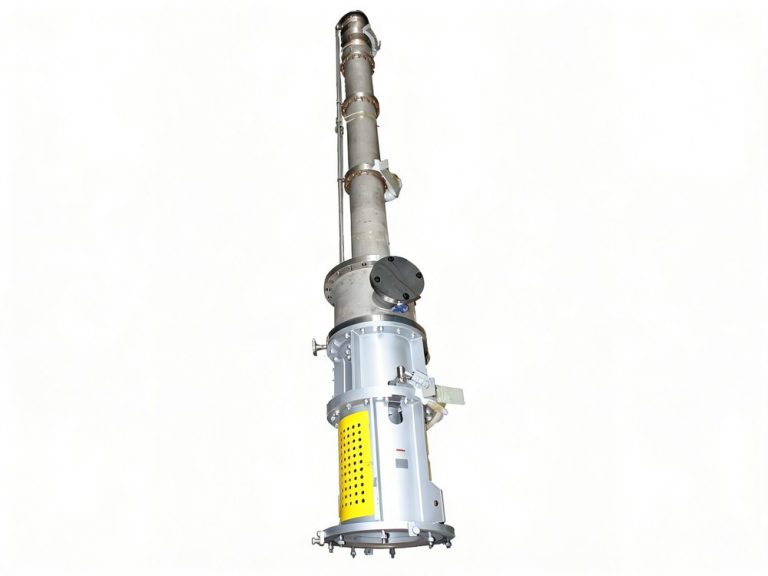
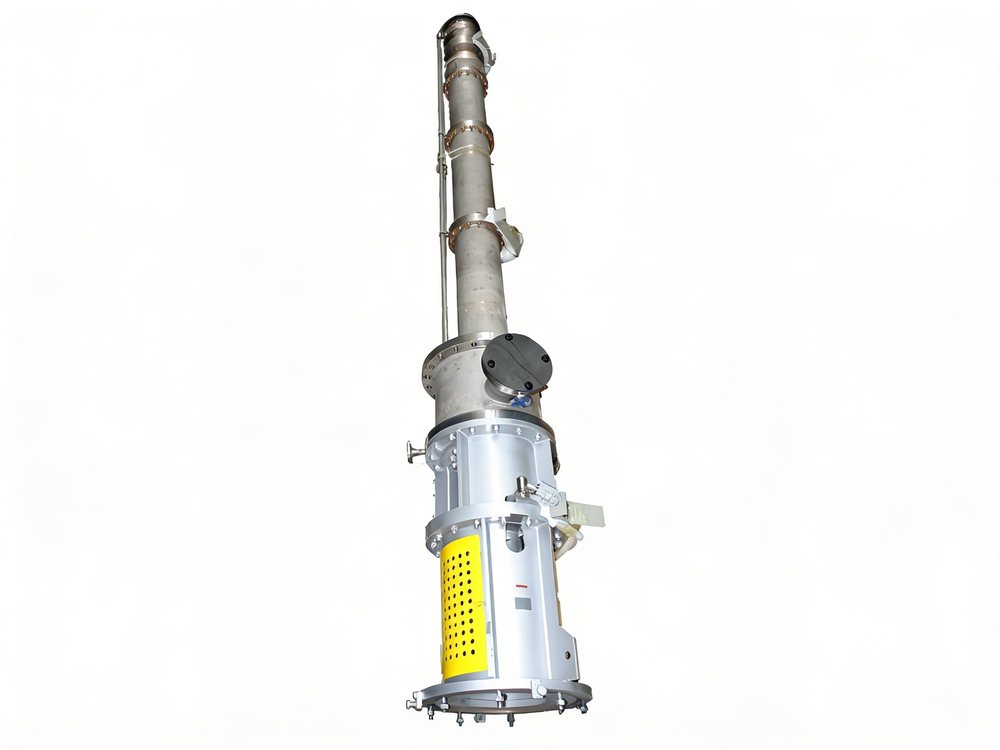
Below-grade vessels and drains can be a good application for a vertically suspended pump, as the hydraulic section of the pump is in the liquid while the driver is mounted above the mounting surface of the vessel. Important factors are shaft length and configuration, bearing lubrication, minimum submergence, venting, and maintenance access. These must all be carefully engineered as one complete installation.
The Closed-drain pump 1242-P-704 was supplied with an LDTV VS1 for service with light hydrocarbons and alkylate oil, at 15 m3/h and 286 m head. The Plan for this pump was 14+53B. The Acid-drain pump 1242-P-707 was also supplied with an LDTV VS1, this was a project material code A-8 with 17-4PH shaft. The material references for this pump remain to be advised by the controlling project specification.
Choose Mechanical Seals by Fluid Behavior
When selecting a mechanical seal, first determine the risk of containment, the process characteristics and the available utilities. Define the process fluid composition, operating temperature, vapor pressure, presence of solids or a tendency for the process fluid to crystallize, seal-chamber pressure, start-up and shut-down procedures, emissions limits, and the potential consequences should a barrier or flush system fail.
Plan 11 is designed to re-circulate the discharge fluid back to the seal chamber. It is suitable for clean process liquids that can be circulated to provide sufficient cooling and pressure. The concentrated-acid circulation pump P-20371A/B is shown with a fluoroplastic IHF OH2 pump with a Plan 11 seal flush. The Plan 11+53B was used for the Plan 11 portion of the P-20401 and P-20273A/B examples for acid-transfer service.
Select Materials by Concentration and Temperature
Don’t choose a material from the chemical name. The behavior of sulfuric acid changes with concentration and temperature. Water, hydrocarbons, velocity, crevices, welding, thermal cycling, stagnant areas – all of these change the corrosion mechanism for different parts. This means casing, impeller, shaft, sleeves, wear parts, fasteners, gaskets, and seal components must all be checked individually.
P-20401 and P-20273A/B were designed to utilize 904L material under the specified conditions, while the acid-circulation services P-20371A/B and P-20351A/B utilized fluoroplastic construction. Alkylation units for other processes are denoted by project codes A-7, A-8, S-6 and S-5. Ask for the controlling material standard and obtain a component-level bill of materials instead of extending the selection from one project to cover all acid concentrations and all mixed services.
How Longgang Pump Supports Duty-Based Selection
An alkylation unit requires a set of coordinated pump structures and not a single general structure. Longgang Pump manufactures API-oriented OH, BB and VS types of centrifugal pumps, which are widely used in petroleum and chemical industries, and in the technical review, designers can compare the overhung, between-bearing and vertically suspended types of pumps.
It’s stronger to define the process fluid first and then look at the structure, seals, materials, bearings, lubrication and maintenance access as a single package. Contactez Longgang Pump and reference a datasheet outlining the full process fluid composition, together with the temperature and pressure limits, NPSH available, and containment requirements. Also include the relevant material specifications and Longgang Pump can carry out a project-specific review.
Conclusion
A chemical transfer pump for an alkylation unit is a highly integrated piece of plant equipment and has been designed on a number of interconnected engineering solutions, including the basic structure to provide a suitable maintenance access, the seal arrangement to provide containment and to deal with thermal expansion, and the various materials used to provide suitable corrosion and wear resistance. Each piece of equipment should be designed within its complete operating envelope and to the Purchaser’s exact specification.
FAQ
Q: Is one pump type suitable for every alkylation-unit duty?
A: No. Acid circulation, spent-acid transfer, hydrocarbon feed, closed drains and wastewater duties all have different requirements for hydraulic, suction, containment and corrosion. Thus, although OH2, BB2 and VS1 structures may all be included in a single unit, each equipment tag would be selected from the appropriate fluid data and operating conditions for that piece of equipment.
Q: When should an OH2 pump be considered for chemical transfer?
A single-overhung design may be suitable as OH2, provided that for the required flow and head a centerline mounted, process-duty seal chamber is beneficial. Review the suitability of an OH2 case also with respect to: casing pressure, shaft deflection, temperature, nozzle load, operating range, and maintenance access.
Q: Does Plan 11+53B guarantee zero leakage?
A: No. Plan 53B can support a pressurized dual-seal system, but performance depends on seal selection, barrier-fluid compatibility, pressure control, accumulator sizing, cooling, instrumentation, installation, and maintenance. The seal supplier and project engineer must confirm the complete arrangement for the specified fluid and duty.
Q: Is 904L always the best material for sulfuric-acid pumps?
No, the 904L project examples are specific to the stated sulfuric-acid duties defined in the corresponding project. These examples should not be extended to other concentrations, temperature, water, contaminants, velocity, fabrication or upset exposure situations without a component-specific corrosion review.