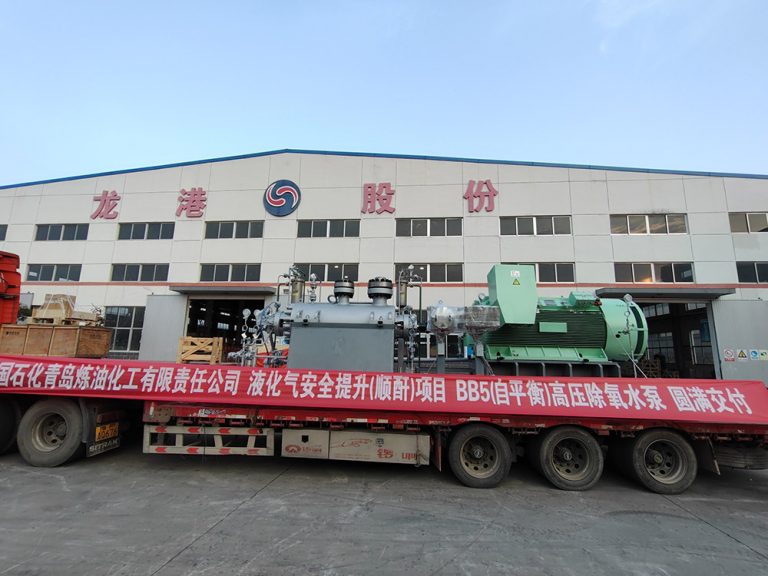

In demanding settings of petroleum, petrochemical, metallurgy, and water treatment, the centrifugal pump serves as the core component. Yet, industrial initiatives often encounter key difficulties: sudden halts from mechanical issues, too much shaking in intense-pressure setups, and the hassle of upkeep in tight spaces. These problems usually arise from a basic choice: deciding between a vertical pump vs a horizontal pump setup.
At Longgang Pump, we focus on fixing these operational hurdles with carefully designed options that emphasize dependability and fluid flow effectiveness.Operators in industry frequently deal with steep upkeep expenses and power loss. When the pump’s layout does not match the site’s physical or flow needs, it causes faster damage and setup instability. Longgang Pump tackles these concerns by following strict API 610 guidelines, which means our centrifugal pump items deliver steady performance even in tough situations, like elevated heat and harsh fluids.
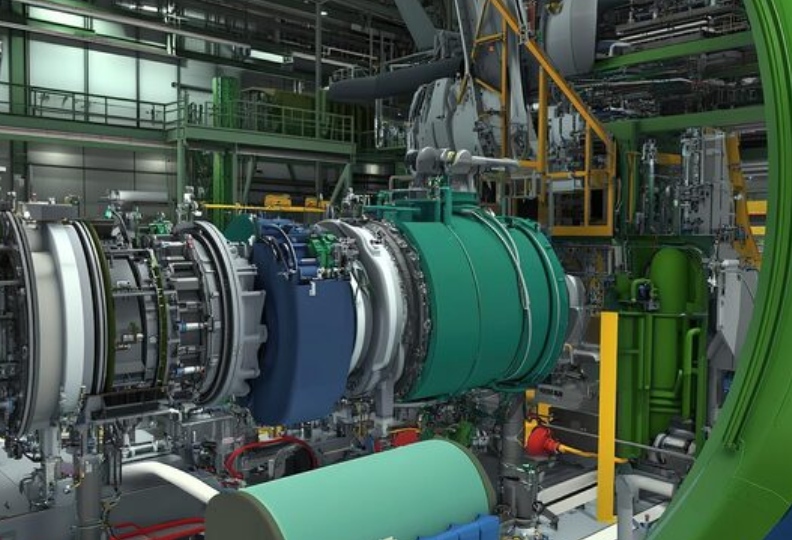
What are Vertical Pump and Horizontal Pump?
To choose wisely, you need to grasp the basic structures of these devices first.
Understanding the Horizontal Centrifugal Pump
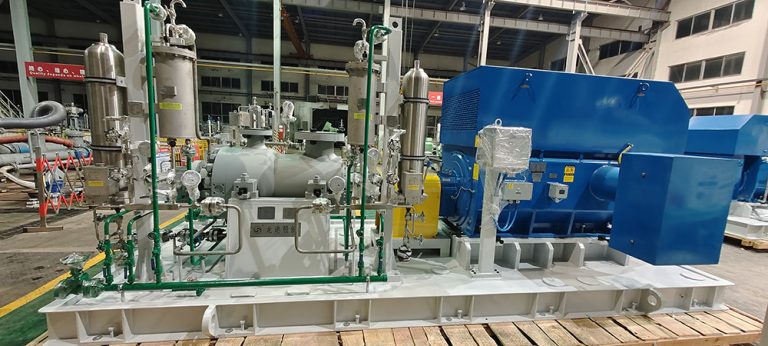
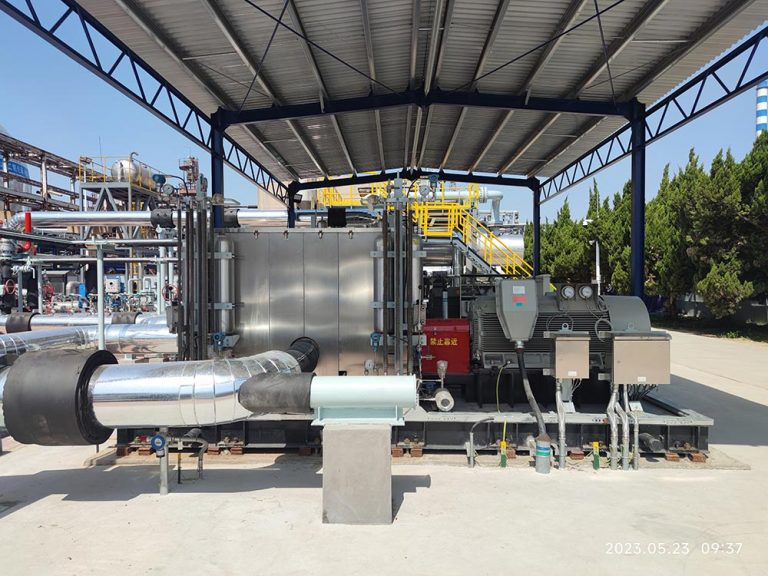
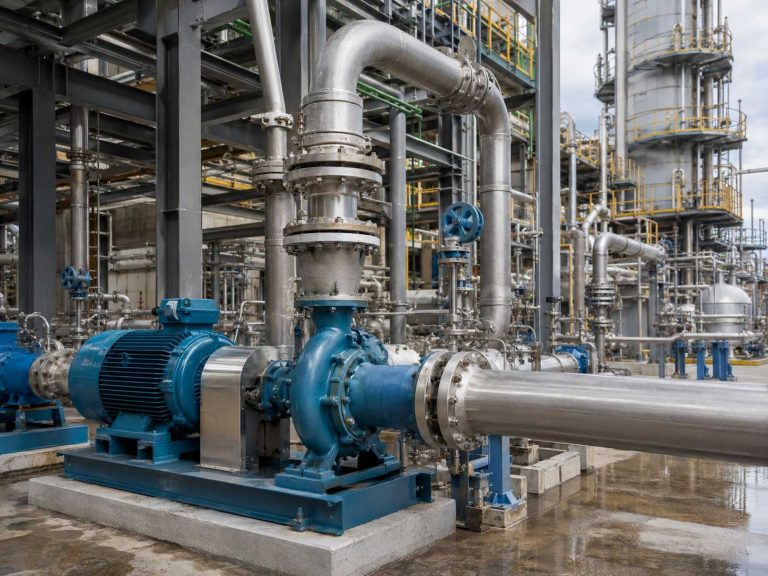
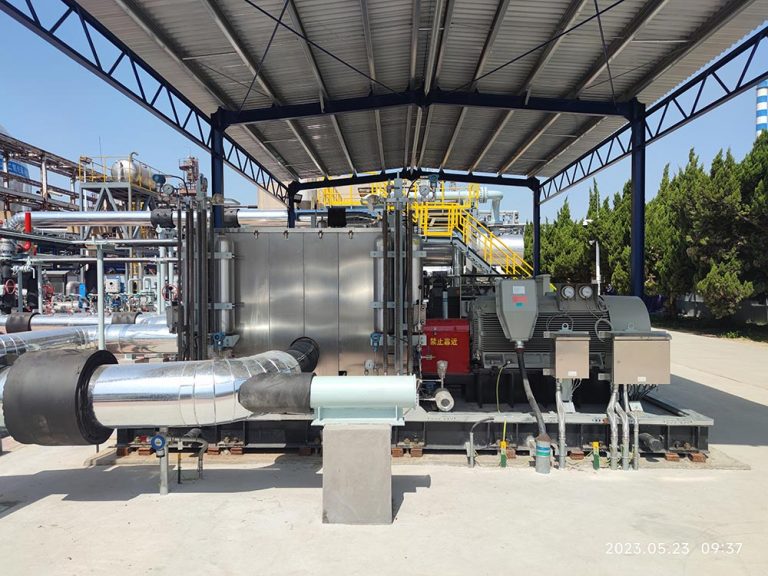
A horizontal centrifugal pump has a shaft that lies flat, usually with the motor placed on the same level as the pump. These units act as reliable mainstays in the field, recognized for their sturdy between-bearing builds and simple reach. For example, our LCD(BB3)-Horizontal Split Multi-Stage Centrifugal Pump employs an axial split casing, so workers can check internals and perform upkeep without detaching the intake or outlet pipes.
Understanding the Vertical Centrifugal Pump
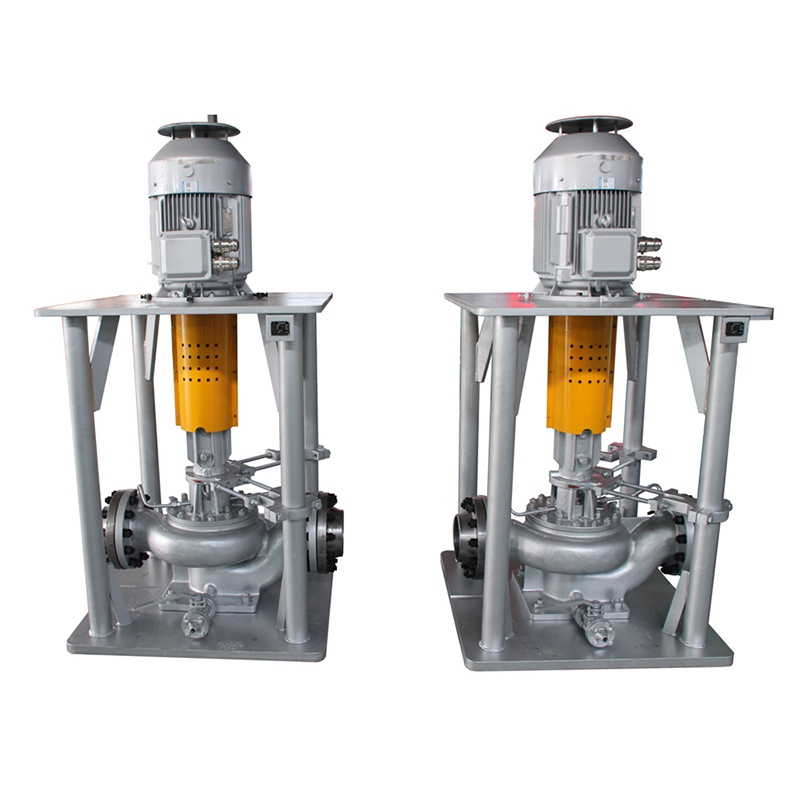
On the other hand, a vertical pump features a shaft that stands upright. This style suits cases where space is limited, or the task demands the pump to sit underwater or fit straight into a line. Our LZV(OH3)-Single Stage Vertical Pipeline Centrifugal Pump exemplifies this type, providing a small, efficient answer for city water delivery and petrochemical pressure systems, especially where space proves vital.
Key Differences: Vertical Pump vs Horizontal Pump
Selecting the proper centrifugal pump calls for examining how the direction influences ongoing results and site arrangements.
Spatial Footprint and Installation
The clearest contrast in the vertical pump vs horizontal pump discussion concerns the needed ground area. Vertical pump models, such as the LZV(OH3), fit vertically, which cuts the setup space a lot. This proves crucial for sea-based rigs or crowded plant sections. Although horizontal pumps demand more floor space, they bring better steadiness for large, multi-step systems like our LCD(BB3) line.
Maintenance and Accessibility
Upkeep simplicity ranks high for business leaders aiming to cut running costs. Horizontal centrifugal pump styles usually provide better access. The LCD(BB3) includes a balanced impeller setup that handles axial forces on its own, and its horizontal split casing lets a worker service the rotor without moving the motor or pipes. Even though vertical pump upkeep may involve more steps because the motor sits atop the pump, Longgang Pump reduces this issue through modular builds and durable materials, which lengthen the time between service needs.
Hydraulic Performance and NPSH
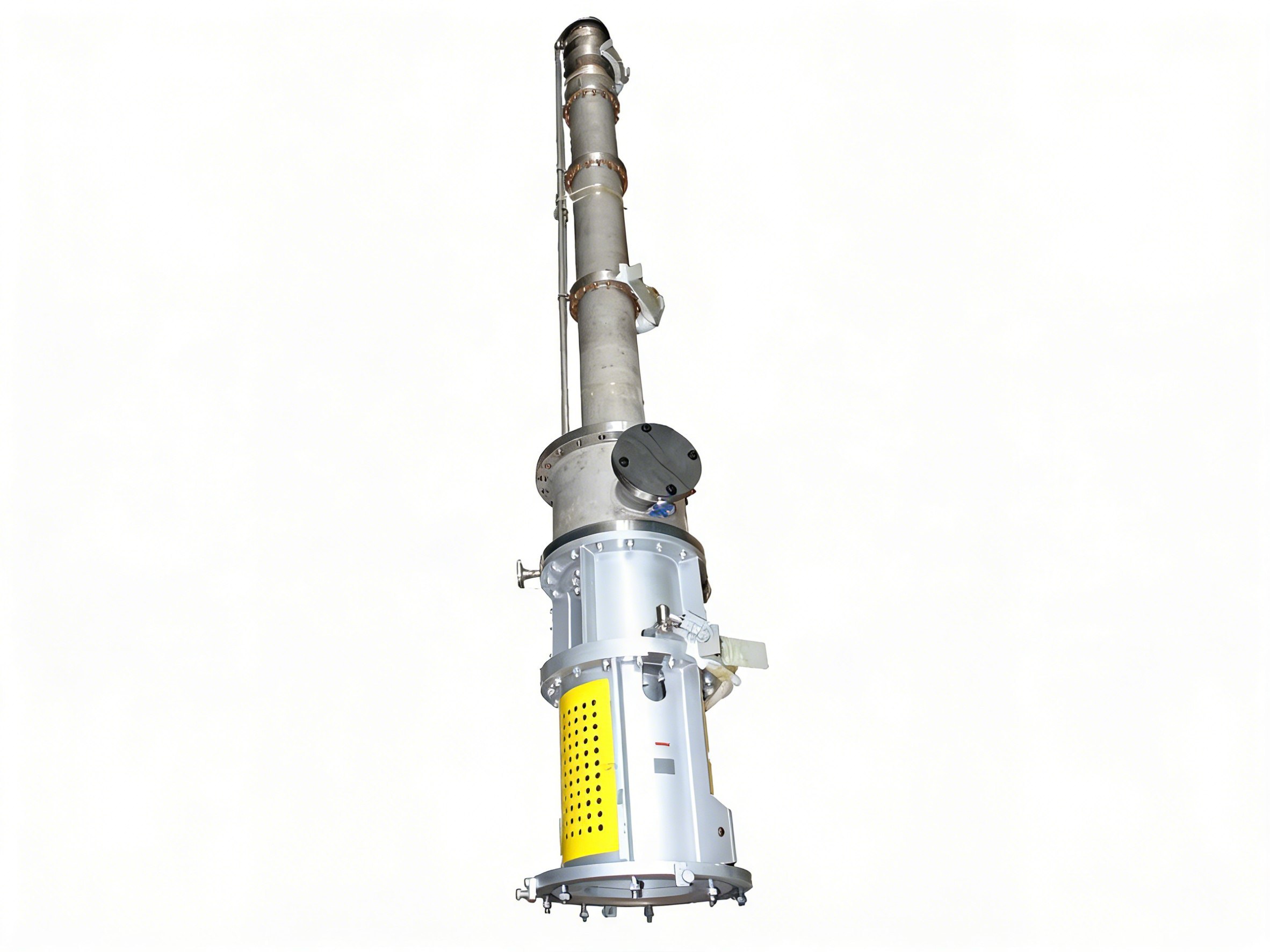
Regarding fluid handling ability, the vertical pump vs horizontal pump pick often depends on Net Positive Suction Head (NPSH) demands. Vertical hanging pumps, including the LDTV(VS1) or LDT(VS6), work well in spots with limited NPSH, since the initial impeller can dip below to avoid bubbling. Horizontal pumps tend to suit high-volume, high-pressure delivery, where firm shafts build, and robust bearings manage major side and end loads.
Application Success: High-Performance Solutions
Longgang Pump boasts a solid history of supplying tailored centrifugal pump answers for major domestic and global efforts.
Case Study 1: CO2 Booster for CCUS Projects
In the Qilu Petrochemical – Shengli Oilfield Million Tons CCUS Project, we supplied the key CO2 line booster pump. The task centered on moving liquid CO2, a substance with poor slipperiness and a tendency to turn to gas. We used a self-adjusting structure along with mixed drag-cutting methods, achieving full local production for this high-pressure setup. As a result, this approach swapped out costly foreign units and guaranteed reliable CO2 movement at pressures reaching 10.0 MPa, aiding worldwide efforts for carbon balance.
Case Study 2: Refining and Chemical Integration
For the Yulong Island Refining and Chemical Integration Project, our LCD(BB3) series (set up with a BB5 lined form) was chosen to carry hot oil at high temperatures. The horizontal split layout offered the required heat resistance and upkeep ease needed for nonstop, large-scale refining work.
Why Partner with Longgang Pump?
As a focused maker, Longgang Pump goes beyond supplying; we act as an original equipment ally dedicated to your brand’s standing.
- Technical Excellence: Our development group applies CFD three-dimensional fluid modeling and PUMPCAD tools to refine each centrifugal pump for top efficiency.
- Quality Assurance: We serve as an approved provider for CNPC, Sinopec, and CNOOC, holding API Q1 and ISO9001 approvals.
- Comprehensive Support: We deliver round-the-clock issue resolution and a 12-to-18-month guarantee, keeping your industrial tasks running smoothly.
Prepared to improve your industrial liquid systems? No matter if your effort needs a vertical pump vs horizontal pump arrangement, our skilled staff stands ready to offer the most trustworthy centrifugal pump tech on hand.
FAQ
Q: Which pump suits best with limited space on the ground?
A: The vertical pump is ideal for limited space, thanks to its vertical shaft design that minimizes the required floor area, making it a perfect solution for OEM/ODM projects with space constraints.
Q: Is it convenient to do maintenance with a horizontal centrifugal pump?
A: Yes, indeed. For instance, our LCD(BB3) series can be inspected without removing the rotor since it has an axial split casing.
Q: Are there any other pumps that can cope with corrosive media at elevated temperatures?
A: Yes, there are such models as LBD(BB2), LCD(BB3), etc., which have center-line mounting and can easily deal with such conditions.
Q: What technologies does Longgang use to increase hydraulic efficiency?
A: We utilize CFD modeling and CNC machining technologies to enhance hydraulic efficiency, ensuring that our pumps meet national energy standards deal for OEM/ODM applications requiring energy-efficient solutions.
Q: What is the primary purpose of using the LZV(OH3) series?
A: This series of pumps is commonly applied to transfer water from one level to another, such as water delivery to high-rise constructions or firefighting, or petrochemical pipelines.