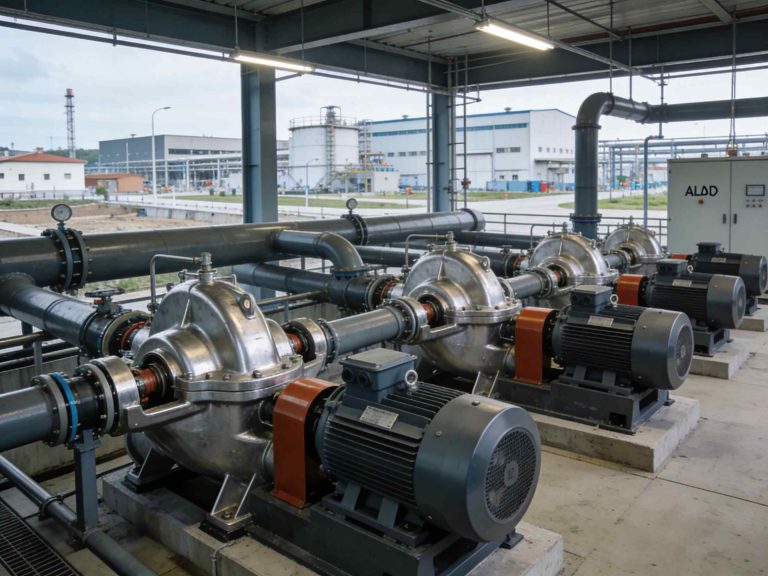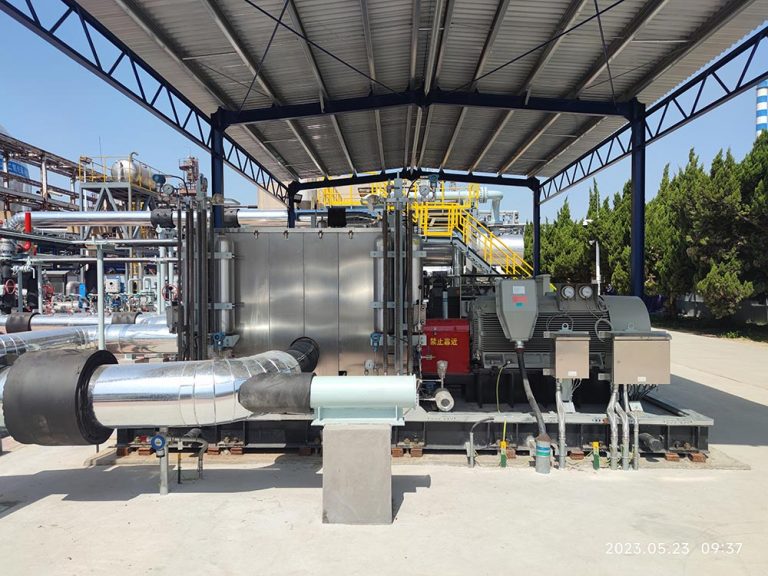
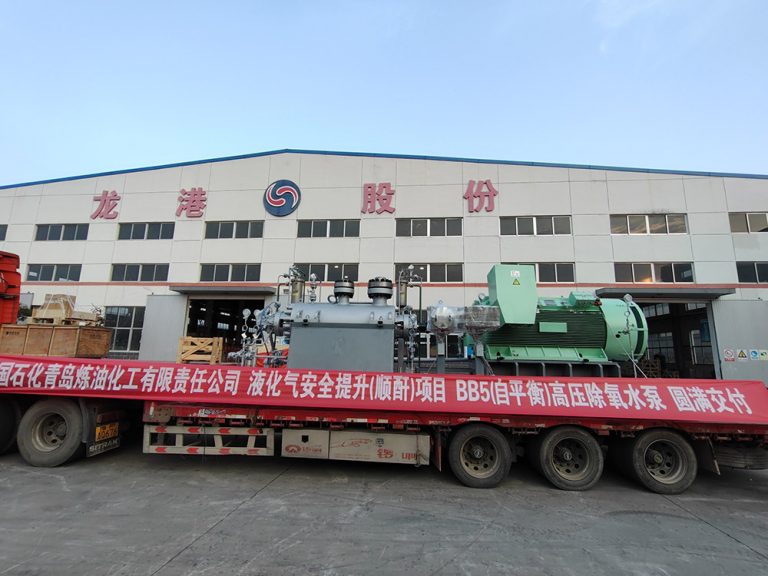

Industrial facilities such as petrochemical plants, offshore platforms, and modular systems are often plagued by space constraints. In tight pump rooms, limited floor space complicates the installation, operation, and maintenance of essential equipment. When upgrading existing infrastructure or expanding production capabilities, retrofitting new pumps into these environments becomes particularly difficult. These constraints demand compact yet powerful solutions that maintain system performance without compromising safety or accessibility.
Why Space Optimization Matters
Maximizing spatial efficiency in pump room design isn’t just a matter of convenience—it impacts cost, safety, and overall operational flow. Efficient use of space can significantly reduce construction and maintenance expenditures. An optimized layout also enhances worker safety by reducing the risk of tripping hazards and making maintenance access easier. Vertical pump solutions have emerged as a practical answer to these challenges, offering a streamlined alternative that minimizes the horizontal footprint of traditional setups.
Vertical Design Advantages
What Is a Vertical Suspended Pump
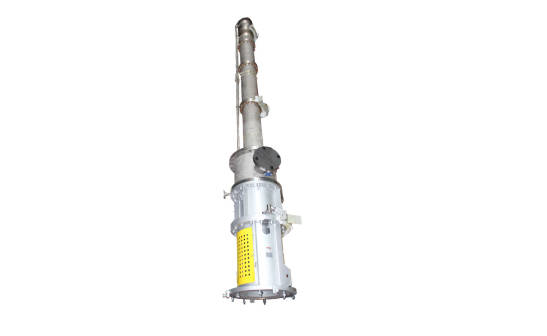
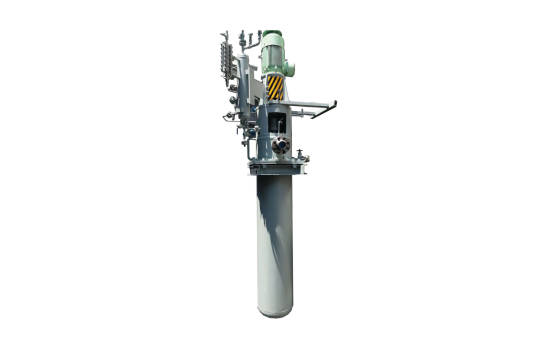
A vertical suspended pump is designed with a compact, upright form that allows it to be mounted directly above the sump or tank. The LDTV (VS1) series from Longgang Pump is a prime example of this configuration. It is a vertical, suspended, single-casing pump compliant with API 610 (ISO 13709) standards, featuring a center-discharge, radially split design. This series is used in fields such as petrochemicals, coal chemicals, cryogenic engineering, and nuclear power, and is suitable for transporting clean media or those with trace particles.
Comparing Vertical and Horizontal Layouts
Horizontal pumps require significant floor area due to their need for baseplates and side-mounted components. Conversely, vertical pumps like the LDTV (VS1) stack components vertically, drastically reducing the installation footprint. The design includes multi-point support structures and thin oil lubrication to ensure stability and performance in demanding conditions. This makes vertical pumps ideal for solving space and installation constraints in tight pump rooms.
Installation Benefits
Simplified Foundation Requirements
One of the key advantages of Longgang Pump’s vertical models lies in their reduced foundation needs. The LDTV (VS1) requires smaller, simpler foundations compared to large horizontal alternatives, which leads to reduced civil engineering efforts and faster installation timelines. The bearing system includes angular contact ball bearings with cooling features, and standard temperature/vibration monitoring ports are available to ensure safe operation.
Easy Integration in Existing Systems
Vertical pumps are highly suitable for retrofit projects where existing piping and structural limitations leave little room for new installations. The LDTV’s modular construction allows for flexible configuration with various mechanical seals and flushing systems in accordance with API 682 standards. This adaptability makes integration into older systems efficient and less disruptive.
Application Scenarios
Petrochemical Plant Upgrades
During modernization projects in petrochemical plants, existing equipment zones are often fully occupied. Longgang Pump’s vertical suspended pumps, like the LDTV (VS1), fit easily into these tight spaces without requiring structural overhauls. Their robust performance in transporting clean or lightly contaminated liquids makes them indispensable in refining operations.
Offshore and Modular Installations
Space is at a premium on offshore platforms and skid-mounted modular units. The compact footprint of Longgang Pump’s vertical designs supports efficient layout planning. The LDT (VS6) series, another vertical suspended model from Longgang Pump, features a double casing and multi-stage configuration ideal for vaporizing and low-temperature media like ethylene or propane. These models enhance transportability and simplify the integration process during modular construction.
Cost and Efficiency Gains
Lower Initial Setup Costs
Choosing a vertical pump reduces the amount of concrete, steel reinforcement, and labor required for installation. This translates into direct savings on material costs and project timelines. Because Longgang Pump’s pumps like LDTV (VS1) use thin oil lubrication systems and fan or coil cooling designs, they also require fewer auxiliary systems.
Long-Term Operational Efficiency
Maintenance access in confined areas can be challenging with horizontal configurations. Vertical pumps allow for easier access to bearings, seals, and monitoring points without needing to dismantle large assemblies. Longgang Pump’s designs include features such as snap-ring positioned impellers and optional composite material bushings that improve longevity and minimize downtime.
Choosing the Right Pump Configuration
Key Selection Criteria for Tight Spaces
When selecting a pump for confined environments, engineers must weigh available vertical height against horizontal floor area. Other considerations include system pressure, fluid viscosity, temperature range, and required flow rates. For example, the LDTV (VS1) is ideal when head requirements are high (up to 1400m), but floor space is limited.
Working with Longgang Pump Experts
We at Longgang Pump offer tailored consultation services to help customers identify the best fit for their site-specific needs. According to the official website, we provide technical advisory services that include pump selection suggestions, operational training, and troubleshooting support. Our experienced team can assist from design through commissioning to ensure seamless integration of our products into your facility.
Conclusion
As industrial environments continue to evolve toward more compact and efficient layouts, the need for space-saving pump solutions grows ever more critical. Vertical suspended pumps like the LDTV (VS1) from Longgang Pump offer a proven way to address installation constraints in tight pump rooms without sacrificing performance or reliability. With our strong R&D capabilities, adherence to international standards like API610/API682, and commitment to customized service, we stand ready to support industries facing spatial challenges.
FAQ
Q: What makes a vertical suspended pump suitable for tight spaces?
A: Its upright design minimizes floor usage by stacking components vertically, making it ideal for crowded environments.
Q: How does a vertical pump simplify installation?
A: It requires smaller foundations, reducing civil work and allowing easier alignment with existing piping systems.
Q: Can Longgang Pump’s vertical models be used in old facilities?
A: Yes, they are well-suited for retrofitting due to their compact size and flexible integration options.
Q: Is there a performance trade-off compared to horizontal pumps?
A: No significant trade-off; performance depends on model selection, which Longgang Pump customizes to meet system requirements.
Q: What industries benefit most from these space-saving pumps?
A: Petrochemical plants, offshore platforms, modular systems, and any facility facing layout limitations during upgrades or expansions.