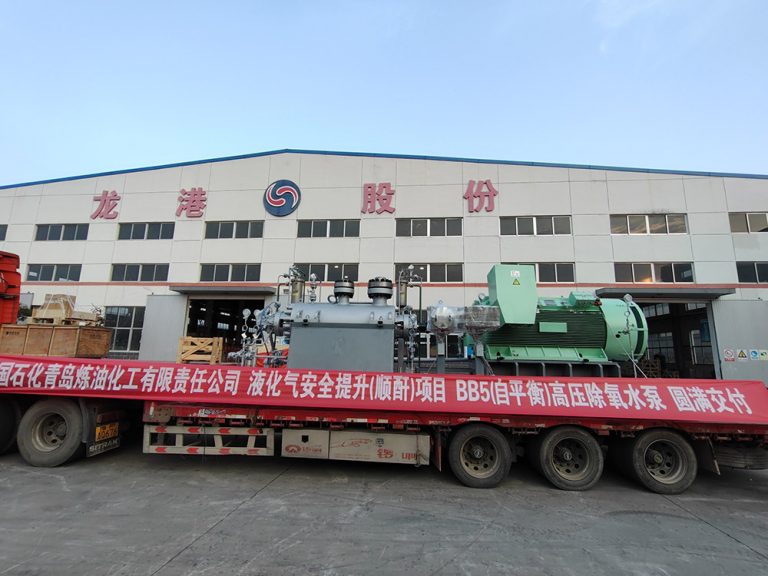

In the demanding world of petrochemical processing, moving fluids keeps the plant running smoothly. Equipment dependability matters greatly here—it is essential. Plants handling millions of tons of ethylene each year or large-scale oil refining face huge financial hits and safety issues from just one hour of unexpected stoppage.
At Longgang Pump, our goal is to boost your uptime by blending strong engineering with forward-thinking upkeep plans that stop problems before they start.
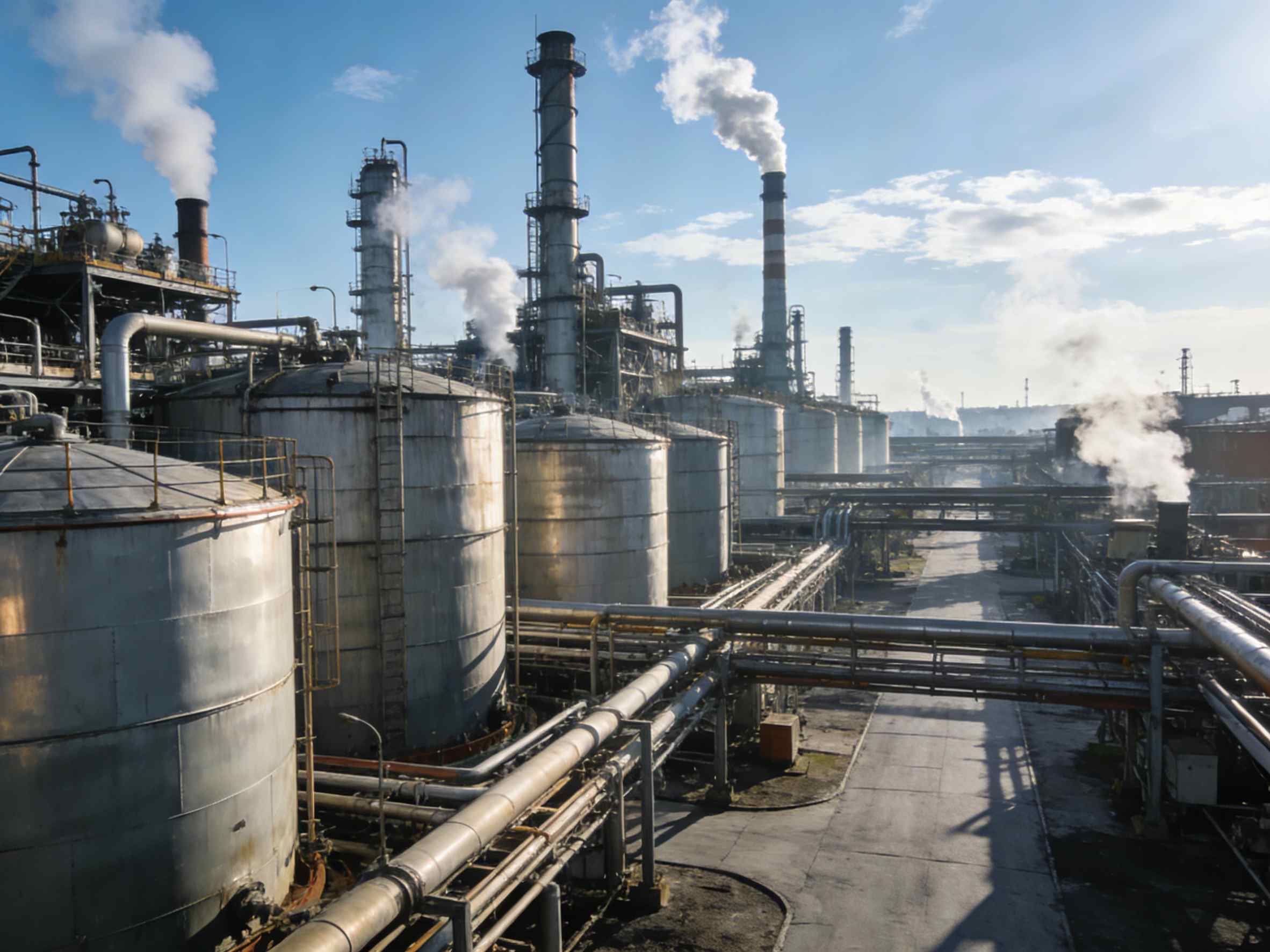
Challenges of Petrochemical Centrifugal Pump Maintenance
The Cost of Unplanned Equipment Downtime
Today’s petrochemical setups are intricate, so a breakdown in one key pump can stop a whole line. Take high-pressure boiler feed or catalyst feed jobs, for example. Here, accurate pumping supports the system’s long life. If a pump quits suddenly, expenses go beyond fixes. They cover lost output, unused fuel, and possible eco risks.
Limitations of Traditional Reactive Maintenance Models
In the past, many sites used fix-after-break methods, which waited for trouble to hit before acting. For setups “suitable for API production,” this approach feels outdated now. Such reactive work often means delays in getting parts and extra labor bills from rushed jobs. By the time a centrifugal pump displays clear failure signals, parts inside, like impellers or seals, might already face heavy wear. This makes fixes more tricky.
Technical Comparisons in Industrial Fluid Processes
Centrifugal Pump vs Reciprocating Pump Differences
We often hear about centrifugal pump vs reciprocating pump differences. In chemicals, centrifugal pumps fit best for big-volume, steady flow tasks because of their basic build and easier care needs. Reciprocating pumps manage extreme pressures well, yet they create uneven flow and have more parts that wear out fast.
Difference Between Single-Stage and Double-Stage Impeller Pump
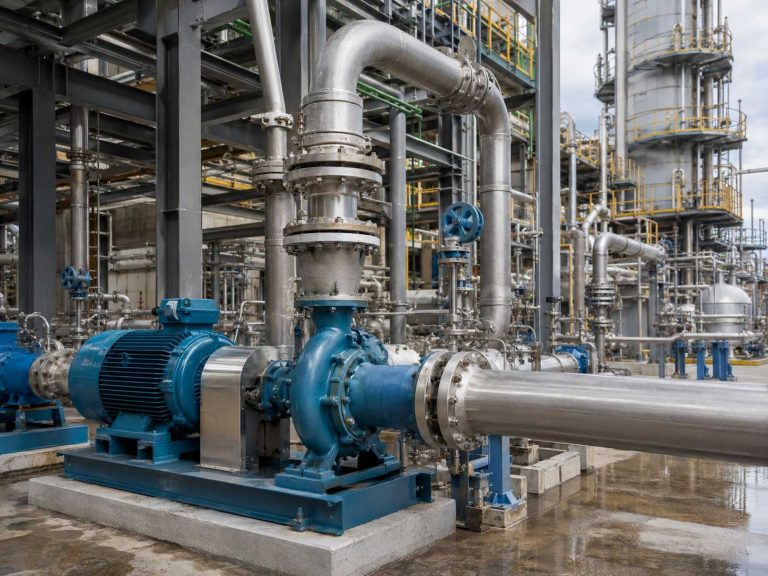
Grasping the difference between single-stage and double impeller pump setups helps in planning upkeep routines wisely. Single-stage pumps, including our LZV(OH3)-Single Stage Vertical Pipeline Centrifugal Pump, work great for modest lift needs and allow simple checks during daily rounds. Picking the proper setup early forms the basis of a smart upkeep plan.
The Strategic Advantage of Radial Dissection Designs
LBD (BB2) Structure and Maintenance Accessibility
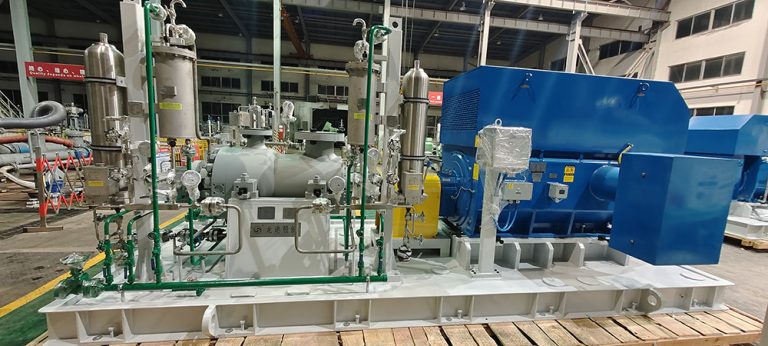
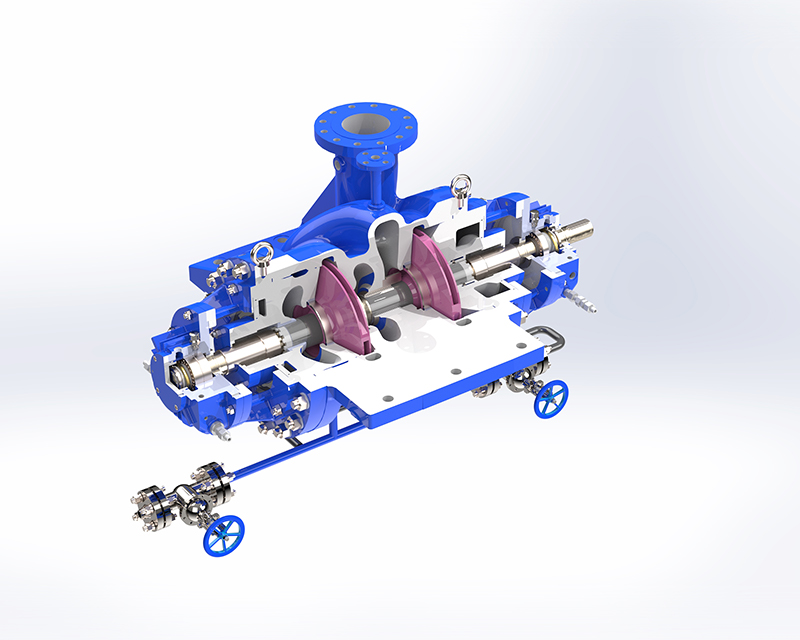
Our range features the LBD(BB2)-Radial Dissection Chemical Process Centrifugal Pump prominently. We poured research into this build since its radial split form gives clear benefits in hot and high-pressure settings. The LBD (BB2) we created on our own reaches a tested fluid efficiency of 90.5%. That beats the national top energy rules by 3.5%. This not only cuts power use but also eases heat and force strains inside the pump. In turn, it lightens the upkeep load naturally.
Why Radial Split Suits API Production
Maintenance crews find the radial split build transformative. Axial split pumps demand lifting off the upper shell, but radial split ones like the LBD (BB2) make reaching inside parts simpler while keeping the pressure shell intact. This proves vital for pumps “suitable for API production,” where a tight seal guards safety above all. The structure eases the inspection and repair process. It tackles the hassle of involved upkeep steps directly.
Proactive Maintenance to Maximize Uptime
Implementing Advanced Condition Monitoring Technology
To really maximize uptime, we push for adding condition monitoring tools. These track shakes, heat levels, and pressure live on vital pumps. Operators spot early hints of bearing wear or cavitation this way. At Longgang Pump, we advise on setting up these systems. This helps clients keep each Centrifugal Pump in its best fluid range.
Optimizing Spare Parts and Material Selection
Picking materials stands as a key part of forward upkeep, particularly with harsh fluids. We crafted alloy pumps with super-low carbon duplex stainless steel to fight off strong corrosives like concentrated sulfuric acid and caustic soda. And using the right original spare parts matters just as much. We supply fitting parts made to client specs, so fixes restore the pump to factory standards.
The Role of API 610 and API 685 Standards
API 610 Pumps Applications in Industrial Processes
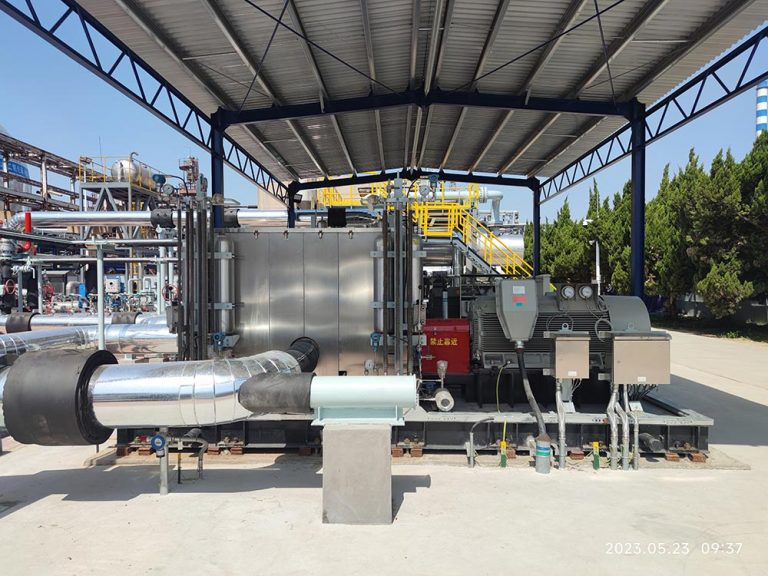
The API 610 pumps applications in industrial processes span a wide range, from crude oil moves to coal gasification. Our Centrifugal Pumps go beyond these strict rules. They manage unstable and risky fluids typical of chemicals. Sticking to these rules in the making and upkeep phases guarantees lasting stability.
Ensuring Long-Term Reliability for BB2 Pumps
In the harshest setups, the LBD (BB2)-Double Shell Multi-Stage Centrifugal Pump serves as our top choice. Its double-shell form adds safety. If the inner high-pressure part needs work, crews pull it as one unit, shortening offline time greatly.
Conclusion
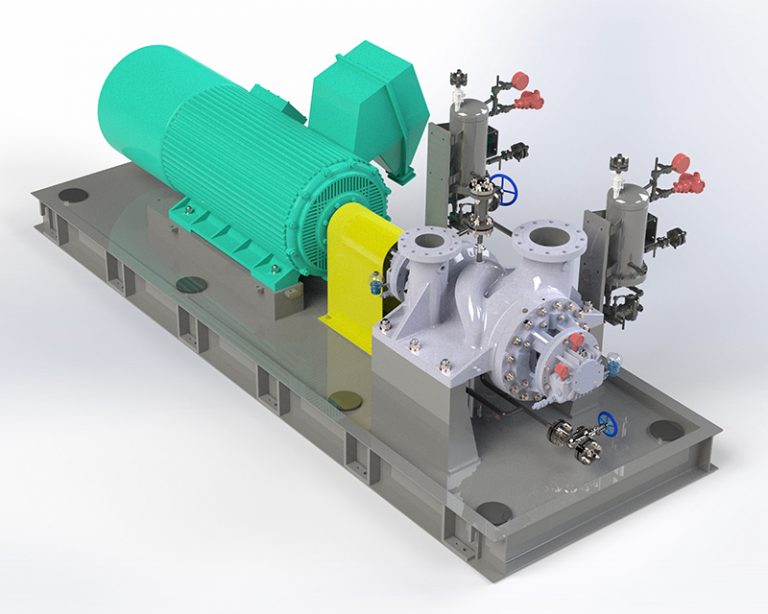
At Longgang Pump, we aim to deliver more than gear—we supply the steadiness powering the worldwide industry. Selecting modern builds like our LBD (BB2) lines, plus following pump maintenance best practices, lets chemical operators turn upkeep teams from crisis handlers into key strengths. Our push on technology advances and our own research lets us build centrifugal pumps with top global efficiency and ease of service.
Teaming up with Longgang Pump for proactive upkeep now secures your site’s future operations best. Contact Longgang Pump now to see our complete centrifugal pumps selection and locate the ideal, energy-saving pump fit for your site.
FAQ
Q: What are the primary centrifugal pump vs reciprocating pump differences in heavy industry?
A: Centrifugal pumps, such as our LBD (BB2), offer continuous, non-pulsating flow and have fewer moving parts than reciprocating pumps, leading to lower maintenance costs and higher suitability for large-scale, high-flow petrochemical applications.
Q: How does the radial dissection design of the LBD (BB2) help to maximize uptime?
A: The radial split design of the LBD (BB2)-Radial Dissection Chemical Process Centrifugal Pump allows for maintenance of internal components and seals without disconnecting the suction or discharge piping, which dramatically reduces the time required for repairs.
Q: Can you provide equipment suitable for API production?
A: Yes, we are an API-certified manufacturer and a qualified supplier for major entities like CNPC, Sinopec, and CNOOC, providing key pumps for projects involving tens of millions of tons of oil refining.
Q: What maintenance support do you offer for the LBD (BB2) series?
A: We offer a 12- or 18-month warranty and lifetime service, including the provision of qualified spare parts and 24-hour response to quality issues to ensure your LBD (BB2) operates reliably.