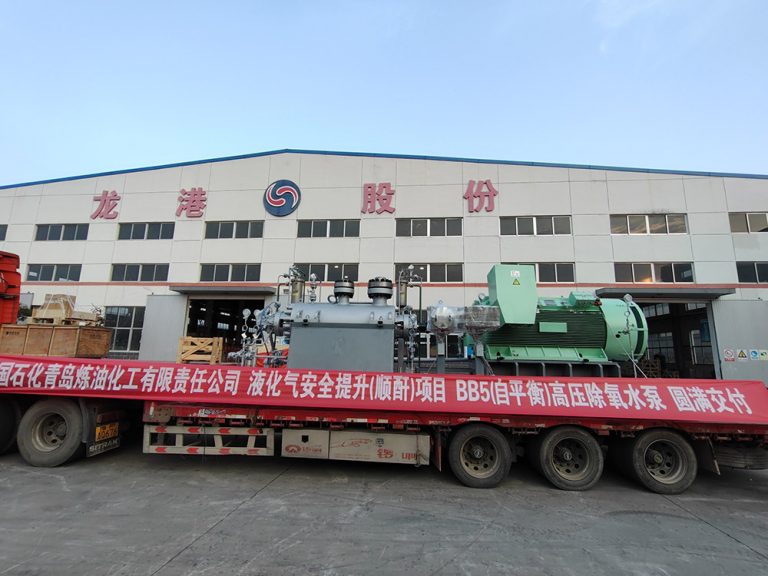

The Role of CO2 in Oil & Gas
Carbon dioxide serves a vital purpose in the oil and gas sector. Operators rely on CO₂ primarily for enhanced oil recovery (EOR) and for transport in dense-phase pipelines over long distances, including applications in CCUS. When CO2 is injected into a reservoir rock, it raises pressure and pushes trapped oil toward production wells. The result is a clear jump in the amount of oil that can be brought to the surface. Today, many projects also tie CO2 handling to carbon capture, utilization, and storage (CCUS) goals. The ability to move and pressurize CO2 without difficulty has become a key factor in determining project success.
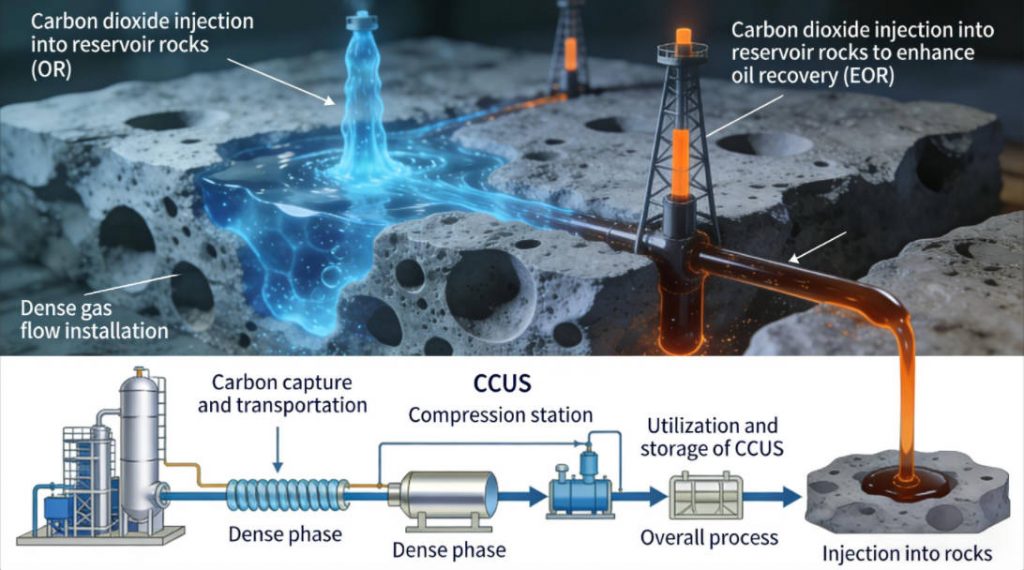
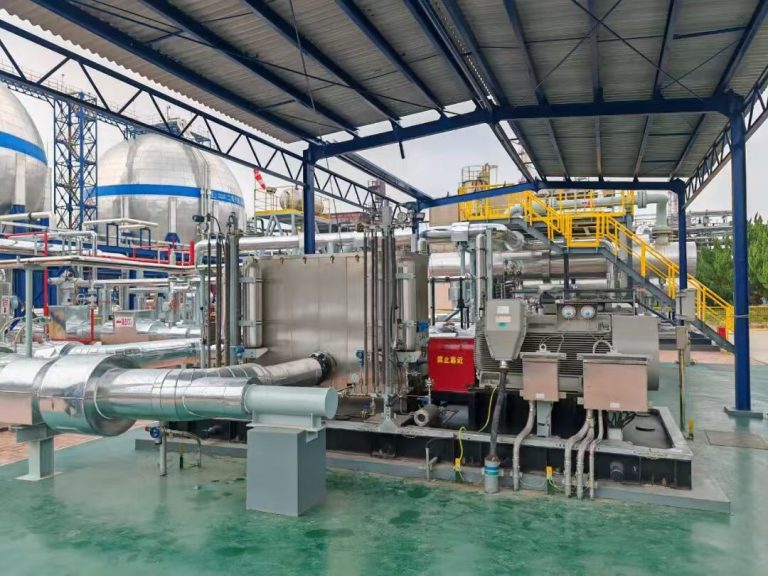
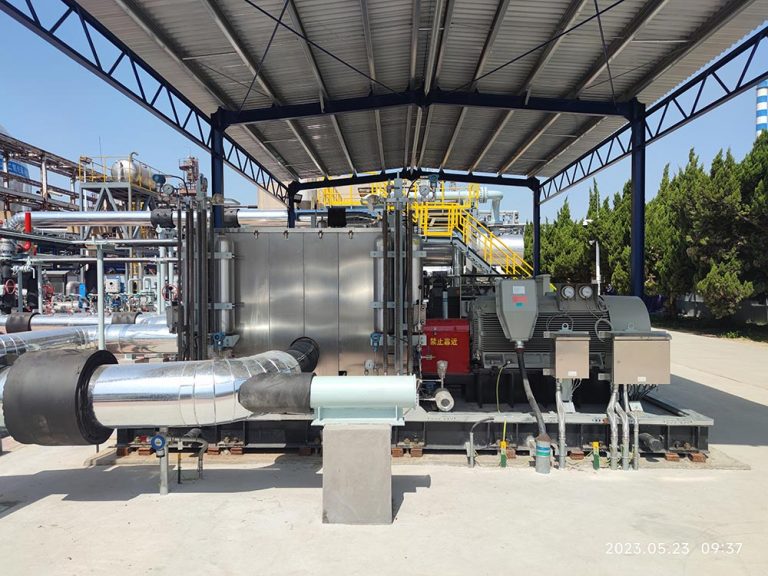
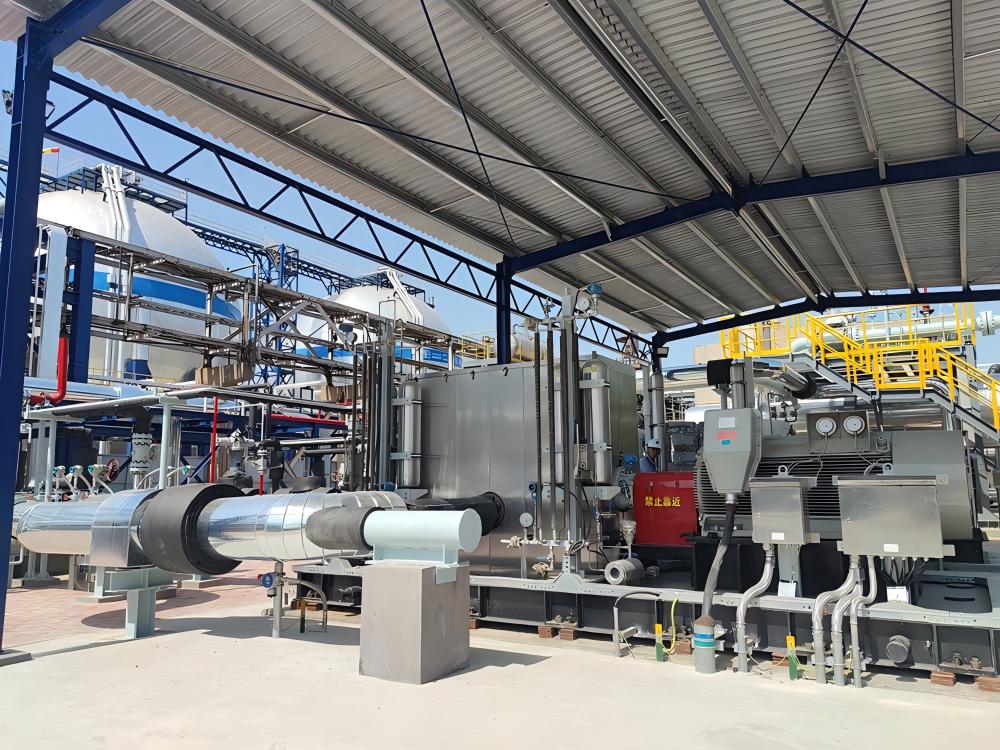
A real-world example is the Qilu Petrochemical – Shengli Oilfield Million Tons CCUS Project. Longgang Pump built the key equipment for this line. The system has been running reliably since its start-up on July 19, 2023. This project marks China’s first fully domestic long-distance dense-phase carbon dioxide pipeline.
Why Pump Efficiency Matters
Moving CO₂ in dense-phase state calls for pumps that can handle very high pressure while maintaining stable phase and avoiding vaporization. Conventional pumps may experience higher energy losses and accelerated wear when handling dense-phase CO₂, which can increase the risk of unplanned downtime. In contrast, a high-efficiency unit uses much less electricity, runs smoothly day after day, and lasts longer in the field. Lower power bills and fewer repair calls make a real difference to the bottom line. At the same time, less energy burned means a smaller carbon footprint for the whole operation.
Understanding High-Efficiency CO2 Booster Pumps
What Makes a Pump High-Efficiency
The best CO2 booster pumps stand out because of careful design choices. Impellers are shaped to cut down internal friction, so more of the motor power actually moves the fluid. Modern seals keep leakage almost to zero, which cuts maintenance time and raises safety when the pump runs at 200–300 bar. CO₂ has low lubricity and experiences significant density changes near its critical point, posing challenges for stable pump operation and NPSH management. Because of these traits, Longgang Pump had to solve tough problems in flow stability, safe pressure control, and daily operation. Our company focused on keeping the CO2 in the right phase from the inlet to the discharge.
Benefits of Longgang Pump’s Technology
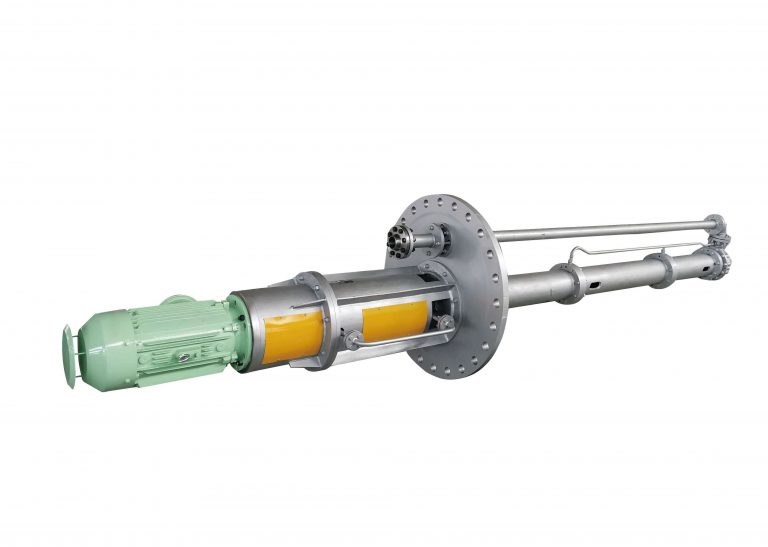
Longgang Pump developed several practical improvements that fit the CO2 service perfectly. Among them is a hydraulic thrust balance design that minimizes axial load on the rotor, honeycomb seals that improve rotor stability and reduce leakage, ensuring smoother high-pressure CO₂ operation, and impellers made of corrosion- and erosion-resistant alloys with anti-cavitation surface treatments to reduce wear to reduce friction losses and extend service life. Engineers ran many computer simulations and field tests. Step by step, they refined each part until the pump achieved efficiency and stability levels that meet or exceed international benchmarks. In the Qilu-Shengli line, every measured value — all operating parameters — flow, head, vibration, and bearing temperature — remained within the specified limits from the first start-up.
Operational Advantages in Oil & Gas
Enhancing Compression Reliability
Reservoir conditions and pipeline flow rates change hour by hour. A reliable booster pump must keep working through those swings. Longgang Pump units use hard-wearing parts that resist erosion from dry CO2 and cold temperatures. The result is far less unplanned downtime. On July 19, 2023, the pump in the CCUS project started on the first attempt and has stayed online ever since.
Lowering Energy Consumption
These pumps pair high-efficiency motors with variable-speed drives. The control system watches the actual need and adjusts motor speed second by second. Power use drops noticeably, sometimes by double-digit percentages compared with older fixed-speed units. In a large CCUS system that runs 365 days a year, those savings add up fast.
Reducing Maintenance Requirements
Fewer moving parts and the use of high-alloy duplex or super duplex stainless steel, offering superior corrosion resistance and long service life. This means the pump can run for years between major overhauls. The same steel grade has already proved itself in pumps that handle dilute sulfuric acid, hydrochloric acid, and concentrated caustic soda. Operators simply schedule shorter, less costly service stops.
Economic Impact on Operations
Cutting Operational Costs
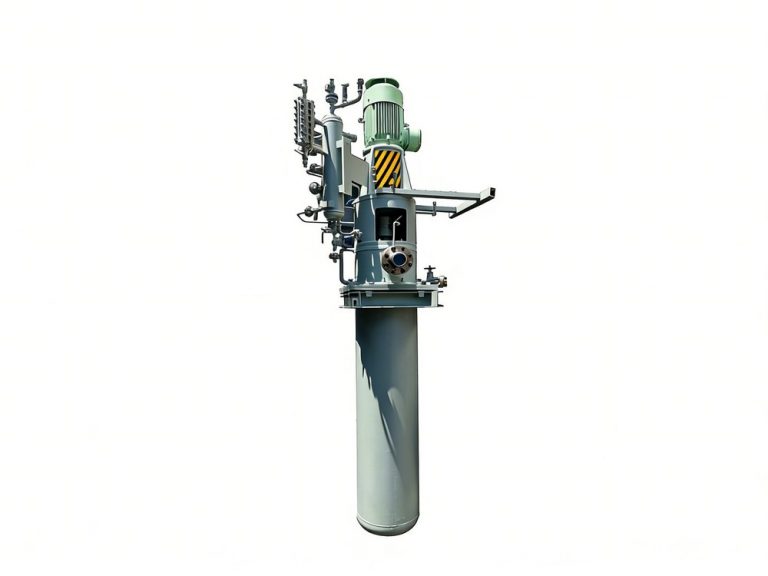
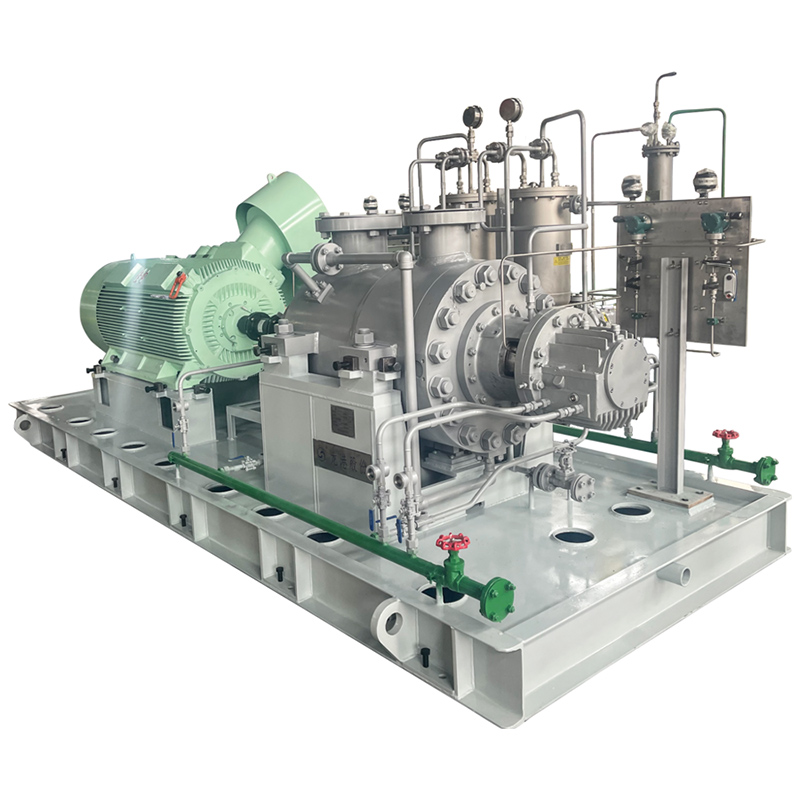
Every kilowatt-hour saved and every day without a breakdown goes straight to lower costs. The LTD (BB5) multi-stage pump, built according to API 610 BB5 standards, is designed for high-pressure CO₂ service. It follows the latest API 610 (ISO13709) BB5 standard, offers provides strong NPSH performance and vaporization margin suitable for dense-phase CO₂, and still keeps running costs reasonable.
Improving ROI Over Time
Up-front price for a premium pump is higher, but the payback period is usually short. Reduced power, fewer spare parts, and higher plant availability together raise overall profit. In the Qilu-Shengli project alone, the system is expected to cut CO2 emissions by 1 million tons each year and add roughly 2.965 million tons of extra oil recovery over the next 15 years.
Environmental and Safety Considerations
Supporting Emissions Reduction Goals
Efficient CO2 pumps make large-scale CCUS economically possible. When captured carbon can be moved and injected with low energy loss, more companies are willing to invest in capture plants. The Qilu-Shengli line shows that China can now handle the full chain domestically, from capture to underground storage.
Enhancing Site Safety Standards
Tight seals and pressure-relief systems designed to maintain stable CO₂ phase, prevent vaporization and remote monitoring keep people out of danger zones. Because the Longgang Pump’s pumps reached 100% local content, spare parts and technical support are always close at hand instead of waiting for overseas shipment.
Choosing the Right Pump for Your Needs
Key Selection Criteria for Operators
Look carefully at the required flow and discharge pressure (many CO2 lines run above 15 MPa and some reach 30 MPa). Check that materials and seals truly match cold, dry, dense-phase CO2. Ask for proven field hours and local service backup. Total cost of ownership over 10–15 years usually matters more than the initial price tag. The LCD (BB3) horizontal split multi-stage centrifugal pump from Longgang Pump, for instance, can deliver up to 1500 m³/h and heads up to 1600 m (≈16 MPa) at pressures up to 25 MPa, suitable for dense-phase CO₂ injection— perfect scale for most EOR injection stations.
Why Choose Longgang Pump Solutions
Longgang Pump is an approved vendor for CNPC, Sinopec, and CNOOC. The company focuses on API 610 BB-series, OH-series, and VS-series centrifugal pumps for petrochemical service. Each pump is adjusted to the exact conditions of the customer’s field, so performance matches the job from day one. Longgang Pump continues to invest heavily in its own research and development. The goal remains clear: master core technology at home and keep raising the standard for Chinese-made pumps on the world stage.
FAQ
Q: What is a CO2 booster pump used for in oil & gas operations?
A: It is used to compress and transport carbon dioxide efficiently, especially in enhanced oil recovery (EOR) processes.
Q: How does a high-efficiency pump reduce operational costs?
A: It consumes less energy, requires less maintenance, and minimizes downtime, all of which contribute to lower overall expenses.
Q: Why should I choose Longgang Pump over other brands?
A: Longgang Pump offers reliable, energy-saving solutions specifically engineered for the demands of oil & gas environments.
Q: Can a high-efficiency CO2 booster pump help meet environmental targets?
A: Yes, by reducing energy consumption and emissions during CO2 handling, it supports sustainability goals.
Q: What factors should be considered when selecting a CO2 booster pump?
A: Key factors include flow capacity, pressure requirements, material compatibility with CO2, and vendor support services.